
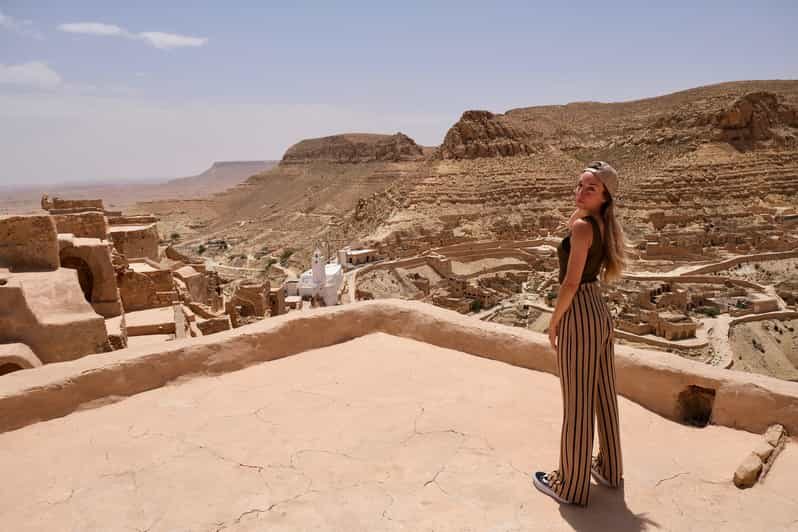
Chenini is the heart of this trip: an Amazigh village clinging to a steep ridge, with old homes and granaries set among the stone. From Djerba or Zarzis, this full-day 4×4 outing links it with a salt lake, Tataouine and the Star Wars site at Ksar Hadada.
I like the mix of Chenini’s living village life and the region’s striking old architecture, and I like that a local guide leads the 30-to-40-minute walk. One thing to weigh is the long day on the road: a family group found the back row of a small vehicle uncomfortable, and the walk is not suitable for people with mobility impairments.
- Chahbania salt lake: A photo stop on the way inland, often timed for sunrise.
- Tataouine market: Free time to browse, though it may be quiet rather than full of activity.
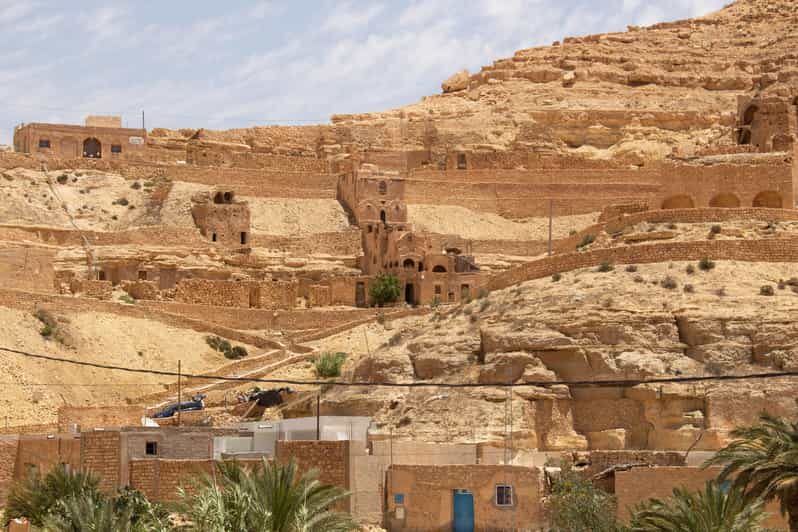
- Chenini: A hill village where about 40 Amazigh families still live, explored on foot with a local guide.
- Ksar Hadada: A historic ksar and Star Wars filming location, with admission included.
- Lunch and transport: 4×4 transport, a licensed driver and guide, lunch without drinks, and half a litre of water per person are included.
- From Djerba to the dry country
- Chahbania’s salt flats at first light
- Tataouine’s market, with time to browse
- Chenini, a village still inhabited
- Lunch with regional food
- Ksar Hadada, a ksar with a film connection
- What buys you, and what it does not
- Packing and practical details
- Who should book this day trip?
- FAQ
- How long is the tour?
- Where can I be picked up?
- What languages are available for the guide?
- Is lunch included?
- How much walking is there at Chenini?
- Are entrance fees included?
- What should I bring?
- More Tours in Tataouine
- More Tour Reviews in Tataouine
- Not for you? Here's more nearby things to do in Tataouine we have reviewed
From Djerba to the dry country
 1 / 8
 2 / 8
 3 / 8
 4 / 8
 5 / 8
 6 / 8
 7 / 8
 8 / 8
The day begins with pickup from your chosen location in Djerba or Zarzis, with departure listed at 7 AM. Expect a full day out, returning to Djerba late in the afternoon. The early start helps fit several distant stops into one trip, but it does mean setting an alarm and spending a good stretch of the day in the vehicle.
The route crosses the Roman Road, the ancient connection between Djerba and the mainland. It is a useful reminder that this crossing has linked island and mainland for centuries, not just for today’s tour traffic. The 4×4 keeps the day’s stops connected without asking you to arrange separate taxis or public transport legs.
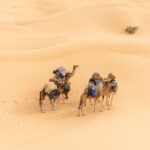
The drive is part of the experience. You leave the coastal holiday setting behind and travel through the drier south, with the scenery changing along the way. Your driver may also share information about Tunisia during the ride. Names vary by departure, but guides praised in recent tours include Montana, Zizou, Khaled, Toutou and Mohamed. Drivers named in feedback include Ameur, Firas and Mourad. You should not expect a particular person unless the operator confirms it.
A tour guide is listed in Arabic, French, English, German and Italian. The guide’s language mix may matter if your group is multilingual. One English-speaking passenger travelling with a mostly French-speaking group found that the guide made an effort to explain things in English, but it is sensible to confirm your preferred language when checking availability.
Chahbania’s salt flats at first light
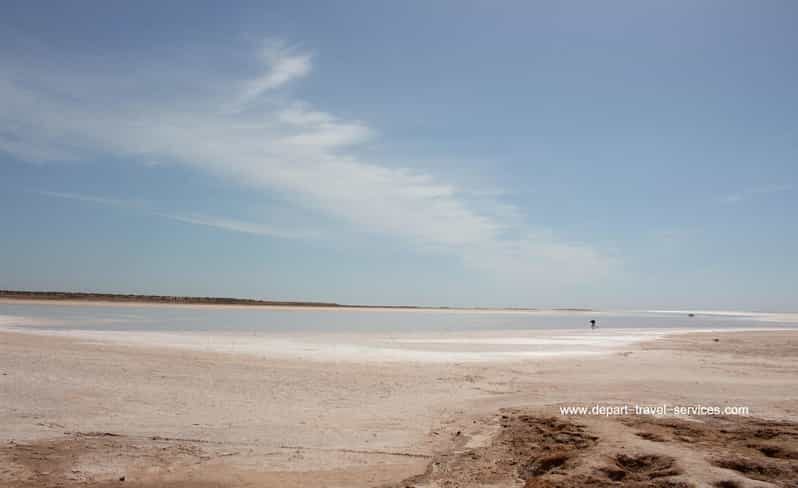
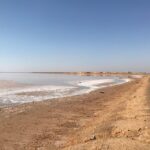
The first stop is Chahbania salt lake, a broad expanse of salt that can catch the light in striking ways. The tour description frames this as a sunrise photo stop. If the sky cooperates, the still, pale surface makes a sharp contrast with the darker ground around it.
Treat this as a short photo pause, not a long visit or a full nature walk. The appeal is the view and the chance to stretch your legs after the drive. Bring your phone or camera, as the open setting gives you few obstructions in your pictures.
The stop also sets the tone for the day: southern Tunisia’s interest is not only in individual monuments. Its wide, spare scenery is part of what makes the trip feel distinct from a beach day in Djerba. If your priority is long hikes or time by the water, though, this stop is not designed to deliver either.
You can also read our reviews of more tours and experiences in Tataouine.
Tataouine’s market, with time to browse
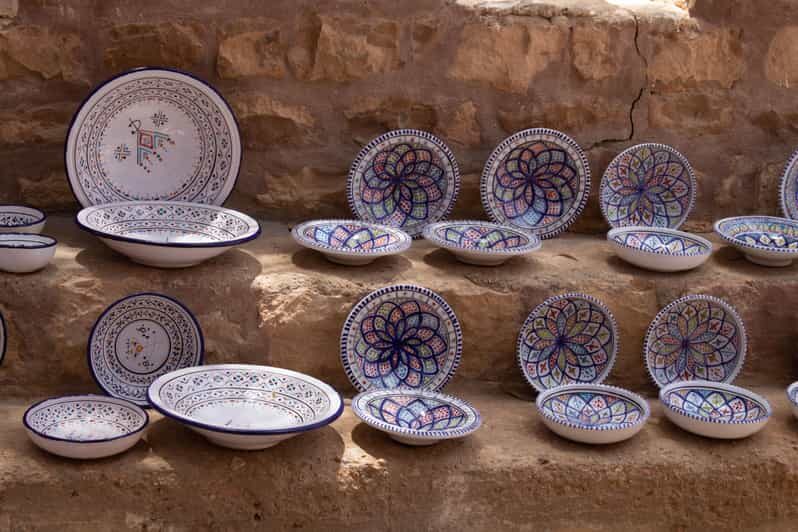
In Tataouine, you get free time to look around the local market. This is a chance to see everyday commerce and browse for local crafts or spices at your own pace, rather than following a guide from stall to stall. Keep an eye on the agreed meeting time so the group can continue on schedule.
Set your expectations sensibly. A market can be lively, but it can also be quiet, with few merchants or little activity. One visitor found the Tataouine souq subdued. That does not make the stop worthless; it simply means you should see it as a short window into local town life, not a guaranteed spectacle.
If you want to buy something, bring some cash. Drinks at lunch may also need to be paid for in cash, and personal expenses are not included. The market stop is one of the less predictable parts of the day, so enjoy what is there rather than judging the trip by how much shopping you can do.
Tataouine is often associated with the distant prehistory of the region, including dinosaur discoveries, as well as its Amazigh heritage. The tour gives you a broad introduction rather than a specialist visit to a museum or archaeological collection. Its strength is the way the town fits into a day that also includes Chenini and Ksar Hadada.
Chenini, a village still inhabited
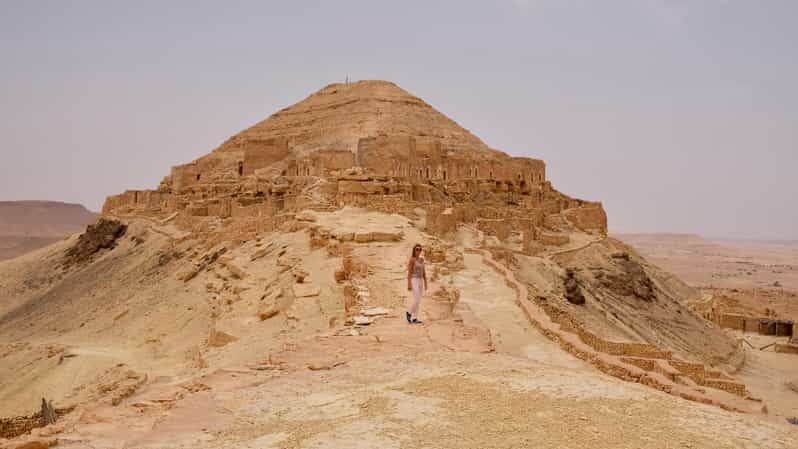
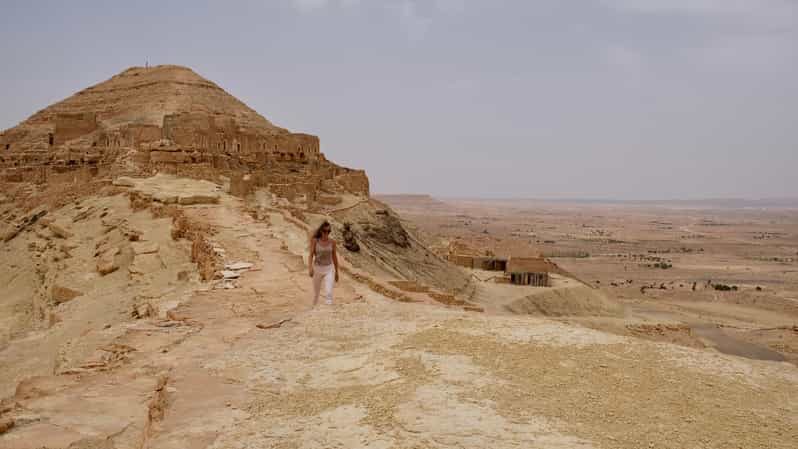
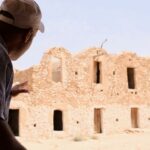
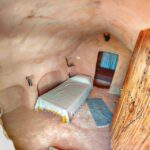
Chenini is the most substantial cultural stop. Set high on rugged hills, the village has old stone structures, troglodyte homes and granaries built into the slope. Around 40 Amazigh families still live there, so this is not simply a preserved ruin. The setting and the continuing life of the community give the visit a different feel from walking through an abandoned site.
You will take a walking tour lasting about 30 to 40 minutes. A local guide explains the village and its culture, adding details that are hard to read from the buildings alone. Guides such as Hadi have led visitors through Chenini and spoken about local life and the effort to keep the village going. Your local guide may differ, but the format gives you a closer connection to the place than a quick photo stop.
Wear proper walking shoes. The village is on a steep hillside, and the walk involves uneven ground. The operator says the tour is not suitable for people with mobility impairments, so this is not a minor detail. If you have concerns about walking, ask before booking rather than assuming the visit can be adapted.
There is enough time to explore, but this is still part of a packed day. You are not signing up for a long trek or an overnight stay. The payoff is seeing how the old structures sit within the village and hearing a local voice explain the place. For many people, this is the tour’s clearest encounter with Amazigh life.
Be considerate with photographs and conversations. The village is home to people, not just a backdrop, and local guiding supports the community. A tip for the Chenini guide is encouraged; bring small cash if you would like to offer one.
Lunch with regional food
A traditional midday meal at a local restaurant is included. The menu is not specified, but visitors have described meals featuring couscous and other regional food, and some have particularly enjoyed the cooking. Lunch provides a welcome pause between the walking visit and the next historic site.
Drinks are excluded. Bring cash for a drink, and do not assume you can pay by card. One family reported drinks costing 5 Tunisian dinars and cash being required, but prices and payment arrangements can change. The tour includes half a litre of water per person in the vehicle, which is useful but not a substitute for bringing extra water if you need more.
The meal adds real value to the $55 price, especially when you consider the day’s transport and guiding. It also lets you try local food without having to find a restaurant yourself during a tight schedule. If you have dietary needs, ask the operator in advance, as no special meal arrangements are specified.
More Great Tours NearbyKsar Hadada, a ksar with a film connection
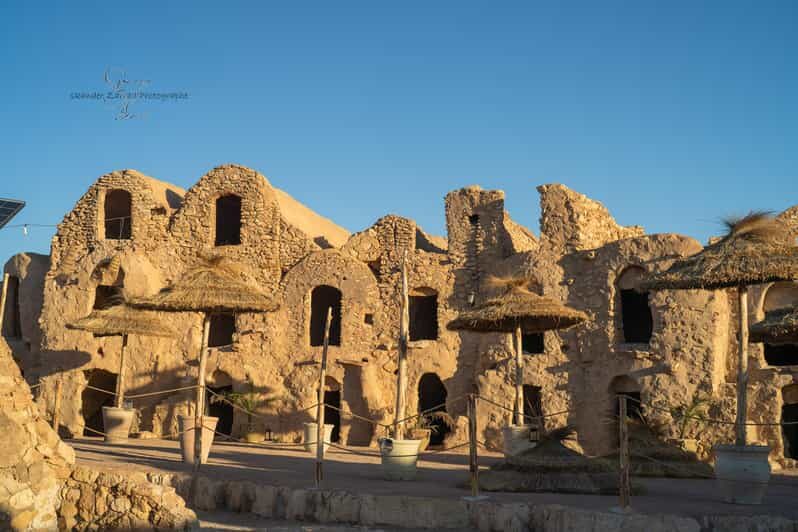
Ksar Hadada is a historic fortified granary complex and one of the region’s best-known Star Wars filming locations. It was used as a setting connected with the young Anakin Skywalker’s story, which makes it a natural stop for film fans. Admission is included in the tour price.
Even if you do not know the films, the site is worth seeing for its architecture. The arrangement of rooms and old building forms gives you a sense of how a ksar served as a communal place to store goods and protect them. The film link is an extra layer, not the only reason to go.
As with the other stops, allow the guide to put the structure in context before focusing on photos. The visit is one piece of a day that covers several places, so do not expect an extended archaeological study. For Star Wars fans, it offers a satisfying chance to recognize a real filming location; for everyone else, it rounds out the story of local building traditions.

What $55 buys you, and what it does not
At $55 per person, the price covers 4×4 transport, a licensed driver, a licensed travel guide, lunch excluding drinks, half a litre of water per person in the vehicle, Ksar Hadada admission, and assistance. You also get pickup in Djerba or Zarzis, according to availability. For a long route with several stops, that is a practical package.
The value is not only the vehicle. Organizing the same sites independently would mean sorting out transport between the island and mainland, local connections, timing and site access. One independent-minded visitor felt the tour cost only a little more than arranging taxis and shared transport, while saving a lot of time. Renting a car may cost less, but it puts the driving and route planning on you.
The main trade-off is comfort. The vehicle is described as a 4×4, and one family found the last row uncomfortable on longer stretches. The exact vehicle and seating arrangement can vary, so ask about the vehicle if you are tall, travelling with children, or sensitive to cramped seats. The tour materials do not specify group size.
Lunch is included, but drinks and personal expenses are not. Flights and travel insurance are also excluded. Pack cash for beverages, souvenirs and a possible tip for the local Chenini guide. For the price, the combination of long-distance transport, several distinct stops and a meal makes the outing a strong value if you want to see the south without arranging it yourself.
Packing and practical details
Bring walking shoes, a phone or camera, and extra water if you know you drink more than half a litre during a full day out. A hat or sun protection may also be useful in exposed places, though conditions vary. Pack light enough to keep the vehicle comfortable, particularly if you are seated in a back row.
Drones, alcohol and drugs are not allowed. The day involves a fair amount of driving and a short but uneven village walk, so it is better suited to people comfortable with both. Families have taken the tour, including with children, but the walk and vehicle comfort deserve consideration when planning for younger children.
The activity offers free cancellation up to 24 hours in advance for a full refund, and a reserve-now, pay-later option is available. Starting times and pickup details should be checked for your date. These flexible terms help with planning, but do not replace confirming where the driver will meet you.
Who should book this day trip?
This is a good fit if you are staying in Djerba or Zarzis and want a guided introduction to southern Tunisia’s villages, architecture and scenery in one long day. It suits people who like a mix of cultural stops and road scenery, and Star Wars fans will get an added thrill at Ksar Hadada. The local guide in Chenini is a particularly good reason to go beyond a drive-by visit.
It is less suited to anyone who needs step-free access, dislikes long drives, or wants a slow day with lengthy time at each stop. The market may be quiet, and the 4×4 may be cramped for some passengers. If those limits sound manageable, the itinerary gives you a lot for the price and a useful way to understand a part of Tunisia that is difficult to reach from the island on a short stay.
From Djerba & Zarzis: Tataouine Chenini 4×4 Day Tour
FAQ
How long is the tour?
It is a full-day tour. Pickup is listed for 7 AM, with a return to Djerba in the late afternoon.
Where can I be picked up?
Pickup is available from locations in Djerba or Zarzis. Check availability for the specific pickup details.
What languages are available for the guide?
The listed languages are Arabic, French, English, German and Italian. Confirm your preferred language when checking availability.
Is lunch included?
Yes. Midday lunch at a local restaurant is included, but drinks are not.
How much walking is there at Chenini?
The walking tour in Chenini lasts about 30 to 40 minutes. Walking shoes are recommended, and the activity is not suitable for people with mobility impairments.
Are entrance fees included?
Entrance to Ksar Hadada is included. No other entrance fees are specified.
What should I bring?
Bring walking shoes and a camera or phone. Cash is useful for drinks and personal expenses. The vehicle includes half a litre of water per person.
You can check availability for your dates here: