Taipei’s old town makes more sense when its buildings come with the stories behind them. On this 2.5-hour walk, a local guide links the National Taiwan Museum, the 228 Peace Memorial, the Presidential Office, and Ximending to Taiwan’s changing history and politics.
I like two things in particular: the route mixes major civic landmarks with a market and shopping district, and the guides explain difficult history in clear, human terms. Guides such as Leo, James, Dorothy, Bessy, Taile, and Veronica have been praised for their storytelling, humor, and willingness to answer questions.
The main consideration is that this is a guided overview, not a museum visit or a tour built around entering every landmark. It covers a lot on foot, so wear comfortable shoes, and confirm the ending point before you set off: the activity details and route information give different answers.
- A history-first route: Learn about Taiwan’s past at the 228 Peace Memorial and connect it to the city’s civic landmarks.
- A useful first-day introduction: The guide explains the places you pass and can help you get oriented to Taipei’s old town.
- Local guides with distinct styles: Guides including Leo, James, Dorothy, Bessy, Taile, and Veronica have led the tour.
- A change of pace at Ximending: Move from formal landmarks to market stalls, shops, and the octagonal Red House.
- A low listed price: The stated cost is $1.10 per person for a guide-led walk of about 2.5 hours.
- A practical detail to check: The activity information says the walk returns to its start, but the route also lists Red House and Shi-men Ting as drop-off points.
- A walking introduction to Taipei’s old town
- The National Taiwan Museum sets the scene
- At the 228 Peace Memorial, history becomes personal
- The Presidential Office offers an architectural pause
- Chengzhong Market brings the route back to daily life
- Zhongshan Hall recalls an earlier public role
- Ximending and the Red House end on a lighter note
- What the price and pace mean for you
- Who should book the Taipei old-town walk?
- FAQ
- How long is the Taipei Old Town Walking Tour?
- Where does the tour start?
- Where does the tour end?
- What language is the tour in?
- Which places does the walk visit?
- Is the tour wheelchair accessible?
- Is a private group available?
- Can I cancel the tour?
- Can I reserve now and pay later?
- More Walking Tours in Taipei City
- More Tours in Taipei City
- More Tour Reviews in Taipei City
- Not for you? Here's more nearby things to do in Taipei City we have reviewed
A walking introduction to Taipei’s old town
 1 / 9
 2 / 9
 3 / 9
 4 / 9
 5 / 9
 6 / 9
 7 / 9
 8 / 9
 9 / 9
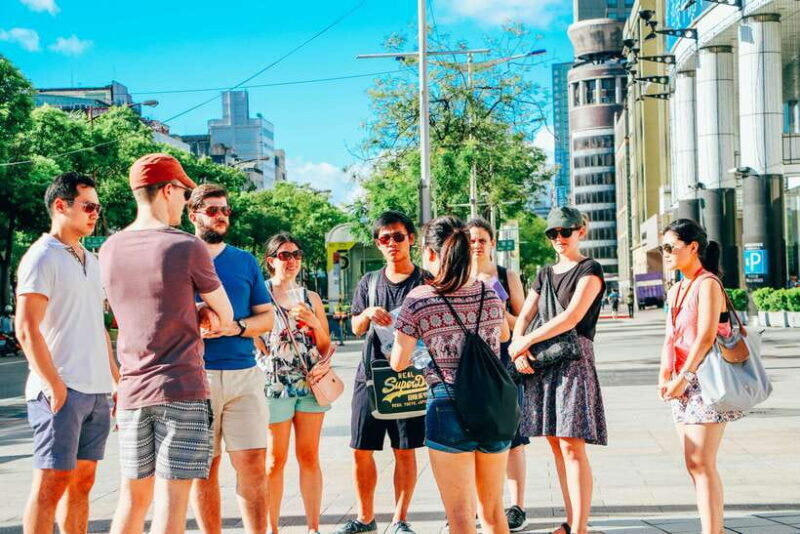
This tour is a compact way to connect several parts of Taipei’s past without spending the day in a museum. You walk between landmarks while your guide provides the context that can be hard to pick up from plaques alone.
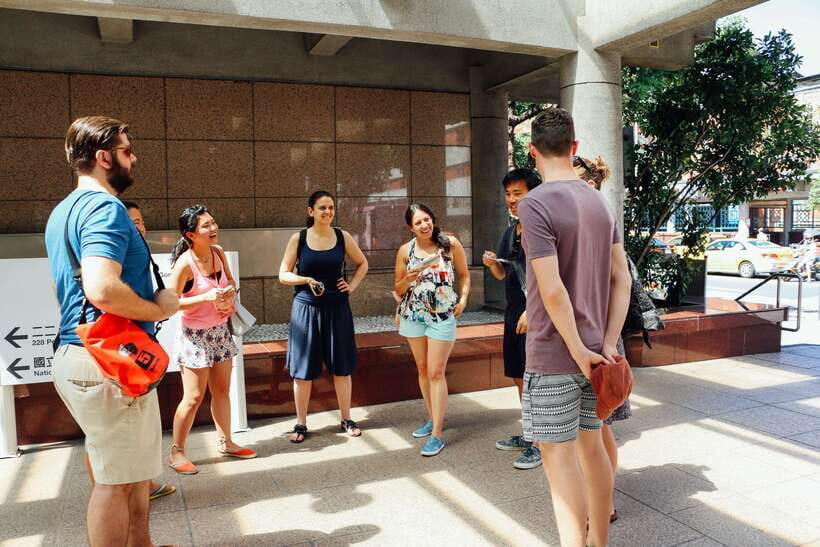
The route begins at NTU Hospital MRT Station, Exit 4, at street level. Look for a guide wearing a black badge. The listed duration is two and a half hours, with starting times shown when you check availability.
You’ll pass through a mix of civic sites, a market, and Ximending. That range is useful: instead of seeing a string of buildings that blur together, you get a sense of how the city’s public spaces, history, and everyday shopping districts sit alongside one another.
The experience is led in English and includes a guide and walking tour. A private group is available, and wheelchair accessibility is listed. Since the route is on foot and details about surfaces and access at each stop aren’t provided, check with the operator if you need specific accessibility information.
You can check availability for your dates here:The National Taiwan Museum sets the scene
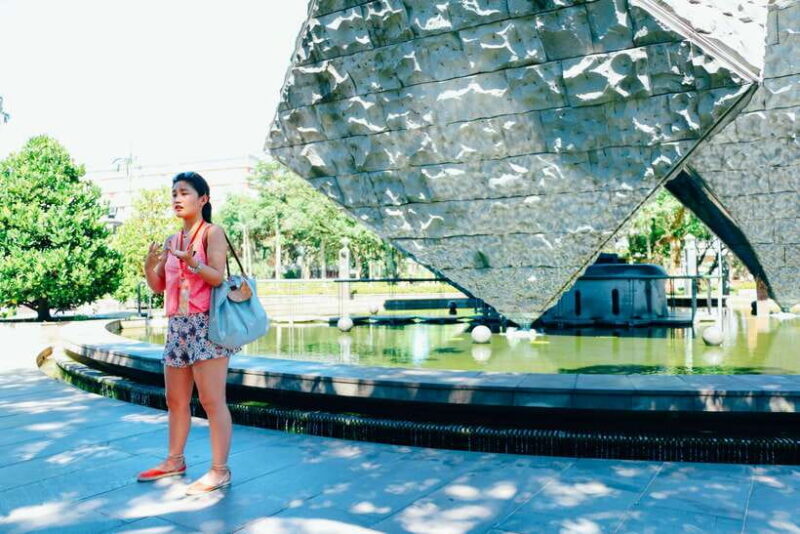
The first listed stop is the National Taiwan Museum, where you pause for a visit, a guided explanation, and a look around. Its place near the start gives the guide a natural way to introduce the city and the broader story of Taiwan before the route moves into more politically charged history.
The stop is described as a visit and photo opportunity, but there is no indication that admission or a full interior tour is included. Think of it as one part of a walking route, not a museum-focused outing. If you want to spend serious time inside, plan to return separately.
That distinction matters when you book. The value here is in the guide’s thread between sites, rather than in long visits at any one building. The museum stop offers a first landmark and a framework for what follows.
You can also read our reviews of more walking tours in Taipei City



At the 228 Peace Memorial, history becomes personal
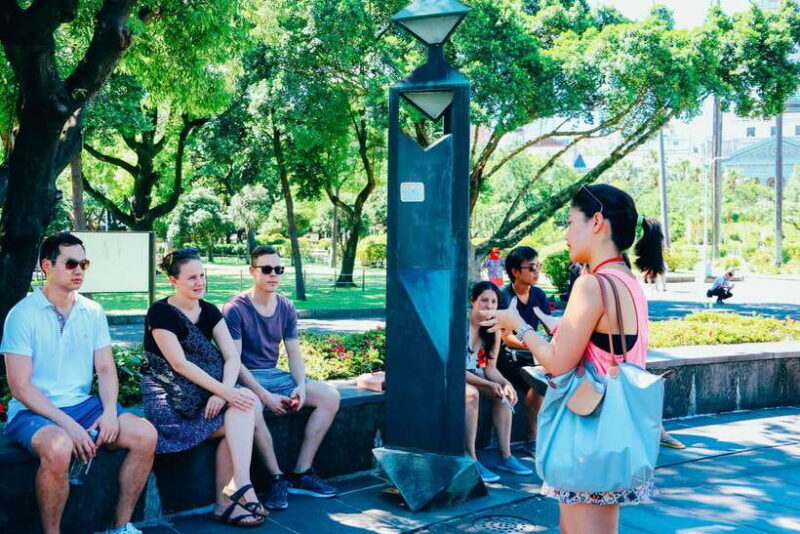
The tour continues to the 228 Peace Monument and the surrounding memorial park. Here, the guide explains the 228 tragedy, a major subject of the walk and one of the clearest reasons to choose this route over a simple orientation stroll.
This part can bring a more serious tone. The memorial gives the history a physical setting, and guides have been praised for explaining complex events in a way that is clear without flattening their emotional weight. Some visitors have found the stop moving, so give yourself room to listen and reflect.
I especially value that the tour does not treat history as a list of dates. The guides connect past events to Taiwan’s later development and to how people understand the country today. If you have questions, the tour’s strongest feature is the chance to ask them as you go.
The Presidential Office offers an architectural pause
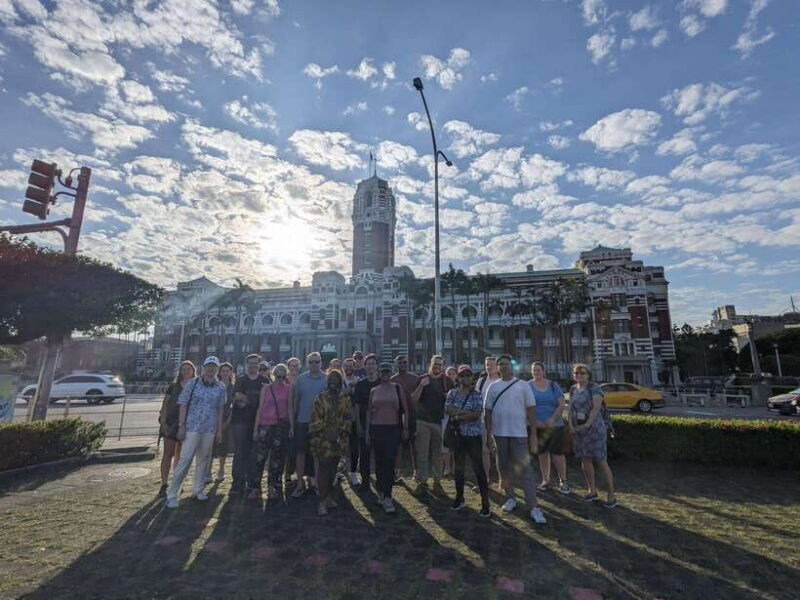
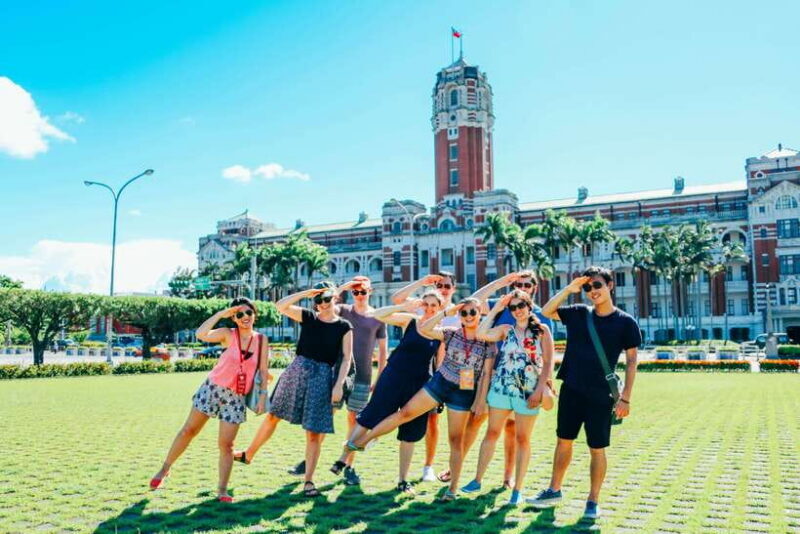
Next, you see the Presidential Office Building, a prominent civic landmark noted for its architecture. The stop is listed for sightseeing and photos, not as an interior visit, so expect to view the building from outside while your guide explains its place in the city.
After the memorial, this change in focus helps keep the walk from becoming a series of history lectures. You get time to look at the building itself, then hear how the route’s landmarks relate to Taiwan’s public life. The guide’s explanation is what turns a quick exterior stop into more than a photo break.
For architecture fans, this is a look rather than an in-depth study. The tour’s appeal is its combination of buildings and stories, not detailed architectural analysis at every stop.
Chengzhong Market brings the route back to daily life
The next stop is Chengzhong Market, where you see stalls selling souvenirs and other goods. It adds a more everyday note after the memorial and government building, giving you a chance to observe a market setting as part of the old-town walk.
The market stop is described as sightseeing and a photo opportunity. There’s no promise of a dedicated shopping break, so treat it as a brief look at the area rather than time to browse every stall. Still, its presence helps balance the route: Taipei’s history is not only in official buildings, but also in the places people use and visit.
A few guides have added a local drink stop, but that is not listed as a guaranteed part of the tour. If one is included on your departure, consider it a bonus rather than something to plan around.
More Great Tours NearbyZhongshan Hall recalls an earlier public role
At Zhongshan Hall, the guide points out a historic building that once served as a public auditorium. Its former use gives the stop a different character from the Presidential Office: instead of focusing on government, you’re looking at a place designed for public gatherings.
The tour includes a visit, guided explanation, and sightseeing, but does not specify entry. You’ll want to ask the guide what can be seen on the day rather than assume you’ll go inside. Even from the outside, the building helps make the route’s history tangible.
This is also a good point to ask how the landmarks fit together. Guides such as Leo and James have been praised for making the country’s past easier to follow, while Dorothy and Bessy have been noted for clear structure and thoughtful explanations. The exact guide varies, but conversation is a real part of the experience.




Ximending and the Red House end on a lighter note
The walk takes you into Ximending, a shopping district with markets and stalls selling souvenirs and other items. After the earlier stops, the shift to shops and street activity gives you a more contemporary view of Taipei. It also leaves you close to an area you may want to explore further on your own.
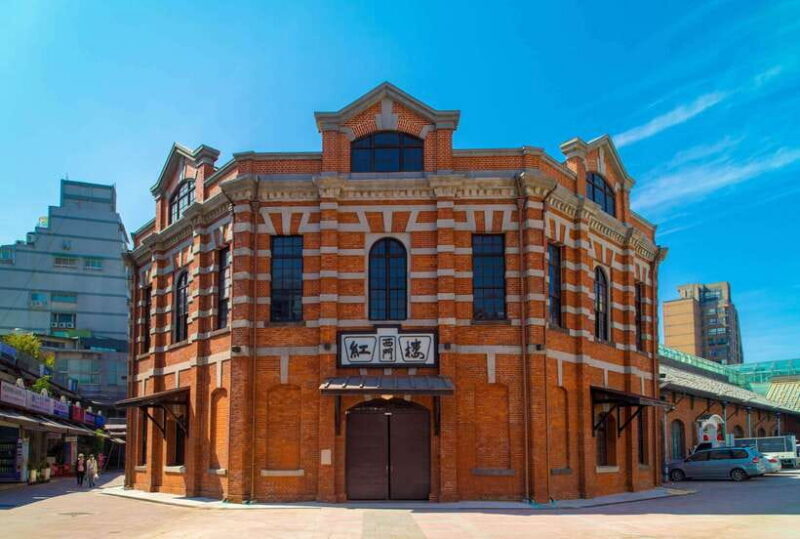
The route includes the Red House, an octagonal red-brick building in a Western style, described as the city’s first public market. Its unusual shape and former public role make it one of the walk’s most distinctive stops. The guide explains its background, and you’ll have time for sightseeing and photos.
Some guides are especially strong at using humor to keep a history walk lively. James, for example, has been praised for mixing historical explanation with comedy, while Leo is noted for energetic storytelling and useful suggestions for what to do next. Individual guide styles differ, but the tour’s strong overall rating of 4.8 out of 5 from 344 ratings suggests that visitors value the way the guides bring the subject to life.
The final location needs a little attention when planning. The activity details say the tour ends back at the meeting point, while the route names two drop-off locations, the Red House and Shi-men Ting. Check the exact arrangement for your date so you know where you’ll finish.
What the price and pace mean for you
The listed price is $1.10 per person, with a guide and walking tour included. At that price, the experience offers strong value if your goal is a guided introduction to Taipei’s history, rather than a ticketed attraction or a private, in-depth tour. Check the amount shown when booking in case the price or terms have changed.
Two and a half hours is enough time to cover several sites, but it also means you’ll keep moving. The format suits you if you enjoy walking and listening, and if you want to leave with a basic map of the city’s history in your head. It may not suit you if you prefer long stops, museum interiors, or a leisurely shopping session.
Past guide names include Leo, James, Dorothy, Bessy, Taile, Veronica, Melody, Josi, and Ale. The comments about them repeatedly point to clear explanations, friendly group interaction, good pacing, humor, and practical suggestions. You can’t assume a particular guide will lead your departure unless the booking details let you choose.
A few guides have also shared recommendations for food, other activities, and getting around by train. That can be handy at the start of a Taipei stay, especially if you arrive with questions. The tour is not a dedicated transport lesson, though, so think of those tips as a welcome extra.
The listed booking terms include free cancellation up to 24 hours in advance and a reserve-now, pay-later option. These features can help if your plans are still taking shape. Check the current terms at booking, and ask about the route’s ending point if you have a tight onward schedule.
Who should book the Taipei old-town walk?
I’d book this tour early in a Taipei visit if I wanted a broad, human introduction to Taiwan’s history and a sense of how the old-town sites fit together. It looks especially well suited to curious first-time visitors, people who enjoy asking questions, and anyone who finds a guide’s stories more useful than reading a row of signs.
It’s also a sensible choice if you want a short, low-cost activity that combines memorials, civic architecture, a market, and a shopping district. The emphasis is on explanation, not entering every building or spending long stretches at each stop.
Skip it if you want a private deep study of architecture, extended museum time, or guaranteed shopping time. For most visitors interested in context and a manageable walk, though, this is a practical way to begin understanding Taipei. Book it, check the end point, and bring comfortable shoes.
Taipei: Old Town Walking Tour
FAQ
How long is the Taipei Old Town Walking Tour?
The tour lasts about 2.5 hours. Starting times depend on availability.
Where does the tour start?
Meet at street level outside NTU Hospital MRT Station, Exit 4. Look for a guide wearing a black badge.
Where does the tour end?
The activity details say it ends back at the meeting point, while the route also lists the Red House and Shi-men Ting as drop-off locations. Confirm the ending point for your departure.
What language is the tour in?
The live tour guide speaks English.
Which places does the walk visit?
Stops include the National Taiwan Museum, 228 Peace Monument, Presidential Office Building, Chengzhong Market, Zhongshan Hall, the Red House, and Ximending.
Is the tour wheelchair accessible?
Wheelchair accessibility is listed. Ask the operator about access details for the route and individual stops if you need more information.
Is a private group available?
Yes. Private groups are available.
Can I cancel the tour?
The listed terms allow free cancellation up to 24 hours in advance for a full refund. Check the current terms when booking.
Can I reserve now and pay later?
Yes. A reserve-now, pay-later option is listed, so you can book without paying immediately.
You can check availability for your dates here: