
Santiago’s old center makes most sense on foot, where government buildings, grand civic squares and leafy neighborhoods sit within a three-hour route. This tour starts at Palacio de La Moneda and ends in Bellavista, giving you a quick, useful first map of the city.
I like two things in particular: the route links major historic sights with distinct neighborhoods, and the small group limit of 10 leaves room for questions. The guide often named by visitors is Eugenio, also called Eugene, whose stories connect the buildings to Chilean history and daily life.
One consideration: this is a brisk walk through several neighborhoods, not an in-depth visit to every museum or landmark. Santa Lucía Hill is free to enter Tuesday through Sunday, but lunch, entry to Pablo Neruda’s house and access to San Cristóbal Hill are not included.
At a glance
- Three hours on foot: Cover central landmarks and several neighboring districts in one outing.
- A small group: The tour is limited to 10 people, a useful size for hearing the guide and asking questions.
- A broad route: See La Moneda, Plaza de Armas, Bellas Artes, Santa Lucía Hill, Lastarria, Forest Park and Bellavista.
- A guide in three languages: Tours are offered in English, Spanish and Portuguese.
- A practical finish: The walk ends at Patio Bellavista, close to places to eat and continue exploring.
- At a glance
- From La Moneda into Santiago’s civic center
- Plaza de Armas and the Cathedral
- Bellas Artes, Santa Lucía Hill and Lastarria
- Finishing in Bellavista
- What the guide adds to the walk
- Is three hours enough, and is good value?
- Who should book this walk?
- FAQ
- How long is the walking tour?
- Where does the tour start and end?
- What languages are available?
- How large is the group?
- Is Santa Lucía Hill free to enter?
- What is not included?
- More Tours in Santiago Chile
- More Tour Reviews in Santiago Chile
- Not for you? Here's more nearby things to do in Santiago Chile we have reviewed
From La Moneda into Santiago’s civic center
 1 / 7
 2 / 7
 3 / 7
 4 / 7
 5 / 7
 6 / 7
 7 / 7
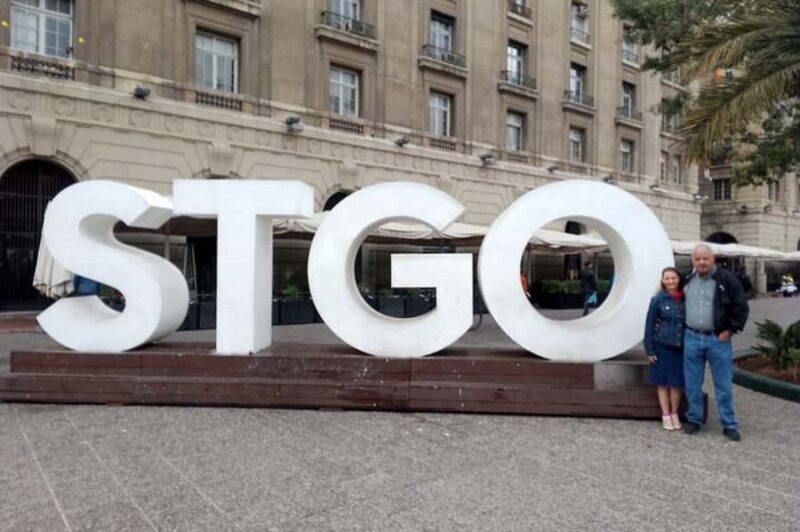
The walk begins at Palacio de La Moneda, Chile’s presidential palace and one of the city’s most recognizable landmarks. Starting here gives the route a clear anchor: you are stepping into the political heart of Santiago before moving through its older commercial and civic streets.
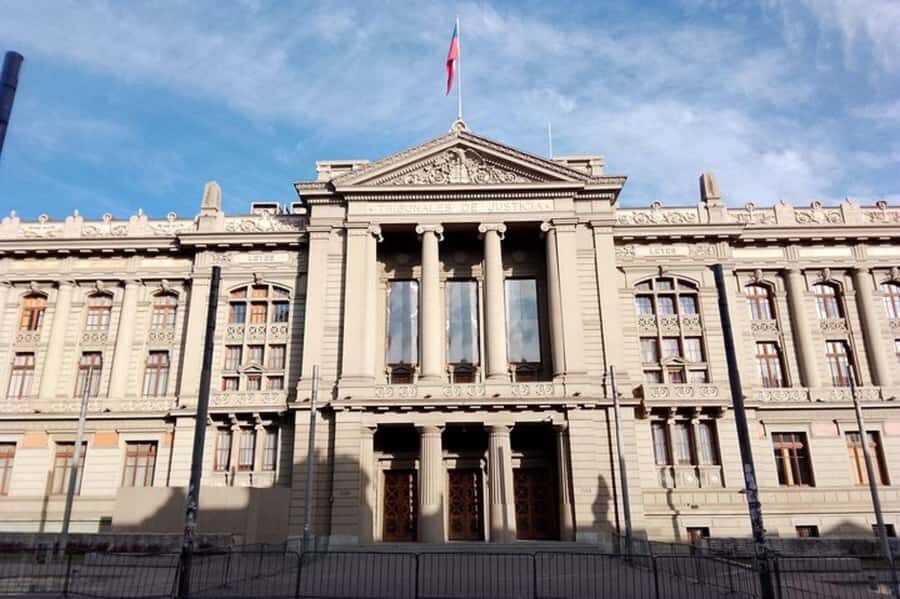
From there, the itinerary takes in the Stock Exchange Building, Bandera Avenue and the Court of Justice. These stops make the center feel less like a string of façades and more like a working city, with financial, legal and government institutions close together. A guide can add context that is easy to miss when you are simply walking past.
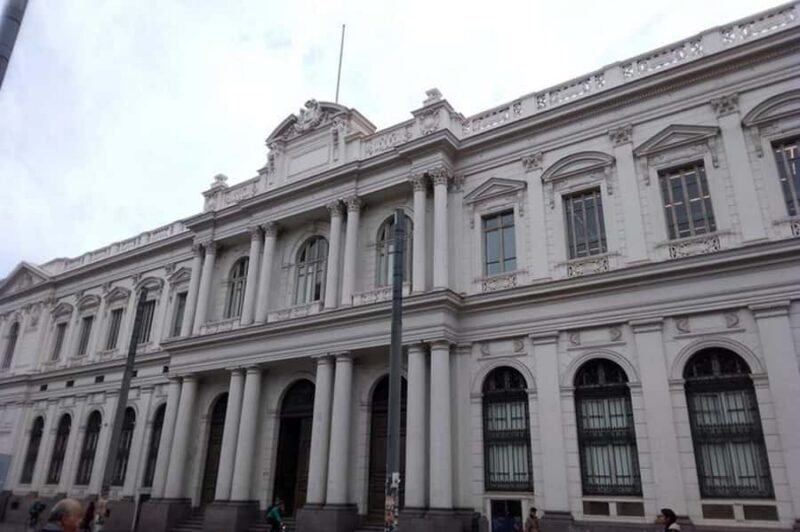
The route also includes the former National Congress. With several official buildings in quick succession, this opening stretch is especially useful if you want a basic understanding of Santiago’s civic center. It is not designed as a long architectural study, though. If you want to go inside a particular building, check separately rather than assuming the tour includes admission.
Bandera Avenue and the surrounding streets offer a change of pace from the formal scale of the government buildings. The walk helps you get your bearings and notice how the city’s central districts fit together. Reviews of the tour repeatedly praise the guide’s ability to link each stop with Chilean history, politics and culture, rather than just naming what is in front of you.
You can also read our reviews of more tours and experiences in Santiago Chile.

Plaza de Armas and the Cathedral
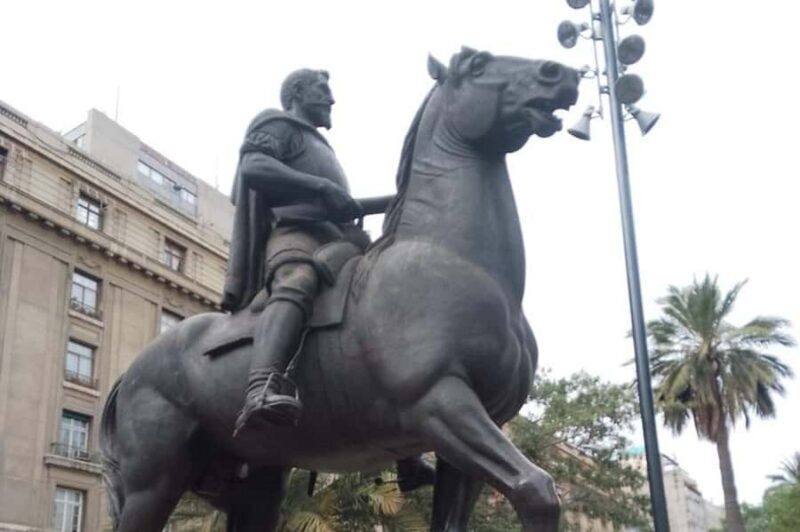
Plaza de Armas is the historic center’s natural gathering point. The tour pauses here to take in the square and the grand Cathedral of Santiago, which dates to 1748. The cathedral’s age and scale make it one of the route’s key sights, and the square gives you a moment to take in the city’s public life as well as its architecture.
The route also passes Santiago City Hall. Together, the cathedral, city hall and surrounding civic buildings give the square a layered feel: religious, municipal and everyday life meet in one place. This is a good point to ask questions, especially if you want help distinguishing the city’s colonial-era story from its more recent political history.
Do not plan on a lengthy interior visit based on the three-hour schedule. The tour is a walking overview, and admission to individual sites is not listed as included. If a cathedral or museum visit matters to you, treat this walk as a way to decide what you want to explore on your own afterward.
Bellas Artes, Santa Lucía Hill and Lastarria
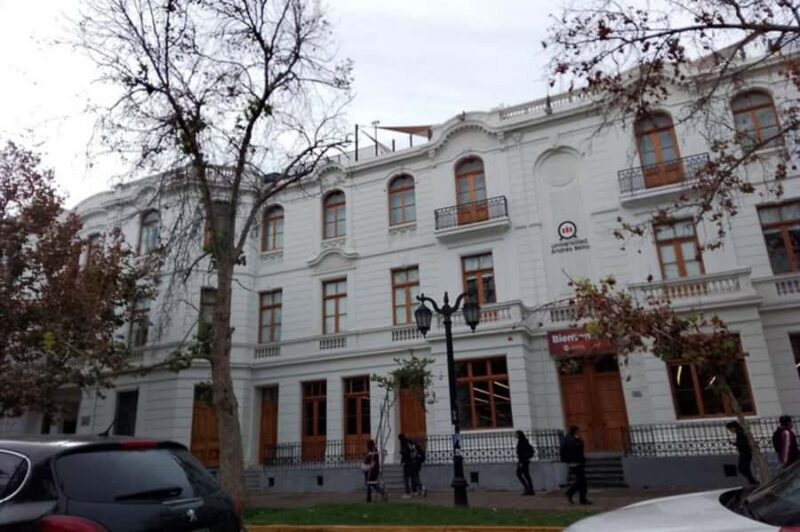
After the central square, the route heads toward the Bellas Artes neighborhood and the Bellas Artes Museum. This part of the walk shifts from official Santiago to an area known for its artistic character. It is a useful contrast: you see how the city’s historic core gives way to a neighborhood with a different feel and focus.
The museum is part of the area’s appeal, but the tour information does not promise an admission visit. Think of this stop as an introduction to the neighborhood and its cultural setting. If you want time inside the museum, check its opening arrangements and set aside extra time after the tour.
Santa Lucía Hill is one of the most rewarding pauses on the route. The hill offers panoramic views over the city, a welcome change from street-level buildings and squares. The entrance is free Tuesday through Sunday, so the day of your tour matters if you are counting on going up. The experience also depends on weather, and a cloudy or rainy day can reduce the value of the view.
The climb makes comfortable shoes important. This is a walking tour with several neighborhoods and a hill, not a short stroll around one plaza. The route’s pace is often described as manageable, but the guide needs to keep the group moving to cover the ground in three hours.
From the hill, the walk continues through Lastarria and Forest Park. Lastarria adds another neighborhood contrast, while Forest Park offers a calmer, greener stretch between the hill and the later stop in Bellavista. These transitions are part of what makes the route more useful than a tour that only links monuments: you get a sense of how Santiago changes from district to district.
Finishing in Bellavista
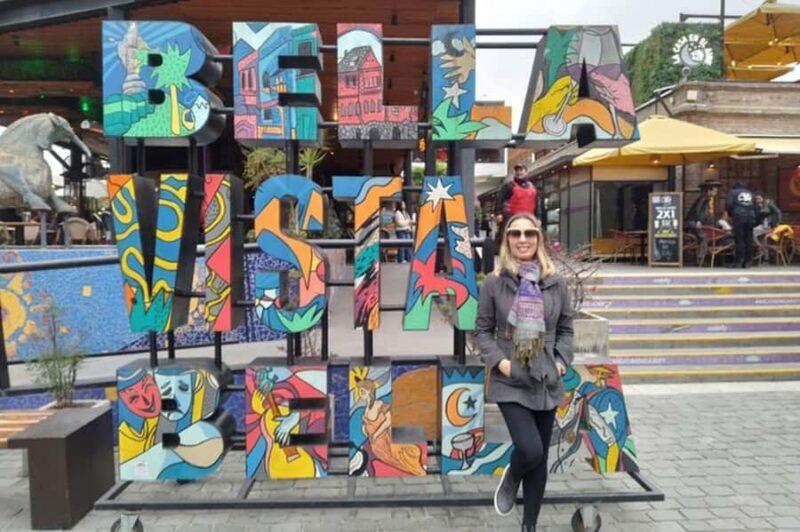
The tour ends in Bellavista, a lively neighborhood associated with food and nightlife, at Patio Bellavista. That is a practical finish. You can stay for a meal, look around, or use the stop as a base for continuing your day. Lunch is not included, so budget separately if you plan to eat there.
Pablo Neruda’s house and San Cristóbal Hill are not included. Both are separate visits, so do not mistake the Bellavista finish for a visit to the poet’s home or an ascent of the larger hill. If either is high on your list, ask the guide for suggestions and plan additional time.
The end point also makes this a good first-day activity. You finish with a clearer sense of the central districts and a shortlist of places you may want to revisit. Some people use the guide’s local suggestions for museums and restaurants to shape the rest of their stay.
What the guide adds to the walk
The guide is the main reason to choose this tour over a self-guided route. The stops are easy enough to locate on a map, but the historical links and local context can be harder to piece together while walking alone. Visitors frequently name Eugenio, or Eugene, as a friendly and engaging guide who answers questions and connects architecture, politics, history and Chilean culture.
That context seems especially useful for a first visit. The tour covers many periods and themes in a short time, and the guide can help you decide which stories or places deserve a closer look later. Several people also appreciate practical help, including suggestions for other sights and places to eat. One account describes the guide helping arrange an Uber back to a hotel, but treat that as a kind gesture, not a promised service.
The guide may speak to a mixed-language group, with English, Spanish and Portuguese offered. Some people have appreciated the effort to keep speakers of different languages included. If you need a slower pace of spoken English to process details, keep in mind that the route covers a lot of ground and the guide may pack in plenty of information. You can ask questions or request clarification as you go.
The group limit of 10 is a real advantage for a city walk. A smaller group is easier to gather around a building or in a shaded spot, and it gives you more chance to be heard. This matters on a hot day, when stopping in the shade can make the explanations easier to follow. Bottled water is included, though bringing your own water is sensible in warm weather.
Is three hours enough, and is $25 good value?
At $25 per person, this is a strong-value introduction if you want a guide to connect several central sights in one outing. You are paying for three hours of walking, a live guide and bottled water, with a small-group cap. The value is less about entering attractions and more about understanding what you are seeing and locating places to return to.
Three hours is enough for a broad overview, not a deep visit to every stop. The route moves from La Moneda through the central landmarks, then outward to Bellas Artes, Santa Lucía Hill, Lastarria, Forest Park and Bellavista. Expect to see a lot from the outside and at street level, with time for explanations and questions, rather than long indoor visits.
That balance suits visitors with limited time, including people on a short stay or layover. It also works well early in a trip: you get a mental map and can use the rest of your visit to focus on a museum, neighborhood or landmark that caught your interest. If you already know Santiago well, or prefer to spend a long time inside each site, the route may feel too broad.
The tour requires good weather. If poor weather cancels it, you are offered another date or a full refund. It also requires a minimum number of participants; if that minimum is not met, you are offered a different date or experience, or a full refund. Free cancellation is available up to 24 hours in advance, and you can reserve without paying immediately.
Who should book this walk?
I would choose this tour if it is your first time in Santiago, you have only a few hours, or you want a guide to put the city’s historic center in context. The mix of government buildings, the cathedral, hilltop views and several neighborhoods gives you a broad introduction without using an entire day.
It is also a good fit if you enjoy asking questions and learning through stories as you walk. The small group and multilingual guide option make that more comfortable than following a large crowd. If you are interested in Chile’s history and politics as well as its architecture, this route gives you a useful starting point.
Think twice if you need a slow, low-effort outing. The route includes a hill and several districts, and the tour is not recommended for pregnant people or anyone with heart problems or other serious medical conditions. It is also not suitable for children under four. If you want lunch, a museum visit or Neruda’s house included, you will need to arrange those separately.
Santiago: Guided Walking Tour of the Historical Old Town
FAQ
How long is the walking tour?
The tour lasts three hours. It covers central landmarks and neighborhoods on foot.
Where does the tour start and end?
It starts at Palacio de La Moneda and ends at Patio Bellavista.
What languages are available?
The live guide is offered in English, Spanish and Portuguese.
How large is the group?
The tour is limited to 10 participants.
Is Santa Lucía Hill free to enter?
Yes. Entrance is free Tuesday through Sunday. The tour also requires good weather, so conditions may affect the experience.
What is not included?
Lunch, entry to Pablo Neruda’s house and access to San Cristóbal Hill are not included. The tour information does not list admission to the Bellas Artes Museum or other buildings as included.
You can check availability for your dates here: