Durrës makes an easy day out from Tirana: you get a guided walk among Roman and Venetian landmarks, then a long pause beside the Adriatic. The Roman amphitheatre gives the morning a real historical anchor, while the beach stop turns the afternoon into a holiday rather than another museum march.
I like two things in particular: the guides, including Ramo and Bledi, bring history to life with clear explanations and a good sense of humor; and the schedule leaves room to choose your own lunch, swim or simply rest. The main trade-off is that Durrës’s city beach can be busy and less pristine than beaches farther south, and the historic stops are brief.
- The amphitheatre is the star: See one of the largest Roman amphitheatres in the Balkans on a guided visit.
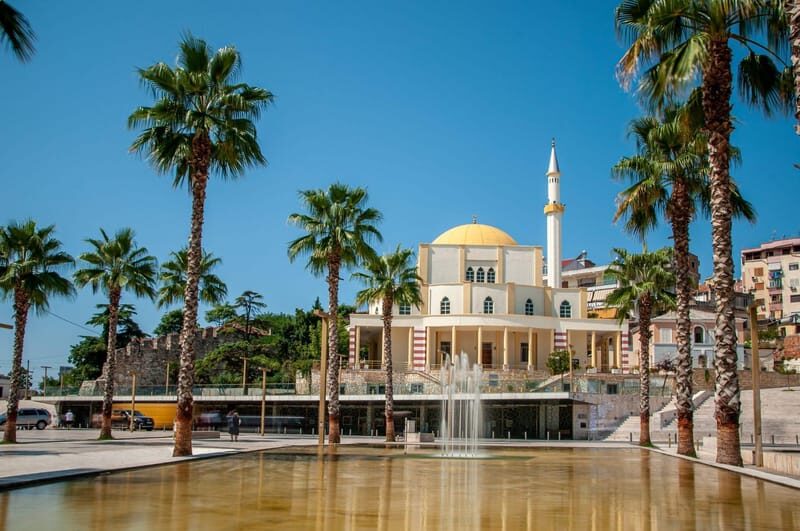
- The walk covers several eras: The old center brings together Roman remains, Venetian fortifications and the Great Mosque.
- The afternoon is yours: Plan on roughly three hours at the beach for swimming, lunch or a slow walk along the shore.
- Pickup keeps the day simple: Hotel pickup and drop-off in Tirana are included, along with air-conditioned transport.
- Bring cash and beach gear: Entry tickets, meals, sunbeds and umbrellas are extra.
- A history walk before the seaside hours
- Venetian Tower and the old fortifications
- The Roman amphitheatre, close but brief
- The Great Mosque and a walk through central Durrës
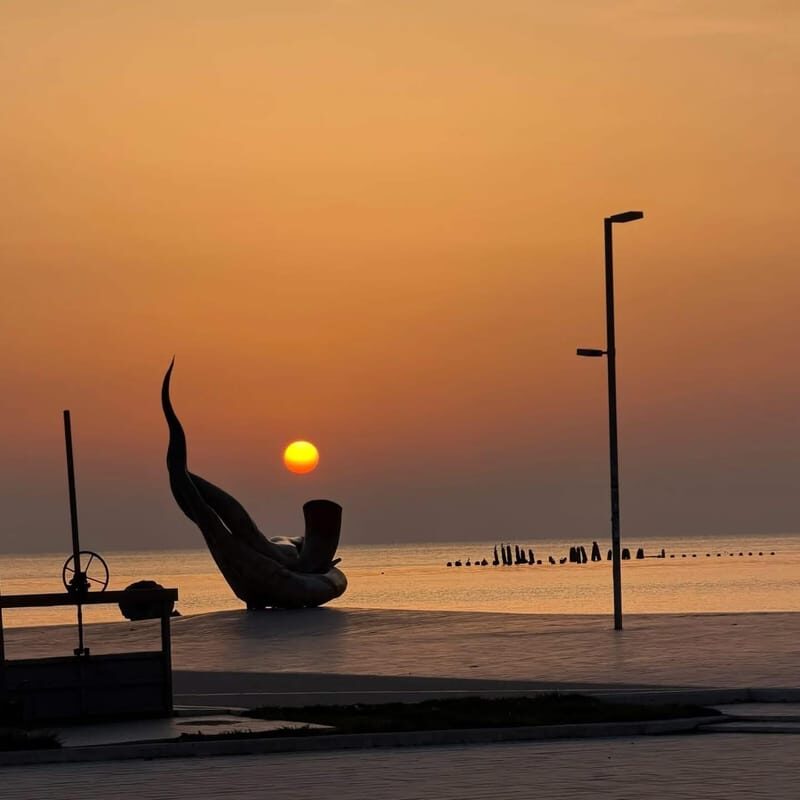
- Vollga Promenade and the Adriatic outlook
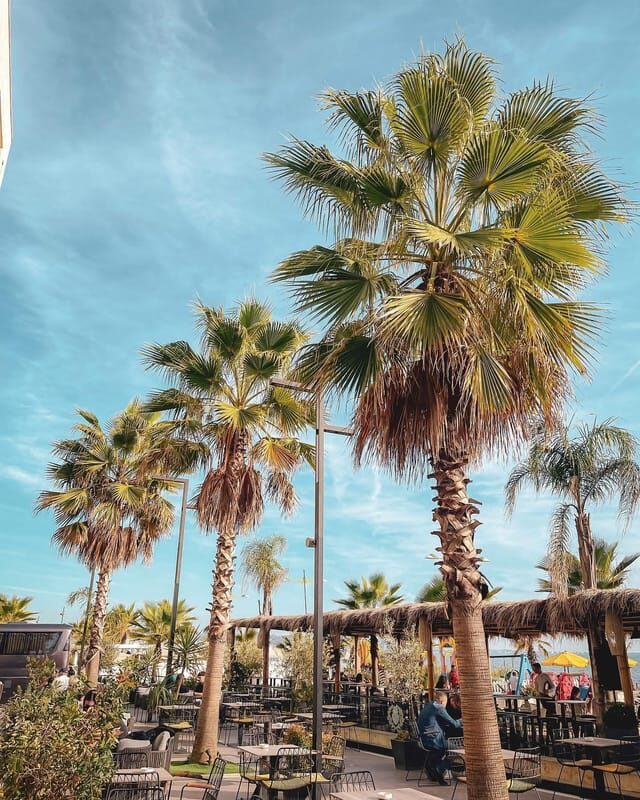
- Three hours to swim, eat or do very little
- What the price covers
- Who will get the most from this day
- Should you book the Durrës day trip?
- FAQ
- How long is the Durrës tour?
- Is pickup from Tirana included?
- What language does the guide speak?
- How much time is set aside for the beach?
- Are attraction tickets included in the price?
- Are lunch, drinks and sunbeds included?
- What should I bring?
- More Tours in Durres
- More Tour Reviews in Durres
- Not for you? Here's more nearby things to do in Durres we have reviewed
A history walk before the seaside hours
 1 / 8
 2 / 8
 3 / 8
 4 / 8
 5 / 8
 6 / 8
 7 / 8
 8 / 8
This eight-hour outing is built around a useful contrast. You leave Tirana for Durrës, one of Albania’s oldest cities and an important ancient Adriatic port, spend the first part of the day seeing its central landmarks, then trade stone streets for sand and sea.
That balance is the tour’s strongest idea. Durrës has enough visible history to make the trip worthwhile, but the guided portion is not so long that it takes over the whole day. You get context from an English-speaking guide, then free time to follow your own pace.
Guides named by people who have taken the trip include Ramo, Bledi and Edi. Their style is part of the appeal: the best fit for this tour is a guide who can explain the history during short walks and the drive, answer questions, and keep the mood easy. Several visitors describe Ramo and Bledi as both informative and funny, a combination that helps the historical stops feel approachable rather than like a school lesson.
The arrangement also makes sense if you are based in Tirana and want a coastal day without organizing transport yourself. Pickup and drop-off at your hotel are included, though you should check the exact pickup details when you book. The vehicle is air-conditioned, an important comfort on a warm day and on the road between the two cities.
Venetian Tower and the old fortifications
The first listed stop is the Venetian Tower of Durrës, with about 15 minutes for a guided visit, photos and a short walk. It is a quick introduction to the city’s medieval defenses and a good place to start noticing how different periods sit close together in the center.
The tour also includes time around the city walls and other traces of the old fortifications. These are not long, independent explorations: expect a compact guided walk, some explanation and a little time to look around or take photos. That format works well if you want an overview, but it will feel too brief if your main interest is detailed archaeology or a slow study of every site.
The schedule lists the Venetian Tower again later, this time for around 20 minutes of sightseeing and walking with scenic views along the way. The information does not explain exactly how the two tower visits differ, so treat the historic-center portion as a short sequence of stops rather than assuming two entirely separate monuments. Your guide can help make the route clear on the day.
You can also read our reviews of more tours and experiences in Durres.
The Roman amphitheatre, close but brief
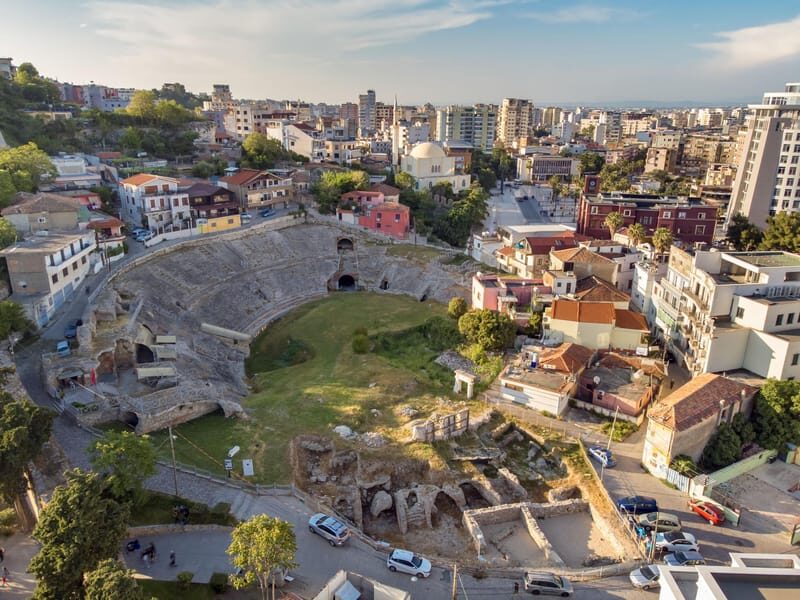
The Durrës Amphitheatre is the most compelling historical stop. It is one of the largest in the Balkans and was once used for gladiatorial games, making it an unusually direct link to the Roman city that stood here. The listed visit lasts about 15 minutes, including a guided look and time for photos.
That is enough to take in the scale and hear the basic story, but not enough for an extended archaeological visit. If you are fascinated by Roman sites, you may want to ask your guide what you are seeing and allow yourself to look carefully during the stop. The tour includes the visit, but entrance tickets are not included, so budget separately for any admission required.
The amphitheatre is also a reminder that Durrës is more than a beach town. The day gives you a concise introduction to its long role as a port and to the Roman, Byzantine and Venetian influences that shaped the city. You will get a broad outline, not a specialist lecture, which is a fair trade for the beach time that follows.
The Great Mosque and a walk through central Durrës
The Great Mosque is another short stop, with around 15 minutes for a visit, guided explanation and photos. It adds a different chapter to the city walk and helps show how much history is packed into a relatively small central area.
The tour’s highlights also name the Royal Villa and city walls. However, the timed stop list does not give the villa its own visit, so do not book expecting a dedicated interior tour or a long stop there. The guide may include nearby points in the walking route or discuss them as part of the city overview, but the clearest emphasis is on the amphitheatre, tower and central landmarks.
Comfortable shoes are useful. The walks are short, but historic streets and uneven surfaces call for more than beach sandals. The route is not suitable for wheelchair users, so anyone with mobility needs should check carefully before booking.
Vollga Promenade and the Adriatic outlook
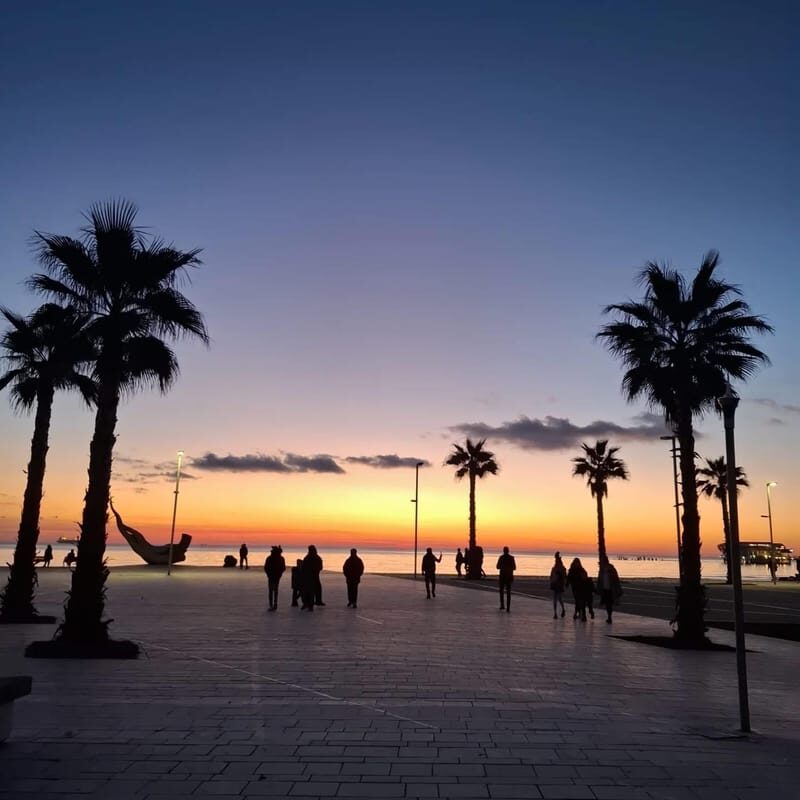
A roughly 20-minute stop at Vollga Promenade adds a change of pace before the beach. You can walk, take photos and enjoy views toward the coast, with the guide pointing out places along the way. It is a scenic pause, not a long promenade outing.
The promenade also gives you a practical look at the eating and coffee options near the seafront. Guides have recommended restaurants, and the beach area has many bars and places to eat, so you can choose lunch independently instead of being tied to a group meal. Food and drinks are not included, which gives you freedom but means you should keep some spending money handy.
More Great Tours NearbyThree hours to swim, eat or do very little
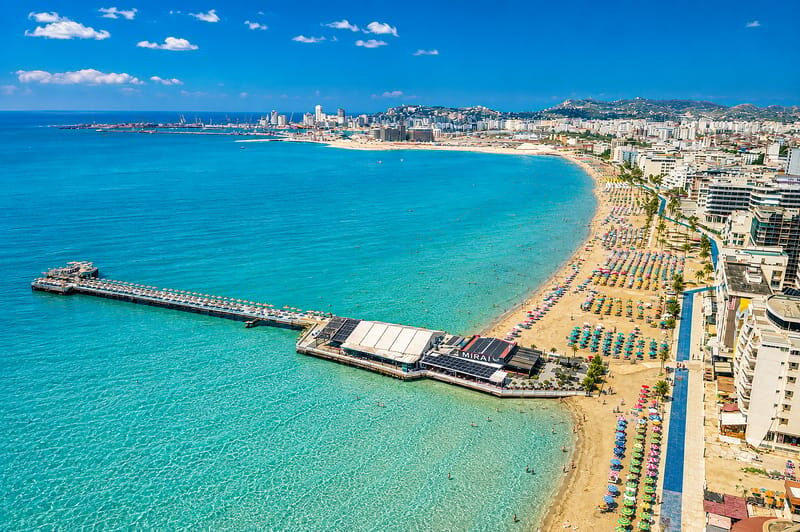
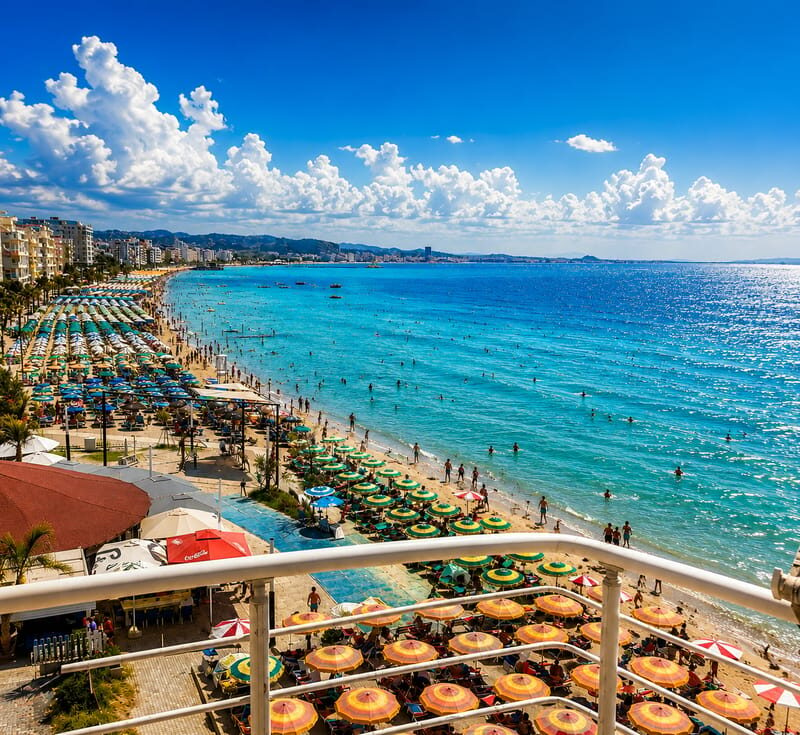
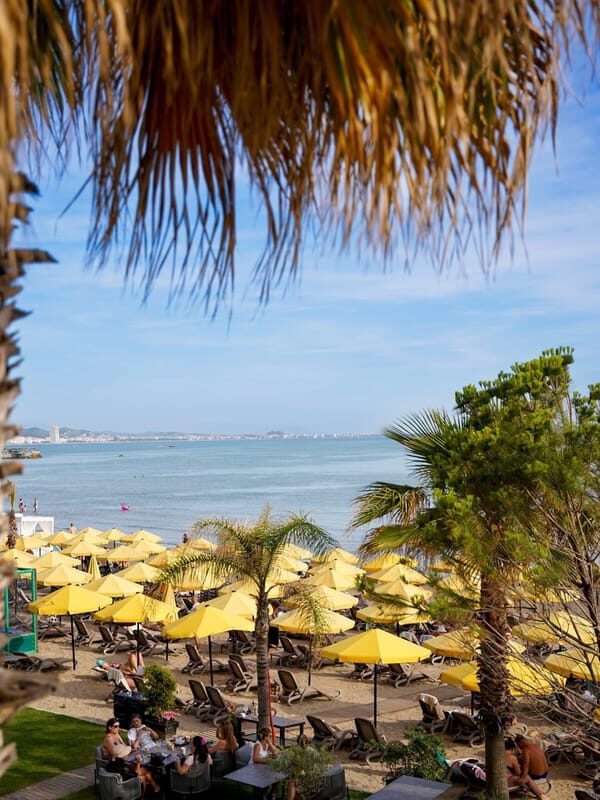
The main pause is at the Beach of Durrës, where you have about three hours for free time. Depending on the day and group schedule, some people have had closer to three and a half or four hours. Use that time for a swim, lunch, a walk along the shore or a stretch in the sun.
This is a relaxed beach break, not a guided watersports outing. The tour does not include sunbeds or umbrellas, so bring cash if you want to rent beach services. Pack swimwear and a towel if you plan to get in the water, plus sunscreen, sunglasses and a hat. The beach is an urban stretch and can be crowded; one visitor also found it littered. Keep expectations in proportion: this is a convenient seaside stop attached to a history day, not a secluded beach escape.
There are restaurants and bars along the promenade, and you can decide where to eat for yourself. That flexibility is welcome, especially if you want a long lunch or a simple coffee and snack. Food and drinks are at your own expense, and cash is a sensible backup for lunch, beach services or other personal costs.

What the $20 price covers
At $20 per person, the price is appealing for a full day that includes Tirana hotel pickup and drop-off, an air-conditioned vehicle, an English-speaking guide, a guided visit around Durrës and beach time. The value lies less in the number of monuments than in having transport and local context arranged, while still keeping much of the afternoon open.
The extra costs matter. Attraction entrance tickets, lunch, drinks, sunbeds, umbrellas and personal expenses are excluded. If you plan to swim and eat by the sea, bring enough for those choices rather than treating the advertised price as the whole day’s spend.
Transport has been a consistent strength, with people describing it as comfortable, efficient and well air-conditioned. Some groups have been small, including a three-person group and a group of ten, but group size can vary. One person sitting at the back found it hard to hear the guide, so if you have a choice of seat, sitting closer may help you catch the explanations.
The pace is another point in the tour’s favor. It avoids filling every minute with driving or commentary, and it leaves time to explore at your own speed. Still, the historic stops are short, and at least one person felt rushed. If you prefer lengthy site visits, this itinerary may feel too brisk; if you want a pleasant overview before the beach, the timing is likely to suit you.
Who will get the most from this day
I would choose this trip if I wanted an easy introduction to Durrës without renting a car or planning a separate beach day. It suits first-time visitors to Albania, couples, friends and families who are happy with a mix of short guided walks and independent downtime. It is especially handy if you have limited days in Tirana and want to fit in both city history and the coast.
It is less suitable if you want an in-depth archaeological tour, a quiet beach or a full day devoted to swimming. The city and beach are close to one another, and the trade-off is convenience: you get a taste of both, not the slow pace or remote setting of a dedicated seaside holiday.
For a warmer-month visit, take beachwear, a towel, sunscreen, a hat and sunglasses. Wear shoes that can handle uneven historic surfaces, and carry cash for lunch, entry fees and beach services. Smoking, food and alcoholic drinks are not allowed in the vehicle.
You can cancel up to 24 hours in advance for a full refund, and the reserve-now, pay-later option keeps payment flexible. Check the available start times and pickup details before choosing your date.
Should you book the Durrës day trip?
Book it if you want a low-cost, straightforward day from Tirana that combines Roman and medieval sights with several hours beside the sea. The engaging guides, comfortable transport and generous beach break are the strongest reasons to go.
Skip it if your priority is an extensive archaeological visit or a quiet, unspoiled beach. For most people looking for an easy first look at Durrës, though, the short history walk and long afternoon pause make a sensible, good-value pairing.
Ancient Durrës, Roman Amphitheatre & Sandy Adriatic Beach
FAQ
How long is the Durrës tour?
The tour lasts eight hours, including travel from Tirana, the guided city stops, beach free time and the return journey.
Is pickup from Tirana included?
Yes. Hotel pickup and drop-off in Tirana are included. Check the available pickup details when booking.
What language does the guide speak?
The live tour guide speaks English.
How much time is set aside for the beach?
The beach stop is listed as about three hours. The exact amount can vary with the day’s schedule.
Are attraction tickets included in the price?
No. Entrance tickets are not included.
Are lunch, drinks and sunbeds included?
No. Food, drinks, sunbeds and umbrellas are extra. Bring cash for lunch and beach services.
What should I bring?
Bring comfortable shoes, sunglasses, a sun hat, sunscreen and cash. If you plan to swim, bring beachwear and a towel.
You can check availability for your dates here: