La Paz makes more sense once you hear the stories behind what you see: the hats, masked shoe shiners, street zebras, political upheavals, and offerings at the Witches’ Market. This 150-minute walk with an English-speaking local guide connects those everyday details to the city’s past and present.
I like two things in particular: the guide explains local customs rather than just naming buildings, and the route brings you to Plaza Murillo and the Witches’ Market, two very different windows onto La Paz. Guides such as Denise, Max, Daniel, and Rem have led tours, with a lively, story-first approach.
One consideration: this is a walking tour at high altitude, and La Paz has hills. The route is described as being kept as flat and unhurried as possible, but it is not suitable for wheelchair users or people with mobility impairments.
- What to know before you go
- A short walk that gives La Paz context
- Finding the guide in Plaza San Pedro
- Street life, customs, and the questions you might not ask
- The Witches’ Market and Andean beliefs
- Plaza Murillo’s monuments and civic center
- Pace, hills, and preparing for altitude
- Is the price good value?
- Who should book this walk?
- FAQ
- How long is the La Paz Half-Day Walking Tour?
- What language is the tour conducted in?
- Where is the meeting point?
- What sights does the tour include?
- What should I bring?
- Is the tour suitable for wheelchair users?
- The Best Of La Paz!
- More Walking Tours in La Paz
- More Tours in La Paz
- More Tour Reviews in La Paz
- Not for you? Here's more nearby things to do in La Paz we have reviewed
What to know before you go
 1 / 6
 2 / 6
 3 / 6
 4 / 6
 5 / 6
 6 / 6
- The stories are the main event: Expect explanations of hats, masked shoe shiners, zebras on the streets, and La Paz’s political history.
- Plaza Murillo puts civic landmarks in one place: See the Presidential Palace, National Congress, Cathedral, and other monuments.
- The Witches’ Market comes with cultural context: Your guide explains Andean beliefs and the curiosities sold there, including lotions and talismans.
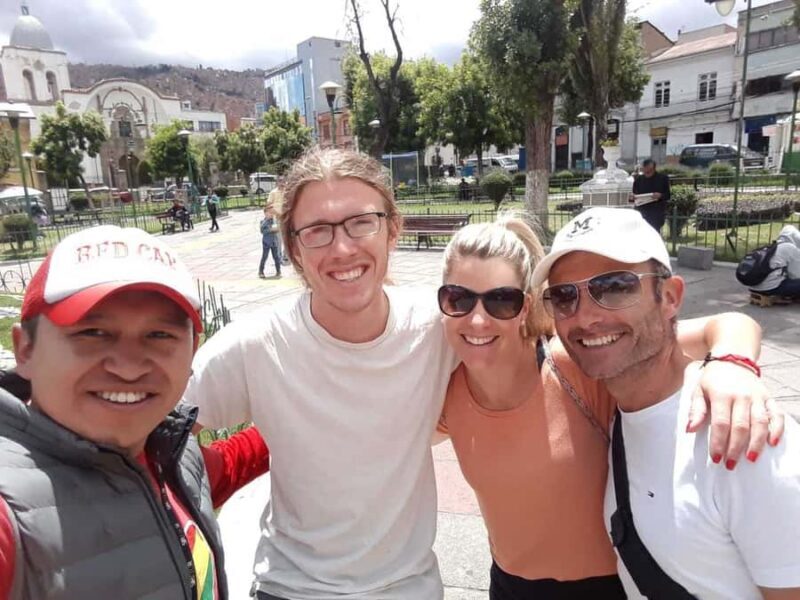
- The meeting point is central: Find the guide in Plaza San Pedro, also called Plaza Sucre, near the statue. Look for a red cap and an I heart La Paz T-shirt.
- The price is unusually low: The listed cost is $3 per person. Carry cash, and consider a tip if you feel the guide earned one.
- Plan for the altitude and weather: Wear comfortable shoes, bring sun protection and rain gear, and take the walk at a pace that suits you.

👉 See our pick of the 14 Best Whale Watching Experiences In La Paz
A short walk that gives La Paz context
La Paz can be a puzzling city on a first visit. A striking building or busy square may catch your eye, but without local context, the details can be hard to read. This tour offers a practical introduction: instead of only pointing out sights, the guide explains customs, beliefs, and political events that help make the city legible.
The experience lasts about two to two and a half hours, with a stated duration of 150 minutes. That is long enough for a useful overview, but short enough to fit into a first day or a compact stay. I’d take it early in your visit, then use what you learn to explore the central area on your own.
The advertised price is $3 per person, which makes the tour an easy value if you want a local guide without committing to a costly private outing. Keep in mind that this low price does not include meals or drinks. One participant specifically noted that a tip felt appropriate; tipping is not listed as required, but you may want to bring some cash if you’d like to thank your guide.
You can also read our reviews of more walking tours in La Paz

Finding the guide in Plaza San Pedro
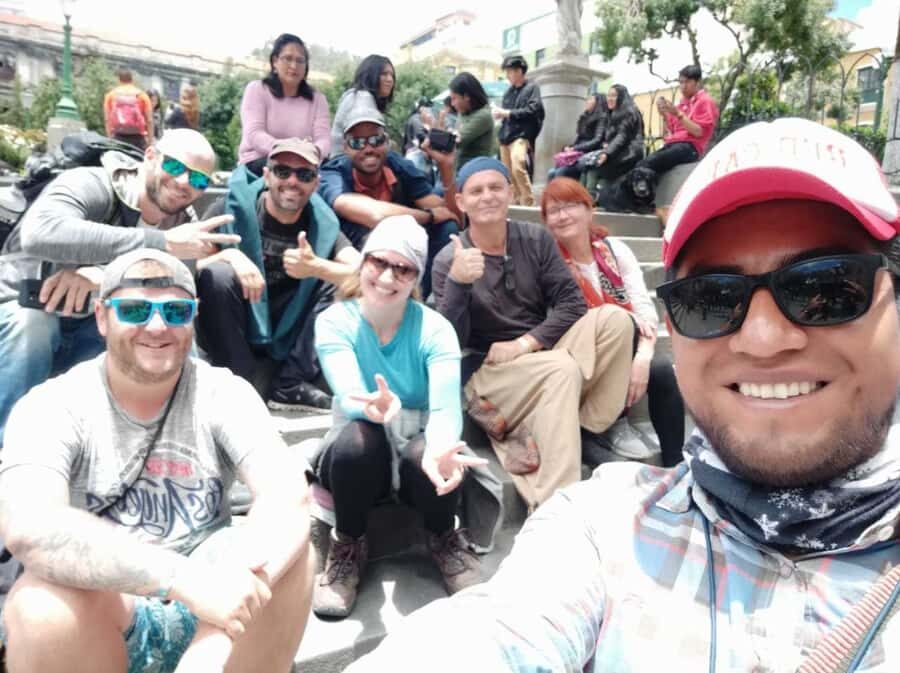
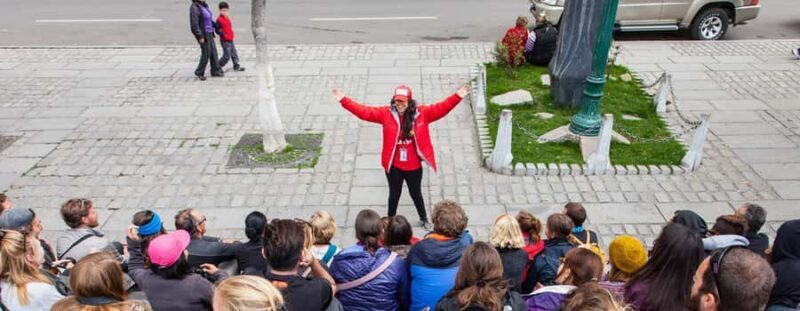
The meeting point is the center of Plaza San Pedro, also known as Plaza Sucre, near the statue on Cañada Strongest. The guide is identified by a red cap and an I heart La Paz T-shirt. Those details are useful in a busy city square, so check them before you set off and give yourself time to locate the group.
The tour is run by Red Cap Walking Tours. Its guides include Denise, Max, Mat, Rem, Daniel, and others. You cannot count on a specific guide unless the operator confirms one, but the names attached to the experience include several guides who have led English-language outings.
Group sizes can vary. One outing had only four people, while another was described as a larger group that remained easy to follow. If you prefer a small group, there is no guarantee of one; if you end up in a bigger one, stay close enough to hear the guide and ask questions when there is a pause.
Street life, customs, and the questions you might not ask
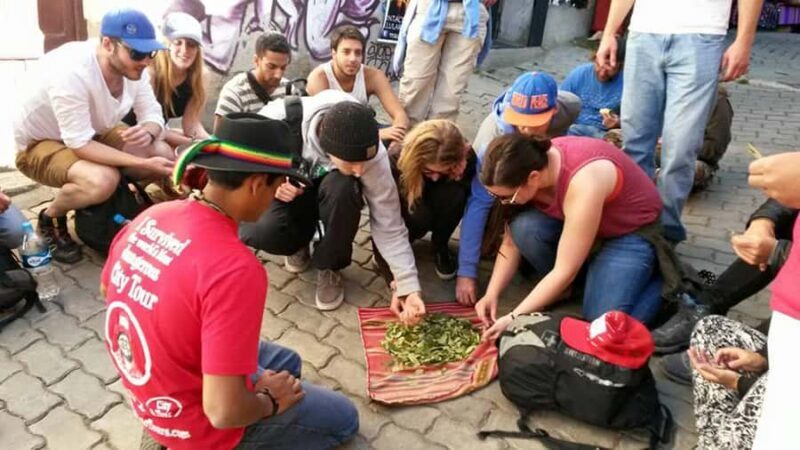
Some of the most memorable parts of the walk are not monuments. Your guide tackles questions that can be easy to notice but awkward to guess at: why some Bolivian women wear distinctive hats, why shoe shiners wear masks, and why zebras appear on the streets. The tour turns these visible details into a conversation about local life.
That kind of explanation is useful because it helps you look more carefully after the walk ends. You might begin to recognize customs and street scenes that otherwise blend into the background. The guide is also there to answer questions, so bring the ones that have already crossed your mind.
Political history is another major thread. La Paz has experienced significant turmoil, and the guide explains why politics have played such a prominent role in the city’s story. You should expect an introduction rather than a full account of Bolivian history; the walk has limited time and covers several subjects. Still, a clear overview can help you make sense of later visits and conversations.
The strongest guides make this material lively without losing the facts. Denise, in particular, has been praised for bringing humor and energy to her explanations. Other guides, including Max, Daniel, and Rem, have also been singled out for clear storytelling and a friendly style. Since guides change, treat those names as examples of the team, not a promise about who will lead your departure.
The Witches’ Market and Andean beliefs
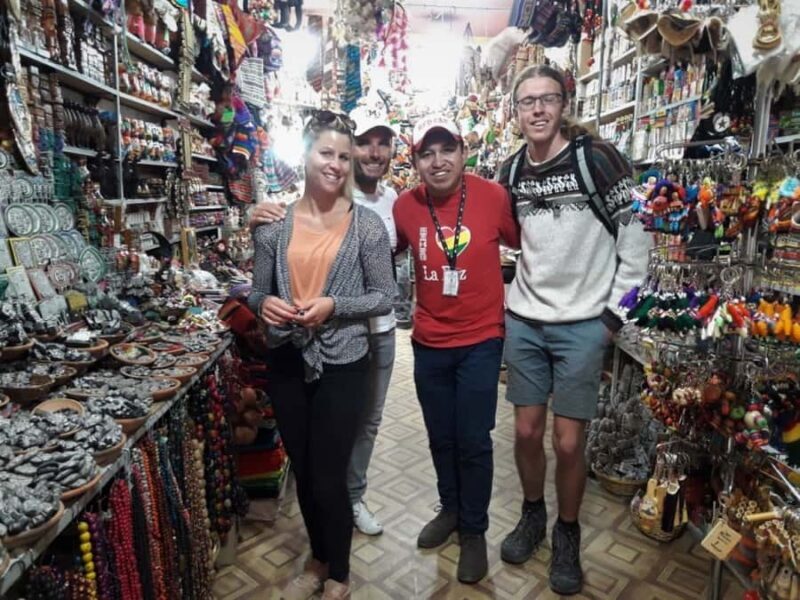
The Witches’ Market offers a sharp change of scene from the city’s official monuments. Here, you’ll see curious lotions and talismans, and your guide explains beliefs associated with the Andes. The value lies not only in looking at unfamiliar objects, but in learning how they fit into local traditions.
This is a place where a guide’s explanation matters. Without context, the market can look like a row of unusual goods for visitors to photograph. With an explanation of what people believe and what kinds of potions you might buy, the stop becomes a better introduction to the cultural world behind the objects.
Go with curiosity and respect. The description promises a look at the market and an explanation of beliefs, not a shopping excursion or a chance to take part in a ritual. If you are interested in buying something, bring cash, as the tour’s practical advice includes having it with you. Meals and drinks are not included, and there is no stated refreshment stop.
More Great Tours NearbyPlaza Murillo’s monuments and civic center
Plaza Murillo brings the tour into the heart of La Paz’s formal civic life. The square is framed by the Presidential Palace, the National Congress of Bolivia, the Cathedral of La Paz, and other historic monuments. Your guide helps you connect the buildings to the history and politics discussed along the way.
The stop is valuable because these landmarks are more than a checklist of façades. They give a physical setting to the city’s political story. If you are short on time, seeing several major buildings together makes this an efficient introduction to central La Paz.
The experience is described as a walking tour, not an interior visit to the palace, Congress, or cathedral. Expect to admire the monuments and hear about them from outside, rather than enter them. The focus is on interpretation and conversation, not a long museum-style tour of each building.
The tour covers a relatively small number of sights compared with a full-day city outing. That is a strength if you prefer to spend time hearing stories at each stop; it may be a drawback if you want to cover as many places as possible. Think of Plaza Murillo as one piece of a city introduction, not an exhaustive sightseeing circuit.
You can also read our reviews of more tours and experiences in La Paz
Pace, hills, and preparing for altitude
This is a walking tour in La Paz, so comfort and pace matter. The route is described as keeping to a slower pace and trying to stay as flat as possible, but you should still expect to be on your feet and may encounter uphill sections. One visitor specifically appreciated a guide who noticed their difficulty walking uphill at high altitude.
If you are newly arrived, give yourself room to breathe and do not treat the 150-minute duration as a race against the city. Comfortable shoes are essential. Bring a sun hat and sunscreen for exposure, plus rain gear in case conditions change. These are practical basics for a walk that spends its time outdoors.
The tour is not suitable for wheelchair users or people with mobility impairments. If hills, prolonged walking, or altitude are a concern, ask the operator about the route before booking rather than assuming the effort will be negligible. The guide may keep the pace gentle, but that does not remove the physical demands of walking in La Paz.
Is the $3 price good value?
At $3 per person, this is an inexpensive way to get a guided introduction to the city. The guide’s local knowledge is the core of the value: you are paying for explanations that link street scenes, monuments, and cultural traditions, not for transport, meals, or access to buildings.
The low price also calls for realistic expectations. You get a short walking overview, not a private guide or a full itinerary of La Paz. The number of stops is limited, and the experience depends heavily on the guide’s storytelling. The available guides have included people praised for humor, clear English, cultural knowledge, and engaging explanations, but your own tour will depend on who leads it and the group on the day.
Bring cash. It is useful for any personal purchases, and it gives you the option to tip if you feel the guide has added real value. The tour listing also offers free cancellation up to 24 hours in advance and a reserve-now, pay-later option, which can help if your plans are still taking shape.
Who should book this walk?
I’d recommend this tour if you are new to La Paz and want a compact, human introduction before setting out on your own. It suits curious visitors who like asking questions, learning about local customs, and hearing political context alongside the usual architectural stops. It can also be a good fit if your time is limited and you want a first look at Plaza Murillo and the Witches’ Market in one outing.
It is less suited to anyone who wants a long list of attractions, indoor visits, or a route free of walking challenges. If you have mobility limitations, this is not the right choice. And if you prefer to explore at your own pace without a group, you may be happier using the tour’s locations as a self-guided route.
For most first-time visitors who are comfortable walking, the low cost and focus on local stories make this a sensible start. Book it for the explanations, not for the number of stops. You’ll leave with a better sense of what you are seeing and more confidence to return to the central streets on your own.
La Paz Half-Day Walking Tour
FAQ
How long is the La Paz Half-Day Walking Tour?
The tour lasts 150 minutes, or about two to two and a half hours.
What language is the tour conducted in?
The tour has a live, English-speaking local guide.
Where is the meeting point?
Meet in the center of Plaza San Pedro, also called Plaza Sucre, near the statue on Cañada Strongest. Look for a guide wearing a red cap and an I heart La Paz T-shirt.
What sights does the tour include?
The walk visits the Witches’ Market and Plaza Murillo, where you can see the Presidential Palace, the National Congress of Bolivia, the Cathedral of La Paz, and other historic monuments.
What should I bring?
Wear comfortable shoes and bring a sun hat, sunscreen, rain gear, and cash. Meals and drinks are not included.
Is the tour suitable for wheelchair users?
No. It is not suitable for wheelchair users or people with mobility impairments.
You can check availability for your dates here: