Masada’s high plateau pairs a gripping story with wide-open desert views, and the cable car saves you the steep climb. I like that this day combines a guided visit to Herod’s fortress with time to float in the Dead Sea, and that the price includes transport, admissions and the cable car.
The trade-off is a full schedule: Masada gets about two hours, while the Dead Sea stop is around an hour and a half. You’ll see the main sights, not every corner of the fortress, and you should bring your own food and drinks.
At a glance
- Masada by cable car: Ride above the desert to Herod’s fortified palace, with about two hours for a guided visit.
- A story that stays with you: Learn about the fortress, its Roman baths, mosaics, water cisterns and the Zealots’ final stand.
- A float in the Dead Sea: The mineral-rich, salty water makes it easy to float, but bring swimwear, a towel and flip-flops.
- Qumran on the return: See the caves linked to the discovery of the Dead Sea Scrolls; the tour does not list cave entry.
- A long but practical day: Hotel pickup, coach transport, admissions and the round-trip cable car are included in the $117 price.
- Guides vary by departure: Guides have included Yuval, Udi, Avi, Itamar and Omri, but you won’t know your guide’s name in advance.

👉 See our pick of the 25 Best Guided Tours In Tel Aviv
- At a glance
- From Tel Aviv to the Judean Desert
- The Judean Desert from the coach
- Masada by cable car
- Lunch and the Qumran caves
- Floating in the Dead Sea
- What 7 covers, and what it doesn’t
- Who should book this day trip?
- FAQ
- How long is the tour?
- What is included in the price?
- Is food included?
- How much time is there at Masada?
- How much time is there at the Dead Sea?
- Do you enter the Qumran caves?
- What should I bring?
- Is the tour suitable for children and wheelchair users?
- The Best Of Tel Aviv!
- More Tours in Tel Aviv
- More Tour Reviews in Tel Aviv
- Not for you? Here's more nearby things to do in Tel Aviv we have reviewed
From Tel Aviv to the Judean Desert
 1 / 7
 2 / 7
 3 / 7
 4 / 7
 5 / 7
 6 / 7
 7 / 7
This 10-hour outing covers a lot of ground, from Tel Aviv through the Judean Hills and desert to the Dead Sea. A coach makes the long journey easier, and a guide can give the scenery context as it changes from city outskirts to dry hills and open desert.
Pickup is offered at nine Tel Aviv hotels, including the Sheraton, Dan Tel Aviv, Royal Beach and Grand Beach. Your final pickup time and hotel are confirmed by the tour operator, so check the confirmation email carefully. Some departures may gather people before assigning them to their tour coach, which can add a little uncertainty at the start.
The drive is part of the experience, not just a way to get between stops. Guides have pointed out landmarks and explained the region’s geography and history along the route. The guide also helps keep a day with several timed stops on track, which matters when Masada and the Dead Sea are both must-sees.
You can also read our reviews of more tours and experiences in Tel Aviv


The Judean Desert from the coach
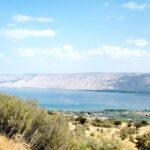
The route includes a short stop in the Judean Desert for a break and photos, as well as stretches where you’ll simply take in the view from the bus. This is a useful pause on a long drive, though it is not a major sightseeing stop.
Bring water and sun protection even if you expect to spend most of the day on the coach. At Masada, parts of the visit are outdoors in direct sun, and one visitor recommends carrying a 1.5-liter bottle and drinking steadily. A hat, sunglasses and sunscreen are sensible, not optional extras.
Masada by cable car
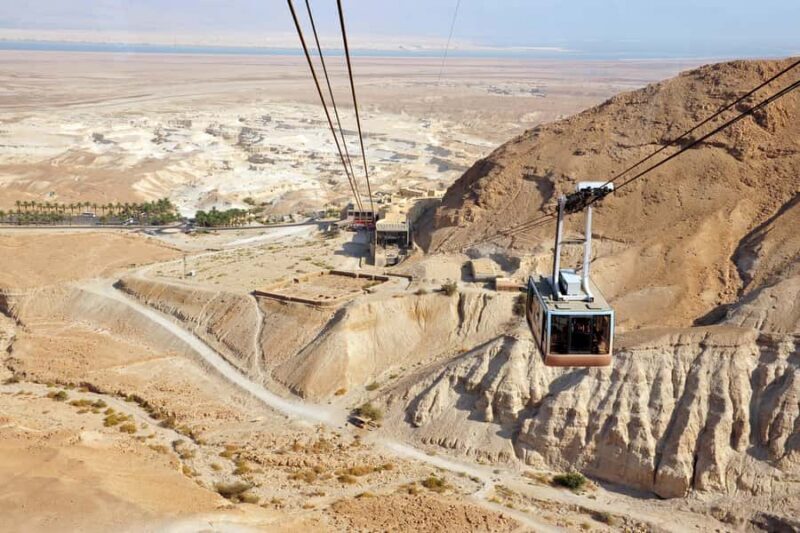
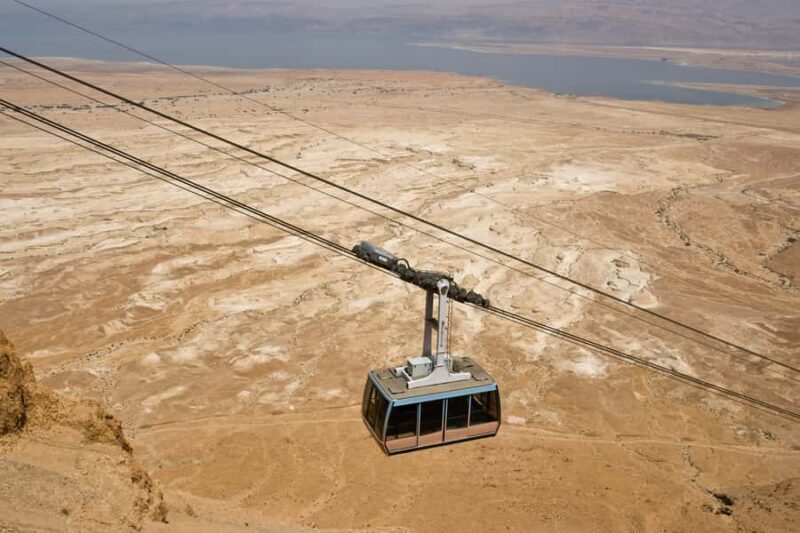
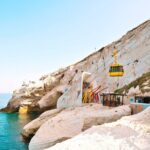
Masada is the day’s historical centrepiece: a fortified palace complex built by King Herod around 37 BC on a high plateau about 1,300 feet above sea level. The cable car carries you up and back, sparing you the exhausting climb while giving you a striking view of the mountain and desert.
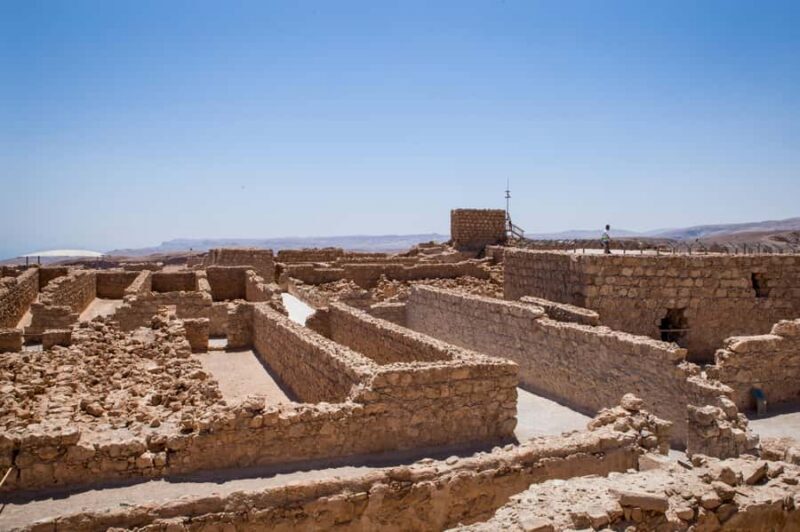
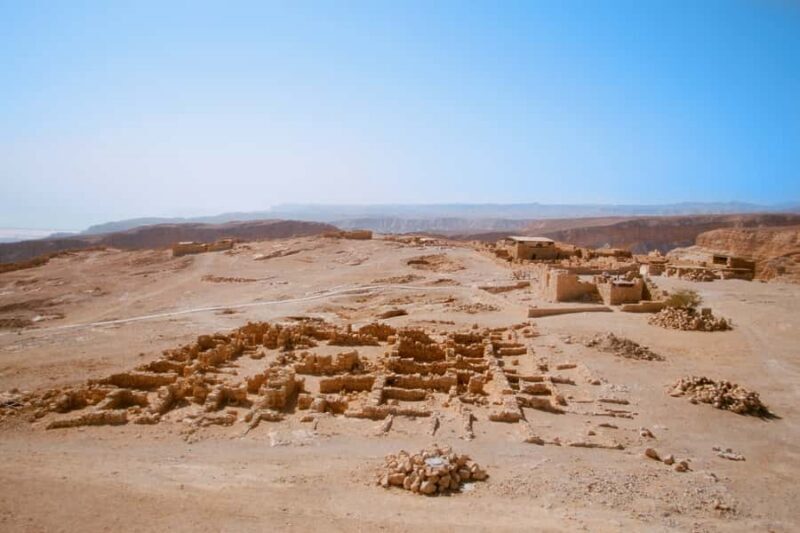
At the top, your guide leads a visit of about two hours. You’ll see remains of the palaces, mosaic floors and Roman baths, along with the site of what is described as Israel’s oldest synagogue. One of Masada’s most remarkable engineering features is its system of 12 water cisterns, each with a capacity of up to 140,000 cubic feet. In this dry setting, that scale helps explain how the fortress could support people far from a dependable water source.
The site’s story centres on Herod’s stronghold and the Zealots who took refuge there during the Roman campaign. The account of their final stand, ending in mass death in 73 AD, gives the ruins a weight that the views alone cannot convey. A good guide can help you connect the scattered structures to the people who lived and fought here.
Two hours is enough for a guided overview and time to look around, but not for an exhaustive visit to every part of the complex. One visitor found there was not time to see all of Masada, and that is worth bearing in mind if you’re a keen archaeology fan. You’ll need to choose what to linger over, rather than treating the stop as a free-roaming half-day.
Wear comfortable shoes, carry water and expect sun exposure. The ride up is easy; walking around the plateau is still part of the visit. If you want a detailed study of the site, arrange a separate visit with more time. If you want the main story, the key remains and sweeping desert views, this guided stop covers the essentials.
Lunch and the Qumran caves
The tour allows about an hour around Qumran for a break, lunch, free time and sightseeing. Food and drinks are not included, so budget for lunch or bring something with you. Since the time is shared between eating and a stop, a slow queue can leave less time to sit down and enjoy your meal.
The Qumran caves are linked to the discovery of the Dead Sea Scrolls, a major set of ancient texts. The tour description places the caves on the drive back and includes a photo stop and time in the Qumran area. It does not include a stated visit inside the caves, so think of this as a chance to see the setting and learn about its significance, not a dedicated archaeological tour.
There can also be stops at shops on the route. These may be useful if you want to buy something, but they can feel like time taken from the main sights. If you’d rather spend every available minute at Masada or the sea, be prepared for the group’s schedule to include a few practical or commercial pauses.
More Great Tours NearbyFloating in the Dead Sea
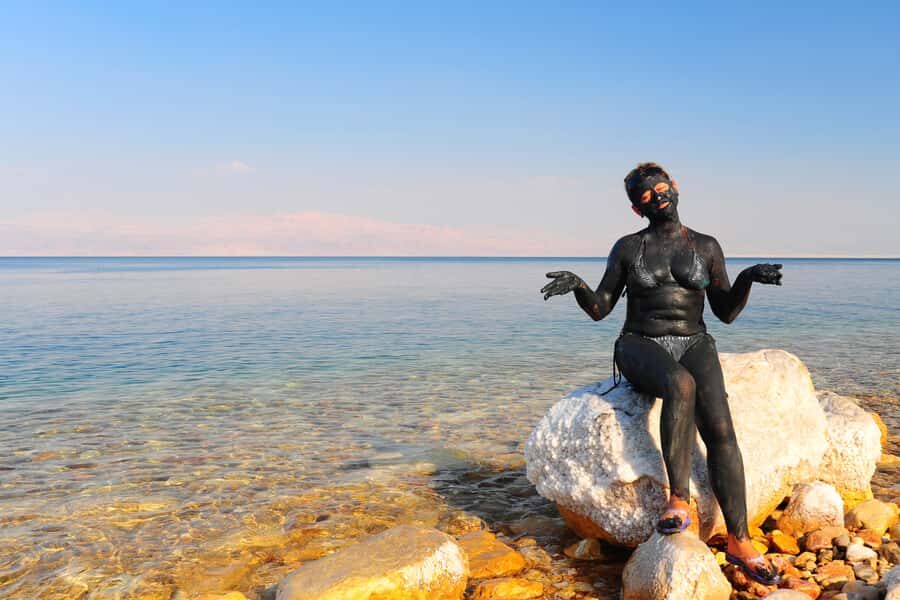
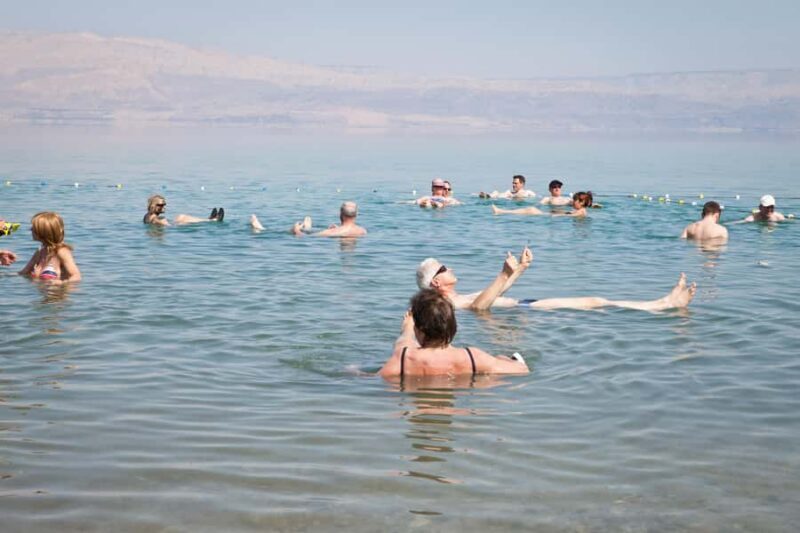
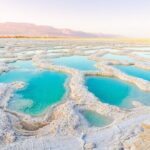
After Masada and Qumran, you’ll reach Mineral Beach in the Jordan Rift Valley, between Jordan and the West Bank. The Dead Sea is the lowest place on Earth, and its high salt content makes floating feel unlike an ordinary swim. You can ease back and let the water support you; swimming normally is not the point.
The stop is about an hour and a half in the schedule. That gives you time to change, float, rinse off and try the mineral mud, though the actual time in the water will be shorter once you account for getting ready. Some people find an hour of floating plenty, especially under strong sun. If you’re hoping for a long beach session, this stop may feel brief.
Bring swimwear, a towel, sunscreen and flip-flops. The ground can be very hot, and comfortable shoes are useful for the walking portions elsewhere in the day. A hat and sunglasses help at both the desert sites and the beach. Keep the Dead Sea water out of your eyes, and follow the beach’s guidance while you’re there.
The experience is memorable, but it is simple: float, enjoy the view and try the mud if you wish. The beach area is limited, and this is not a day built around lounging by the water. Think of the Dead Sea as a striking final stop, rather than a resort afternoon.


What $117 covers, and what it doesn’t
At $117 per person, the price includes round-trip coach transport, pickup and drop-off, a professional guide, Masada admission, Dead Sea entry and the cable car both ways. Those inclusions matter: the cable car and site admissions would otherwise be separate costs, and the drive from Tel Aviv is long enough that arranging transport yourself takes planning.
Food and drinks are extra. That is the main cost to plan for during the day, along with any purchases you choose to make at stops. You’re paying for an organised route through several sites, not just a ride to the beach. For someone with one day to spare, that can be good value; for someone who prefers long visits and a flexible pace, a self-planned overnight or separate visits may suit better.
The tour offers English, French, Spanish and German guides. The guide changes by departure, so don’t book expecting a particular person. Guides on past departures have included Yuval, Udi, Avi, Itamar and Omri, and the guiding style is a key part of the day: expect history and site explanations on the coach as well as at Masada.
Who should book this day trip?
I’d choose this tour if you’re based in Tel Aviv, want to see Masada and the Dead Sea in one day, and value having transport and admission details handled for you. It’s especially useful if you want a guide to explain the history rather than just drop you at the sites.
It is less suited to anyone who needs wheelchair access, since the tour is not suitable for wheelchair users. Children under four are also not accepted. The long coach day and outdoor heat may be tiring for young children or anyone who struggles with extended travel.
You can cancel up to 24 hours in advance for a full refund, and the reserve-now, pay-later option gives you some flexibility. Check availability for departure times, then read the operator’s pickup confirmation closely. A small mismatch between the listed and final pickup time can make an early morning more stressful than it needs to be.
From Tel Aviv: Masada & Dead Sea Full Day Tour with Pick Up
FAQ
How long is the tour?
The tour lasts 10 hours, including coach travel from Tel Aviv, visits to Masada and the Dead Sea, and stops along the route.
What is included in the price?
The price includes coach transport, pickup and drop-off, a professional guide, entry to Masada and the Dead Sea, and a round-trip cable car ride at Masada.
Is food included?
No. Food and drinks are not included, so bring something or plan to buy lunch during the stop around Qumran.
How much time is there at Masada?
The schedule allows about two hours for a guided visit, sightseeing and the cable car ride. That is enough for the main sights, but not a full exploration of the complex.
How much time is there at the Dead Sea?
The scheduled stop is about an hour and a half. Your time in the water will be shorter after changing and rinsing off.
Do you enter the Qumran caves?
The tour includes a stop in the Qumran area and a view of the caves associated with the Dead Sea Scrolls. Cave entry is not specified.
What should I bring?
Bring your passport, swimwear, a towel, sunglasses, a sun hat and sunscreen. Comfortable shoes and flip-flops are recommended, along with water for the hot, exposed parts of the day.
Is the tour suitable for children and wheelchair users?
No. The tour is not suitable for children under four or for wheelchair users.
You can check availability for your dates here: