Xucun’s appeal is right there in its streetscape: this is a village of old Huizhou buildings, not a single monument behind a museum rope. It is known as the first Jinshi village in Huizhou, and its surviving landmarks include a covered bridge, archways, and a pavilion.
I like two things in particular: the concentration of historic structures, with buildings from the Yuan, Ming, and Qing dynasties, and the village’s low level of commercialization, which may leave more room to notice its everyday setting. The main consideration is that this is an entrance ticket, not a guided tour or a transport package, so you need to arrange the journey and make your own way around.
- Gaoyang Covered Bridge gives you one of Xucun’s signature architectural landmarks to look for.
- Wuma Archway, Daguan Pavilion, and Shuangshou Chengen Archway help make the village feel like an open-air heritage visit rather than a single-stop attraction.
- Fifteen nationally protected cultural relic sites are preserved here, including buildings from the Yuan, Ming, and Qing dynasties.
- Xucun’s scholarly heritage reaches back through 48 Jinshi, with modern claims to five doctors in one family and five academicians from the village.
- The ticket costs from $7.95, but round-trip transport, meals, insurance, and other personal expenses are separate.
- The village is open year-round, daily from 8 a.m. to 5 p.m. Last entry is at 4:30 p.m.
- A village visit, not a single monument
- Reading the buildings at your own pace
- Following Xucun’s scholarly story
- A quieter alternative to a highly commercialized stop
- What the .95 ticket covers
- Timing, entry, and the practical details
- Who will get the most from Xucun
- Should you book Xucun?
- FAQ
- Where is Xucun?
- What does the ticket include?
- What are Xucun’s opening hours?
- What identification do I need to enter?
- Which ages qualify for the adult, child, and senior ticket categories?
- How far ahead should I book?
- Can I change or cancel my booking?
- The Best Of Huangshan!
- More Tours in Huangshan
- More Tour Reviews in Huangshan
- Not for you? Here's more nearby things to do in Huangshan we have reviewed
A village visit, not a single monument
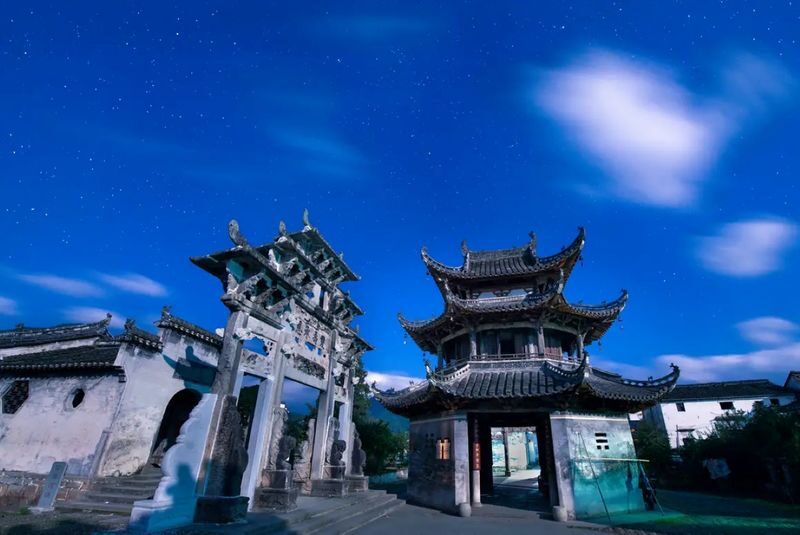
Xucun sits in She County, within Huangshan City in Anhui Province. It was founded in the Eastern Han Dynasty and is described as an open-air museum of Huizhou-style architecture. That description matters: the draw is the village as a whole, with historic structures spread across a lived-in place, rather than one grand building that tells the entire story.
You will find named landmarks such as Gaoyang Covered Bridge, Wuma Archway, Daguan Pavilion, and Shuangshou Chengen Archway. Their names and forms give you useful points to orient your visit. A covered bridge, an archway, and a pavilion each offer a different way to read the built environment, even if you are not an architecture specialist.
The ticket grants entrance to Xucun Scenic Area. It does not include a guide, a set route, or transport, so think of this as an independent visit. You can give yourself time to look closely, but you will need to decide how long to stay and how to get there.

👉 See our pick of the Best Guided Tours In Huangshan
Reading the buildings at your own pace
Xucun preserves buildings from the Yuan, Ming, and Qing dynasties, alongside 15 nationally protected cultural relic sites. That span gives the village particular value for anyone curious about how Huizhou architecture developed across different periods. You are not just ticking off one old structure; you are entering a place where several generations of building history remain part of the village.
The named sites make a practical starting point. Gaoyang Covered Bridge is an easy landmark to remember, while Wuma Archway and Shuangshou Chengen Archway offer a chance to study the form and presence of traditional archways. Daguan Pavilion adds another type of structure to the mix. The supplied information does not give a route between them or confirm which interiors can be entered, so treat these as landmarks to seek out rather than promise of a particular sequence or access.
I like this kind of visit best when you resist the urge to rush from name to name. Give yourself time to notice how the buildings relate to their setting, and to compare the different structures you encounter. The low level of commercialization may help the place retain an everyday feel, but it also means you should not expect a tightly staged attraction with a packaged show or an attendant leading you from stop to stop.
You can also read our reviews of more tours and experiences in Huangshan.



Following Xucun’s scholarly story
Xucun is also known as the first Jinshi village in Huizhou. Jinshi were successful candidates in the imperial examination system, and the village is said to have produced 48 of them. That number gives the architecture a human context: Xucun’s reputation is tied not only to old buildings but also to a long tradition of learning and achievement.
The story continues into modern times. Xucun is associated with five doctors in one family and five academicians from the village. Those details offer a striking connection between the village’s past and more recent academic life. They are useful context as you walk, though the ticket information does not identify specific homes, exhibits, or displays connected with these people.
If cultural history interests you, this combination of buildings and scholarly identity is a reason to choose Xucun over a quick photo stop. If you mainly want a guided explanation of each person and structure, plan ahead: no guide service is included in this ticket, and no on-site interpretation details are specified.
A quieter alternative to a highly commercialized stop
Xucun retains what is described as the original ecological style of a Huizhou village and has a low degree of commercialization. For you, that suggests a visit focused more on the place itself than on shopping, entertainment, or staged attractions. It can be a good fit if you want a slower cultural outing and are happy to set your own pace.
There is a trade-off. A less commercial setting may mean fewer ready-made services or explanations than you would find at a larger, more developed attraction. The ticket information does not list facilities, dining options, performances, or visitor services, so do not plan on those being part of the experience. Meals and any personal purchases are extra.
The best approach is to arrive with a little context and a short list of landmarks you want to see. That keeps the visit purposeful without turning it into a checklist. You can focus on the covered bridge, archways, pavilion, and the broader pattern of old buildings, then decide how much time the village merits.
What the $7.95 ticket covers
The listed starting price is $7.95 for one Xucun Scenic Area entrance ticket. That is a relatively modest entry cost for a place with multiple historic landmarks and buildings spanning several dynasties. Its value depends on what you want: if you enjoy walking through historic settings and looking carefully at architecture, the entry fee buys access to a distinctive village experience. If you expect transport, a guide, meals, or activities to be bundled in, you will need to budget separately.
The ticket does not include round-trip transportation, dining, personal insurance, self-funded entertainment facilities, secondary purchases inside the scenic area, or other personal expenses. There is no duration or guided itinerary specified. In other words, the ticket gets you through the entrance; the rest of the visit is yours to plan.
You can book for the next day, and confirmation is stated to be available within 24 hours. During peak season, the recommended booking window is five to ten days ahead; in off-peak periods, one to three days is recommended. The voucher is valid only for the selected date, so make sure your travel plan is firm before booking.
Timing, entry, and the practical details
Xucun is open every day of the year from 8 a.m. to 5 p.m., with last entry at 4:30 p.m. Arriving well before last entry gives you more time to see the village. The information does not state how long a typical visit takes, so allow time according to your interest in the buildings rather than relying on a fixed tour length.
The main entrance is at Xucun Town, She County, Huangshan City, Anhui Province. The meeting address is 许村高阳路1号. Transportation is not included, and no transfer arrangement is provided, so check your route from your base in Huangshan before setting off.
For entry, bring the original identification document used when making the reservation, such as an ID card, passport, or Hong Kong, Macao, and Taiwan travel permit, along with the Klook e-voucher QR code. The booking is tied to the selected date. If plans change, the stated policy allows a full refund only when you request it more than 24 hours before the visit and the ticket has not been exchanged or used. Within 24 hours, after exchange or entry, or after the ticket expires unused, refunds and rescheduling are not available.





Who will get the most from Xucun
Xucun suits you if you enjoy historic architecture, traditional villages, and places that reward looking rather than constant activity. Its mix of archways, a covered bridge, a pavilion, and buildings from several dynasties makes it a good choice for a culture-focused day out near Huangshan. The village’s scholarly reputation adds another thread to follow as you explore.
It is less suited to someone who wants an all-inclusive excursion with a vehicle, guide, meal, and tightly timed program. None of those are included here. Families should also check the age and height rules before purchasing: adult tickets apply from age 12, child tickets cover ages over 6 through 12, and children under 6 or under 1.2 meters tall enter free with valid identification. Seniors aged 60 to under 70 have a senior ticket category; those over 70 are exempt with valid identification.
Should you book Xucun?
Book Xucun if you want an independent look at Huizhou architecture in a village with a strong scholarly past and a comparatively low level of commercialization. The entrance price is appealing, and the collection of named landmarks gives you a clear reason to go beyond a brief stop.
Skip it, or plan a different format, if you need transport and interpretation arranged for you. This ticket is simple: entry to the scenic area, on a chosen date. Come prepared to organize the journey, carry the required ID and QR code, and make your own way through the village. For the right visitor, that freedom is part of the point.
Xucun Village
“Booking with Klook: Convenient and Loved”
FAQ
Where is Xucun?
Xucun is in Xucun Town, She County, Huangshan City, Anhui Province, Mainland China. The meeting address is 许村高阳路1号.
What does the ticket include?
It includes one Xucun Scenic Area entrance ticket. Transport, dining, insurance, entertainment facilities, secondary purchases, and other personal expenses are not included.
What are Xucun’s opening hours?
The scenic area is open daily, year-round, from 8 a.m. to 5 p.m. Last entry is at 4:30 p.m.
What identification do I need to enter?
Bring the original valid ID used for the reservation, such as an ID card, passport, or Hong Kong, Macao, and Taiwan travel permit, along with the Klook e-voucher QR code.
Which ages qualify for the adult, child, and senior ticket categories?
Adult tickets are for people aged 12 and above. Child tickets are for minors over 6 and up to 12. Senior tickets are for people aged 60 to under 70. Children under 6 or under 1.2 meters tall, and seniors over 70, are exempt with valid identification.
How far ahead should I book?
The recommended booking period is five to ten days ahead during peak season and one to three days ahead during off-peak season. Booking for the next day is also available, subject to confirmation.
Can I change or cancel my booking?
The ticket cannot be changed or split. A full refund may be requested more than 24 hours before the visit if the ticket has not been exchanged or used. Within 24 hours, after exchange or entry, or after the ticket expires unused, refunds and rescheduling are not available.