A Mevlevi ceremony is not a stage show with a plot and a finale. It is a solemn Sufi ritual, shaped by music, repeated movement, and quiet attention. The dervishes’ turning is the part most people come to see, but the ceremony’s meaning and pace matter just as much.
I like two things here: the chance to see a religious tradition presented with an explanation, and the central location near the Basilica Cistern, Hagia Sophia, and the Blue Mosque. The hour-long format also makes it easy to fit into a day of sightseeing.
The main consideration is expectation. This is a contemplative ceremony, not a lively cultural revue, and the repeated whirling may feel slow if you want constant action. You also need to pin down the correct entrance, since the venue details can be confusing.
- What to know before you book
- What the Mevlevi ceremony is asking you to watch
- Arriving by the Basilica Cistern
- Inside the hall: music, introduction, and whirling
- Respect the silence, and leave your camera away
- Is the ticket good value?
- Who is likely to enjoy this hour?
- Booking and timing tips
- Should you book the Whirling Dervish Ceremony?
- FAQ
- How long does the ceremony last?
- Where is the meeting point?
- How early should I arrive?
- How do I use my ticket?
- Are photos and videos allowed?
- Is transport included?
- Are food and drinks included?
- Is the venue wheelchair-accessible?
- Can I cancel for a refund?
- The Best Of Istanbul!
- More Tickets in Istanbul
- More Tours in Istanbul
- More Tour Reviews in Istanbul
- Not for you? Here's more nearby things to do in Istanbul we have reviewed
What to know before you book
 1 / 9
 2 / 9
 3 / 9
 4 / 9
 5 / 9
 6 / 9
 7 / 9
 8 / 9
 9 / 9
- A ceremony, not a variety show: Expect a religious ritual with music and measured movement, not a mix of dance acts.
- About one hour from start to finish: The ceremony is listed as 60 minutes, so leave a little extra time for finding the entrance and getting seated.
- The location needs care: The meeting address is Turquoise Istanbul Event Hall, Alemdar Cd. No:5, beside the Basilica Cistern area. Follow the address on your voucher, not an old photo or an unconfirmed venue name.
- No photos or videos: Recording is strictly prohibited, and venue security may intervene if you break the rule.
- The ticket covers admission only: Transport, food, drinks, and personal expenses are not included.
- A quiet, reflective hour: This suits you best if you are curious about Sufi practice and willing to watch with patience.

👉 See our pick of the 25 Best Shopping Tours In Istanbul
What the Mevlevi ceremony is asking you to watch
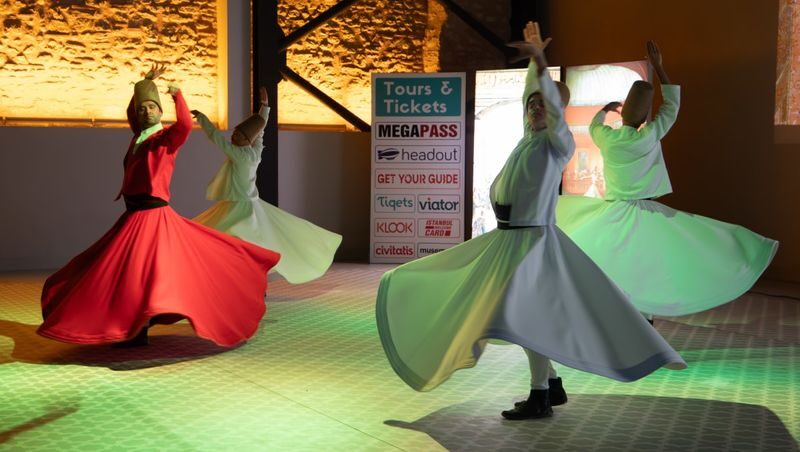
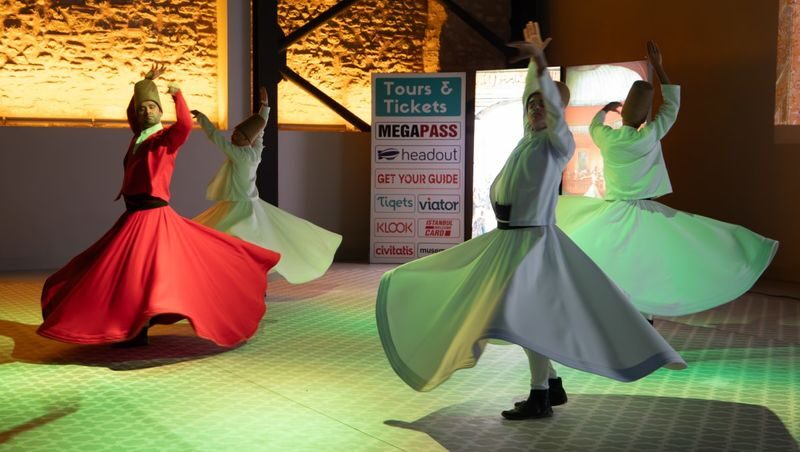
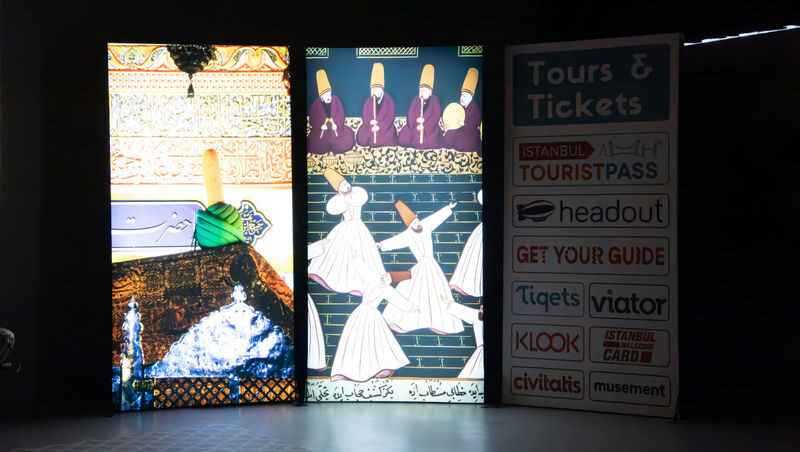
The whirling dervish ceremony is associated with the Mevlevi order, a Sufi tradition. Its turning is not simply a dance step repeated for effect. It is part of a ritual that represents a person’s spiritual journey toward perfection, accompanied by music.
That context changes how the hour feels. If you arrive expecting a theatrical performance, the pauses, formal gestures, and repeated movement may seem slow. If you understand that the ceremony is meant to be approached with respect and stillness, those same qualities become part of the experience.
The event is described as UNESCO-recognized, and the tradition is still practiced today. For a visitor, that makes this more than a chance to watch an unusual dance. You are being invited to observe a living religious practice, presented in a setting designed for an audience.
The ceremony is not necessarily conducted in English. Some past attendees found English wording on screen or an introductory explanation helpful, but the ritual itself is not an English-language performance. If you want to understand more, take time to read the information available at the venue and listen closely to the introduction.
You can also read our reviews of more tours and experiences in Istanbul



Arriving by the Basilica Cistern
The stated meeting point is Turquoise Istanbul Event Hall, Alemdar, Alemdar Cd. No:5, in Fatih. The instructions say to meet the host next to the entrance of the famous Basilica Cistern, at the reception desk by the gate of a large white wooden house. The gate opens 30 minutes before the ceremony.
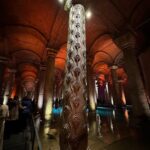
That is a useful landmark, but do not assume the Basilica Cistern itself is where the ceremony takes place. The event hall is the named address. The information also describes a historic cistern setting, while the meeting instructions place you at the event hall by the cistern entrance. Since venue references have caused confusion, check the address and entrance details on your voucher before setting off.
I would arrive at least 10 minutes before the scheduled start, as instructed, and use the extra time to confirm you are at the correct door. Some people have found similarly named or pictured locations confusing. A rushed dash between venues is a poor way to begin a quiet ceremony.
The location is handy for a sightseeing day. The Blue Mosque and Hagia Sophia are nearby, and the area has tram connections. That makes the ticket easy to combine with the historic center, though transport to the venue is not included.
Inside the hall: music, introduction, and whirling
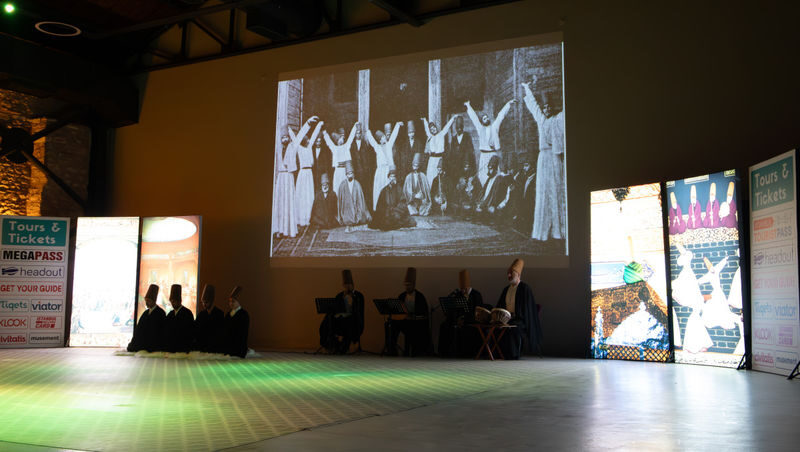
The program lasts about 60 minutes. Expect an introduction to the ceremony and its background, followed by traditional music and the dervishes’ ritual movement. Some visitors have found an exhibition or information displays at the venue, and English wording on a screen has been noted, but the precise presentation can vary.
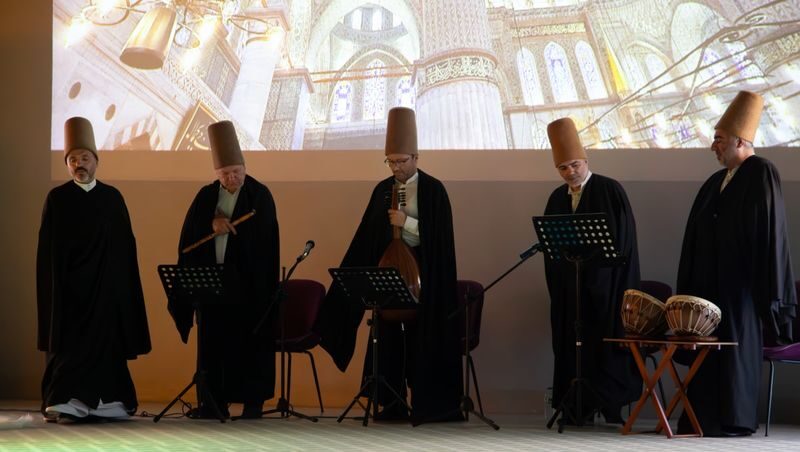
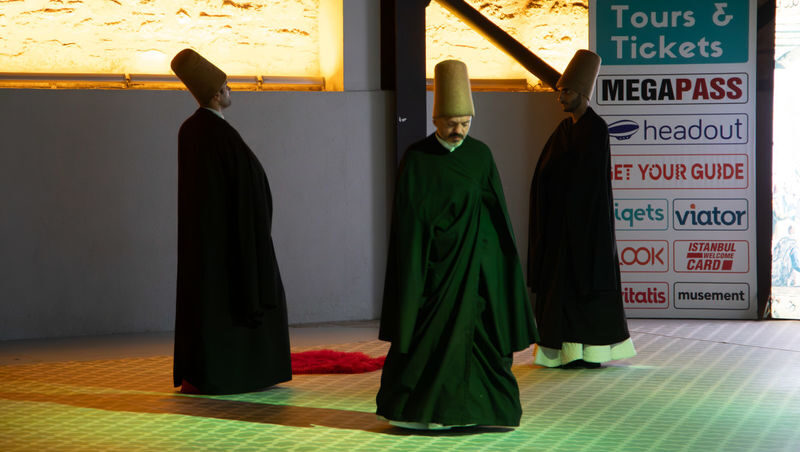
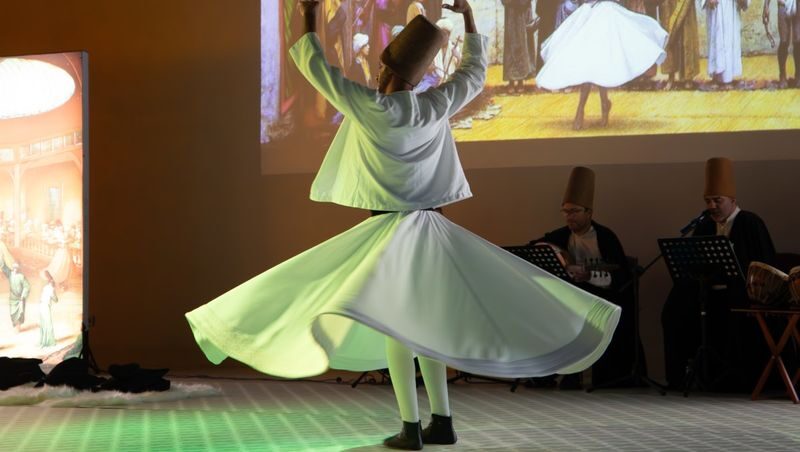
The music is not merely a backdrop. It sets the ceremony’s pace and helps explain why this is not a fast dance routine. In one account, musicians entered first and played for about 10 minutes before the dancers came in. Treat that as a possible sequence, not a guaranteed timetable.
Once the dervishes begin to whirl, the movement can look both simple and astonishing. Their robes open and flow as they turn, while the ceremony builds through repetition rather than sudden changes. The physical control involved is striking, especially when you consider how long they maintain the movement.
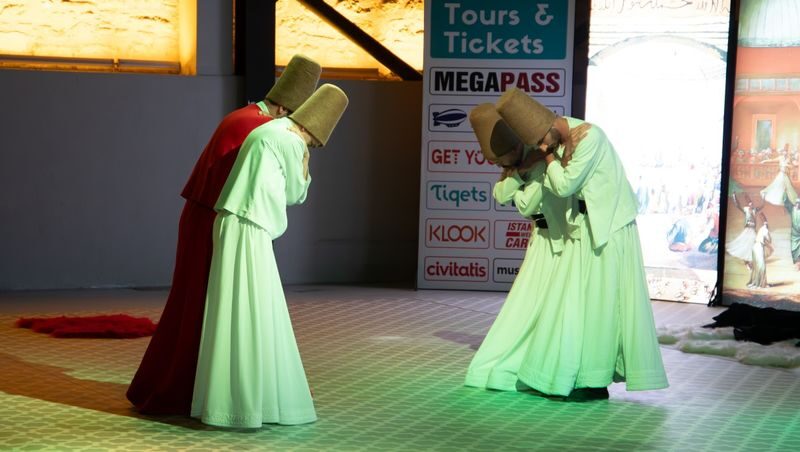
Still, patience is part of the bargain. The whirling is repetitive by design, and there may be stretches of bowing or stillness. If you need a performance to keep changing scenes, this may not be your hour. If you are willing to settle into the rhythm, the stillness can make the ceremony more affecting.
Respect the silence, and leave your camera away
Photography and video are strictly prohibited. The venue warns that people caught recording may be dealt with by security, so do not plan to take a quick clip from your seat. Put your phone away before the ceremony begins.
Quiet matters, too. This is a religious ritual, not a show that calls for applause or loud reactions. Follow the room’s cues, avoid chatting, and give the performers the attention the ceremony calls for. The point is not to behave solemnly for show, but to let the ritual unfold without turning it into a photo opportunity.
The no-recording rule can feel restrictive if you like collecting images from every stop. I see it as part of the value here: it encourages you to watch rather than spend the hour framing a screen. You will need to rely on memory, which is not the worst souvenir.
Is the ticket good value?
The experience is advertised from US$17.19, while the package option is also shown from US$15.60. Those are starting prices, so check the final price for your chosen date before paying. For roughly an hour of music, explanation, and ceremony in central Istanbul, the starting cost is modest.
The value depends on what you want. This is a good use of time and money if you are curious about Sufi culture, appreciate traditional music, or want to see a religious ceremony presented with context. It can be a poor fit if you expect a lively Turkish night show, a long talk in English, or a varied dance program.
The ticket includes admission to the ceremony, but not transport, meals, beverages, tips, or other personal expenses. There is no bundled sightseeing or meal to weigh into the price. You are paying for this single, focused experience.
There is also a practical difference between a cheap ticket and a worthwhile visit. If you arrive late, go to the wrong address, or expect constant action, even a low price can feel like poor value. Confirm the venue, get there early, and arrive with the right expectations.





Who is likely to enjoy this hour?
I would recommend it to you if you want a closer look at Turkish religious culture and can appreciate a performance that unfolds slowly. The music, formal ritual, and controlled spinning offer something distinct from the city’s mosques and museums, while the introduction helps place what you are seeing in context.
It can suit a broad age range, but younger children may find the long periods of quiet and repeated movement hard to sit through. The activity is not wheelchair-accessible, so that is an important limitation to consider before booking.
You do not need to be an expert in Islam or Sufism to attend. Curiosity is enough. But you should be comfortable watching a sacred practice as a ceremony, rather than judging it by the standards of a theatrical show.
Booking and timing tips
Your voucher is valid only for the date and time specified. You can present it on your phone and enter directly, showing it to the Istanbul Welcome Card representative at the entrance desk. Confirmation is expected within minutes; if it does not arrive, contact customer support.
Arrive 10 minutes before the scheduled activity time, and remember that the gate opens 30 minutes before the ceremony. I would use that window to locate the right entrance and read any available background material rather than arriving at the last moment.
The cancellation terms allow a full refund if you cancel at least 24 hours before the activity date, using destination local time. Check those terms against your plans before booking, especially if your Istanbul schedule is still shifting.
Should you book the Whirling Dervish Ceremony?
Book it if you want a quiet, culturally focused hour and are willing to let the music and ritual set the pace. The introduction, central location, and modest starting price make this an accessible way to encounter the Mevlevi tradition.
Skip it if you are after a high-energy show, need a wheelchair-accessible venue, or would be frustrated by silence, repetition, and strict no-photography rules. The best preparation is simple: confirm the exact address, arrive early, and come ready to watch rather than record.
Whirling Dervish Ceremony Ticket in Istanbul
“Wonderful guide! The experience was amazing, and the guide was very friendly, knowledgeable, and helpful. Everything was well organized, and we tru…”
FAQ
How long does the ceremony last?
The listed duration is 60 minutes.
Where is the meeting point?
The meeting address is Turquoise Istanbul Event Hall, Alemdar, Alemdar Cd. No:5, 34110 Fatih, Istanbul. The instructions place the host near the Basilica Cistern entrance, by the reception desk at the gate of a large white wooden house.
How early should I arrive?
Arrive 10 minutes before the scheduled activity time. The gate opens 30 minutes before the ceremony starts.
How do I use my ticket?
Show your mobile voucher to the Istanbul Welcome Card representative at the entrance desk.
Are photos and videos allowed?
No. Taking photos or videos of the ceremony is strictly prohibited, and venue security may intervene if someone records.
Is transport included?
No. Transport is not included in the ticket.
Are food and drinks included?
No. Meals and beverages are not included.
Is the venue wheelchair-accessible?
No. This activity is not wheelchair-accessible.
Can I cancel for a refund?
You can receive a full refund if you cancel at least 24 hours before the activity date, using destination local time.