The draw here is a chance to see wild orcas in the open Southern Ocean, not in a tank or from a distant shore. Bremer Bay is the one Australian departure point known for reliable orca encounters, though no sighting is guaranteed on any particular day.
I like two things about this trip: a marine biologist provides live context as you search, and the Alison Maree is a large, purpose-built catamaran with air conditioning, toilets and a lounge. Meals and unlimited hot and cold drinks are included, which matters on an eight-hour outing.
The catch is the time and commitment involved. You need to reach Bremer Bay early, spend most of the day at sea and be comfortable with changing weather. The minimum age is 10, and intermediate fitness is recommended.
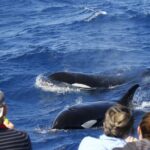
- Orcas are the main event: The crew searches the Bremer Canyon for wild killer whales, with sightings dependent on conditions and luck.
- More wildlife may appear: Sperm whales, several dolphin species, pilot whales, seals, sea lions, sharks and other marine life are possible.
- Eight hours on the water: Plan for a full day, with departure from Bremer Bay Boat Harbour and a stated return time around 4:30 pm.
- A marine biologist is onboard: Live commentary covers orca biology and ecology, giving you more to take away than photographs.
- Food and drinks are included: Morning tea, lunch, afternoon tea, and unlimited hot and cold beverages help make the long trip easier.
- The no-whale offer is a return trip: If no whales are sighted, you can join another whale-watching cruise within 24 months. There is no refund for a no-sighting day.
- The Bremer Canyon is the reason to go
- From Bremer Bay harbour to open water
- Eight hours, with much of the day at sea
- What the crew and commentary add
- Meals, comfort and what to pack
- Price, value and the no-whale policy
- Who will enjoy this day most
- Should you book the Bremer Canyon expedition?
- FAQ
- How long is the Bremer Canyon Killer Whale Expedition?
- Where does the cruise depart?
- What time should I arrive?
- What food and drinks are included?
- What happens if no whales are seen?
- Can children join the expedition?
- The Best Of Western Australia!
- More Whale Watching Tours in Western Australia
- More Tours in Western Australia
- More Tour Reviews in Western Australia
- Not for you? Here's more nearby things to do in Western Australia we have reviewed
The Bremer Canyon is the reason to go
 1 / 2
 2 / 2
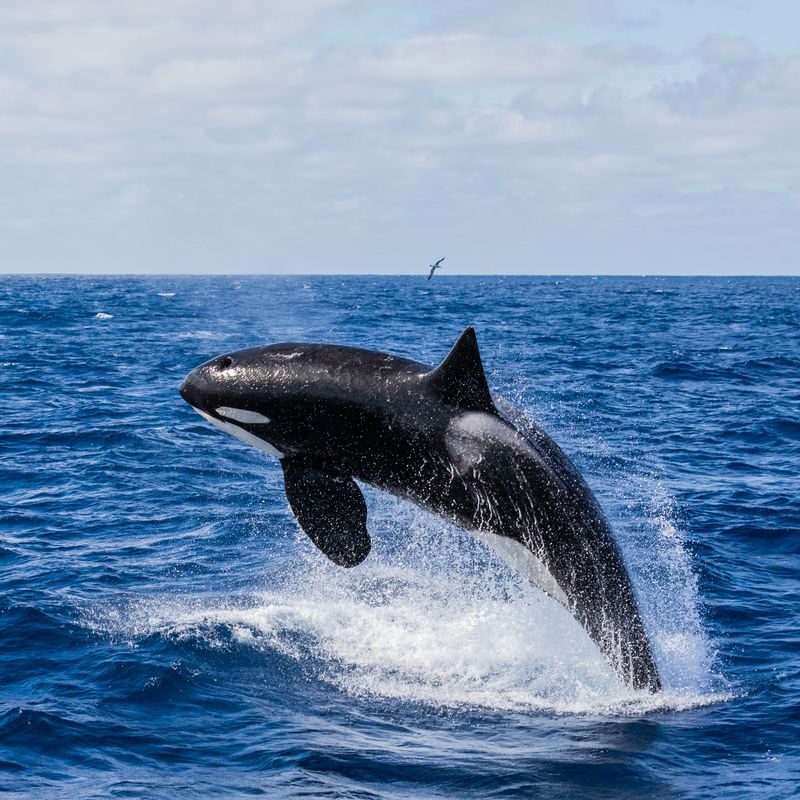
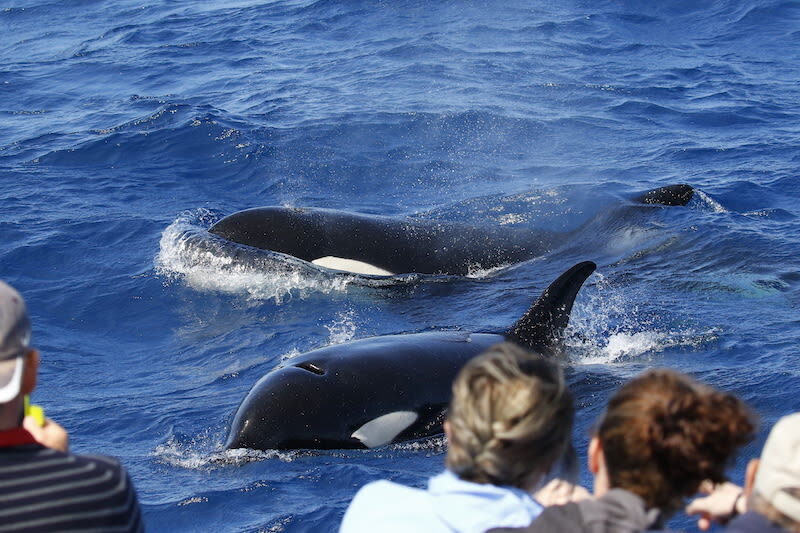
This trip is about a particular patch of ocean off Bremer Bay, where the deep-water canyon supports a wide range of marine life. Orcas are the headline sighting, but the appeal is also the search itself: the crew scans the water while you learn what might be moving through it.
The operator describes Bremer Bay as Australia’s only place to reliably encounter orcas in their natural habitat. That is a useful distinction, but it is not a promise. Wild animals choose their own route and timing. Even in a place known for encounters, conditions, season and chance shape what you see.
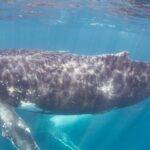
The possible sightings extend well beyond killer whales. The list includes sperm whales, bottlenose, striped and common dolphins, long-finned pilot whales, Australian sea lions and New Zealand fur seals. Hammerhead, oceanic blue and whaler sharks, giant squid, oceanic sunfish and rare beaked whales are also possible. Treat that as a range of wildlife the area can support, not a checklist for one cruise.
The crew’s live commentary helps give the day structure. A marine biologist is onboard, alongside trained crew, and the presentation covers orca biology and ecology. That means you can learn how to read the animals’ behaviour instead of simply waiting for a fin to break the surface.
👉 See our pick of the 4 Best Guided Tours In Western Australia
From Bremer Bay harbour to open water
The trip starts at Bremer Bay Boat Harbour, at Lot 115 Swarbrick Road. The stated departure time is 7:45 am, with passengers asked to be there by then; other meeting information says to be ready for the vessel’s 8:30 am departure. Your confirmed booking time should take precedence, and arriving early is the sensible move. Late arrivals and no-shows cannot be refunded.
Bremer Bay is about a two-hour drive from Albany and around five hours from Perth. If you are coming from Perth, this is not a casual morning outing with a short drive attached. You will need to plan the travel carefully, and staying nearby before the cruise may make the early start easier. Hotel pickup and drop-off are not included.
Once aboard, the Alison Maree takes you offshore for the search. It is a 20-metre catamaran built in Western Australia for local conditions and designed for the Southern Ocean. Its size and stability are practical advantages on a long trip, though no vessel can make the open sea feel like a quiet harbour in all weather.
The boat has air conditioning, toilets, filtered water, comfortable personal flotation devices and access to the Captain’s Lounge. These details matter more as the hours pass. A warm indoor place to sit, working toilets and drinking water can make a full day at sea far more manageable, especially if the weather shifts.
You can also read our reviews of more whale watching tours in Western Australia
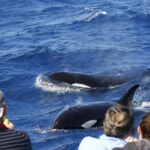
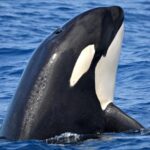
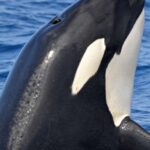
Eight hours, with much of the day at sea
The advertised expedition lasts eight hours, with a stated return around 4:30 pm. The broad rhythm is simple: depart the harbour, spend the day searching and watching offshore, then return to Bremer Bay. The exact schedule can change with weather and conditions, so keep your plans for the rest of the day flexible.
One reported outing included about five hours of whale watching within the full eight-hour trip. That gives you a sense of how much time can be spent scanning and observing once you reach the offshore area. It is not a fixed viewing window, and the crew’s search depends on what is happening at sea that day.
The best moment may be a close or prolonged encounter, or it may be a series of brief surfacings that ask you to keep your eyes moving. In one April outing, orcas appeared repeatedly, and the crew identified individuals by name. That kind of encounter can be absorbing, but you should not use it as a forecast for your own departure.
The day also asks for patience. Wildlife watching is not a staged show with a guaranteed start time. You may spend stretches looking across open water before anything appears. The marine biologist’s commentary and the chance of spotting other species help make those quieter periods worthwhile, but they do not replace an orca sighting if that is your sole reason for booking.
What the crew and commentary add
The live guidance is one of the trip’s strongest practical features. Orcas are easy to recognize once you know their black-and-white shape, but interpreting what you are seeing takes more care. A marine biologist can explain their biology and ecology, while the trained crew keeps watch and helps identify wildlife.
That knowledge has value beyond the moment. If the crew can identify individual orcas and tell you their names, as happened on one outing, a sighting becomes more personal and memorable. You are not just collecting a photograph of a fin. You are learning to distinguish animals and follow what is happening around the boat.
The broader wildlife list also gives you reasons to stay alert. Dolphins, fur seals and seabirds may be seen along the way, while the offshore environment can support larger and less frequently spotted species. None is guaranteed, so keep expectations open rather than deciding that only one animal counts.
Meals, comfort and what to pack
Morning tea, lunch and afternoon tea are included, along with unlimited hot and cold drinks. Lunch varies by day and can include gourmet rolls or sandwiches, quiches, platters, cakes, slices and fruit kebabs. If you have a dietary requirement, give the operator notice in advance. Vegan and gluten-free choices were available on a past trip when arranged ahead; contact the operator directly to confirm what can be provided for your date.
The food is more than a small extra on an eight-hour cruise. It means you do not need to bring a full day’s meals, and regular refreshments help break up the time offshore. Still, check any dietary details before you set out rather than assuming a particular menu.
Pack sunscreen, sunglasses, a hat and a camera. For clothing, think warmth and spray rather than beachwear: thick layers, waterproof outer clothing and shoes with good grip that dry quickly are advised. Conditions can feel colder and wetter offshore than they do at the harbour, so a warm layer is worth carrying even on a pleasant morning.
If you are prone to motion sickness, consider your own needs before boarding. The supplied information does not specify what remedies are available onboard, so bring any personal medication you normally use. The vessel’s size and stability are reassuring features, but they cannot prevent all movement at sea.
Price, value and the no-whale policy
The experience is listed from $308.69, with a package price also shown as US$280.60. Currency and final cost can vary by booking page and date, so check the amount charged before confirming. At that price, you are paying for a full eight-hour cruise, a purpose-built catamaran, a marine biologist, guided commentary, three food services and unlimited drinks.
That is a substantial day out, but it is a better value proposition than a short cruise if you want time offshore and expert interpretation. The included meals and facilities also reduce the number of extras you need to arrange. The value depends most on your appetite for wildlife watching and your willingness to accept that the main sighting remains uncertain.
If no whales are seen, the operator offers a free place on another whale-watching cruise, valid for 24 months. The policy does not provide a refund for the no-sighting trip. That distinction matters: the offer is useful if you can return to the area within the validity period, but it may have little practical value if this is a one-time visit to Western Australia.
The operator may cancel because of extreme weather or unforeseen events. In that case, you can reschedule or request a full refund. If you cancel yourself, a full refund is available when you cancel at least 24 hours before the activity date, based on local time.
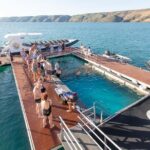





Who will enjoy this day most
This trip suits wildlife enthusiasts who are happy to spend a full day at sea and value the chance to learn as much as the chance to see. It is particularly appealing if you are already visiting Albany or Bremer Bay, or if you are planning a longer road trip through Western Australia’s south coast.
Families can consider it if their children are at least 10 and are comfortable with a long boat trip. The operator recommends intermediate fitness, so think about your ability to manage a day aboard and follow crew instructions. The boat has comfortable facilities, but this is still an offshore expedition, not a short harbour cruise.
It may be a poor fit if you have only a brief stop in the region, dislike open-water travel or would be disappointed by a day without orcas. The return-trip offer softens the risk for some people, but it does not change the fact that sightings cannot be guaranteed.
Should you book the Bremer Canyon expedition?
Book it if seeing wild orcas is high on your list, you can make the early start and you are prepared for a full day at sea. The strongest reasons are the Bremer Canyon setting, the marine biologist’s commentary, the capable onboard facilities and the possibility of seeing a broad mix of marine life.
Think twice if your schedule cannot absorb an eight-hour cruise or if you need a guaranteed wildlife encounter. Check the confirmed meeting time, arrange food needs in advance, pack for cold and wet conditions, and make sure the no-whale return offer is useful to you. With those expectations in place, this is one of the more distinctive ways to experience Western Australia’s offshore wildlife.
Bremer Canyon Killer Whale Expedition
“A truly amazing experience! The crew are very knowledgeable and helpful, catering is excellent, with vegan and gluten free options available upon p…”
FAQ
How long is the Bremer Canyon Killer Whale Expedition?
The cruise lasts about eight hours. The stated return time is around 4:30 pm, but the schedule can change with weather and other conditions.
Where does the cruise depart?
It departs from Bremer Bay Boat Harbour, Lot 115 Swarbrick Road, Bremer Bay, Western Australia.
What time should I arrive?
The departure information gives 7:45 am and says passengers must arrive by then. Another instruction says to be ready for the vessel’s 8:30 am departure. Check the confirmed time for your booking and arrive early.
What food and drinks are included?
Morning tea, lunch and afternoon tea are included, along with unlimited hot and cold drinks. Lunch varies and may include rolls, sandwiches, quiches, platters, cakes, slices or fruit kebabs. Tell the operator about dietary requirements in advance.
What happens if no whales are seen?
You can join another whale-watching cruise for free within 24 months. The no-whale offer does not include a refund for the original trip.
Can children join the expedition?
Children must be at least 10 years old. Younger children cannot be accommodated for safety reasons.