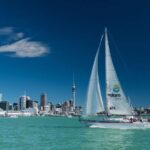
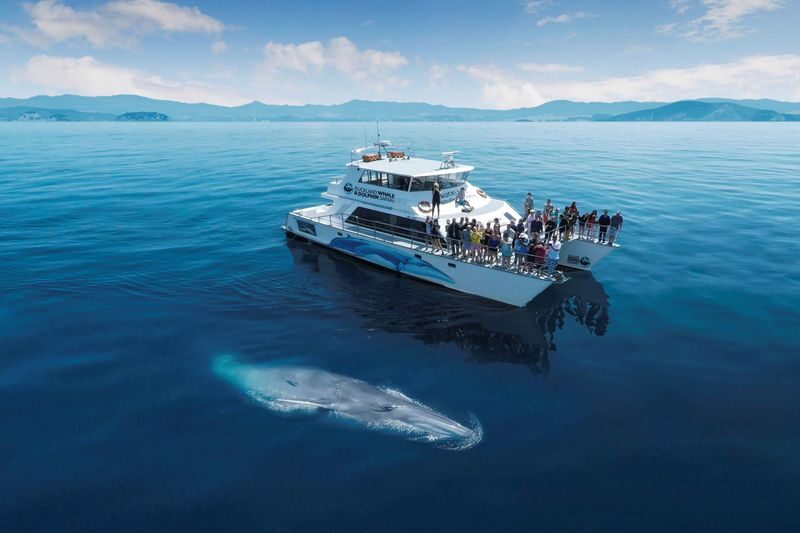
Auckland’s skyline slips behind as the Dolphin Explorer heads into the Hauraki Gulf, where dolphins may race the boat and whales can surface far out on the water. This is a genuine search, not a staged wildlife encounter: the crew follows signs of marine life, and the animals decide whether to appear.
I like two things in particular: the marine scientists explain the wildlife and research as you go, and the sighting guarantee gives you another chance if you see no marine mammals at all. The views of the Harbour Bridge and Rangitoto Island add interest on the way out.
The trade-off is time and uncertainty. You’ll be at sea for about four to four-and-a-half hours, and the trip can be bumpy or canceled in poor conditions. Dolphins are a more realistic hope than a guaranteed whale sighting.
- What makes this cruise worth considering
- Leaving Viaduct Harbour for the Hauraki Gulf
- Watching for dolphins, whales and seabirds
- Learning from the marine scientists onboard
- Comfort, sea conditions and what to bring
- Timing, price and the return guarantee
- Getting there and keeping your plans flexible
- Who should book the Auckland safari?
- FAQ
- How long is the Auckland Whale and Dolphin Safari?
- Where do I meet the boat?
- How early should I arrive?
- What happens if no whales or dolphins appear?
- What wildlife might I see?
- What should I wear and bring?
- Does the cruise operate in bad weather?
- Can children join the cruise?
- The Best Of Auckland!
- More Boat Tours & Cruises in Auckland
- More Tours in Auckland
- More Tour Reviews in Auckland
- Not for you? Here's more nearby things to do in Auckland we have reviewed
What makes this cruise worth considering
 1 / 8
 2 / 8
 3 / 8
 4 / 8
 5 / 8
 6 / 8
 7 / 8
 8 / 8
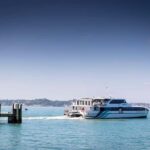
- A purpose-built 20-metre catamaran: The Dolphin Explorer is designed to give you room to watch from different parts of the boat.
- A full outing in the Hauraki Gulf: Plan on roughly four to four-and-a-half hours at sea, with the stated cruise inclusion also described as four hours.
- Wildlife beyond whales: Common and bottlenose dolphins are typical possibilities, alongside Bryde’s whales, seals and seabirds. Orcas and pygmy blue whales are less certain sightings.
- Marine research made accessible: Onboard scientists explain local species and invite you to take part in citizen-science activities supporting university research.
- A useful return offer: If no marine mammals are seen, you can come back for free. Seeing dolphins but not whales does not mean you have seen nothing.
- Weather shapes the plan: Sea and weather conditions can lead to cancellation, so check the trip status before setting out.
👉 See our pick of the 5 Best Workshops And Classes In Auckland
Leaving Viaduct Harbour for the Hauraki Gulf
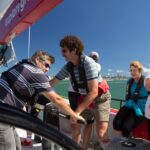
The meeting point is in Viaduct Harbour, at the western end of Quay Street. Find the boat opposite the New Zealand Maritime Museum, at 175 Quay Street, Auckland 1010. Check in with the crew by the boarding ramp at least 15 minutes before departure. Check-in closes then, and late arrivals or no-shows are not refunded, so don’t cut it close.
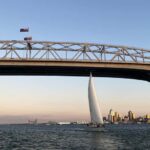
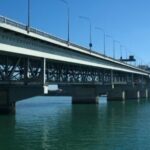
The harbor itself is part of the pleasure. Once aboard, you’ll get views of the Auckland Harbour Bridge and Rangitoto Island as the boat leaves the city behind. Those early minutes are a good chance to get your bearings, settle in and take a few photographs before attention shifts to the water.
The outing is not a sightseeing cruise with a guaranteed sequence of stops. The crew searches for wildlife and adjusts the route according to what they can find. That makes the day more like a field trip than a set tour: the marine scientists’ commentary helps you understand what you are looking for, even when an animal stays elusive.
You can also read our reviews of more boat tours in Auckland
Watching for dolphins, whales and seabirds
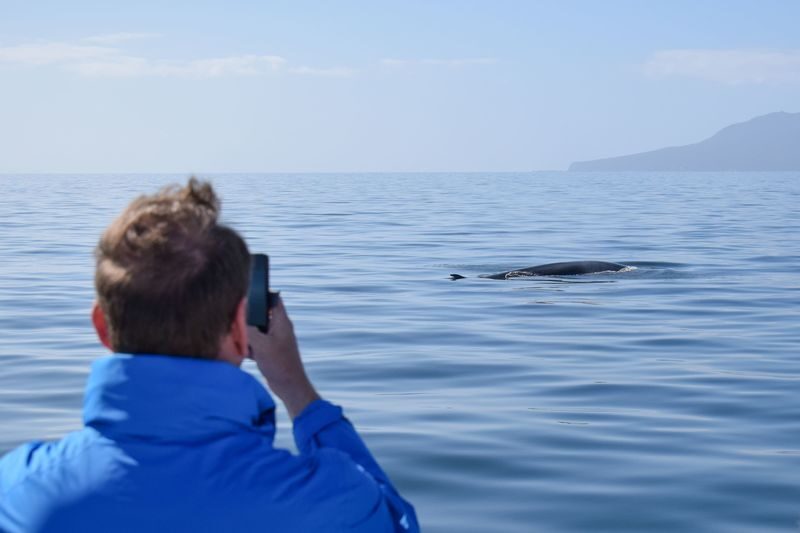
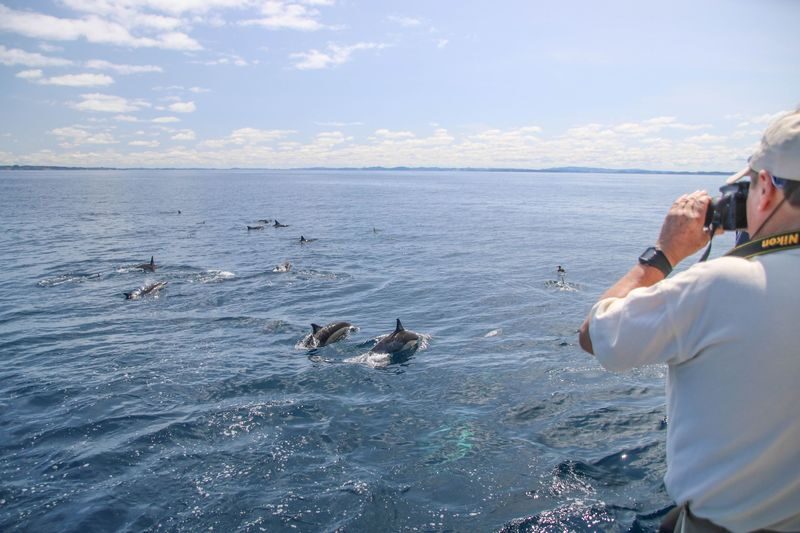
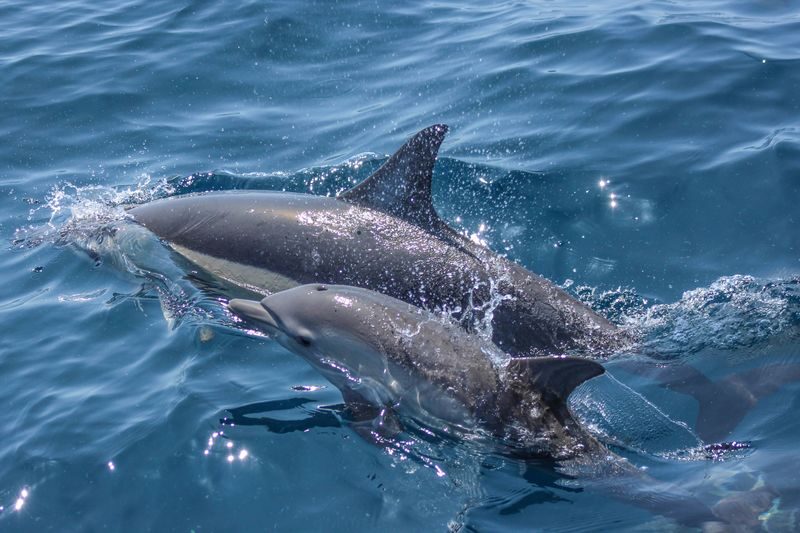
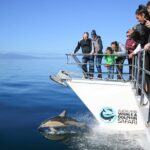
Dolphins are often the most immediate reward. Common and bottlenose dolphins may appear in groups, sometimes swimming near the vessel. That close, lively movement is usually easier to appreciate than to photograph, especially if the sea is choppy and you’re holding the rail. A phone lanyard is a sensible precaution if you want to take pictures while on deck.
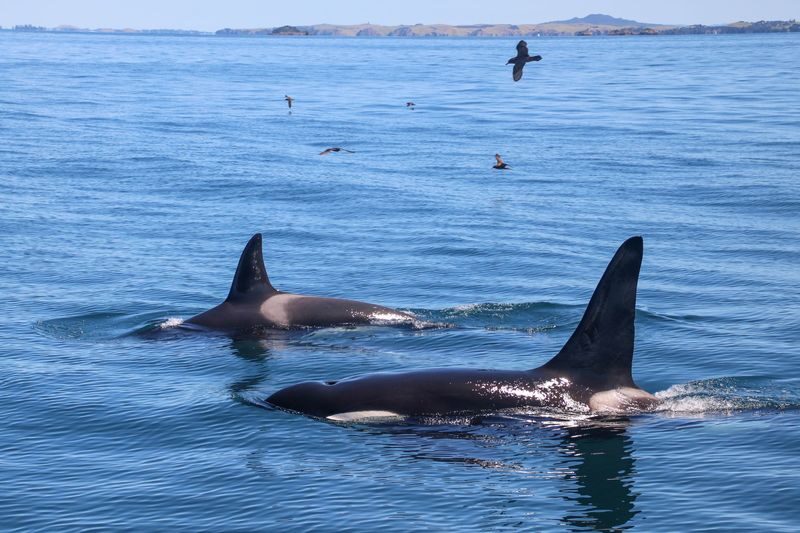
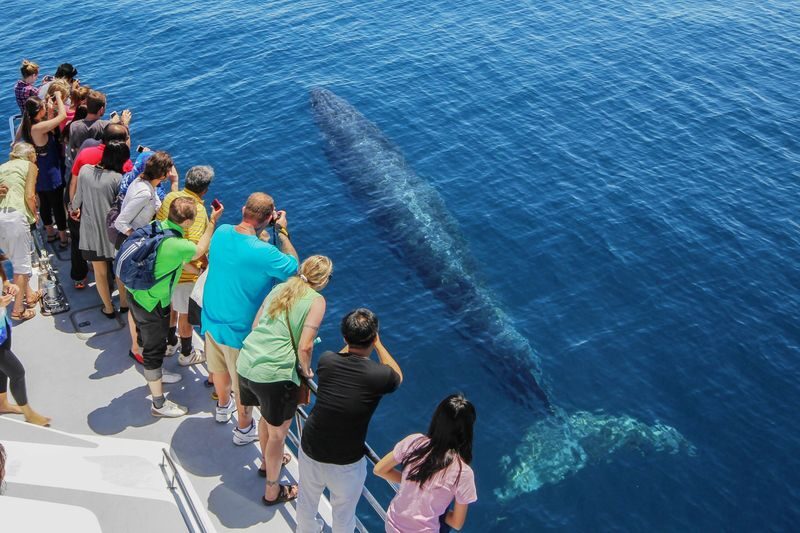
Whales call for patience and a little luck. Bryde’s whales are among the species you may see, and the tour also searches for orcas, known as killer whales, and pygmy blue whales. Sightings can be distant: you might first notice a blow or a glimpse of a back rather than a dramatic close pass. A whale seen from afar is still a real encounter, but it may not match the close-up image many people bring to mind.
The Gulf also holds seals and a variety of seabirds. Penguins have been spotted on some trips, but they are not a promised part of the outing. Species and sightings vary with season and conditions, so it’s best to think of the cruise as a chance to observe the local marine environment, not a checklist you’re certain to complete.
This distinction matters when you decide whether to book. If your day feels worthwhile only if a whale appears close to the boat, the trip carries a real risk of disappointment. If you’re curious about marine life and happy to watch dolphins, birds and changing sea conditions along the way, the experience has more ways to reward you.
Learning from the marine scientists onboard
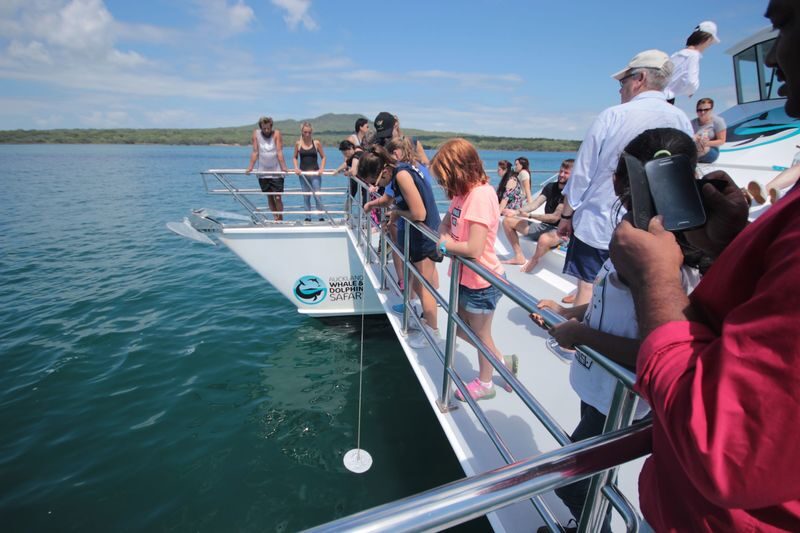
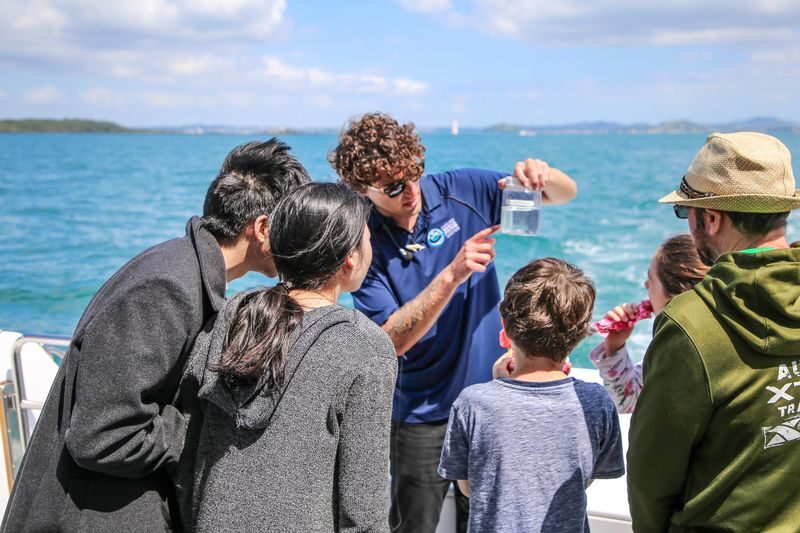
The commentary is more than a running list of animal names. The onboard marine scientists explain the species around the Gulf and discuss how researchers study them. You can also take part in citizen-science activities that support research with local universities.
That research element gives the cruise a purpose beyond spotting wildlife. You see how observation at sea can contribute to a wider picture of marine life, and the guides can put an encounter into context. Several details make more sense when you know what the crew is watching for, or why a particular sighting matters.
The strongest feature here is the crew’s role in making an uncertain outing feel informative. They scan for animals, share what they know in plain terms and give safety guidance. When wildlife stays away, that knowledge can help fill the quiet stretches, though it cannot turn a long search into constant entertainment. One visitor described a day with only birds and wished there had been more to do onboard. Keep that possibility in mind: this is not a guaranteed show.
Comfort, sea conditions and what to bring
The Dolphin Explorer is a 20-metre catamaran, and several people have found the boat clean, comfortable and roomy. A catamaran can feel steady in good conditions, but no boat can promise a smooth ride in open water. Some passengers have felt seasick, including people who took motion-sickness medicine. If you’re prone to seasickness, plan ahead and follow advice that is suitable for you.
Dress for wind, spray and shifting weather rather than just the temperature at the dock. The operator recommends light, comfortable clothing, preferably quick-drying, plus walking shoes and warm layers that can protect you from wind and rain. Sunscreen matters even on cooler days: you can spend hours exposed on the water, and the sun can catch you quickly.
Bring a camera, but put safety first when the boat is moving. A secure phone strap or lanyard helps if you’re taking pictures near the rail. Insect spray is also highly recommended, though the supplied information does not say where or when insects are most likely to be a problem.
Timing, price and the return guarantee
The cruise is listed from $141.09, while the package details also show a US$128.25 starting price. Those figures differ, so check the price and currency shown for your chosen date before paying. The fare covers admission to the Hauraki Gulf Marine Park, live commentary and the cruise; transport to the harbor, personal expenses, tips and insurance are not included.
For that price, the value rests on three things: the time on the water, the chance to see marine mammals, and the guidance from the scientists. It’s a substantial half-day outing, and the fare may feel worthwhile if dolphins or whales are a highlight of your Auckland plans. It may feel steep if you have little interest in seabirds, marine research or simply being at sea.
There is a small timing difference in the details: the experience is described as a four-and-a-half-hour safari, while the included cruise is listed as four hours. Treat it as a long outing and leave room in your schedule rather than booking a tight connection afterward. Morning departures have been listed at 7:30 am and 1:00 pm from December 1, 2025, to March 31, 2026, and at 10:30 am from April 1 to September 30, 2026. Departure times can change, so confirm the schedule for your date.
The sighting guarantee is reassuring, but understand its limits. If you see no marine mammals, you can return for free. If dolphins appear but whales do not, you have still had a mammal sighting, so the guarantee does not promise a second trip simply because the whale search came up short. The return offer is useful if you have the flexibility to come back, but less valuable if your Auckland stay is brief.
You can also read our reviews of more tours and experiences in Auckland
Getting there and keeping your plans flexible
Viaduct Harbour is at the western end of Quay Street, on the left as you face the water. The boat is opposite the New Zealand Maritime Museum. Bus routes 95B, 95C, 95G, 97B, 97R and 97V stop at Quay Street and Lower Albert Street, about a two-minute walk away. The location is also roughly a 15-minute drive from Auckland’s central business district, though parking details are not provided.
Weather and sea conditions can cancel a departure. Check the operator’s status page the night before and again on the morning of your trip, and keep an eye on your email or phone for a cancellation notice. If the operator cancels, you can reschedule or request a full refund.
You’ll receive booking confirmation within minutes; if it doesn’t arrive, contact customer support. Your mobile voucher is accepted. The voucher is valid only for the date and time specified, and children aged 0 to 17 must travel with a paying adult. Children aged 0 to 14 use a child ticket and must present valid photo ID; children aged 15 and older pay the adult rate. Infants and children must be included in the passenger count.
Who should book the Auckland safari?
I’d consider this cruise if you enjoy wildlife, want time on the water and are interested in learning about the Gulf as well as spotting animals. It can suit families with children who are comfortable with a long boat outing, provided an adult accompanies them and the sea conditions work for the group.
It is a weaker match if you get seasick easily, have a medical condition that makes this activity unsuitable, or have only a narrow window in Auckland. The operator specifically advises against the experience for some medical conditions, including high blood pressure and epilepsy. Check with a medical professional if you’re unsure whether a long trip at sea is right for you.
Book it for the search, not a guaranteed whale encounter. You may see dolphins close by, whales at a distance, birds, seals or a mix of sightings. The crew’s science commentary and the return offer add value, but nature still sets the agenda. If that sounds like a fair bargain, the Hauraki Gulf is a memorable place to spend a half day.
Auckland Whale and Dolphin Safari Cruise
“saw curious whales! amazing! and the yacht is very clean and comfortable. Recommended!”
FAQ
How long is the Auckland Whale and Dolphin Safari?
The safari is described as lasting about four and a half hours. The included cruise is also listed as four hours, so allow roughly four to four and a half hours for the outing.
Where do I meet the boat?
Meet the crew at Viaduct Harbour, at 175 Quay Street, Auckland 1010. The boat is opposite the New Zealand Maritime Museum, by the boarding ramp.
How early should I arrive?
Check in at least 15 minutes before departure. Check-in closes at that point, and latecomers or no-shows cannot be refunded.
What happens if no whales or dolphins appear?
If you see no marine mammals, you can return for free. The guarantee is for no marine mammals, not specifically for a whale sighting.
What wildlife might I see?
Possible sightings include common and bottlenose dolphins, Bryde’s whales, orcas, pygmy blue whales, seals and seabirds. Sightings depend on the season and conditions.
What should I wear and bring?
Wear light, comfortable clothing, preferably quick-drying, along with walking shoes and warm layers that can protect you from wind and rain. Bring sunscreen, a camera and insect spray. A phone lanyard can help keep your phone secure while taking pictures.
Does the cruise operate in bad weather?
The trip depends on weather and sea conditions, and the operator may cancel when conditions are unsuitable. Check the trip status before departure and watch for email or phone updates.
Can children join the cruise?
Yes. Children aged 0 to 17 must be accompanied by a paying adult. Children aged 0 to 14 need a child ticket and valid photo ID; those aged 15 and older pay the adult rate. Infants and children must be included in the passenger count.