The best part of this Shanghai class is that the cooking starts before you reach the stove. You walk through a traditional market with chef Yin, see where the ingredients come from, and choose fresh vegetables and spices before turning them into a four-dish, fully plant-based meal.
I like two things in particular: the market visit connects ingredients to everyday food culture, and the hands-on lesson teaches practical techniques, not just a menu to copy. Yin also shares recipes, so you can try the dishes again at home. One consideration is the price: from US$151.75, this is a substantial spend for a cooking class, especially if you mainly want a meal rather than instruction.
- Key things to know
- From a Shanghai market to Yin Studio
- At the market, learn what goes into the pan
- Four vegetarian dishes, cooked by you
- Learn from Yin, then take the recipes home
- What the price buys you
- Getting to Lane 190, Guangyuan Road
- Is this the right Shanghai cooking class for you?
- FAQ
- How much does the cooking experience cost?
- Is the food vegan?
- Which dishes will I cook?
- Where is the meeting point?
- How do I get to Yin Studio by metro?
- Is there a minimum age?
- The Best Of Shanghai!
- More Food Experiences in Shanghai
- More Tours in Shanghai
- More Tour Reviews in Shanghai
- Not for you? Here's more nearby things to do in Shanghai we have reviewed
Key things to know
 1 / 5
 2 / 5
 3 / 5
 4 / 5
 5 / 5
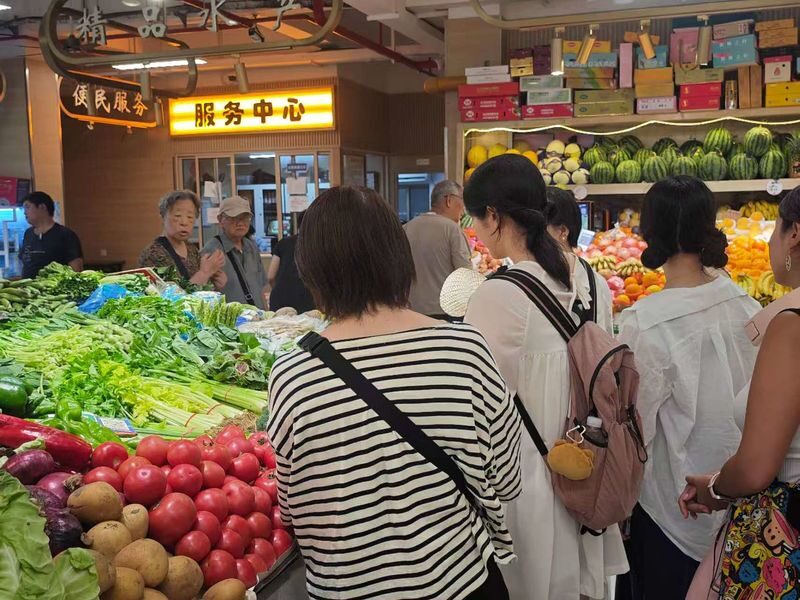
- The market comes first: Walk with chef Yin through a traditional Shanghai market and learn about ingredients before cooking.
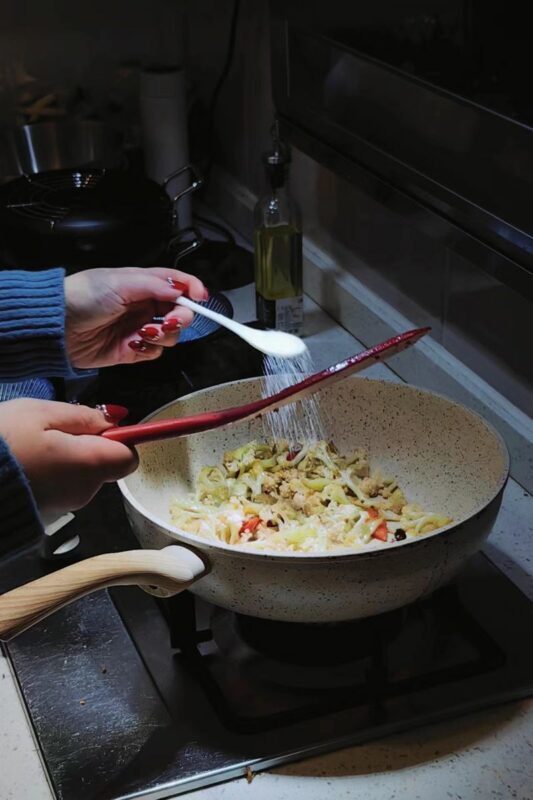
- Four dishes are included: The class is entirely plant-based, with examples such as vegan Mapo tofu and dry pot cauliflower.
- You do the cooking: Expect to take part in ingredient selection, preparation, seasoning, and cooking.
- The skills travel home: Yin provides recipes, and the techniques can help you make the dishes again.
- It suits new cooks, too: The class is described as suitable for all skill levels, and children must be at least 7.
- The meeting point is in Xuhui: Yin Studio is at Lane 190, Guangyuan Road, near Wukang Mansion.

👉 See our pick of the 25 Best Guided Tours In Shanghai
From a Shanghai market to Yin Studio
This experience links two sides of Chinese cooking that are easy to miss when you eat out: choosing ingredients and learning how they behave in a hot pan. You begin at a local market with Yin, then continue at Yin Studio, where the ingredients become part of four vegetarian dishes.
The market visit is more than a shopping stop. It gives you a chance to see the produce and spices in context, and to ask how they are used. That matters if you are curious about plant-based Chinese food but are not sure what to buy or how to work those ingredients into a home kitchen.
The class description names vegan Mapo tofu and dry pot cauliflower as examples. Those dishes also hint at the range of the lesson: tofu can take on a strongly seasoned sauce, while cauliflower can be cooked with punchy spices and aromatics. The exact four dishes are not specified in advance, so treat those examples as possibilities rather than a guaranteed menu.
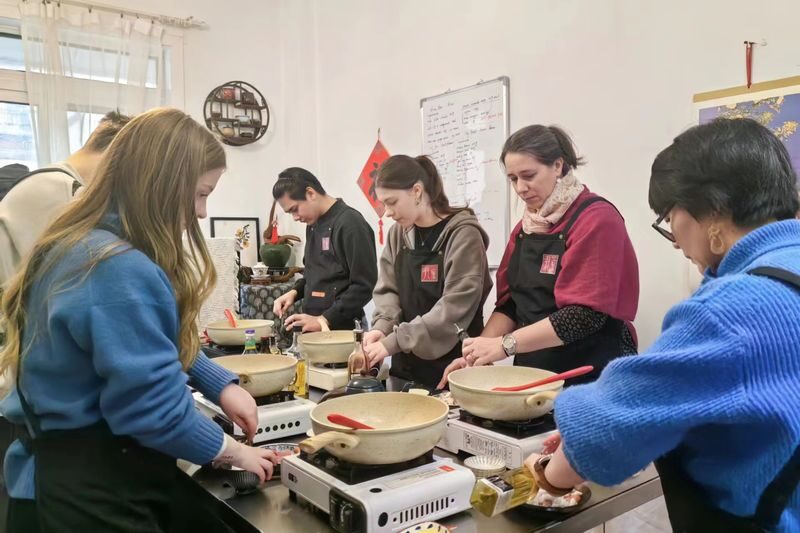
You are not just watching a chef prepare a meal. The format is hands-on, from selecting ingredients through cooking and eating. That makes the class useful for anyone who wants to leave with more than a pleasant lunch: you get a clearer idea of how ingredients, heat, and seasoning work together.
You can also read our reviews of more tours and experiences in Shanghai

At the market, learn what goes into the pan
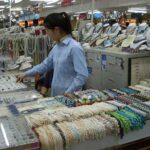
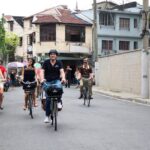
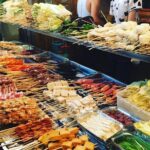
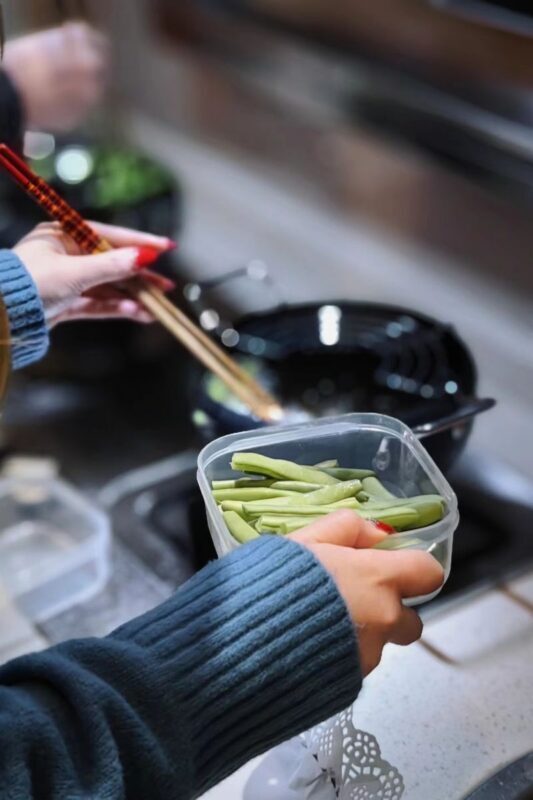
A market visit can make a cooking class feel more grounded. Instead of beginning with ingredients already laid out on a counter, you see them where local cooks buy them. Yin guides you through the selection process and explains something about their cultural background and use.
The practical value is especially clear for plant-based cooking. A recipe may tell you what to buy, but it cannot always explain how to judge an ingredient or where it fits in the wider food culture. Walking through the market with a chef gives you a chance to connect the dish on your plate with the produce and seasonings that help shape it.
This may also be the most useful part if you want to keep exploring vegan Chinese food after the class. One participant found the market visit helpful for seeking out and buying more ingredients later. That is a good sign of a class that teaches beyond its own kitchen, although you should not expect a full guide to every market or a set list of vendors. The visit is described as a tour with ingredient selection, not a separate shopping excursion.
Markets can be busy places, and you will be moving through an active local setting rather than a staged food display. Keep your attention on Yin’s explanations and the ingredients in front of you. If you have a particular dietary concern beyond eating vegan, ask about it before booking; the experience is explicitly plant-based, but other dietary needs are not described.
Four vegetarian dishes, cooked by you
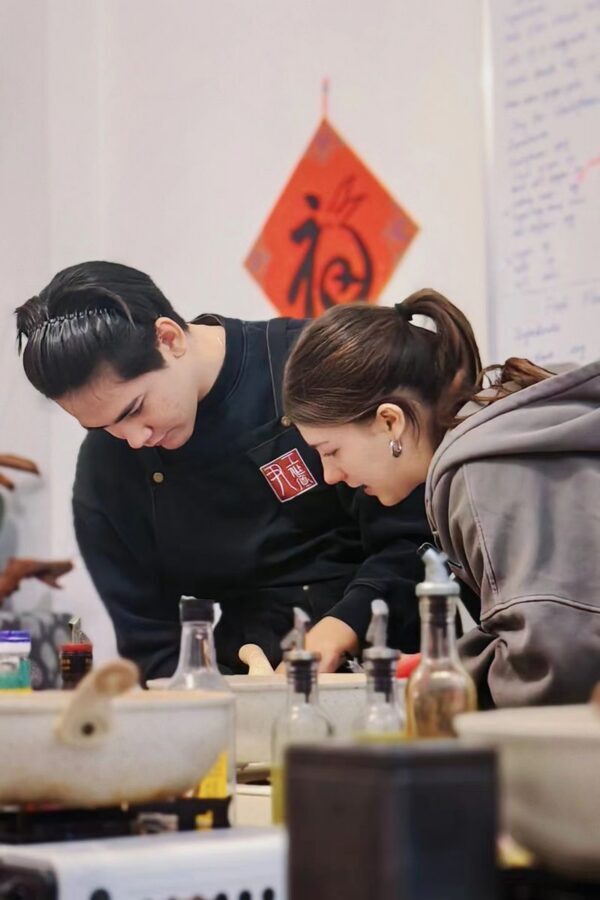
After the market, the class moves to Yin Studio, on the second floor of Building 17 at Lane 190, Guangyuan Road. There, Yin leads you through four classic vegetarian dishes. The central appeal is participation: you are expected to cook, not simply stand back and watch a demonstration.
Yin teaches Chinese cooking techniques, including stir-frying and seasoning. Those are useful skills because they apply to far more than one recipe. Once you understand how to build flavor and handle ingredients in a pan, you have a starting point for experimenting with other vegetables and tofu at home.
The menu is fully plant-based, which makes the experience a natural fit for vegans and vegetarians. It also offers a practical way to learn about Chinese food without needing to negotiate around meat or dairy in each dish. If you eat everything, the class can still be worthwhile: it lets you see how much variety a vegetable-focused meal can have.
Vegan Mapo tofu and dry pot cauliflower are named as sample dishes, not confirmed inclusions. If either is a must-have for you, check the menu with the operator before booking. The class promises four classic vegetarian dishes, but the available details do not specify exact recipes, portion sizes, or how much the menu changes.
Learn from Yin, then take the recipes home
The most valuable detail for a home cook is that Yin provides recipes. One participant described learning techniques from her and recreating the dishes at home. That is a stronger outcome than simply remembering a good meal: a recipe gives you a way to repeat what you learned, while the cooking instruction helps you understand what the written steps are trying to achieve.
Yin is described as patient and kind, qualities that matter in a hands-on class. Beginners may need time to get comfortable with unfamiliar ingredients or cooking methods. More experienced cooks can still use the class to ask questions and pick up a different approach to seasoning or stir-frying.
Conversation is part of the appeal, too. You are learning about food while spending time with a local instructor, rather than moving through a scripted attraction. The experience combines cooking with an introduction to urban food life, which makes it a good choice if you like activities that bring you into contact with daily routines.
Still, this is not a private cooking consultation unless that is confirmed separately. The group size and the amount of individual instruction are not specified. If you need close one-on-one help, or have particular questions about allergies and substitutions, ask before paying.
What the price buys you
At US$151.75 and up, this is not a budget meal. Its value depends on whether you want to learn. The price covers a local market tour and a cooking experience featuring four dishes, so you are paying for time with an instructor, ingredient context, active practice, and a meal you prepare yourself.
That package can be good value for a curious cook. You can take away recipes and techniques that may serve you well beyond the day, and the market visit helps make those recipes easier to understand. It is less compelling if you simply want to sample Shanghai food or have a quick lunch; a restaurant meal will likely be a more direct choice for that.
There is only one public rating supplied for this experience, so the strong score should be read as encouraging but not as a broad measure of consistency. The detailed account emphasizes Yin’s teaching, the market visit, useful techniques, and recipes that could be recreated at home. Those are exactly the parts that make the class appealing, but your own experience will depend on the day’s menu and the group.
You can also read our reviews of more shopping tours in Shanghai





Getting to Lane 190, Guangyuan Road
The meeting point is Yin Studio, second floor, Building 17, Lane 190, Guangyuan Road, in Shanghai’s Xuhui District. Wukang Mansion is a nearby landmark, which can help you orient yourself in this part of the city.
By metro, the listed options are Xujiahui Station, Exit 16, about an eight-minute walk, or Jiaotong University Station, Exit 1, about a ten-minute walk. You can also give a taxi the address Lane 190, Guangyuan Road, Shanghai. Allow enough time to find the studio inside the lane and building, rather than aiming to arrive at the last minute.
The voucher is valid only on the specified date and time, if a time is specified. Confirmation is expected within 24 hours; if you do not receive a confirmation email, contact customer support. The stated age minimum is 7, and anyone who appears intoxicated may be refused service without a refund. Tips and personal expenses are not included.
Is this the right Shanghai cooking class for you?
Book this if you are vegan, vegetarian, or simply interested in how plant-based Chinese dishes are made. It is especially suited to people who enjoy cooking and want a practical lesson they can carry into their own kitchen. The combination of market shopping, instruction from Yin, four dishes, and take-home recipes gives the experience a clear purpose beyond eating.
Think twice if your priority is a low-cost meal, a guaranteed specific menu, or a short activity with no hands-on work. The price is high enough that you should want the learning as well as the food. If that sounds right, the market-to-table format offers a personal way to connect Shanghai’s everyday ingredients with the techniques used to cook them.
Vegan Chinese Cooking Experience: 4 Classic Vegetarian Dishes + Local Market Tour
“We had the most wonderful time learning from and talking with Yin! The market visit was informative and opened the door for seeking out and buying…”
FAQ
How much does the cooking experience cost?
Prices start at US$151.75. The experience includes a local market tour and a cooking class featuring four vegetarian dishes.
Is the food vegan?
Yes. The experience is described as 100% plant-based.
Which dishes will I cook?
The class covers four classic vegetarian dishes. Vegan Mapo tofu and dry pot cauliflower are given as examples, but the exact menu is not specified.
Where is the meeting point?
Meet at Yin Studio, second floor, Building 17, Lane 190, Guangyuan Road, in Xuhui District, Shanghai.
How do I get to Yin Studio by metro?
You can walk about eight minutes from Xujiahui Station, Exit 16, or about ten minutes from Jiaotong University Station, Exit 1.
Is there a minimum age?
Yes. Participants must be at least 7 years old.