The Big Island packs a remarkable change of scenery into one long day: coffee country, a black sand beach, volcanic terrain, and, if the weather cooperates, a sky full of stars. I like the mix of Hawaii Volcanoes National Park and Punaluʻu Beach, where the scenery is as different as it gets from one stop to the next.
I also like that the trip includes meals, hotel transfers, and jackets, useful extras on a 12-hour outing that ends in the cool dark near Mauna Kea. The main caveat is weather: rain, cloud, or flooded roads can cut stops and hide both volcanic views and stars.
- The Big Island in one long day
- Coffee, coast, volcano, and stars
- Kona coffee comes before the long drive
- Punaluʻu’s black sand and turtle lookout
- Volcanoes National Park: craters, lava, and a tube
- A sit-down dinner before the night sky
- Stargazing near Mauna Kea depends on the sky
- What the price includes, and what it does not
- Who should book this tour?
- FAQ
- How long is the tour?
- Is hotel pickup included?
- Are park admission and meals included?
- What should I bring and wear?
- Is the tour suitable for children?
- Will I definitely see lava or stars?
- The Best Of Island Of Hawaii!
- More Tours in Island Of Hawaii
- More Tour Reviews in Island Of Hawaii
- Not for you? Here's more nearby things to do in Island Of Hawaii we have reviewed
The Big Island in one long day
 1 / 5
 2 / 5
 3 / 5
 4 / 5
 5 / 5
- A Kona coffee farm starts the route with a guided look at how coffee is harvested and a fresh tasting.
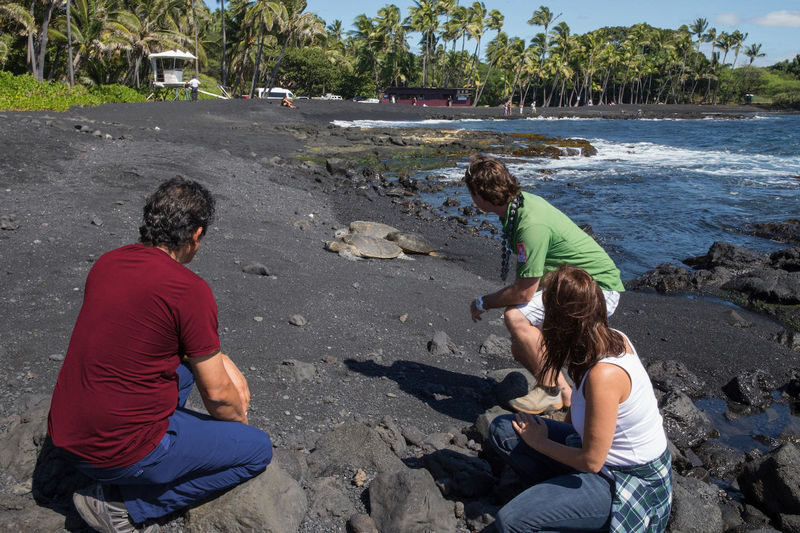
- Punaluʻu’s black sand is a proper stop, with a chance to spot green sea turtles along the shore.
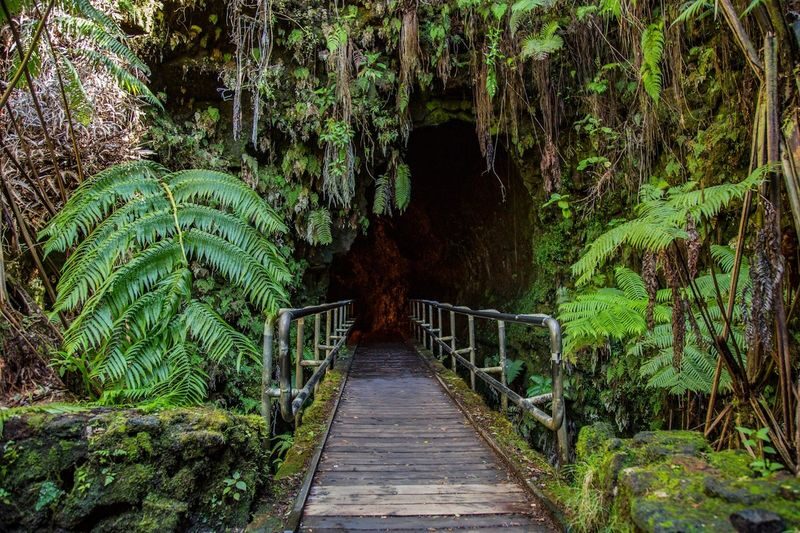
- Volcanoes National Park brings the day’s main walking, including Chain of Craters Road and Thurston Lava Tube.
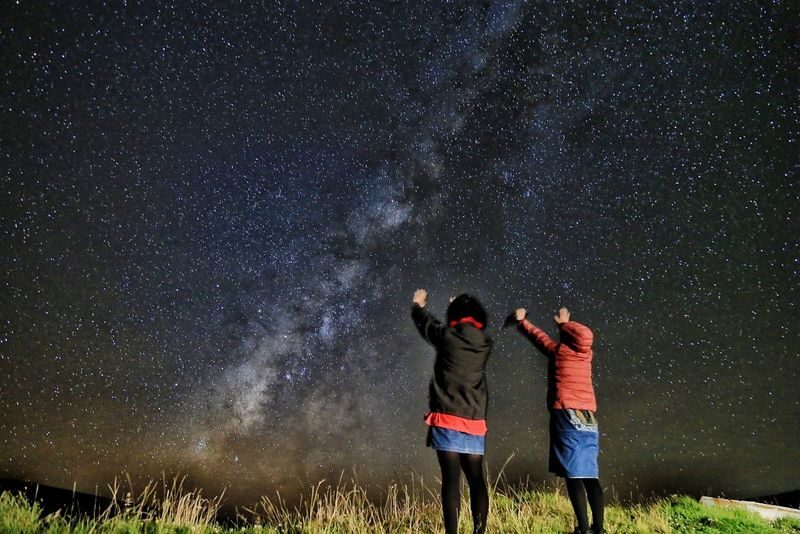
- Stargazing near Mauna Kea closes the tour, with the guide pointing out stars and planets when skies allow.
- Meals, water, snacks, park admission, and hotel transfers are included, reducing the small costs and planning chores of a full-day trip.
- Weather can change the plan, so book for the range of the day, not a guaranteed lava sighting or star show.
👉 See our pick of the 3 Best Helicopter Flights And Tours In Island Of Hawaii
Coffee, coast, volcano, and stars
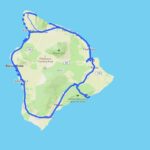
This guided small-group trip links places that are far apart and very different in character. You leave at about 10 a.m. and return around 10 p.m., with pickup and drop-off at your hotel or personal address. Group size is listed as one to 13 people, so the van should feel more personal than a large coach, though you will still be following a set route and sharing the day.
The order and timing may shift with traffic and weather. That flexibility matters on the Big Island, where one stretch of road can take you from coastal views to a wet, cool volcanic area. Your guide handles the route and shares information about Hawaii’s natural features and local stories, leaving you free to look out the window instead of navigating.
The tour is a good choice if you have limited time and want a broad introduction to the island’s southern and eastern sights. It is less suited to anyone who prefers a slow, single-location visit. Twelve hours is a full day, and the itinerary includes repeated stops, walking, and time on the road.
You can also read our reviews of more tours and experiences in Island Of Hawaii.
Kona coffee comes before the long drive
The first stop is a local coffee farm, where you get a guided look at the harvesting process and a taste of fresh Kona coffee. This is more than a caffeine break. It gives you a small, grounded introduction to one of the Big Island’s best-known agricultural products before the day moves on to beaches and lava.
The farm visit is also a gentle start to a packed schedule. You can ask questions and get your bearings while your guide sets the scene for the places ahead. The exact farm and tasting details are not specified, so do not expect a particular roast, meal, or length of visit.
From there, the route passes scenic Kealakekua Bay and South Point. These are highlights to look for from the road, rather than confirmed long stops. Keep your camera handy, but do not count on extended time at either place. Their value is in showing how much the island changes across the route, from bayside views to the open southern coast.
Punaluʻu’s black sand and turtle lookout
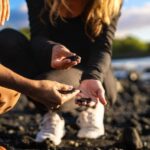
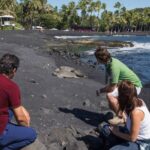
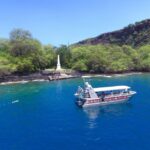
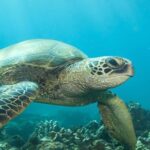
Punaluʻu Black Sand Beach offers one of the clearest visual contrasts of the day. Its dark shore is made from volcanic material, and the beach is known for sightings of Hawaii’s green sea turtles. You can walk along the sand, take in the coast, and keep an eye out for turtles resting near the water.
Treat a sighting as a possibility, not a promise. Wildlife keeps its own schedule, and the tour’s timing and conditions may affect how long you have here. If turtles are present, give them space and follow your guide’s instructions. The beach is worth seeing even if the animals are elsewhere: the black sand alone makes it unlike the usual postcard beach.
Wear walking shoes that can handle uneven ground, and bring sunscreen, a hat, and sunglasses. The tour also recommends a change of clothes, a sensible precaution on a day that moves between sunny coast and potentially wet park trails.
Volcanoes National Park: craters, lava, and a tube
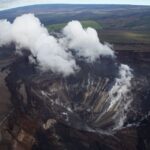
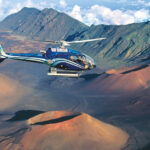
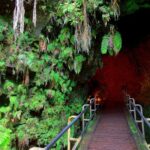
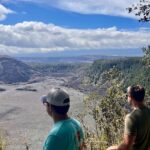
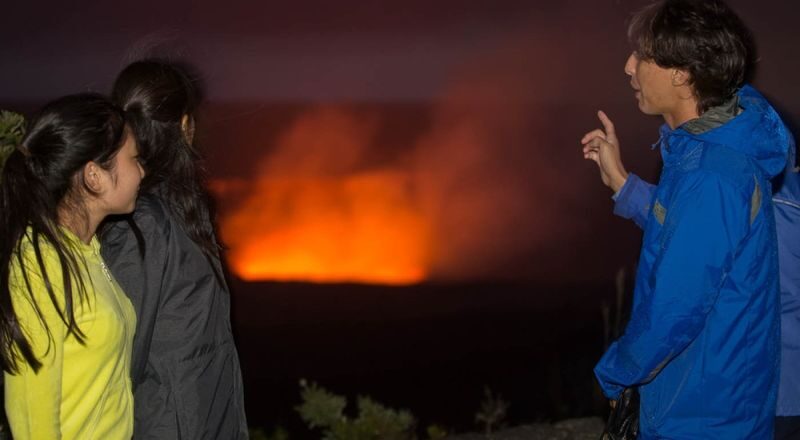
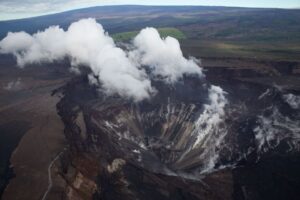
Hawaii Volcanoes National Park is the day’s central stop, with a drive along Chain of Craters Road, views of past eruption sites, and a walk through Thurston Lava Tube. The route gives you a sense of the scale and variety of volcanic terrain. Past eruption sites tell a story written in the land itself, while the lava tube offers a more close-up look at how molten rock shaped the ground.
The tube and park walks are engaging, but this is not a ride-only tour. The activity information warns of considerable walking and stairs, so you should be comfortable on your feet for much of the day. It is not wheelchair-accessible. If mobility, balance, or stamina is a concern, check with the operator before booking rather than hoping to manage once you arrive.
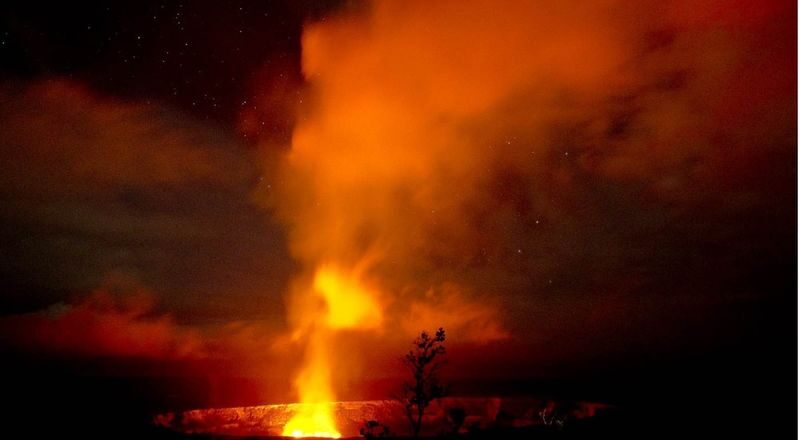
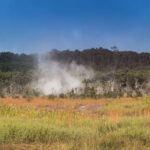
A lava eruption is possible only if conditions and volcanic activity make one visible. Do not book on the assumption that you will see flowing lava. The park remains worthwhile for its craters, old lava fields, and dramatic terrain, but weather can reduce visibility enough to make the views disappointing. Rain can also make paths difficult. One poor-weather outing had roads flooded and several planned stops missed, a reminder that an ambitious route is vulnerable to island conditions.
The guide’s role matters here. Guides Tedd and Todd have been named in connection with this tour, and the guiding style described by participants is a real strength: clear explanations, local history, and a lively approach that helps the long drive feel less like a transfer between photo stops. The best guides connect what you see with the forces and stories behind it.
A sit-down dinner before the night sky
Dinner is served at a restaurant near the park, after the volcano visit. Having a meal included is a real convenience: you do not have to find a place to eat in an unfamiliar area or carry dinner supplies through the day. Lunch is included too, with a sample meal of teriyaki chicken, grilled fish, local sweet potato, and steamed rice. Assorted juices, snacks, and bottled water are provided.
Food portions and preferences are personal matters, and one person found dinner a little light, though tasty. If you have a big appetite, consider bringing an extra snack or checking with the operator about meal arrangements before you go. The supplied menu is a sample, not a guarantee of the exact lunch served on your date.
Stargazing near Mauna Kea depends on the sky
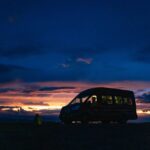
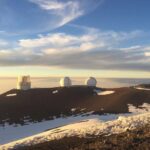
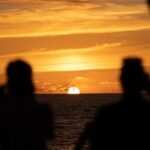
The final stop is stargazing near Mauna Kea. Your guide points out stars, planets, and other objects in the night sky, while sharing local legends. This is not a promise of a cloudless observatory session. The tour runs only as far as weather allows, and cloud cover can limit what you see.
That uncertainty is the central trade-off. On a clear night, the stars can be a memorable finish to a day of coastal and volcanic sights. Under cloud or rain, the final stop may offer little sky to look at. A guide may make an effort to wait or try again when conditions shift, but no one can arrange the weather. One guide even made a return trip up the volcano after dinner in the hope of a clearer view, a thoughtful effort but not a guarantee of success.
Bring warm clothes. Jackets and rain gear are supplied, but the night air can feel cold after a warm coastal afternoon. One practical tip is to pack a warmer layer than you think you will need, along with walking shoes that can cope with wet conditions. The supplied jackets help, but they may not replace your own comfortable warm clothing.
What the price includes, and what it does not
The tour is listed at a starting price of US$335.99, while the join-in package is also shown from US$292.15. Those are different displayed starting figures, so check the price for your chosen date and package before booking. Accommodation, personal expenses, and tips are not included.
Value depends on how you use the day. The price covers a guide, hotel transfers, park admission, lunch, dinner, snacks, bottled water, jackets, and rain gear. You also get a route that would be tiring to plan and drive yourself, especially if you want to combine a coffee farm, Punaluʻu, Volcanoes National Park, and nighttime stargazing in one outing. If you are already renting a car and prefer to visit fewer places at your own pace, a guided 12-hour trip may be less appealing.
The small-group format, capped at 13 participants, is another plus. It allows for more direct conversation with the guide than a large bus tour, while still keeping the outing social. The strongest value is for visitors who want a broad, guided overview and are happy to spend much of the day moving between stops.
Who should book this tour?
Book it if you have one open day, want to see several sides of the Big Island, and enjoy guided context as much as scenery. It is especially appealing if you do not want to manage a long drive, arrange park admission, or sort out meals and warm gear yourself. The guides’ explanations and stories can make the route more engaging, particularly through the park and during the stargazing session.
Think twice if you dislike long days, have difficulty with stairs or extended walking, or need a fixed schedule unaffected by weather. The activity is open to people aged five and older, but children aged 13 and up pay the adult rate. Younger children still need to be ready for a long day in the vehicle and at the stops.
When booking, enter your hotel name and address. The operator will confirm your pickup time, and you should be at the pickup location 30 minutes before departure. Bring a change of clothes, sun protection, a hat, walking shoes, and warm layers. The mobile voucher is accepted, and cancellation at least 48 hours before the activity date, in local destination time, qualifies for a full refund.
Twilight Volcano and Stargazing Tour in Big Island
“The itinerary itself was well-planned and included many attractions. Unfortunately, the weather suddenly turned very bad on the day we participated…”
FAQ
How long is the tour?
The tour lasts about 12 hours, with departure scheduled for 10 a.m. and return around 10 p.m. Traffic and weather may change the schedule.
Is hotel pickup included?
Yes. Round-trip transfers to and from your hotel or personal address are included. Enter your hotel name and address when booking, and the operator will confirm the pickup time.
Are park admission and meals included?
Yes. Park entrance fees, lunch, and dinner are included. The tour also provides assorted juices, snacks, and bottled water.
What should I bring and wear?
Bring a change of clothes, sunscreen, sunglasses, and a cap or hat. Wear warm clothing and walking shoes. Jackets and rain gear are supplied.
Is the tour suitable for children?
Participants must be at least five years old. Children aged 13 and older are charged the adult rate.
Will I definitely see lava or stars?
No. Lava viewing and stargazing depend on conditions. Weather can limit visibility, close roads, or change which stops are possible.