
The Trisuli gives you a shot of white water without requiring advanced rafting skills. Its rapids have names such as Ladies’ Delight, Monsoon, Upset and Surprise, and the river cuts past rock formations, villages and flocks of native and migrant birds. It’s a lively way to break up the long trip between Kathmandu and Pokhara.
I like two things in particular: you get a proper safety briefing from guides with rescue and first-aid qualifications, and you can turn the river trip into transport to Pokhara rather than retracing your route to Kathmandu. The main trade-off is the early start and long drive: plan on about three hours each way if you return to Kathmandu.
- Trisuli Rafting: The Short Version
- A River Run Between Kathmandu and Pokhara
- What the Trisuli Looks Like From the Raft
- The Briefing, the Gear and the Guides
- A Full-Day Schedule, Step by Step
- What the Price Covers, and What to Check
- Who Will Get the Most From It
- Book It for the River, Not for a Quick Excursion
- FAQ
- Where does the rafting take place?
- What time is hotel pickup?
- How long does the trip take?
- Is the rafting suitable for beginners?
- What is included in the package?
- Is lunch included?
- Can I be dropped off in Pokhara?
- Is hotel pickup available outside Kathmandu city?
- What should I bring?
- What health or fitness level is required?
Trisuli Rafting: The Short Version
 1 / 6
 2 / 6
 3 / 6
 4 / 6
 5 / 6
 6 / 6
- The rapids suit beginners and intermediate paddlers. Expect instruction before you launch, then follow your guide’s calls as the raft reaches the white water.
- The river trip can cover about 24 to 25 kilometres. Past runs have taken roughly two to three hours, while the planned rafting portion is about three hours.
- A 7:00 a.m. pickup makes this a full day. Allow about three hours to reach the river, an hour for orientation and preparation, and another three hours on the water.
- Choose your finish before booking. Return to your Kathmandu hotel or arrange a Pokhara drop-off for an extra US$55 per car, up to three people.
- Lunch, rafting gear, insurance, guides and hotel transfers are included. Tips are not, and it is sensible to confirm the lunch arrangement with your operator before setting off.
- The price is listed from US$57 for the car-transfer package, with another starting figure of US$62.70 shown. Check the final price and any transfer surcharge at checkout.
A River Run Between Kathmandu and Pokhara
The Trisuli has a practical advantage over many day activities: it can be part of the journey. Instead of spending the whole day in a vehicle on the way to Pokhara, you can travel from Kathmandu to the river, raft for several hours, then continue to accommodation in Pokhara. You trade a direct transfer for a more active route, with rapids and river scenery along the way.
If you choose the Kathmandu return, the day has a different rhythm. You leave early, spend roughly three hours getting to the river, raft, then make the same drive back. The schedule puts you at your Kathmandu hotel around 5:00 to 6:00 p.m., so this is not a quick morning outing. I would avoid pairing it with a tight evening plan.
The Pokhara option is scheduled to reach accommodation around 4:00 to 5:00 p.m. That earlier finish makes it a useful alternative if you are already moving west. But the convenience comes at a cost: the listed surcharge is US$55 per car for up to three people. Confirm that charge and your intended drop-off in advance, especially if you are comparing the total cost with a bus or other transfer.
What the Trisuli Looks Like From the Raft
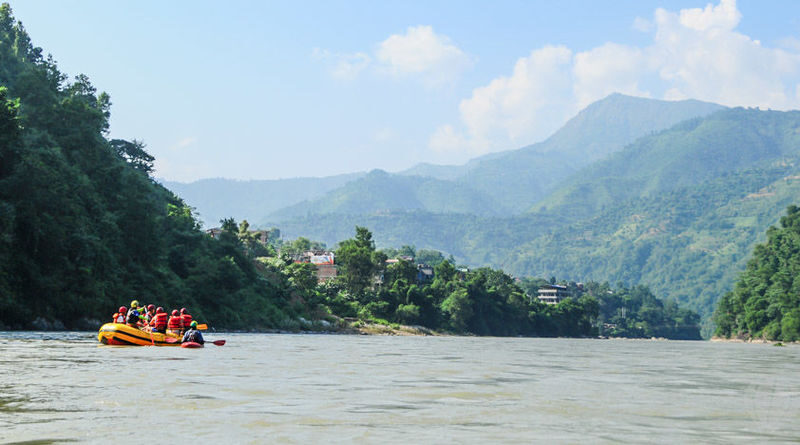
The river begins in the Himalayas and runs toward Nepal’s southern plains. On this stretch, the scenery includes gorges, rock formations, local villages and birds. The raft gives you a different view from the road: you are down at river level, moving through the bends rather than watching them pass from a window.
The water itself changes with conditions. One past trip described a normal flow and a run of about 25 kilometres in two hours. Another, taken around the start of the rainy season, noted grey, mud-mixed water and a flow that felt just right for rafting. Those accounts are useful reminders that the river’s appearance and pace can vary. Do not expect one fixed water color or a uniform level of excitement on every date.
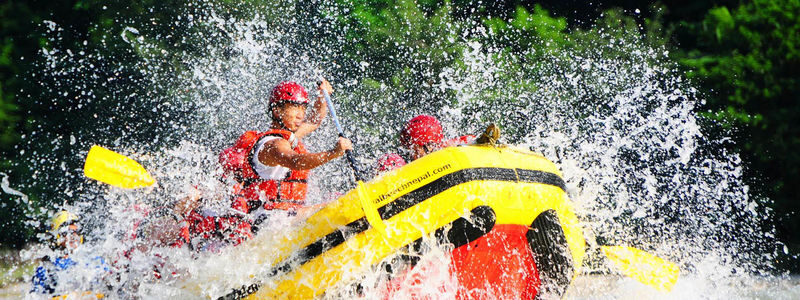
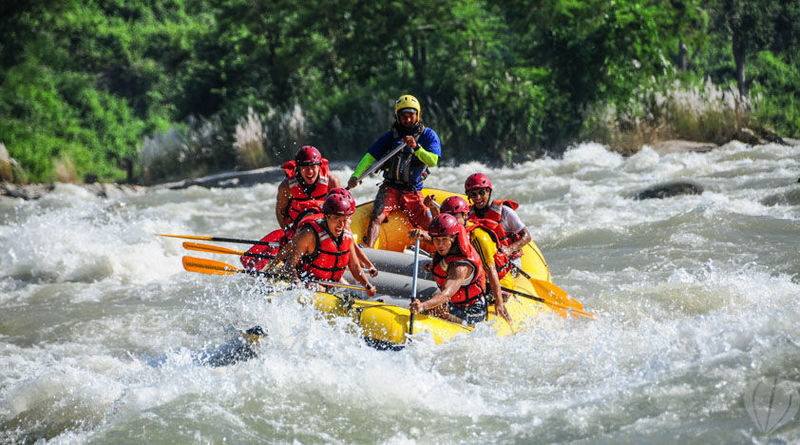
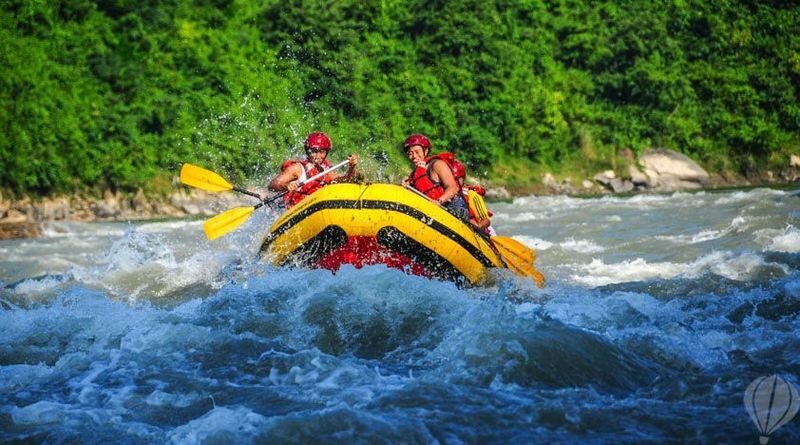
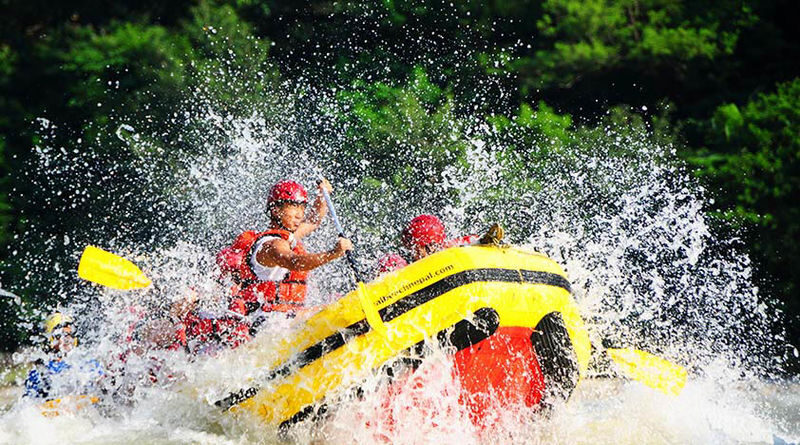
The rapids are called Ladies’ Delight, Monsoon, Upset and Surprise. The names add a bit of fun, but the useful point is that this is a sequence of rapids, not one long uninterrupted wall of white water. You will need to listen for instructions and paddle when asked. One first-time paddler described being nervous when the raft reached the rapids, then enjoying the challenge; that mix of anticipation and excitement is part of the appeal.
The Briefing, the Gear and the Guides
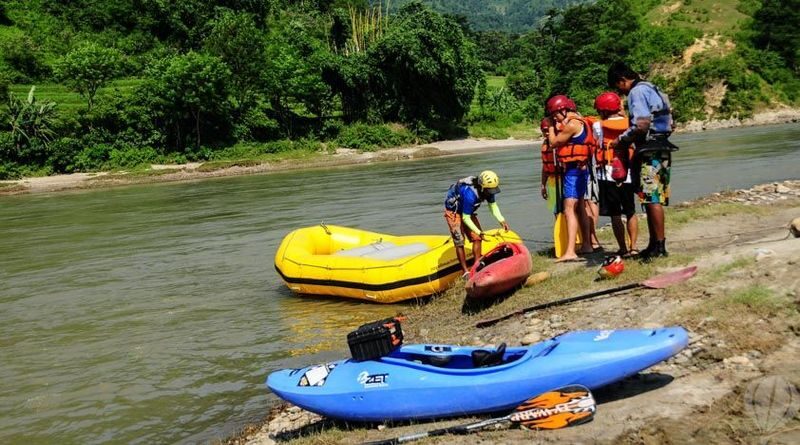
Before getting on the river, you have about an hour for orientation and preparation. The guides explain rafting and safety procedures, and the operator’s instructors are described as certified, with rescue qualifications and first-aid knowledge. That training matters. White water is fun, but it is still moving water, so a clear briefing and a guide who can respond to trouble are more than formalities.
You will receive rafting gear, and the group is instructed in how to paddle and respond to the guide’s commands. One past first-timer recalled being taught to use a strong stroke near rapids. The practical lesson is simple: listen closely before launch, then keep your attention on the guide rather than guessing what to do when the water gets rough.
The guides and crew have been praised for clear instructions and a kind, enthusiastic manner. That is encouraging, especially if this is your first rafting trip, but do not treat any single account as a promise about every guide or departure. Your own safety depends on paying attention, following directions and being honest about your health and fitness.
A Full-Day Schedule, Step by Step
7:00 a.m.: Hotel pickup in Kathmandu. Pickup is limited to hotels within Kathmandu city; hotels beyond the city limits may involve a surcharge. Be in the lobby 10 minutes early. The operator is expected to reconfirm the pickup time in advance, so check your messages before the trip.
About three hours: Drive to the Trisuli. The road transfer takes a substantial part of the morning. If you are returning to Kathmandu, you will make the drive again later, which means much of the day is taken up by travel as well as rafting. If you are headed to Pokhara, the river becomes an active stop on your onward route instead.
About one hour: Orientation and preparation. This is the time to get your gear, hear the safety instructions and learn how the guide will direct the raft. It also gives you a chance to ask questions before you are on the water. Bring a change of clothes; you should expect to finish the rafting portion needing one.
About three hours: Rafting. The planned time on the river is around three hours, though past trips have covered roughly 24 to 25 kilometres in about two hours. Flow conditions and the trip itself can affect the pace. The route combines rapids with calmer moments and views of the river’s rock formations, villages and birdlife.
Lunch and the onward transfer. Lunch is listed as included, along with insurance, gear, guides and hotel transfers. It is worth confirming the lunch arrangement with the operator or driver before departure: one past participant reported being asked to pay for lunch despite it being listed as included. Keep the stated inclusion handy and settle any uncertainty before the trip, not after you have reached the river.
Late afternoon: Return or continue to Pokhara. The Kathmandu return is expected around 5:00 to 6:00 p.m. The Pokhara drop-off is expected around 4:00 to 5:00 p.m. These are approximate arrival times, so avoid booking anything that depends on arriving at an exact minute.
What the Price Covers, and What to Check
The rafting package with car transfer is advertised from US$57, while another starting price for the activity is US$62.70. Prices can vary by package or booking details, so check the total due before you confirm. The value is strongest if you want a guided rafting day with transport arranged, rather than trying to assemble the drive, equipment and river guide separately.
Lunch, insurance provided by the operator, rafting gear, river guides and hotel transfers are included. Tips and gratuities are not. Hotel pickup applies only to Kathmandu city hotels; a surcharge may apply outside those limits. The Pokhara drop-off adds US$55 per car for up to three people, so divide that among your group when comparing the onward journey.
There is a clear difference between the two route choices. The Kathmandu return gives you a straightforward day trip, but you spend about six hours in the vehicle. The Pokhara option can make the day more efficient if you were already planning to travel there, though the additional charge changes the maths. For a group of three, the per-person impact is smaller than for a solo traveller or couple.
Who Will Get the Most From It
This trip is a good fit if you want a first taste of white-water rafting, enjoy being active outdoors and can manage a full day with an early start. The Trisuli is described as suitable for beginners through intermediate participants, and the guide briefing gives first-timers a way to learn the basic commands before launch.
It also suits people travelling between Kathmandu and Pokhara who would rather make part of the transfer memorable. If you are on a tight schedule, the Pokhara drop-off can be useful, provided you account for the surcharge and confirm the arrangement. If you only want a short rafting session, the Kathmandu return may feel like a lot of driving for several hours on the river.
All participants are expected to be in good health and physical fitness. The supplied information does not give a minimum age, weight limit or detailed medical screening rules, so ask the operator directly if any of those details matter to you. Bring a fresh change of clothes, and be prepared for a day around water rather than a polished, resort-style outing.
Book It for the River, Not for a Quick Excursion
I would book the Trisuli if you want an active day, are curious about rafting and value the chance to see the river from the water. The rapids offer a manageable introduction for many first-timers, and the route can double as a more interesting way to get toward Pokhara.
I would think twice if you dislike long road transfers or need a tightly timed day. Before paying, confirm the final package price, whether lunch is covered, the Kathmandu pickup location, and the US$55 per-car Pokhara charge if you plan to continue west. With those details settled, this can be a worthwhile mix of adventure, scenery and practical transport.
Trisuli River Rafting
“it was so much fun..you could ask for nothing more! rafting was around 25kms along the trisuli river. the flow was normal and we covered in two hou…”
FAQ
Where does the rafting take place?
The activity takes place on the Trishuli River in Benighat Rorang, Nepal.
What time is hotel pickup?
Pickup is scheduled for 7:00 a.m. The operator will reconfirm the time in advance, and you should be in your hotel lobby 10 minutes before pickup.
How long does the trip take?
The Kathmandu return is scheduled to reach your hotel around 5:00 to 6:00 p.m. The Pokhara option is scheduled to reach accommodation around 4:00 to 5:00 p.m. The drive to the river takes about three hours, followed by about an hour of preparation and roughly three hours of rafting.
Is the rafting suitable for beginners?
The Trisuli is described as suitable for beginner to intermediate participants. Guides provide an orientation and safety briefing before the rafting starts.
What is included in the package?
The package includes lunch, operator-provided insurance, rafting gear, river guides and hotel transfers. Tips and gratuities are not included.
Is lunch included?
Yes, lunch is listed as included. Confirm the arrangement with the operator before departure if you want to avoid confusion on the day.
Can I be dropped off in Pokhara?
Yes. You can choose a Pokhara drop-off after rafting. The stated surcharge is US$55 per car for up to three people.
Is hotel pickup available outside Kathmandu city?
Pickup is limited to hotels within Kathmandu city. A surcharge may apply for hotels outside the city limits.
What should I bring?
Bring a fresh change of clothes.
What health or fitness level is required?
Participants are expected to be in good health and physical fitness.