Treme’s story is bigger than its streets: this New Orleans neighborhood links African-American and Creole culture with the music, faith and architecture that shaped the city. This two-hour walk also takes in Storyville and cemetery lore, giving you a useful frame for places you may see elsewhere in town.
I like two things in particular: the guide connects different periods of neighborhood history to the buildings around you, and the tour treats Voodoo and Catholicism as part of New Orleans life, not just spooky curiosities. The walk also links Storyville’s red-light district to the city’s musical past.
One consideration: the cemetery portion and other stops can change because of capacity or weather, so don’t book on the assumption that every site is guaranteed. You’ll also be on foot for two hours in a city where heat and sun can make a short walk feel longer.
- A few things to know before you go
- Starting at Backatown Coffee Parlour
- Treme: reading the neighborhood through its history
- Storyville and the city’s musical past
- Cemetery stories, Marie Laveau and Voodoo
- Timing, comfort and the price
- Who should book this New Orleans walk?
- FAQ
- Where does the tour start?
- Where does the tour end?
- How long is the tour?
- What departure times are available?
- What should I bring and wear?
- Is the cemetery stop guaranteed?
- Is the tour accessible by wheelchair or stroller?
- Do children aged 0 to 5 pay?
- What is included in the price?
- The Best Of New Orleans!
- More Walking Tours in New Orleans
- More Tours in New Orleans
- More Tour Reviews in New Orleans
- Not for you? Here's more nearby things to do in New Orleans we have reviewed
A few things to know before you go
 1 / 5
 2 / 5
 3 / 5
 4 / 5
 5 / 5
- Treme is the heart of the tour. Learn about the oldest African-American neighborhood in the United States and its Creole and African-American cultural roots.
- Storyville brings a different chapter. Hear about the former red-light district, its housing developments and its influence on New Orleans jazz and character.
- Cemetery access may vary. St. Louis Cemetery No. 1 and the tomb of Marie Laveau are part of the tour’s subject matter, but stops can be skipped because of capacity or weather.
- The guide supplies the context. The walk is in English, and the focus is on how history, architecture, religious practice and local legends connect.
- It is a two-hour walk, not a ride. Wear walking shoes, bring water and sun protection, and arrive early at Backatown Coffee Parlour.
- The tour ends at a different address. You start at Backatown Coffee and finish at Saint Augustine Catholic Church.

👉 See our pick of the 8 Best Workshops And Classes In New Orleans
Starting at Backatown Coffee Parlour
Meet your guide at Backatown Coffee Parlour, 301 Basin Street, near the edge of the French Quarter. The guide may be inside or outside the entrance. Departures are listed at 10:00 a.m. and 1:30 p.m., with the exact time confirmed when you book. Plan to arrive 15 minutes early, the safest choice given the tour’s arrival instructions.
The location is reachable by bus: take the No. 88 to N. Rampart Street at St. Ann Street, then walk about eight minutes. If you’re using a map app, check the address carefully: the meeting point is 301 Basin Street, Suite 1.
The tour is a join-in walk, but the group size isn’t specified. You get an English-speaking guide, not hotel pickup or drop-off, so plan your own way to the start and back from the finish. Meals, drinks and personal expenses aren’t included.
You can also read our reviews of more walking tours in New Orleans



Treme: reading the neighborhood through its history
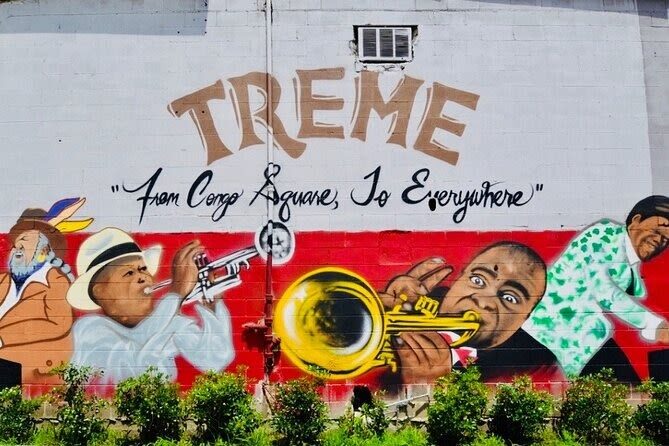
Treme is presented as the oldest African-American neighborhood in the United States, and the tour uses its streets and architecture to explain how New Orleans took shape. That context matters. Rather than treating buildings as a backdrop for photos, the guide helps you connect changing styles and periods to the people, cultures and religious practices that have made the neighborhood distinctive.
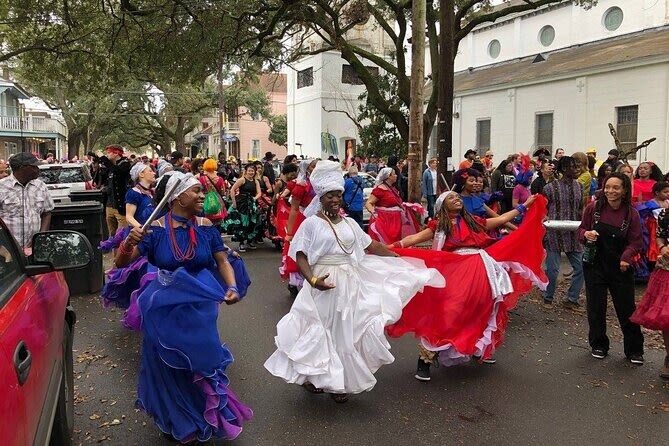
The tour’s focus on African-American and Creole culture gives you a stronger footing for understanding New Orleans beyond its best-known visitor areas. Expect the story to include cultural influence and musical legacy, with the neighborhood itself as the setting. You’re not promised a concert or a performance; the value is in hearing how music fits into the history of the place.
One especially useful part of a guided walk is the chance to ask questions as you go. New Orleans history can be difficult to sort into neat chapters, and a guide can help make connections between the streets in front of you and the customs or stories being discussed. The emphasis here is on explanation, not simply pointing out landmarks.
A single visitor described the tour’s greatest strength as its explanations of different periods, architecture, religious practice, influences and local legends. That is a helpful guide to what the walk does best: give you context for why the neighborhood looks and feels the way it does. There is only one public rating available, so treat the perfect score as an encouraging sign, not a guarantee that every person will have the same experience.
Storyville and the city’s musical past
Storyville adds a sharper, more complicated chapter to the walk. The district is known for its former red-light trade, but the tour also addresses housing developments and the area’s influence on jazz and New Orleans culture. That wider view helps keep the story from shrinking into a parade of scandalous anecdotes.
You’ll hear about how Storyville fits into the city’s past and present. Its history can raise questions about power, urban change and the way a city remembers places associated with vice. The tour’s combination of the old district and its later development makes that shift part of the conversation.
Jazz is another important link. The walk presents Storyville as part of the setting in which New Orleans music developed, connecting the district to the city’s broader musical legacy. If you are hoping for a detailed music lesson, the available information doesn’t promise one. Think of this as historical context for the music, rather than a music-focused tour.
The two-hour limit is worth keeping in mind. You’ll get an overview and a guided route, not an exhaustive account of every block or every era. That makes the tour a good introduction for a first visit, or a way to add historical depth after you’ve seen the French Quarter on your own.
Cemetery stories, Marie Laveau and Voodoo
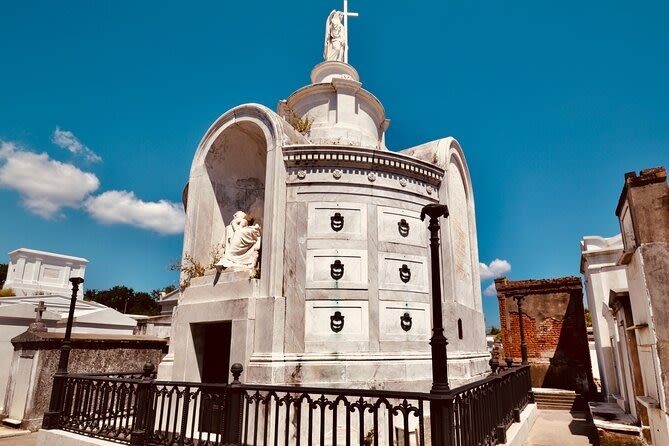
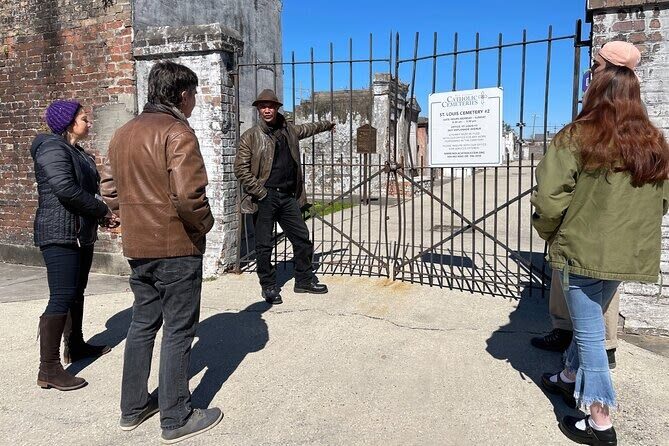
The experience also covers St. Louis Cemetery No. 1, described as the city’s oldest above-ground cemetery. The tour’s cemetery and Voodoo themes include the tomb of Marie Laveau, remembered as the Voodoo Queen of New Orleans. If this stop is important to you, keep the tour’s capacity and weather caveat in mind: some attractions may be skipped.
Cemetery stories make more sense when they’re placed in the context of local customs and faith. Here, the guide is expected to explain the origins and impact of Voodoo and how it relates to Catholicism and the city’s broader spiritual traditions. That approach is more useful than treating Voodoo as a Halloween prop. You’ll hear about religious practice and cultural influence as well as the legends that have grown around them.
The subject is often presented to visitors in a sensational way. This tour’s stated focus gives you reason to expect a more grounded account, linking belief and history to New Orleans itself. Still, the amount of detail will depend on the guide and the time available, and no specific guide name or individual stop-by-stop schedule is provided.
The walk finishes at Saint Augustine Catholic Church, 1210 Governor Nicholls Street. The ending location suits the tour’s interest in the relationship between Catholicism and New Orleans spiritual life, but it is also a practical detail: you’ll need to arrange your onward plans from there rather than expect to return to the coffee shop.
Timing, comfort and the price
At two hours, this is a manageable way to cover several connected themes without committing half a day. The listed departures are 10:00 a.m. and 1:30 p.m., with return times shown as noon and 3:30 p.m. The schedule can change with traffic and weather, so leave a little room around the tour if you have other plans.
Prices are shown from $33.35, while the join-in package information also gives a starting price of US$29. The amount you pay can depend on the option and booking details, so check the final price before confirming. For the cost of a guided walking tour, the value comes from having someone explain the links among Treme, Storyville, architecture, music and religious traditions in one route. If you only want a quick look at buildings, a self-guided walk may be enough; if you want context, the guide is the main reason to pay.
New Orleans can be hot and sunny, so bring water, sunscreen, sunglasses and a hat or cap. Light, comfortable clothing, preferably moisture-wicking, and walking shoes are recommended. The activity is listed as stroller- and wheelchair-accessible, but the route’s precise surface conditions are not specified. If those details affect your plans, confirm them with the operator before booking.
Children aged 0 to 5 can join free. Seniors aged 62 and older, students and active military members should bring valid identification as proof of eligibility. The tour does not include meals, drinks, hotel transfers or gratuities, so budget for those separately if needed.
You’ll receive a mobile voucher, valid only for the date and time booked. Late arrivals and no-shows are not refundable. Cancellations made at least 24 hours before the activity date qualify for a full refund; if extreme weather or another unforeseen event leads the operator to cancel, you can reschedule or request a full refund.






Who should book this New Orleans walk?
Book this tour if you want a guide to connect Treme and Storyville to New Orleans culture, music, architecture and spiritual traditions. It suits first-time visitors who want more than a French Quarter stroll, as well as returning visitors who are curious about the city’s African-American and Creole history.
It may be less suitable if you need guaranteed access to every named site, want a long visit inside the cemetery, or prefer to explore at your own pace. The tour is short enough to fit into a busy day, but its value depends on your interest in the stories behind the neighborhoods.
I’d book it for the historical context, while keeping plans flexible around the cemetery stop. Arrive early, dress for the weather and bring water. If you want to understand how New Orleans’ culture and legends connect to real places, this is a practical, focused introduction.
Treme and Storyville Walking Tour in New Orleans
“A very comprehensive tour of this neighborhood and its history, with explanations of the different periods to understand the architecture, religiou…”
FAQ
Where does the tour start?
It starts at Backatown Coffee Parlour, 301 Basin Street, Suite 1, New Orleans. The guide meets you inside or outside the entrance.
Where does the tour end?
The tour ends at Saint Augustine Catholic Church, 1210 Governor Nicholls Street.
How long is the tour?
The guided walking tour lasts two hours.
What departure times are available?
The listed departure times are 10:00 a.m. and 1:30 p.m. Choose your departure time when booking.
What should I bring and wear?
Bring water, sunscreen, sunglasses and a cap or hat. Light, comfortable clothing and walking shoes are recommended.
Is the cemetery stop guaranteed?
No. Attractions may be skipped because of capacity or weather conditions.
Is the tour accessible by wheelchair or stroller?
The activity is listed as stroller- and wheelchair-accessible.
Do children aged 0 to 5 pay?
Children aged 0 to 5 can join for free.
What is included in the price?
An English-speaking guide is included. Hotel transfers, meals, beverages, personal expenses and tips are not included.