A xiaolongbao is a small bun with a big secret: hot soup tucked inside a delicate wrapper. In this Shanghai class, pastry chef Cici shows you how to make the dough, fill it and pinch it closed without losing the broth before it reaches the steamer.
Two things I like here: you learn a real, repeatable kitchen skill, not just how to fold a familiar dumpling, and the class pairs hands-on cooking with lunch and conversation about Chinese food and table customs. The alley venue off Huaihai Middle Road also gives the outing a pleasing mix of old Shanghai surroundings and a modern indoor workspace.
One point to check before booking: the details give both a two-hour duration and a 2.5-hour schedule, and the quoted prices differ. The meeting and return locations also need clarifying, so confirm the time, current price and exact address on your voucher.
- What makes this class worth your time
- A Shanghai specialty, taught one fold at a time
- Following the 10:00 to 12:30 cooking session
- The alley near Huaihai Middle Road
- The lunch and cultural conversation
- Dietary needs and family suitability
- What the price buys you
- Who will enjoy Cici’s class most
- Should you book this xiaolongbao class?
- FAQ
- How long does the class last?
- What will I learn to make?
- Is lunch included?
- Are vegetarian or vegan options available?
- Can I join if I have a gluten allergy?
- Where is the meeting point?
- The Best Of Shanghai!
- More Workshops & Classes in Shanghai
- More Tours in Shanghai
- More Tour Reviews in Shanghai
- Not for you? Here's more nearby things to do in Shanghai we have reviewed
What makes this class worth your time
 1 / 5
 2 / 5
 3 / 5
 4 / 5
 5 / 5
- The soup stays inside the bun: Cici teaches the careful filling and pinching technique that makes xiaolongbao different from ordinary dumplings.
- You make the dumplings yourself: Expect to knead dough, mix filling, roll wrappers and shape the buns by hand.
- Pork and vegetarian fillings are usually prepared: A vegan tofu option has also been offered, but contact Cici ahead of time about dietary needs.
- Lunch is part of the lesson: Your dumplings are steamed and eaten together, with simple dishes prepared by Cici.
- The setting adds a sense of place: The venue sits at the end of an alley near Huaihai Middle Road, an interesting contrast to the avenue outside.
- It is a compact cultural activity: In roughly two and a half hours, you cook, eat and hear about Chinese food and dining customs.

👉 See our pick of the 25 Best Guided Tours In Shanghai
A Shanghai specialty, taught one fold at a time
Xiaolongbao are famous for their thin wrappers and savory broth. Making them is more demanding than it looks: the dough needs the right feel, the wrapper must be thin without tearing, and the pleats have to hold the filling during steaming.
That is the practical appeal of Cici’s class. She is a professional pastry chef who has taught Chinese cooking to expatriates and foreign visitors for more than a decade. You are not simply watching a demonstration or assembling ready-made wrappers. You take part in the steps that turn dough and filling into soup dumplings.
Cici says she has hosted visitors from more than 40 countries. That international experience matters if you are new to Chinese cooking: she is used to explaining techniques across language and food-culture gaps. English- and Chinese-speaking staff are included, and the class is designed to make the process approachable for beginners.
The central question is the one most people bring to the table: how does the soup get inside? The class is built around that puzzle, showing you how the filling and wrapper work together. It is a useful lesson if you have tried to make dumplings at home and ended up with cracked skins or a steamer full of escaped broth.
You can also read our reviews of more tours and experiences in Shanghai
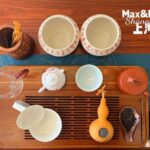
Following the 10:00 to 12:30 cooking session
The published schedule runs from 10:00 to 12:30, though some descriptions call the activity two hours. Plan around the longer 2.5-hour window unless your confirmed booking says otherwise. Arrive five minutes early, as requested, and check the voucher for the precise meeting point.
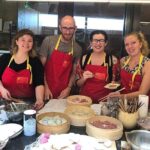
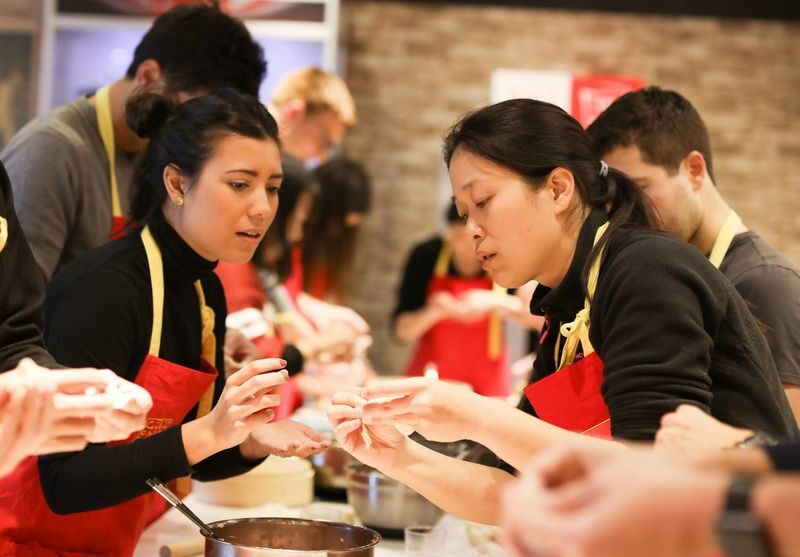
The group begins with introductions. This is more than a warm-up: it gives Cici a chance to learn who is cooking and gives you a moment to settle in before handling dough. The class is also meant to be social, with visitors from different places cooking and eating together.
Next comes the dough. You knead it, then move on to mixing the filling. Cici usually prepares pork and vegetarian versions, so there is a choice for people who do not eat meat. The menu can change with the season and ingredient availability, so do not treat those two fillings as an absolute guarantee.
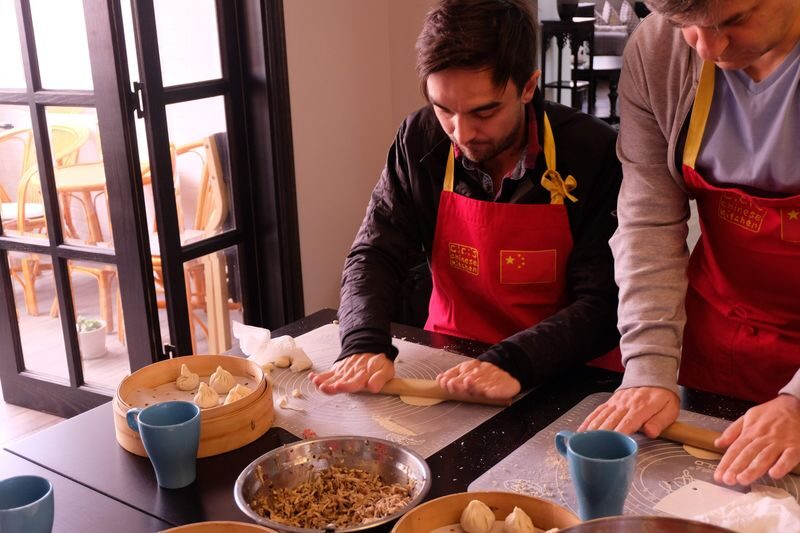
Then you roll the wrappers. This is where the balance gets delicate: too thick and the dumpling loses its fine skin; too thin and it may split. Cici demonstrates the method and guides you as you work, so you can learn by doing rather than trying to copy a finished bun from across the room.
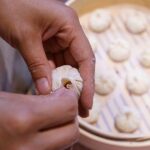
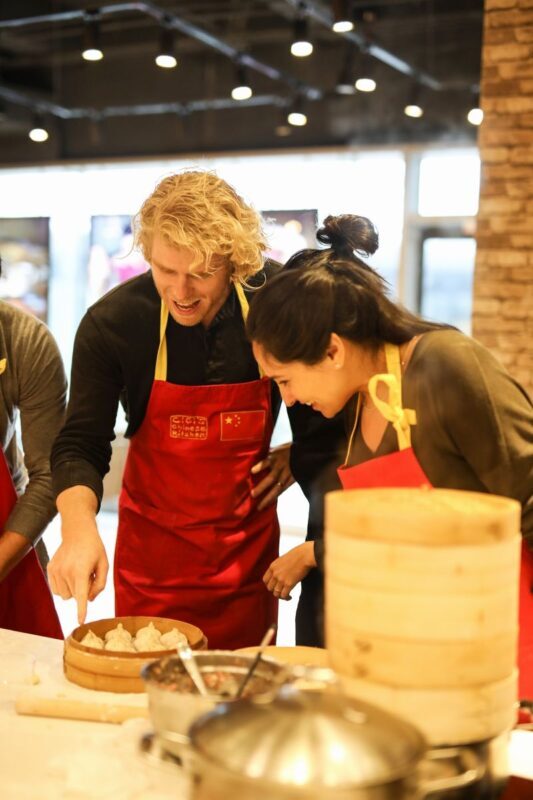
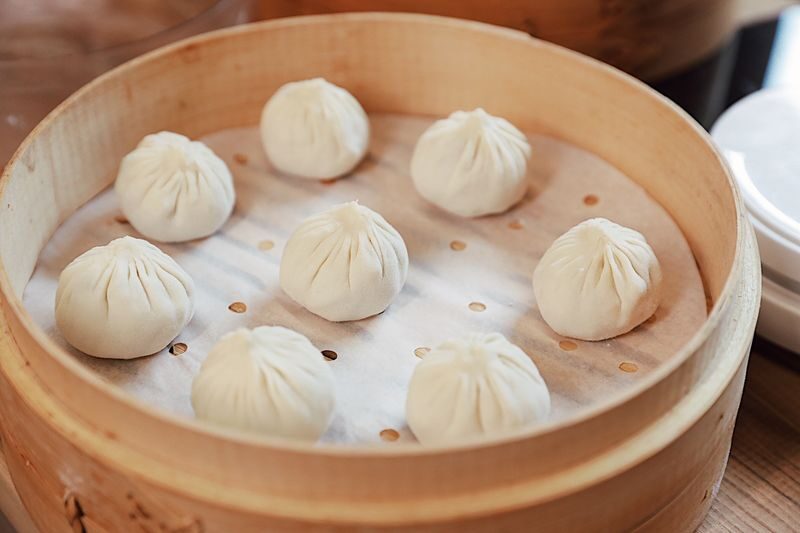
The most distinctive part is shaping. You add the filling, bring the wrapper together and pinch it closed, aiming for a thin skin and a generous center. The skill takes practice, and your first dumplings may look more individual than identical. That is part of the fun, but it is also why a careful demonstration is valuable.
Once the dumplings are ready, they are steamed and served for lunch. You eat what you have made with Cici and the other participants, and she may also prepare simple dishes to round out the meal. The class ends with photos, a small keepsake of a morning spent making one of Shanghai’s best-known foods.
One guest has described learning a double-dumpling variation from Cici. Treat that as a possible extra rather than a promised part of every session; the core class is the traditional xiaolongbao.
The alley near Huaihai Middle Road
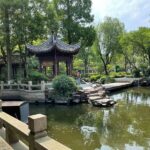
The venue is described as being at the end of an alley off Huaihai Middle Road, in Huangpu District. That contrast is part of the appeal: you leave a well-known city street for a quieter lane, then enter an open, modern co-working space.
The setting is not a historic home kitchen or a restaurant dining room. It is a practical indoor workspace for teaching and cooking. If you expect a polished culinary studio or a private home visit, adjust that picture: the draw is the contrast between the old alley setting and the contemporary room, with Cici’s instruction at the center.
The address information deserves a little care. The venue is described near Huaihai Middle Road, while the return information gives Kangding Road and refers to a hotel or personal address in Huangpu District. Those details are not fully clear together. Confirm where you should meet and what, if anything, is included in the return arrangement before setting out. Do not assume that a ride to your hotel is part of the class.
The lunch and cultural conversation
This is a cooking lesson with a meal at the end, not a demonstration followed by a quick taste. Making the food and eating it together gives the class a natural rhythm: you learn the process, see how the dumplings turn out after steaming, and then get time to talk over lunch.
Cici also shares stories about China, Chinese cuisine and dining customs. That context can help you read a meal differently later in your trip, from the way dishes are shared to the place a specialty like xiaolongbao holds in Shanghai food culture. The class does not promise a full history lecture, but conversation is built into the experience.
The lunch is included, and the food can extend beyond the dumplings. A tofu-and-vegetable meal has been served, and simple dishes made by Cici have helped make the lunch filling. Still, the exact menu may vary with the season and ingredient supply, so come for the dumpling lesson rather than a fixed set menu.
Dietary needs and family suitability
The class is described as vegetarian-friendly and gluten-allergy-friendly. Pork is usually one of the fillings, but a vegetarian option is generally available, and a tofu dumpling has been offered for vegan participants. If you need a vegan filling, ask specifically when you contact the host, since the usual description promises a vegetarian choice, not a guaranteed vegan menu.
For a gluten allergy, contact Cici before the class and explain your needs. The experience is hands-on and involves dough, so it is wise to discuss ingredients and handling in advance rather than rely on a short dietary label. The menu may change, and the host can clarify what is practical for your situation.
Children aged six and older are charged the adult rate. The activity is described as suitable for young and old, and its step-by-step format gives families a shared task. Keep in mind that it involves several stages of careful handwork, so children who enjoy making things are likely to get more from it than those hoping for a quick meal.





What the price buys you
Prices are shown from US$81.99 for the 2.5-hour course in one package description, while the overall experience information gives a starting price of US$90.19. Treat either figure as a starting point, not a final total. Check the price for your date and booking channel before paying.
The value is strongest if you want more than lunch. The fee covers instruction, the chance to make the dumplings yourself, a meal and conversation with a local cooking teacher. You also leave with a technique you can try at home, though making thin, sturdy wrappers and neatly pleated buns will take practice beyond a single class.
If you are comparing it with a restaurant meal, the class costs more than simply ordering xiaolongbao. But it offers a different kind of value: you see the work behind the dish and get to make your own. If you have little interest in cooking, or are short on time, a dumpling meal at a restaurant may suit you better.
Chinese- and English-speaking staff are included. Personal expenses and tips are not. The booking is for a set date and time, so confirm the details before you plan other activities around the class.
Who will enjoy Cici’s class most
I would put this class high on the list for curious eaters, home cooks and visitors who want a hands-on activity rather than another sightseeing stop. It is especially well suited to anyone who has wondered how soup dumplings are made, or who wants to carry a piece of Shanghai food culture home in a practical form.
Families can also find a lot to do here, particularly with children aged six and up who like shaping and making food. The shared lunch gives the session a satisfying finish, and the cooking process creates plenty of small successes along the way, even if the dumplings are not picture-perfect.
It is less ideal if you want a purely historical tour, a restaurant-style tasting menu or an activity with fully fixed timing and menu details. The class is focused on cooking, and the schedule and ingredients can vary. The location details also warrant a quick confirmation before you leave your hotel.
Should you book this xiaolongbao class?
Book it if you want to understand the craft behind Shanghai soup dumplings and are happy to spend the morning learning by hand. Cici’s pastry background, the step-by-step shaping lesson and the included lunch make this a more substantial outing than a quick cooking demo.
Before you commit, verify whether your session runs for two or 2.5 hours, confirm the current price and get the exact meeting address. Contact Cici in advance about allergies, vegan needs or other dietary restrictions. With those details settled, this is a strong choice for a food-focused half-day in Shanghai.
Authentic Soup Dumpling Making Class – Eatwith
“We had a great time with Cici, and the soup dumplings were delicious! A great activity for young and old!”
FAQ
How long does the class last?
The schedule is listed as 10:00 to 12:30, or 2.5 hours. Another description says two hours, so check the duration on your confirmed booking.
What will I learn to make?
You will make Shanghai xiaolongbao. The class covers kneading dough, mixing filling, rolling wrappers, shaping the dumplings and steaming them.
Is lunch included?
Yes. You eat the dumplings you make, and Cici may also prepare simple dishes. The menu can change with the season and ingredient availability.
Are vegetarian or vegan options available?
A vegetarian filling is usually prepared, and tofu dumplings have been offered for vegan participants. Contact the host in advance to confirm what will be available for your session.
Can I join if I have a gluten allergy?
The experience is described as gluten-allergy-friendly, but you should contact the host after booking to discuss your allergy and the food preparation.
Where is the meeting point?
The venue is described as being in an alley near Huaihai Middle Road in Huangpu District. The return information also mentions Kangding Road, so confirm the exact meeting and return arrangements on your voucher.