Stonehenge is not just a ring of old rocks. It is a vast, carefully arranged monument on open Salisbury Plain, built thousands of years ago by people whose methods and motives still raise questions. Seeing its great stones in their setting gives the mystery a scale that photographs cannot quite manage.
I like two things about this ticket: you can use the prebooked line to collect your admission wristband, and the audio guide gives you historical context without tying you to a group. The visitor center adds useful background before you head out to the stones.
The main consideration is the weather. The circle sits in an exposed field with no shelter, and a cold wind or rain can shorten your visit. The ticket is also only one part of the cost if you are traveling a long way to Amesbury.
- What to know before you go
- A monument that is bigger than its pictures
- Collecting your wristband and finding your way
- Start with the visitor center
- Meeting the stones in the open air
- Shuttle ride or walk across the fields
- How long to allow and when to arrive
- Is the ticket good value?
- Who will get the most from this visit
- Should you book this Stonehenge ticket?
- FAQ
- What does the ticket include?
- Is there a live tour guide?
- How do I use my mobile voucher?
- Is the ticket valid on any date?
- What are the stated opening hours?
- Can I take a shuttle to the stones?
- Is the activity wheelchair-accessible?
- What should I bring for the weather?
- Are children included in the booking?
- Can I cancel for a refund?
- The Best Of Amesbury!
- More Tours in Amesbury
- More Tour Reviews in Amesbury
- Not for you? Here's more nearby things to do in Amesbury we have reviewed
What to know before you go
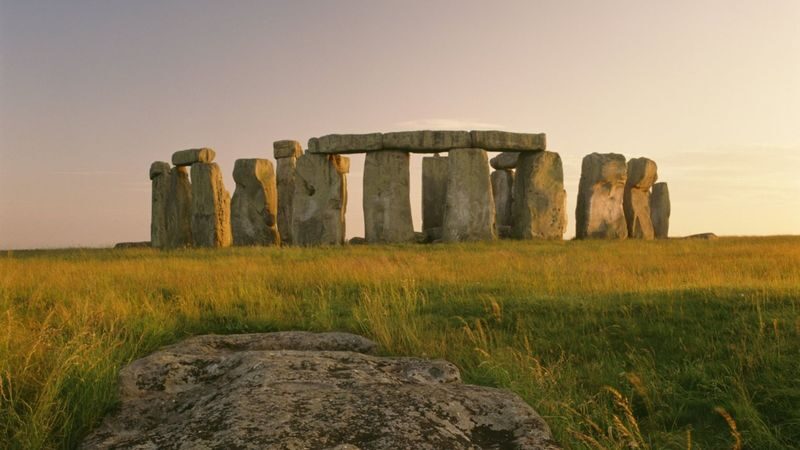
- The stones are enormous: Individual stones stand about 13 feet high and weigh as much as 25 tons.
- Your ticket includes the visitor center: See the indoor exhibits before or after the outdoor monument.
- You guide yourself: The digital audio guide is for your phone, not a live guided tour.
- A shuttle can save your legs: You can also walk out to the stones and enjoy more of the open setting.
- The site is exposed: Bring clothing for the forecast, plus water and a sunhat on hot days.
- Arrive with your voucher ready: The mobile ticket is exchanged for a wristband at the prebooked counter.
👉 See our pick of the 2 Best Historical Tours In Amesbury
A monument that is bigger than its pictures
Stonehenge is a familiar sight, but familiarity can shrink it. In person, the stones feel less like a symbol on a postcard and more like a massive human undertaking. Some rise around 13 feet, and the largest weigh up to 25 tons.
The monument dates back roughly 5,000 years, to the Neolithic period. Its construction involved moving stones from more than 300 kilometers away, a feat that still invites questions about how people managed it. The exact purpose of the site remains uncertain, too. The audio guide can offer history, theories, and legends, but it cannot turn an open question into a settled answer.
That uncertainty is part of the visit. You are not walking into a reconstructed scene with every detail explained. You are looking at a real ancient place, built by people whose plans and beliefs are only partly known. Give yourself time to take in the stones before reaching for your camera.
Stonehenge is a UNESCO World Heritage site and one of Britain’s best-known historic places. Its fame means the site can be busy, especially at popular times. The monument itself, though, is set amid open countryside, and the wide views help you understand that the stones were not built as a standalone object for visitors to circle. Their setting is part of the experience.
You can also read our reviews of more tours and experiences in Amesbury.



Collecting your wristband and finding your way
The booking is for a selected date, and a time may also apply. When you arrive, show your mobile voucher at the prebooked ticket counter to collect your wristband. The pre-bought line is separate from the standard ticket-purchase line, which can help you get moving sooner when the site is busy.
A few practical details are worth keeping in mind. Have the voucher ready on your phone, and allow time for security checks and possible bag searches. Bringing only what you need makes the entrance process simpler.
The admission covers both Stonehenge and the visitor center. From there, you can take the shuttle toward the stones or walk. The shuttle is useful if you want to save your energy for exploring, or if weather makes a longer walk less appealing. Walking offers more time in the open setting, but the choice is yours.
The route and signs matter: keep an eye on directions as you leave the bus or visitor center, rather than simply following the first group you see. The practical goal is to reach the monument, not to take an accidental turn back toward the exit.
Start with the visitor center
The visitor center is more than a place to collect your bearings. Its exhibits help put the stones in context and introduce ideas about why the monument was built. That background is valuable because the circle itself does not come with labels explaining every stone or answer to every question.
I recommend making time for the exhibits instead of treating them as an optional extra. If you head straight to the monument, you will still see the main attraction, but you may miss some of the context that makes the visit more than a photo stop. You can explore the center before or after seeing the stones, depending on your pace.
The digital audio guide adds another layer. Download it to your phone and use it as you explore; it is an independent guide, not a person leading a group. That means you can pause, move on, or spend longer at a point that interests you. It also means you should not expect the kind of back-and-forth conversation a live guide can provide.
Bring a charged phone and check that you can access the guide before setting off. The experience depends on using your own device, so a low battery or a last-minute download could get in the way. Headphones may also help you hear the commentary outdoors.
Meeting the stones in the open air
At the circle, the first impression is scale. The stones are not delicate or small, and their rough surfaces and great weight make the work behind the monument easier to imagine. You cannot solve the mystery by looking at them, but you can feel why people have wondered about the site for generations.
The audio guide gives you a way to connect the visible stones with the broader story. Use it at your own pace, but leave room for quiet observation, too. The monument has an atmosphere that can be lost if you spend the whole visit looking down at a screen.
The circle is in an open prehistoric setting, with no shelter at the stones. Wind can make it difficult to stand still for photos, and cold or rain may tempt you to hurry back. In warm weather, the sun can be strong, so bring water and a sunhat. A raincoat and warm layers are sensible when the forecast looks unsettled. An umbrella may help, though strong wind can make one awkward.
You may see sheep in the surrounding fields, which can add a pleasant rural note to the visit, especially for children. Still, the main event is the monument and the questions it raises. The open setting is part of the appeal, but it is not a weather-controlled attraction.
Shuttle ride or walk across the fields
The shuttle is a practical choice if you want to conserve time and energy. It can be especially helpful for families, people with limited mobility, or anyone visiting in hot weather. Some visitors choose to walk instead, taking in more of the surrounding grassland on the way.
The activity is wheelchair-accessible, but the outdoor route deserves a little thought. A visitor has noted that getting around the outer area in a wheelchair may be easier with someone who has stamina to assist. Conditions, route choice, and personal needs can differ, so if you have specific access questions, check directly with the site before your visit.
There is no need to turn the shuttle-versus-walk choice into a test of character. Choose the option that lets you enjoy the stones comfortably. You can spend your attention on the place rather than saving energy for the return trip.






How long to allow and when to arrive
No fixed visit duration is specified, and your pace will shape the day. Some people make a fairly quick circuit; others take time for the visitor center, audio guide, photos, and a walk through the grounds. The site is open daily from 9:30 a.m. to 5 p.m. according to the stated hours, but schedules and closure dates can change, so check current information before setting out.
An early entry can be a smart choice if you want to get ahead of the day’s crowds. The site can become busy, and arriving early also leaves more room in your schedule if you want to linger. On the other hand, quieter winter visits may have fewer people but bring colder conditions. Dress for the season, not just the calendar.
The weather can change the character of the visit. In sunshine, the open views and the stones make for an easy outdoor outing. On a cold, wet day, you may find yourself moving faster than planned. If you have traveled far to get here, leave enough time to enjoy the visitor center and the monument rather than treating the stop as a brief dash.
Is the ticket good value?
The listed package price starts at US$36.39, while the experience summary gives a starting price of US$40.05. Prices can vary, so check the final rate and what is available for your chosen date before paying. The ticket covers admission to Stonehenge and the visitor center, plus a digital audio guide.
For the price, the strongest value is convenience and the added context. A prebooked ticket gives you a route to the pre-purchased line, and the audio guide helps you make sense of what you are seeing. The admission is not a guided excursion from London, however. You need to arrange your own journey to Amesbury, and that transport can add considerably to the total cost.
If you are already nearby or making a broader trip through the area, the ticket is easier to justify. If Stonehenge is a long and expensive detour, think about the whole day’s cost, not just the entry price. One visitor described the combined transport and admission expense as steep, while still finding the site worth the trip. That is the right calculation: the monument may be a highlight, but getting there is part of your budget.
Children aged 0 to 4 and National Trust members enter free, according to the stated eligibility details. Infants and children must still be included in the passenger headcount. A family ticket applies to two adults and up to three children. Senior and student tickets require valid identification.
Who will get the most from this visit
This ticket suits you if you want to see Stonehenge at your own pace, enjoy historic places, or simply want to understand why a monument so famous continues to provoke questions. Families can combine the outdoor visit with the exhibits, while the shuttle gives you an alternative to walking the route.
It is less suited to someone expecting a live guide, a sheltered attraction, or a packed day of activity. The site’s appeal is contemplative: you look, listen, walk, and think. If that sounds too quiet, the monument may feel like a short stop rather than a full day’s entertainment.
Photography is a natural part of the visit, and the stones are instantly recognizable. But try not to make the camera your entire itinerary. A few minutes looking carefully at the arrangement and the open setting can be more memorable than a dozen near-identical pictures.
Should you book this Stonehenge ticket?
I would book this option if you have a firm visit date and want an easy way to enter, explore the visitor center, and use a phone audio guide without joining a group. Its best features are straightforward: prebooked entry, self-paced interpretation, and access to the main monument and exhibits.
Think twice if you are only buying it because Stonehenge is famous, but have little interest in ancient history or an outdoor visit. The stones are extraordinary, yet the experience is not a theme park or a live performance. Plan your transport, check the weather, and give the site enough time to make the journey worthwhile.
Stonehenge ticket
“Fuss-free and flexible entry to Stonehenge at a good price point. Just had to scan the QR code at the counter to get the wristband and spent a good…”
FAQ
What does the ticket include?
It includes admission to Stonehenge and the visitor center, plus a digital audio guide for your phone.
Is there a live tour guide?
No live guide is included. The audio guide is digital and self-guided.
How do I use my mobile voucher?
Present it at the prebooked counter to redeem your admission wristband. You may proceed to the pre-bought line on arrival.
Is the ticket valid on any date?
No. The voucher is valid only on the selected date, and on the selected time if a time applies.
What are the stated opening hours?
Stonehenge is listed as open Monday to Sunday from 9:30 a.m. to 5 p.m. Hours and closure dates may change, so check the latest information before visiting.
Can I take a shuttle to the stones?
A shuttle runs between the visitor center and the stones, according to the supplied visit information. You can also walk.
Is the activity wheelchair-accessible?
Yes, the activity is listed as wheelchair-accessible. The outdoor area may require extra effort, so consider your needs and check details with the site.
What should I bring for the weather?
The stone circle has no shelter. Bring warm clothes and a raincoat in cold or wet weather, and a sunhat and plenty of water when it is hot.
Are children included in the booking?
Infants and children must be included in the passenger headcount. Admission is free for children aged 0 to 4.
Can I cancel for a refund?
Yes. You can cancel for a full refund if you do so at least 24 hours before the activity date, in destination local time.