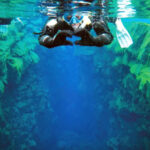
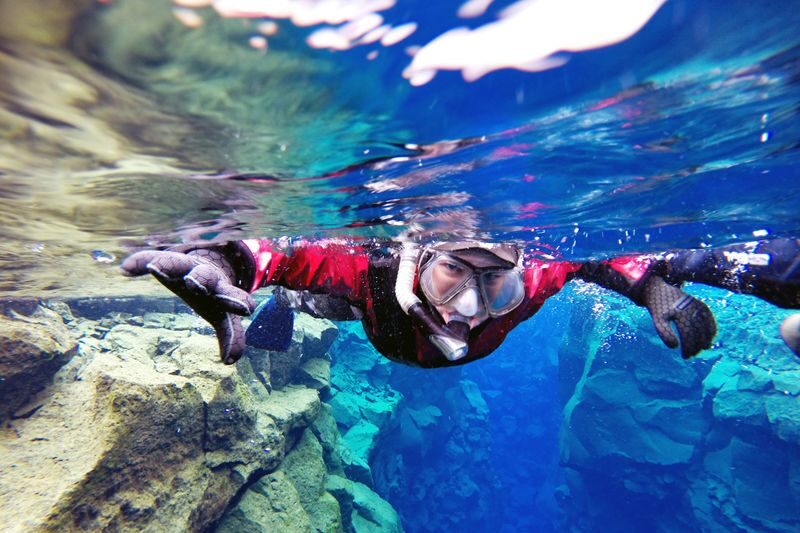
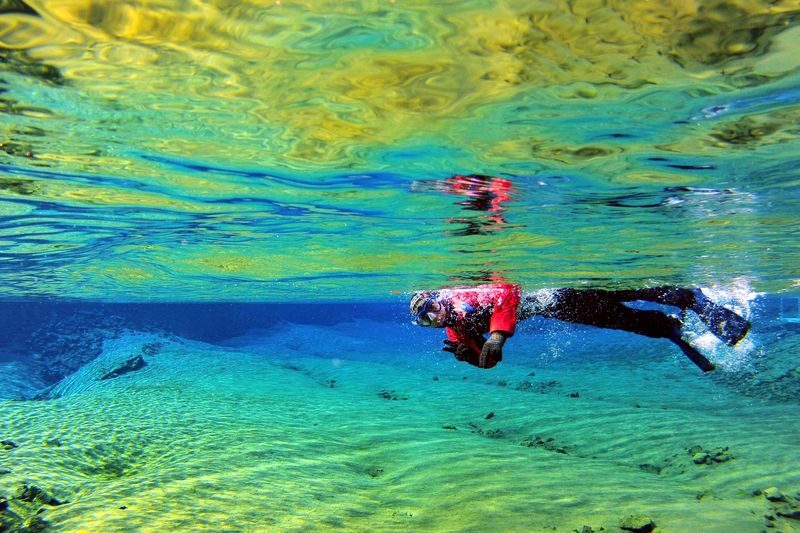
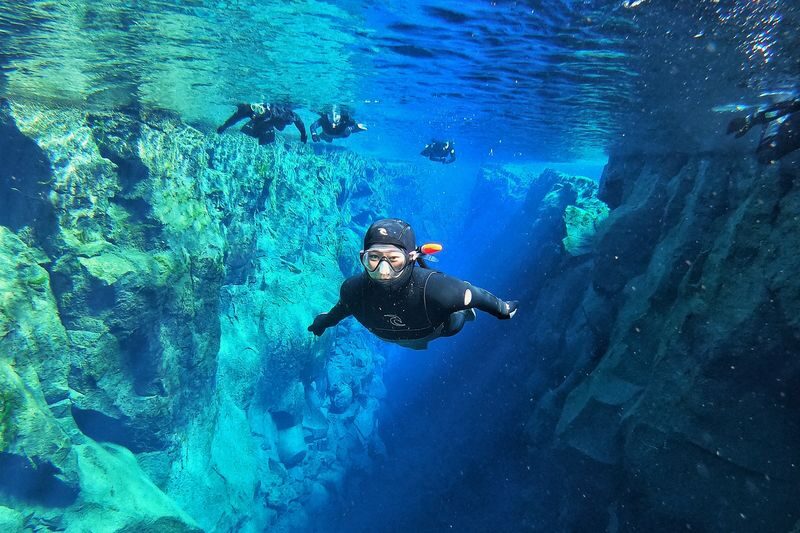
Silfra is a narrow rift in Thingvellir National Park where you can float between the North American and Eurasian tectonic plates. The water is famously clear, and the view is unusual: less about fish than about pale rock, deep blue water, and the sense of gliding through a crack in the earth.
I like two things especially: the startling visibility, which makes the underwater rock formations easy to see, and the small group size of two to six people, which gives the guide room to check on everyone. The included photos and hot chocolate are useful extras, too.
The main consideration is the cold. A drysuit helps keep your body warm, but your face and hands are exposed, and some water can seep in at the neck or cuffs. The swim itself is short, and you need to be fit enough to swim independently.
Key points
- The water is exceptionally clear: Silfra’s visibility can reach about 100 meters, revealing rock formations rather than schools of fish.
- You can choose your suit: A drysuit is the warmer, more protective choice; a wetsuit gives you more freedom to swim below the surface.
- The actual snorkel lasts 30 to 40 minutes: The full visit takes about three hours, including preparation and gearing up.
- There are two transport options: Meet at Silfra yourself or book a package with transfer from Reykjavik.
- Photos and hot chocolate are included: Bring a camera only if it is waterproof and you are comfortable handling it in the water.
- Check the fit and health rules before booking: Height, weight, swimming ability, age, and some medical conditions affect eligibility.
- Key points
- Why Silfra is unlike a typical snorkel
- Getting ready at the Silfra meeting point
- Choosing a drysuit or wetsuit
- What the three-hour visit involves
- Cold water, guide support, and the included extras
- Price, transport, and what the cost buys
- Who should book, and who should think twice
- Should you book the Silfra snorkel?
- FAQ
- How long does the Silfra experience take?
- How clear is the water?
- Can I choose between a drysuit and a wetsuit?
- Is Reykjavik transfer included?
- What should I bring?
- Do I need to know how to swim?
- What is the minimum age?
- Are there height and weight limits?
- Can I wear glasses while snorkeling?
- Is the activity wheelchair-accessible?
- More Snorkeling Tours in Blaskogabyggd
- More Tours in Blaskogabyggd
- More Tour Reviews in Blaskogabyggd
- Not for you? Here's more nearby things to do in Blaskogabyggd we have reviewed
Why Silfra is unlike a typical snorkel
 1 / 8
 2 / 8
 3 / 8
 4 / 8
 5 / 8
 6 / 8
 7 / 8
 8 / 8
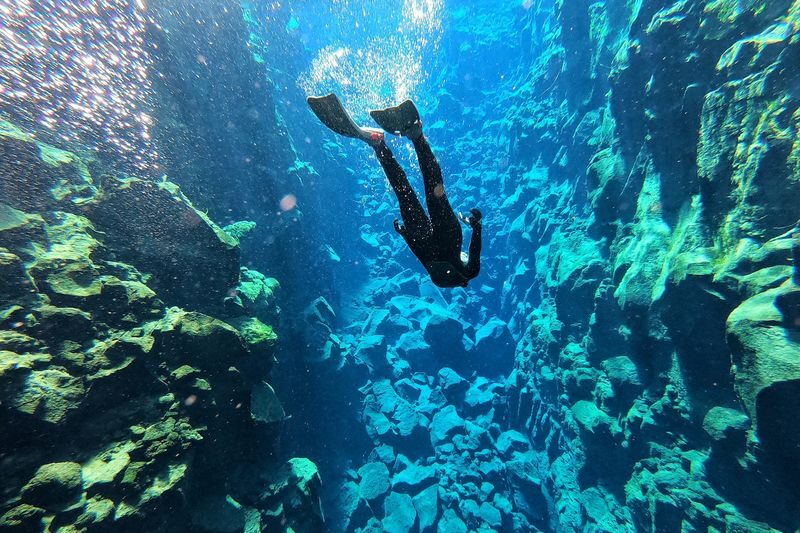
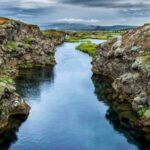
Silfra lies within Thingvellir National Park, a UNESCO-listed site, in a rift between the North American and Eurasian tectonic plates. The plates are moving apart, and the fissure gives you a close-up view of that geological divide. You are not swimming across a visible border marked on the water, of course. The appeal is the setting: you float through a clear, cold channel formed by the shifting earth.
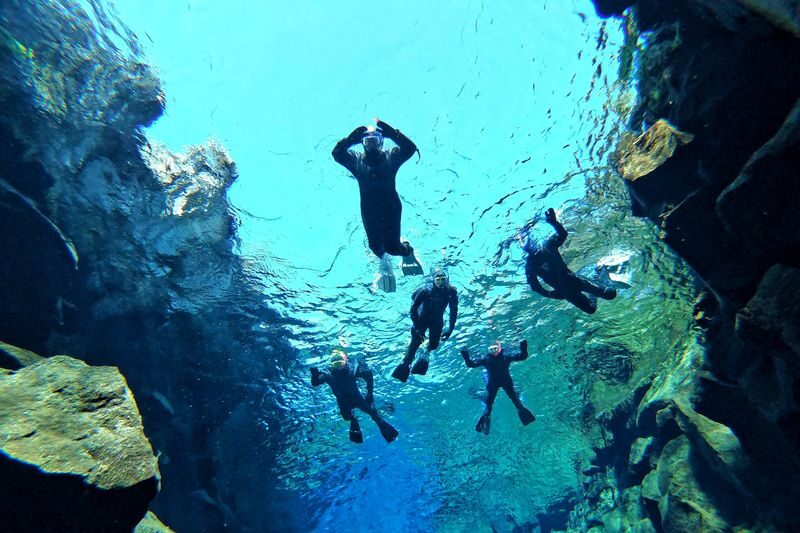
The water is the star. It is known for extraordinary visibility, with up to 100 meters of clarity, and it lends the rock a stark, almost otherworldly look. Expect submerged stone and shades of blue, not a tropical reef. There are no fish to count, so this is best for you if the geology and the unusual sense of place matter more than marine life.
The swim ends in a pool often nicknamed the real blue lagoon for its striking blue color. That phrase describes the water, not a spa: you are still in a natural, cold environment, wearing snorkeling gear.
You can also read our reviews of more snorkeling tours in Blaskogabyggd
Getting ready at the Silfra meeting point
The no-transfer version meets at Silfra in Thingvellir National Park. The directions specify parking at Thingvellir P5, then walking about 350 meters along the road toward the Silfra parking area and the dive vans. There are multiple operators at the meeting area, so check your booking details and find the right company rather than joining the first group you see.
Arrive 15 minutes before your selected start time. Departure options listed are 09:00, 09:30, 12:00, 12:30, and 15:00, though availability and return times depend on the package and schedule. Late arrivals and no-shows are not refundable, so give yourself extra time to park and walk to the meeting spot.
The operator provides an English-speaking guide and snorkeling equipment. You will be asked to confirm your swimming ability and health information, and everyone must read and sign the Silfra medical statement and liability release before taking part. This is a safety check, not paperwork to leave until the last minute.
Choosing a drysuit or wetsuit
The suit choice changes the feel of the outing. A drysuit is the better pick if staying as warm as possible is your priority. You can wear your own clothes underneath, and the suit keeps most of your body dry and buoyant. It can feel bulky, though, and getting into it and moving in it takes some effort. In practice, the snug seals around the neck and wrists matter: a little water may still get in, so pack a full change of clothes.
A wetsuit offers a more direct feel for the water and lets you swim a little below the surface to see more of the underwater formations. It is less insulating than a drysuit in Silfra’s cold water, so consider your comfort with cold before choosing it. The options include both suits with and without Reykjavik transfer.
Neither option makes the water warm. Your face and hands remain exposed, and people can feel chilled once they leave the water, even after wearing a drysuit. Bring warm clothes and wool socks for before and after, along with swimwear and a towel. Eat breakfast before you arrive, as advised, and dress for the day’s weather.
What the three-hour visit involves
The schedule has three broad parts: departure and preparation, the Silfra snorkel, and return. The visit is listed as three hours in total, while the time in the water is about 30 to 40 minutes. The rest is needed for getting ready, instruction, and handling the equipment.
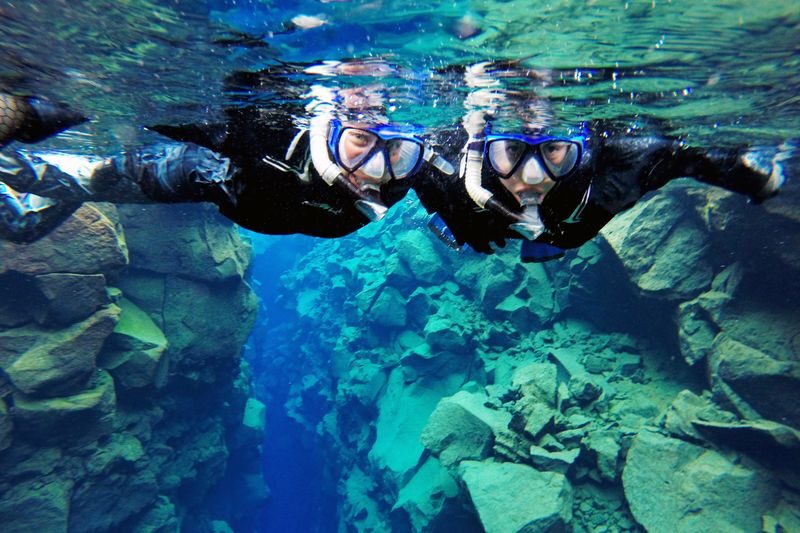
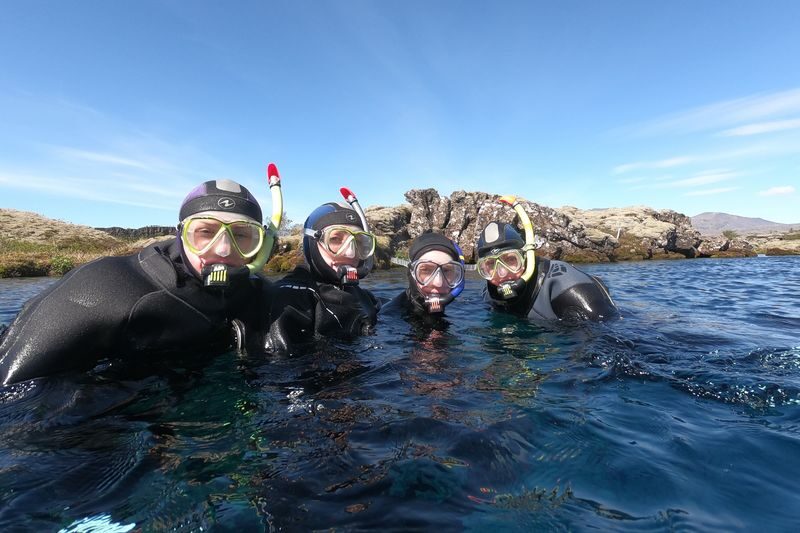
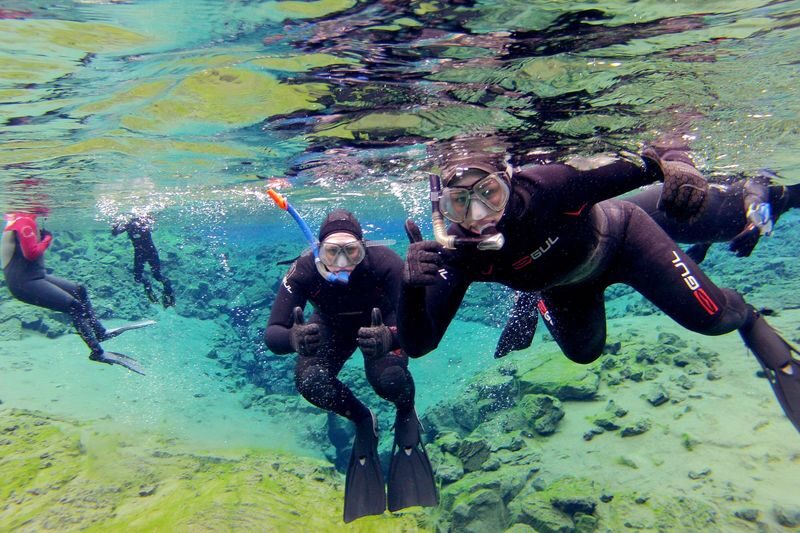
Once suited up, you enter the water with the guide and follow the group through the rift. The current is described as gentle, and the group size is limited to two to six participants. That small group can make it easier for the guide to keep an eye on your pace and comfort, though you should still be prepared to follow instructions and keep moving with the group.
The route gives you time to look both below and above the surface. Underwater, the main sights are the clear water and rock formations. Above, you get a different view of the surroundings from water level. The final lagoon is a memorable finish, but do not expect a long free-swim session: this is a guided route, and the water portion is relatively brief.
Timing can shift with traffic and weather. One practical point: the actual time in the water may feel shorter than you expect. A report of a 15-minute swim shows that the pace or conditions can affect how much time you get, so treat 30 to 40 minutes as the stated plan rather than a guarantee of an unhurried hour.
Cold water, guide support, and the included extras
The strongest parts of the outing are the clarity of the water and the guide’s role in making a cold, unfamiliar activity manageable. Guides named Aron and Dori have led groups, and participants have noted clear explanations, patient instruction, and help keeping the group together. Your guide also takes photos, usually with a GoPro, so you can keep a record without needing to manage a camera throughout the swim.
Hot chocolate is included at the end, a welcome small comfort after coming out of cold water. Photos are included as well, though they are a practical extra rather than a reason to expect a full professional photo package. If having images is especially important to you, confirm how and when they will be provided.
The conditions still demand a bit of grit. A drysuit can protect your core, but cold can reach your face and hands, and small leaks around the seals are possible. Bring dry clothes to change into, plus warm outer layers. A waterproof camera is permitted, but glasses are not. Wear contact lenses or arrange a prescription diving mask if you need vision correction.
Price, transport, and what the cost buys
The experience is advertised from $172.90, while the listed package options show no-transfer choices from $157.19 and Reykjavik-transfer choices from $209.95. Prices can vary by option and booking details, so check the total for your chosen suit and transport before paying.
The price covers park admission, an English-speaking guide, snorkeling equipment, the guided water session, photos, and hot chocolate. That is fair value if Silfra is a priority and you want the equipment and instruction handled for you. It is less compelling if you are expecting a long swim or lots of wildlife. The appeal is a rare setting and clear water, not hours in the water or a broad range of underwater sights.
The transfer option costs more but saves you arranging your own journey to Thingvellir. Hotel pickup and drop-off are not included in the no-transfer option, and transfer pickup details should be checked carefully. If you drive yourself, the meeting instructions are specific, but you still need to arrive on time and find the correct operator.
Who should book, and who should think twice
This is a good fit if you can swim independently, are comfortable in cold conditions, and are curious about geology or unusual natural settings. It also suits you if a short, guided water activity fits neatly into a day at Thingvellir and you value having the suit, equipment, guide, and photos arranged in one booking.
It is not a casual float for someone who cannot swim or dislikes cold. The stated fitness and water-skill level is intermediate, and you must be physically fit enough to take part. Participants must be at least 12, between 150 and 200 centimeters tall, and weigh between 50 and 120 kilograms. Children aged 12 to 18 must be with a paying adult. Anyone aged 65 or older must bring physician approval on the Silfra snorkeling medical statement.
The activity is not recommended for people with heart disease or other serious medical conditions, pregnant women, or people with disabilities. It is not wheelchair-accessible. You must be able to communicate in English, and glasses are not allowed in the water. Read the medical statement before booking and ask the operator if you are unsure whether you meet the requirements.
Should you book the Silfra snorkel?
Book it if the idea of floating through clear water between tectonic plates excites you more than seeing fish, and if you are willing to handle cold and a somewhat cumbersome suit. I would choose the drysuit for warmth, especially in winter, and bring a complete change of clothes regardless of the suit. Choose a transfer package if you do not want to manage the trip to Thingvellir yourself.
Skip it if you expect warm water, a lengthy swim, or abundant wildlife. Silfra is memorable for its clarity and geology, but the guided swim is short and the conditions are real. For the right person, that combination makes it a distinctive Iceland outing rather than a standard snorkeling trip.
Snorkeling Experience in Silfra
“It was a great experience to snorkel between the Eurasian and North American tectonic plates. All the necessary equipment was provided, and the ins…”
FAQ
How long does the Silfra experience take?
The full visit is listed as three hours. The snorkeling portion is about 30 to 40 minutes.
How clear is the water?
Visibility is described as reaching 100 meters, which makes the underwater rock formations easy to see.
Can I choose between a drysuit and a wetsuit?
Yes. Package options include both drysuit and wetsuit snorkeling, with or without transfer from Reykjavik.
Is Reykjavik transfer included?
Only if you select a package that includes transfer. The no-transfer option does not include hotel pickup or drop-off.
What should I bring?
Bring swimwear, a towel, warm clothes, wool socks, and a waterproof camera if you want one. A change of clothes is a sensible precaution.
Do I need to know how to swim?
Yes. You must be physically fit and able to swim independently. Intermediate fitness and water skills are recommended.
What is the minimum age?
Participants must be at least 12 years old. Children aged 12 to 18 must be accompanied by a paying adult.
Are there height and weight limits?
Yes. Participants must be between 150 and 200 centimeters tall and weigh between 50 and 120 kilograms.
Can I wear glasses while snorkeling?
No. Glasses are prohibited. The instructions recommend contact lenses or a prescription diving mask.
Is the activity wheelchair-accessible?
No. The activity is not wheelchair-accessible.