The Bridge over the River Kwai and the Death Railway are not just scenic stops. They are places where Thailand’s wartime past meets the present, and this full-day tour gives you time to consider that history in Kanchanaburi. The Thailand-Burma Railway Centre is also among the named attractions.
I like two things about the plan: a guide can help connect the sights to their history, and a full day leaves room for more than a quick look at the bridge. The bus has also been described as spacious and comfortable, a welcome point on a day built around several stops.
The main caution is that the experience may feel uneven. Lunch opinions range from ordinary to plentiful and tasty, and the guide’s explanations may not be equally detailed for every group. If you want a deep, tightly structured history lesson, check how much interpretation is included before booking.
- Key points to know
- Start with the history, not just the bridge
- The Bridge over the River Kwai: a famous name with a serious past
- The Death Railway: give the subject time
- Thailand-Burma Railway Centre: a museum stop to add context
- The bus and lunch: practical comforts, with mixed reports
- Is the price fair for a full day?
- Who should book this Kanchanaburi tour?
- FAQ
- How long is the tour?
- Where does the tour take place?
- What is the tour focused on?
- Is lunch provided?
- How much does the tour cost?
- Can I cancel for a full refund?
- The Best Of Kanchanaburi!
- More Historical Tours in Kanchanaburi
- More Tours in Kanchanaburi
- More Tour Reviews in Kanchanaburi
- Not for you? Here's more nearby things to do in Kanchanaburi we have reviewed
Key points to know
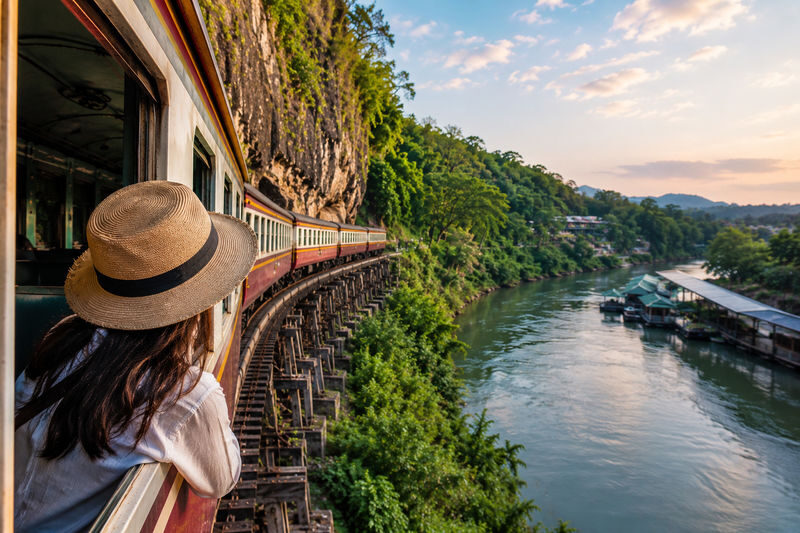
- The focus is Kanchanaburi’s wartime railway history, with the Bridge over the River Kwai and Death Railway at the heart of the tour.
- The Thailand-Burma Railway Centre is a named attraction, offering a museum setting for the day’s historical subject.
- It is a full-day outing, so expect a substantial commitment rather than a brief photo stop.
- A guide and bus transport are part of the experience, though no guide names, group size, or vehicle specifications are provided.
- Lunch is included, but expectations should be modest: descriptions of the meal vary.
- The listed price is inconsistent, with one starting figure at $87.35 and a package price from US$75.95. Confirm the current total before booking.

👉 See our pick of the 3 Best Workshops And Classes In Kanchanaburi
Start with the history, not just the bridge
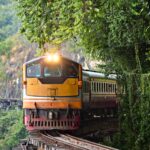
The famous bridge is an easy place to focus on what you can see: the railway structure, the river, and the surrounding town. But the subject of this tour is larger than the bridge itself. The Death Railway carries a painful wartime history, and a visit makes more sense when you take time to hear about the people and events behind the name.
That context matters. Without it, the bridge can become a quick stop for photographs. With a guide who explains the significance of the sites, you have a better chance of understanding why this railway remains a solemn part of Kanchanaburi’s story. The tour’s quality therefore depends not only on where it takes you, but also on the care and depth of the interpretation.
The available details do not specify the order of the stops, how long you spend at each, or the exact route. I would not assume the tour follows a particular sequence. If you have a strong interest in the history, ask before booking how the guide handles the subject and how much time is set aside at the museum and railway sites.
You can also read our reviews of more historical tours in Kanchanaburi



The Bridge over the River Kwai: a famous name with a serious past
The bridge is the tour’s most recognizable landmark, and it gives you a tangible point of entry to the railway’s history. You can see the structure rather than simply read about it, which helps make the day’s subject feel immediate. Still, the bridge alone cannot explain the wider story. Treat it as one part of a historical visit, not the whole lesson.
A practical tip: go with questions in mind. What does the bridge represent in the history of the railway? How does the guide connect this surviving structure to the larger story of the Death Railway? The tour is more likely to hold your attention if you listen for those links instead of judging the stop only by its visual drama.
The experience may be simple in terms of sightseeing. One account of the day found the attractions less impressive than expected, while still appreciating the comfortable bus. That is a useful distinction: this is not best chosen as a collection of spectacular views. Its value is in seeing significant places and understanding their meaning.
The Death Railway: give the subject time
The railway is central to the tour’s name, and its significance is historical rather than merely scenic. A full-day format gives you more opportunity to engage with the subject than a short visit to the bridge would. Even so, the precise stops along the railway are not listed, so you should not assume a particular train ride, station visit, or route is included.
For me, the strongest reason to book is the chance to approach the story with a guide. A kind, informative guide can turn a set of places into a coherent account, and one description of the tour praised the guide’s explanations as both generous and interesting. Another found the commentary too brief to build much interest. That difference is worth taking seriously if you want detailed historical interpretation.
The subject is also emotionally demanding. One person described the day as moving and emotional, which captures the kind of response the tour may prompt. Go prepared for a serious visit, and leave room to reflect rather than rushing from one photo opportunity to the next. This is not a lighthearted day out, even if parts of the itinerary are straightforward.
Thailand-Burma Railway Centre: a museum stop to add context
The Thailand-Burma Railway Centre is listed as an attraction connected with the tour, and it can give the day a different kind of perspective from the bridge and railway itself. At a museum, you can take in historical material at a slower pace and place the physical sites within a broader account. The supplied details do not specify the exhibits, visit length, or whether an admission fee is included, so check those points if they matter to you.
I would give this stop time rather than treating it as a box to tick. The railway’s story can be hard to absorb from a single landmark. A museum setting may help organize what you have seen and heard, especially if your guide’s commentary at the outdoor stops feels brief.
This is also the part of the day where expectations matter. The tour is described as historical, but no detailed lesson plan or specialist guide credentials are provided. If you want an expert-led history visit, ask what the guiding includes. If you are content with a general introduction and a chance to see the main sites, the format may suit you well.
The bus and lunch: practical comforts, with mixed reports
A full-day tour means transport is not a minor detail. A spacious, comfortable bus has been noted as a plus, and that can make a long day easier. The exact vehicle, departure point, group size, and travel times are not specified, so confirm the arrangements before you commit, especially if you are comparing this with a private tour.
Lunch is provided, which is useful when you are spending the day away from your own plans. But keep your expectations flexible. Some descriptions call it generous and tasty; another calls it ordinary. I would regard lunch as a practical inclusion, not a reason to choose the tour. If you have dietary needs, the available information does not say whether special meals can be arranged, so ask in advance.
The broader lesson is that the day’s value rests more on the historical stops and guide than on its catering. A comfortable bus and a meal help the logistics, but they cannot make up for commentary that feels too thin. If strong interpretation is your priority, confirm that point before booking.
You can also read our reviews of more tours and experiences in Kanchanaburi


Is the price fair for a full day?
The tour is shown at prices from $87.35 and from US$75.95 for the package option. Since those figures differ, treat them as starting prices rather than a confirmed final cost. Check the current checkout price and what it includes before deciding.
For a full-day outing with a guide, bus transport, lunch, and several history-focused stops, the price may represent reasonable value if you want someone else to organize the day and provide context. It is less compelling if you mainly want a dramatic attraction or expect an in-depth specialist lecture. One assessment of the day found the value average, while more positive impressions focused on the guide, meal, and emotional impact.
The rating shown is 4.7 out of 5, based on only three ratings. That is encouraging, but it is a small sample. I would weigh the specific strengths and drawbacks more heavily than the score: the tour can be moving and informative, but the depth of the explanations and the meal may not meet every expectation.
Compare it with a private Kanchanaburi tour or a two-day historical experience if you want more control over pacing or more time in the area. A private option may suit you if you value flexibility, while a two-day trip could make room for a slower visit. The available details do not provide a direct comparison of inclusions, so check each plan carefully rather than assuming the alternatives cover the same stops.
Who should book this Kanchanaburi tour?
I would consider this tour if you have a genuine interest in the Death Railway’s history and want the main experience arranged as a full day. It may also suit you if you are visiting Kanchanaburi briefly and prefer bus transport and a guide to planning each stop on your own.
It is a weaker fit if you want a detailed academic account, a guaranteed specialist guide, or a meal that is a highlight in itself. Those features are not promised in the information available. You should also compare the tour with private and multi-day options if you want to set your own pace or spend longer with the history.
My advice is to book for the subject, not for spectacle. The bridge is famous, but the value lies in connecting it to the railway’s wider story. Before paying, confirm the actual price, stop order, guide format, and what lunch includes. If those details match your expectations, this can be a meaningful way to spend a day in Kanchanaburi.
Full-Day Bridge over the River Kwai & Death Railway Historical Tour
“The itinerary's attractions were quite simple and not particularly impressive. The tour guide was friendly, but their explanations of the sights we…”
FAQ
How long is the tour?
It is described as a full-day tour. Exact start and finish times are not provided.
Where does the tour take place?
The tour is based in Kanchanaburi, Thailand. The Thailand-Burma Railway Centre is listed as an attraction.
What is the tour focused on?
Its focus is the Bridge over the River Kwai and the Death Railway, with a historical-tour format.
Is lunch provided?
Yes. Lunch is included, though descriptions of its quality differ.
How much does the tour cost?
The supplied prices differ: one starts at $87.35, while the package option starts at US$75.95. Confirm the current price before booking.
Can I cancel for a full refund?
A full refund is available if you cancel at least 48 hours before the activity date, using destination local time. Late arrival, failure to follow the rules, or missing required documents can affect refunds or amendments.