The Tasmanian devil is the star of this half-day outing, but the best part is the contrast: first, a small colonial village; then, a sanctuary where you can see native animals up close. If you are in Hobart without a car, this gives you a simple way to reach both.
I like the two-stop mix: Richmond offers a gentle wander among historic buildings, while Bonorong brings you face to face with animals you may not see elsewhere. I also like that the bus driver provides commentary along the way, so the ride is more than just a transfer.
The main trade-off is time. Expect roughly an hour at each stop, with most of the visit’s emotional weight falling on Bonorong. If you like to explore at your own pace or want a longer sanctuary visit, driving yourself may suit you better.
- Richmond is a compact stop: Free time lets you walk the village streets and see its old bridge and gaol.
- Bonorong is the wildlife highlight: Look for Tasmanian devils, wombats, echidnas and kangaroos.
- Kangaroo feeding is part of the appeal: It offers a close encounter, not just a view from a path.
- The guide is also the driver: Expect live commentary during the ride, rather than a separate guide at every stop.
- The outing takes about four hours: It is an easy afternoon option from Hobart, but not a slow-paced day trip.
- Hotel transfers are included: Confirm the pickup time on your voucher and be ready 15 minutes early.
- Richmond first, then Bonorong’s native animals
- Richmond’s old bridge and easy village walk
- Bonorong: Tasmanian devils, wombats and kangaroos
- The bus ride and what the four hours really include
- Is the price fair for a half-day outing?
- Who should book this Hobart tour?
- FAQ
- How long is the tour?
- What time does the tour depart?
- Is hotel pickup included?
- What is included in the price?
- What animals might I see at Bonorong?
- Are children allowed on the tour?
- What should I bring?
- The Best Of Tasmania!
- More Wildlife Experiences in Tasmania
- More Tours in Tasmania
- More Tour Reviews in Tasmania
- Not for you? Here's more nearby things to do in Tasmania we have reviewed
Richmond first, then Bonorong’s native animals
This is a practical afternoon trip for seeing two very different sides of Tasmania. Richmond gives you a small taste of colonial-era architecture, while Bonorong Wildlife Sanctuary brings the focus to local animals, including the Tasmanian devil.
The tour leaves Hobart at a selected afternoon time, with 13:10 listed as an option. The full outing lasts about four hours, including the drive and stops. The order is straightforward: spend free time in Richmond, then head to Bonorong before returning to Hobart.
That simplicity is useful if you have limited time or no rental car. You do not need to work out separate transport to the village and sanctuary, and the driver-guide provides live commentary as you travel.
The limit is just as clear. This is a sampler, not a full day devoted to either place. If you are happiest lingering in museums, browsing shops or spending several hours watching animals, the schedule may feel brisk.

👉 See our pick of the 12 Best Tours In Tasmania
Richmond’s old bridge and easy village walk
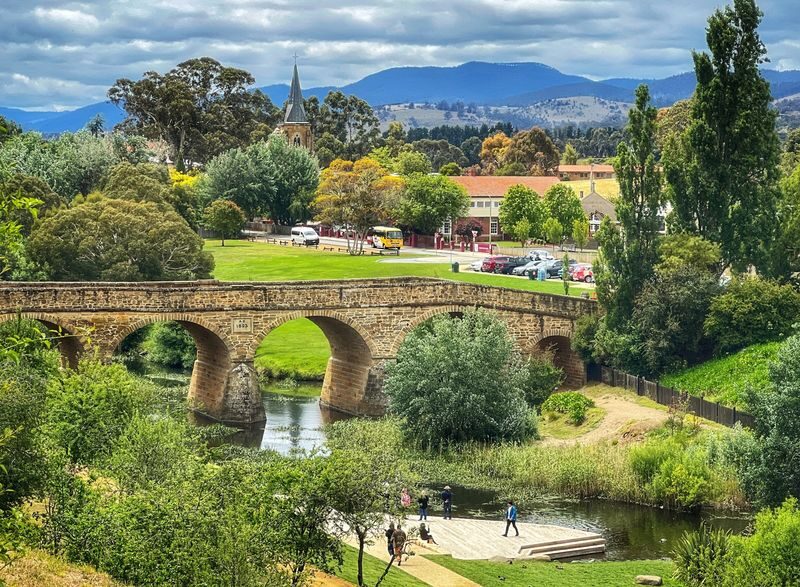
Richmond is a small, walkable village, and the tour gives you free time to explore rather than leading you through every street as a group. The two historic sights singled out are Australia’s oldest bridge and Richmond Gaol, the iconic old jail.
You can use the stop to look around at your own pace, take photographs and get a feel for the village’s colonial-era character. Its compact size makes an hour workable for a first look. It is not enough time for a slow, detailed visit to every building or for a long café stop, so choose what matters most when you arrive.
The village itself is pleasant, but keep your expectations measured. Richmond is a brief stop, not a large town with a packed schedule of attractions. If historic architecture is your main interest, you may want more time than this tour allows.
There is also a balancing act: Bonorong is the stronger draw for many people, yet Richmond is what gives the outing its historical half. I would use the village stop for a relaxed walk and a few key sights, rather than trying to see everything.
You can also read our reviews of more tours and experiences in Tasmania

Bonorong: Tasmanian devils, wombats and kangaroos
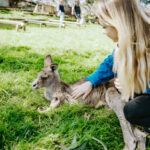
Bonorong is the heart of the trip. The sanctuary’s appeal is the chance to see native animals at close range, especially Tasmanian devils, wombats, echidnas and kangaroos. Feeding kangaroos is a particular highlight, and the experience can feel more personal than simply viewing animals from a distance.
A sanctuary guide leads a scheduled tour at the site. The timing matters: the group may join a fixed-time talk alongside other people already at the sanctuary, so finding a comfortable spot where you can hear may take some effort. Stay close enough to listen, and be ready to shift position if the area is crowded.
Bonorong’s focus on rescued animals also gives the visit a different character from a standard animal attraction. Some animals there were orphaned after road incidents or injured. Seeing them can make the sanctuary visit feel purposeful as well as entertaining, though the short stop does not leave much time to explore every part of the grounds.
Plan on about an hour at Bonorong. That is enough for a guided encounter and a look at several animals, but it may leave you wishing you could stay longer. If devils, wombats or animal care are your main reason for booking, consider whether a longer independent visit would be more satisfying.
The bus ride and what the four hours really include
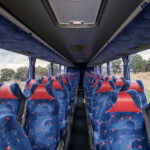
The vehicle links the stops and Hobart, while the driver doubles as your guide and gives commentary on the route and places you pass. The transfer is shared, with a group size of 1 to 20 people. A smaller group can feel more personal than a large coach, but pickup timing can still vary because several passengers may be collected.
Allow for the full four-hour round trip, not four hours at the attractions. The two stops are often around an hour each, with the remaining time used for transport and transitions. That distinction matters: if you read the tour length as four hours of sightseeing, you may find the schedule tighter than expected.
The day’s order and timing can change with traffic or weather, and some attractions may be skipped because of capacity or conditions. The listed return options are 17:00 or 17:30, depending on the departure and itinerary. Your pickup and return details are confirmed after booking, so check the voucher rather than relying on a general timetable.
Hotel pickup and return are included, which is a real convenience if you are staying in Hobart. Enter your hotel name and address when booking, check the confirmed pickup time, and be ready 15 minutes early. Shared transfers can arrive a little early or late.
Is the price fair for a half-day outing?
The tour is listed from $105.15, while the join-in package information also shows a starting price of US$91.45. Prices and currencies may vary with the booking option, so check the total shown at checkout before deciding.
The fee covers Bonorong admission, transport to and from your hotel, an English-speaking guide and live commentary. That bundle has practical value if you do not have a car: you avoid arranging separate transport and get both stops in one afternoon.
Still, convenience is not the same as exceptional value. Because the actual time at each stop is limited, the cost may feel high if you are paying mainly for a long sanctuary visit. One visitor specifically valued Bonorong’s rescued animals and kangaroo feeding but felt the total price was steep for the time spent. That is a fair concern to weigh against the ease of having transport arranged.
Driving yourself may be better if you want more control over how long you stay. If you are car-free, tired, or keen to fit Richmond and Bonorong into one afternoon, the organized transfer can justify the extra cost. The tour is also a useful way to see both without making separate transport plans.
Who should book this Hobart tour?
I would choose this outing if you want a short, low-effort introduction to Richmond and Tasmania’s wildlife. It suits people with only an afternoon to spare, families looking for a manageable trip, and anyone who wants to see a Tasmanian devil without hiring a car.
The age rules are simple: children aged 0 to 3 are free, but infants and children still count in the passenger headcount. Anyone aged 0 to 17 must travel with a paying adult. Bring water, sunscreen, sunglasses and a hat, especially if you expect to spend time outdoors.
You may prefer another plan if you want a full day at Bonorong, a slow visit to Richmond, or a more extensive nature outing. A full-day trip elsewhere, or a self-drive visit, gives you more time to set your own pace. This half-day tour is best understood as a convenient sampler, with the sanctuary as its main event.



Richmond and Borong Wildlife Sanctuary Half Day Tour from Hobart
“Well worth the half day trip from Hobart. The sanctuary was definitely a highlight seeing the wombats, Tassie devils and echidnas in particular.”
FAQ
How long is the tour?
The tour lasts about four hours, including transport between Hobart, Richmond and Bonorong Wildlife Sanctuary.
What time does the tour depart?
A 13:10 departure is listed. Check your booking voucher for your confirmed pickup time, as it can depend on your location.
Is hotel pickup included?
Yes. Round-trip transfers to and from your hotel or personal address in Hobart are included. Enter your hotel name and address when booking.
What is included in the price?
The tour includes Bonorong Wildlife Sanctuary admission, Richmond village admission, an English-speaking guide, live commentary, hotel transfers and WiFi on board. Meals, drinks and personal expenses are not included.
What animals might I see at Bonorong?
The tour features Tasmanian devils, kangaroos and other native animals. Wombats and echidnas are among the animals seen on visits, though specific sightings are not guaranteed.
Are children allowed on the tour?
Yes. Children aged 0 to 3 are free but must be included in the passenger headcount. Children aged 0 to 17 must be accompanied by a paying adult.
What should I bring?
Bring sunscreen, sunglasses, a cap or hat, and a water bottle.