Delhi’s Old City lanes and the Taj Mahal make a lively introduction to India’s Golden Triangle, while Jaipur adds a third city of forts and royal architecture. You travel in a private air-conditioned car with a driver, then meet local guides at the monuments.
I like two things here: you can see the major sights without arranging each transfer yourself, and the Old Delhi tuk-tuk ride adds a close-up look at Chandni Chowk beyond the car window. One caution: three cities in three days is a brisk schedule, and hotel stays and monument tickets are not included in the base package.
- Key points before you book
- A three-city introduction, with little room to linger
- Day one: Delhi’s monuments and market lanes
- Day two: the Taj, Agra Fort, and Fatehpur Sikri
- Day three: Jaipur’s forts, palaces, and pink-city views
- What the private car and guides add
- What the price covers, and what it does not
- Who will get the most from this route
- FAQ
- Is hotel accommodation included in the base tour?
- Are monument entry fees included?
- Does the tour guarantee a sunrise visit to the Taj Mahal?
- Which languages are available for the guides?
- What is included in the transportation?
- What time can I choose for pickup?
- The Best Of New Delhi!
- More Private Tours in New Delhi
- More Tours in New Delhi
- More Tour Reviews in New Delhi
- Not for you? Here's more nearby things to do in New Delhi we have reviewed
Key points before you book
 1 / 5
 2 / 5
 3 / 5
 4 / 5
 5 / 5
- Old Delhi by tuk-tuk: Chandni Chowk’s narrow market lanes are easier to experience on a small vehicle than from a car.
- Taj Mahal time is substantial: The plan allows about two and a half hours at the monument, but does not guarantee a sunrise visit.
- Three long touring days: Delhi sightseeing is followed by drives to Agra and Jaipur, with multiple major sites packed into each day.
- Hotels cost extra: Choose a no-hotel option or a package with three-star or five-star accommodation.
- Tickets and meals are extra: Budget separately for monument entry, food, drinks, and tips.
- Check the route details: Some advertised highlights, including Baby Taj and Panna Meena ka Kund, do not appear in the day-by-day schedule.

👉 See our pick of the 25 Best Shopping Tours In New Delhi
A three-city introduction, with little room to linger
This is a private tour built around the classic Delhi, Agra, and Jaipur circuit. A driver takes you between the cities, and guides are provided at the monuments. That combination can simplify a first visit, especially when you want a planned route rather than working out every transfer and entrance on your own.
The trade-off is pace. You spend three days moving between cities and visiting landmark after landmark. You will get a useful first look at each place, but this is not a slow cultural stay, and the schedule leaves limited time for wandering or adding stops.
The tour is described as a luxury experience, but the word needs context. The private air-conditioned car and personal driver are included; hotel accommodation is optional and separately priced. Entry fees, meals, and drinks are also on you. The quality of the hotel depends on the package you select, so the no-hotel option is not an all-inclusive stay.
There are also a few details to confirm before paying. The opening summary gives a price from $246.60, while the package prices state $285.95 for the tour without accommodation, $489.09 with a three-star hotel, and $677.15 with a five-star hotel. Treat these as different displayed starting figures, and check the final amount for your dates and selected package.
You can also read our reviews of more private tours in New Delhi



Day one: Delhi’s monuments and market lanes
The first day starts with pickup at your chosen location in Delhi. Departure choices are listed from 7:00 to 11:00, and the driver is meant to meet you with a placard bearing your name. An earlier start gives you more breathing room for the day’s stops, though traffic can still affect the order and duration.
Qutub Minar is the first major stop, with about an hour and a guide. Its 73-meter sandstone tower is the visual anchor of the complex, with carved details and inscriptions that reward a closer look. The visit is not just a photo stop: give yourself time to take in the surrounding structures as well.
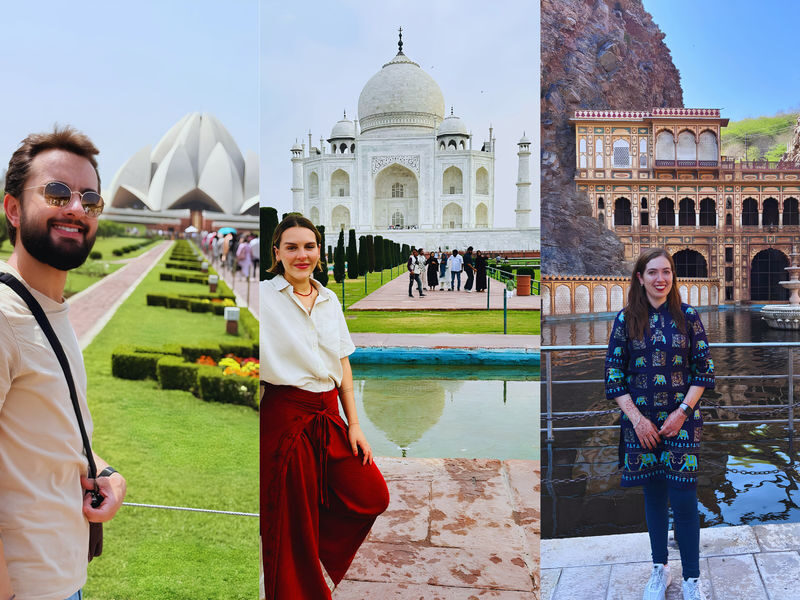
Humayun’s Tomb follows, also with roughly an hour. Its garden setting and Mughal design make a useful architectural prelude to Agra. The tomb’s dome and formal layout help explain some of the visual ideas that appear later at the Taj Mahal.
The Lotus Temple offers a different mood. Its petal-shaped form is the main attraction, but the quiet interior and open-to-all-faiths character provide a pause from the dense sightseeing schedule. The planned stop is only 30 minutes, so think of it as a brief visit, not a long period for reflection.
India Gate and Parliament House are included as guided sights, though the schedule does not give them set durations. Parliament is viewed from outside. India Gate is a war memorial surrounded by gardens, and the plan notes its evening illumination, but a morning departure may not line up with seeing it lit after dark. Ask how the day will be arranged if that detail matters to you.
Jama Masjid gets about an hour. This is Delhi’s largest mosque, with a broad courtyard, red sandstone and marble, and tall minarets. Dress respectfully and follow your guide’s instructions about entry and conduct. Then comes Chandni Chowk, where the included tuk-tuk ride is a welcome change from the car. The market lanes bring you close to shops, spices, textiles, and street food, though the visit is still guided and time-limited.
The day ends with a stated drive of about three and a half hours. Since the destination for that leg is not clearly identified in the daily schedule, confirm where you will sleep and when you are expected to arrive. A full day of city visits followed by a long drive can feel demanding, especially if you choose a late pickup.
Day two: the Taj, Agra Fort, and Fatehpur Sikri
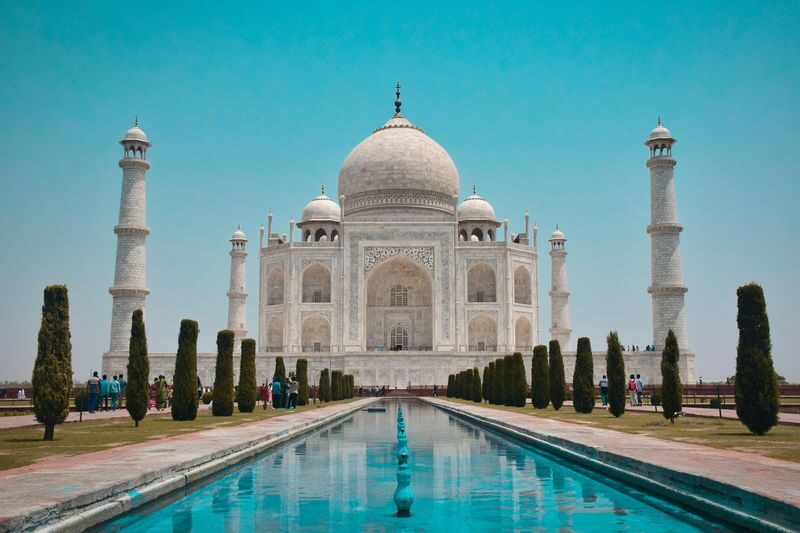
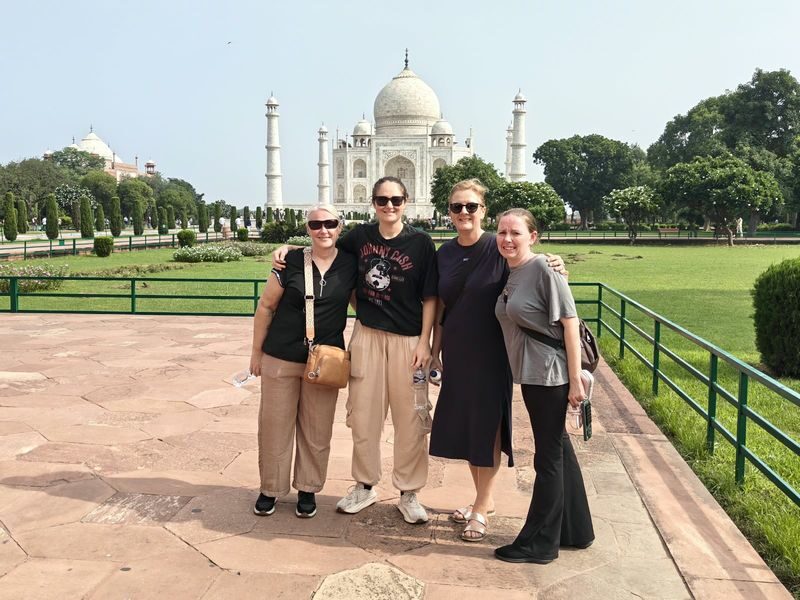
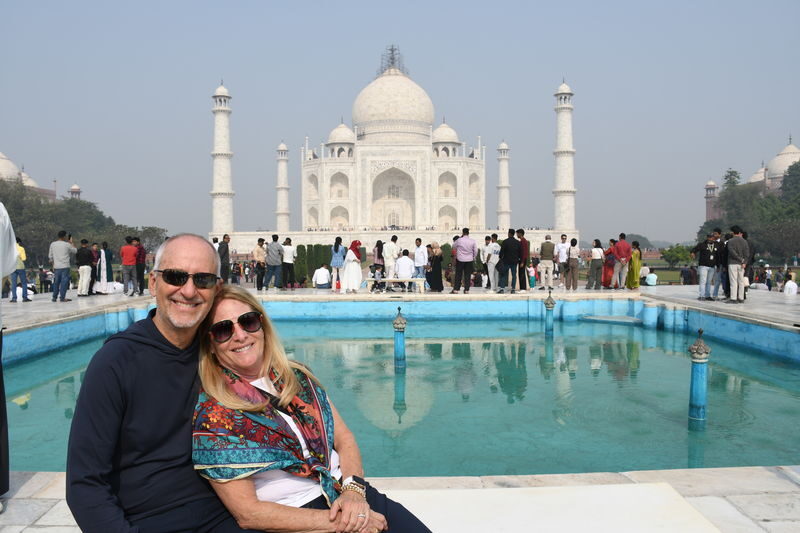
The Taj Mahal is allotted two and a half hours with a guide. That is a generous block compared with a quick stop, and gives you time to view the marble monument from different points and hear about its design and story. The tour’s highlights describe a sunrise visit, but the day-by-day schedule does not specify sunrise. Do not assume you will enter at dawn; confirm the actual timing before booking.
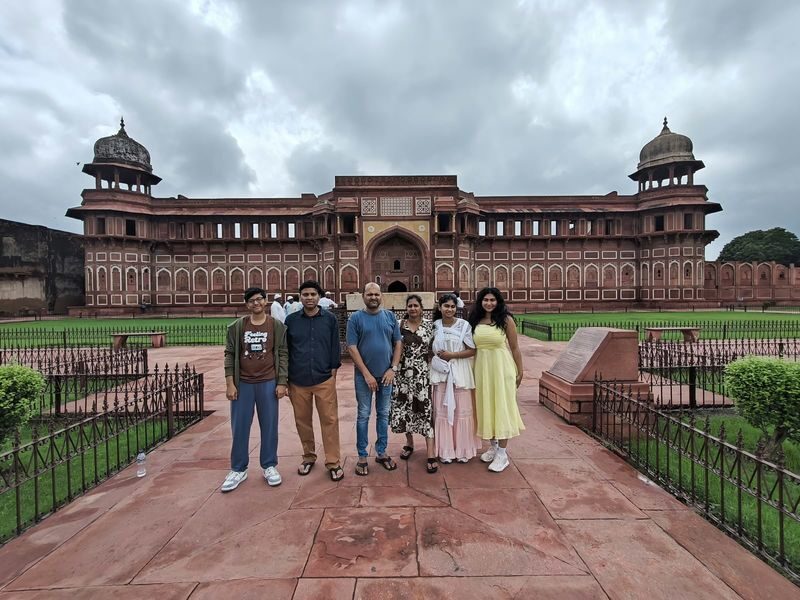
Agra Fort gets about an hour. Its massive red sandstone walls enclose palaces, courtyards, and views across the river toward the Taj. The fort is not merely a companion stop to the famous mausoleum: it gives you a sense of the scale and daily life of the Mughal court.
Fatehpur Sikri is the third scheduled visit. Built under Emperor Akbar in the sixteenth century and once used as a Mughal capital, the red sandstone complex has a striking architectural character of its own. The schedule allows one hour, which is a short visit for a large historic site. If you have a strong interest in its buildings, ask whether the timing can be extended or what parts the guide plans to cover.
After the Agra stops, the listed drive is about four hours. That is a significant stretch after a full day on foot, and it leaves little slack if roads are slow. Pack water and any snacks you need, as meals and drinks are not part of the package.
A major point to clarify: Baby Taj appears among the promoted highlights, but it is not included in the detailed day-by-day route. The same is true of the sunrise promise unless the operator confirms it. Do not build your plans around either stop without getting a clear answer.
Day three: Jaipur’s forts, palaces, and pink-city views
The day begins at Amber Fort, with about two hours and a guide. Its hilltop location, courtyards, decorated halls, and views over Maota Lake make it one of Jaipur’s most rewarding stops. Two hours is useful, but there is a lot to see, so expect to keep moving rather than explore every corner at leisure.
Jal Mahal is listed next. The Water Palace sits in Man Sagar Lake and is primarily a scenic stop in this schedule. The details do not give a set duration or specify access inside, so plan on viewing the palace and its setting rather than assuming an interior visit.
City Palace receives about an hour. The complex combines royal courtyards, halls, and museums, and offers a more intimate look at Jaipur’s princely past than the grand exterior views alone. Confirm whether any museum entry is covered, since monument admission fees are excluded.
Hawa Mahal, the Palace of Winds, is allocated 30 minutes. Its honeycomb façade and many small windows are the key sights. The short stop is likely best for seeing the building and taking in its place in the busy center of Jaipur, not for a long museum visit.
Panna Meena ka Kund, another promoted highlight, does not appear in the detailed schedule. Ask whether it can be added, and whether doing so would mean shortening another stop. The day ends with a return drive to Delhi, but the schedule does not state its duration. That uncertainty matters if you have a flight or onward train, so avoid booking a tight connection.
What the private car and guides add
A private air-conditioned car is valuable on a route that covers three cities and several long drives. You are not sharing the vehicle with a tour group, and the driver stays with you for the journey. Hotel pickup and drop-off, fuel, tolls, and parking fees are included. The Old Delhi tuk-tuk ride is also included.
Guides are listed in English, Spanish, Russian, Japanese, and French, with a private live guide at the monuments. No individual guide names are supplied, so you cannot request a particular person from the information here. The guide can put the architecture and local customs in context, while the driver handles the road logistics.
Still, a private vehicle does not guarantee that every day runs to the clock. The schedule may change with traffic and weather. If a stop is important to you, say so before departure and confirm that it is part of the agreed route. This is especially useful for the sunrise Taj visit, Baby Taj, and Panna Meena ka Kund, which are mentioned as highlights but absent from the detailed schedule.
You can also read our reviews of more tours and experiences in New Delhi


What the price covers, and what it does not
The listed package choices are tour without hotel accommodation from $285.95, with three-star accommodation from $489.09, and with five-star accommodation from $677.15. A separate starting price of $246.60 is also shown, so check the checkout price carefully rather than relying on the lowest headline figure.
The no-hotel option may suit you if you already have places to stay or want to choose your own. The hotel packages reduce the work of arranging overnight stays, but hotel names depend on availability, with a similar-category alternative arranged if the named property cannot be provided. Early check-in before 14:00 is not guaranteed. If you arrive around midnight, the operator recommends booking an extra night in advance.
None of the package prices should be treated as covering everything. Monument tickets, meals, beverages, and tips are excluded. With multiple major monuments across three days, entry fees can add up, so check current admission prices and bring enough money for the sites you plan to enter. The package includes complimentary water, but carrying extra water is sensible on long sightseeing days.
The tour offers a full refund for cancellation at least 24 hours before the activity date, based on local time. Changes are allowed until 24 hours before the start, subject to stated restrictions. Pickup times are reconfirmed in advance, and you are asked to be in the lobby ten minutes early. These are small steps, but they matter when the first day begins with a fixed departure.
Who will get the most from this route
I would consider this tour if you have only three days for Delhi, Agra, and Jaipur and value having a driver and guides arranged together. It is also a practical choice if you are new to India and would rather not coordinate intercity travel, city transfers, and monument visits yourself.
It is less suited to anyone who wants unhurried time, long meals, or a deep visit to each site. The driving and sightseeing add up, especially on the second and third days. If you can spare more time, adding nights in Agra or Jaipur would let you slow the pace and reduce the feeling of racing through a checklist.
Before booking, get written confirmation of the three details most likely to affect your expectations: whether the Taj visit is actually at sunrise, whether Baby Taj and Panna Meena ka Kund are included, and how long the final drive back to Delhi usually takes. Also confirm the total price with your chosen hotel category and remember that entry fees and meals are extra.
From Delhi: Private 3 Days Luxury Golden Triangle Tour
“It was great not to encounter any pushy touts.”
FAQ
Is hotel accommodation included in the base tour?
No. The tour without accommodation is a listed package. Separate options include three-star and five-star hotel accommodation.
Are monument entry fees included?
No. Monument entry fees are excluded, as are meals, drinks, and tips.
Does the tour guarantee a sunrise visit to the Taj Mahal?
The highlights describe a sunrise visit, but the day-by-day schedule does not specify sunrise. Confirm the timing with the operator before booking.
Which languages are available for the guides?
The listed guide languages are English, Spanish, Russian, Japanese, and French.
What is included in the transportation?
A private air-conditioned car, hotel pickup and drop-off, fuel, tolls, parking fees, and a tuk-tuk ride in Old Delhi are included.
What time can I choose for pickup?
The listed departure choices are 07:00, 08:00, 09:00, 10:00, or 11:00. The operator reconfirms the pickup time in advance, and you should be ready ten minutes early.