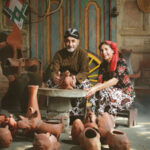
At Buntari Ceramics Studio, you can turn a lump of clay into a pot of your own, either by shaping it with your hands or learning to throw it on a wheel. The two-hour class is beginner-friendly, and you can personalize your work with carved details or engobe color.
I like that the class includes one kilogram of clay, mentoring, glazing, and kiln firing, so you are not paying just to try a quick craft and leave with a damp piece. I also like the option to choose between pinching and wheel throwing, which lets you match the class to your interest. The main catch: the pottery needs days of processing after class, so you will not take home a finished piece that afternoon.
- At a glance: what to know before you book
- Choose between pinching and the pottery wheel
- What happens in the two-hour class
- Patient teaching makes this a good first pottery class
- Your pot will need days before it is ready
- The studio setting is part of the appeal
- Is the price good value?
- Who will enjoy this class most?
- Booking details worth checking
- Should you book Buntari Ceramics Studio?
- FAQ
- How long is the pottery class?
- What time can I book?
- Where is Buntari Ceramics Studio?
- Can beginners take the class?
- Is there an age limit?
- What pottery styles can I choose?
- What is included in the class?
- Can I take my finished pottery home on the day?
- Do I need to arrange my own transport?
- What should I bring, and when should I arrive?
- The Best Of Yogyakarta!
- More Workshops & Classes in Yogyakarta
- More Tours in Yogyakarta
- More Tour Reviews in Yogyakarta
- Not for you? Here's more nearby things to do in Yogyakarta we have reviewed
At a glance: what to know before you book
- Choose your technique: The pinching class starts from US$25.99, while pottery throwing starts from US$32.95. The experience summary also gives a starting price of US$28.59, so check the price shown for your chosen package and date.
- Plan for two hours: The class is held at Buntari Ceramics Studio in Sleman, with sessions at 10:00, 13:00, and 15:00.
- You get the finishing work, not an instant souvenir: Glazing and kiln firing are included, but the piece takes days to process.
- Expect patient, hands-on teaching: Instructors named in past sessions include Bintang, Nawang, and Minda. Your instructor may differ.
- Arrive early and bring cash: Be at the studio 15 minutes before your session. Casual clothes are suitable, and cash is listed among the recommended items.
- You arrange your own transport: Hotel pickup and drop-off are not included.

👉 See our pick of the 25 Best Guided Tours In Yogyakarta
Choose between pinching and the pottery wheel
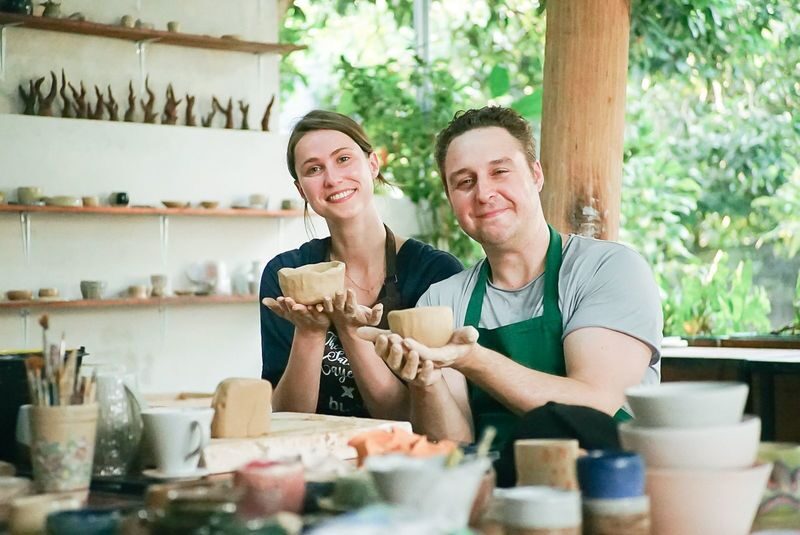
Buntari offers two distinct ways to make a pot. In the pinching class, you shape the clay by hand, pressing and forming it into a vessel. It is a good choice if you want a relaxed introduction to working with clay and prefer to focus on touch, shape, and small details.
The pottery throwing class teaches you to form a pot on a wheel. It asks for a different kind of focus: you need to guide the spinning clay as you work. The class includes instruction, but a first attempt may not look like the neat pot you have in mind. That is part of the appeal. You get to learn a practical skill, not simply decorate a ready-made object.
Both options include one kilogram of clay, mentoring, engobe color painting, glazing, and kiln firing. The listed package prices differ, with pinching starting at US$25.99 and throwing at US$32.95. The summary price is US$28.59, so treat all of these as starting figures and check the rate for the exact option you select.
If you are unsure which class suits you, think about what you want from the session. Choose pinching for a gentler, hand-built approach. Choose throwing if learning the wheel is the main reason you are going.
You can also read our reviews of more tours and experiences in Yogyakarta
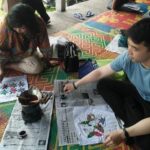


What happens in the two-hour class
The activity is set up as one guided session at Buntari Ceramics Studio, rather than a series of stops around Yogyakarta. You meet at the studio, spend about two hours learning and making, then finish there. The listed plan does not include transportation, so make your own way to the address in Sinduharjo.
Your instructor guides you through the chosen technique and helps you shape your piece. The class is described as beginner-friendly, and the instruction is meant for people who are new to pottery as well as those who want a hands-on cultural activity. You do not need to arrive with a finished design in mind. The class gives you room to experiment.
Once you have formed your pottery, you can add carved details to make it more personal. Engobe color painting is included, too. Those finishing touches matter: they give you a chance to make a simple form feel like your own, even if the shape is not perfectly even.
The two-hour length is enough to get a feel for the process without taking up an entire day. Still, it is a studio activity, not a fast souvenir stop. You will be working with clay and receiving instruction, so arrive ready to focus and get your hands messy.
Patient teaching makes this a good first pottery class
The teaching is one of the strongest reasons to book. Instructors named in past classes include Bintang, Nawang, and Minda. Their names are useful context, but they are not a promise that one particular person will lead your session.
The instruction has been described as clear, patient, supportive, and interactive. That is especially valuable at a pottery wheel, where a small adjustment in hand position can change what happens to the clay. A calm teacher can help you keep going instead of deciding your first wobble means you have failed.
The class also suits people who prefer to learn by doing. Rather than simply watching a demonstration, you receive mentoring as you make your own piece. You can ask for help as you work, and the instructor can guide and encourage you through the process.
No minimum age is listed, and the activity has no age limit. That makes it a flexible option for families or mixed-age groups, though the provided details do not specify child-specific instruction or facilities. If you are booking for a young child, contact the studio through the reservation details on your voucher to check what to expect.
Your pot will need days before it is ready
The biggest practical point is easy to miss: the class lasts two hours, but the pottery takes days to be processed. Glazing and kiln firing are included, yet they happen after you have made the piece. You should not expect to carry a finished pot away at the end of the session.
The studio has been described as following up about completed work and sending it on, and one past participant appreciated not having to worry about receiving the finished piece. Another noted that sending the work back was optional. The provided details do not state the delivery method, timing, or whether shipping costs extra, so ask the studio before class if you need a firm answer.
This is a key part of deciding if the activity suits your trip. If you are leaving Yogyakarta soon after the class, check how the studio handles your piece and where it can be sent. If you are comfortable waiting, the delay is a fair trade for having your work glazed and fired rather than taking home unfired clay.
The studio setting is part of the appeal
Buntari Ceramics Studio specializes in high-end handmade ceramics in Yogyakarta. That gives the class a useful connection to working ceramics, rather than making the activity feel like a generic craft session. You get to learn in a studio environment and make an object with guidance from someone who works with pottery.
The studio is at Jl. Kopen II, Jl. Banteng Raya, Banteng, Sinduharjo, Ngaglik, Sleman Regency, Yogyakarta. Hotel pickup and drop-off are not included, so you will need to arrange your own transport. The address is specific, but the activity information advises using the map to help find the meeting point.
Arrive 15 minutes before your chosen time. Late arrivals and no-shows are not refundable, so leave enough room for the journey and locating the studio. The class runs every day, with sessions at 10:00, 13:00, and 15:00. Your available return time depends on the session you book, and the studio is listed as open from 10:00 to 17:00.






Is the price good value?
The starting price depends on which package you choose. Pinching begins at US$25.99 and throwing at US$32.95, while the experience summary gives a price from US$28.59. Because these figures differ, check the final price for your date and selected class before booking.
The value comes from what is included: clay, instruction, engobe color, glazing, and kiln firing. A class that covers both making and finishing gives you more than a short demonstration, and the two-hour session lets you work on a piece rather than rush through a brief tryout. The throwing class costs more at its listed starting rate, which may make sense if learning the wheel is your priority.
There are costs and effort beyond the listed package to consider. You arrange your own transport, and the details do not confirm whether delivery of your finished piece is included. If you are choosing the activity mainly to bring home a keepsake, ask about the return arrangements before you pay. If you want the experience of making something and are happy to wait for the finished result, the included firing and glazing add real value.
Who will enjoy this class most?
I would choose this class if you want a hands-on break from sightseeing and are curious about how pottery is made. It gives you time to learn a skill, make your own object, and add personal details. The beginner-friendly format makes it a reasonable first class, not just an activity for people who already know their way around a wheel.
It is also a good fit if you like thoughtful souvenirs. Your piece will be your own work, and the finishing process means it can become a usable ceramic object rather than a temporary exercise. Just be realistic about the wait and confirm delivery details if you are not staying in the area.
This may be less suitable if you want a quick activity with an immediate takeaway, need transport included, or have a tight schedule that makes a return shipment hard to manage. The class is only two hours, but the finished pottery takes longer. Plan around that before you book.
Booking details worth checking
The class is held daily, and you can select a 10:00, 13:00, or 15:00 session. You are asked to arrange and secure your preferred slot through the studio’s reservation channels shown on the voucher. If your choice is full, staff may recommend another time.
Bring your mobile voucher and arrive 15 minutes early. Wear casual clothes, and bring cash, as recommended. The activity has no age limit, and English- and Bahasa Indonesia-speaking instruction or staff are available.
Bookings can be cancelled for a full refund at least 24 hours before the activity date, using the destination’s local time. Changes are allowed until 24 hours before the activity starts, with exceptions for bookings made with Klook Pass, under presales, with a freebie, before a voucher is issued, or using SG Culture Pass or Taiwan Culture Points. Your voucher is valid only for the date and time specified.
Should you book Buntari Ceramics Studio?
Book this class if you want a calm, practical introduction to pottery in Yogyakarta, with the choice of hand pinching or wheel throwing. Patient instruction, carving, color, glazing, and firing make it a satisfying two-hour activity, especially if you enjoy making something rather than only looking at it.
I would pause before booking if you need to take your finished pottery home immediately. It takes days to process, and the details do not settle delivery cost or timing. Check those arrangements, choose the technique that interests you most, and arrive early. If that works for your schedule, Buntari offers a personable way to spend an afternoon making something you can keep.
Pottery Class in Yogyakarta with Buntari Ceramics Studio
“good explanation by the instructor Bintang, relaxed pinching pottery session. do take note the pottery will take days to be further processed- it's…”
FAQ
How long is the pottery class?
The activity lasts two hours, with the session held at Buntari Ceramics Studio.
What time can I book?
Sessions are available at 10:00, 13:00, and 15:00 every day. Availability can vary, so secure your preferred time through the studio’s reservation channels on your voucher.
Where is Buntari Ceramics Studio?
The address is Jl. Kopen II, Jl. Banteng Raya, Banteng, Sinduharjo, Ngaglik, Sleman Regency, Yogyakarta, Indonesia.
Can beginners take the class?
Yes. The activity is described as beginner-friendly, and mentoring is included.
Is there an age limit?
No age limit is listed for this activity.
What pottery styles can I choose?
You can book a pinching pottery class or a pottery throwing class. The throwing class teaches you to make pottery on a wheel.
What is included in the class?
The listed inclusions are admission, an English or Bahasa Indonesia-speaking guide, English-speaking staff, one kilogram of clay, engobe color painting, kiln firing, glazing, and mentoring.
Can I take my finished pottery home on the day?
No. The piece takes days to be processed. The studio has followed up about completed work and sent pottery to participants, but confirm delivery details and any costs before the class.
Do I need to arrange my own transport?
Yes. Hotel pickup and drop-off are not included.
What should I bring, and when should I arrive?
Bring cash and your mobile voucher, wear casual clothes, and arrive 15 minutes before your selected session.