Pokhara’s seven-stop tour is a useful way to connect the city’s caves, temples, waterfalls, and mountain culture in one day. I like the private format, which lets the guide adapt the route, and the chance to hear local context from guides such as Bidur, Pujan, or Santosh.
The main consideration is that the exact seven stops are not spelled out in advance here, and water levels can affect access to a site such as Devil’s Fall. Expect some walking and steps at the caves, and check which entrance fees are included before you go.
- A full day, seven attractions: See several sides of Pokhara in one outing rather than arranging each visit yourself.
- A flexible private route: Guides have adjusted plans when a stop was closed or a traveler wanted a different visit.
- Caves with a cultural dimension: One cave visit may include a Hindu ritual, while some cave sections involve plenty of steps.
- The International Mountain Museum: A strong choice if you want context on Nepal’s mountain culture, not just scenic stops.
- Local guidance matters: Bidur, Pujan, Santosh, and other named guides have been praised for clear explanations and attentive service.
- Budget for site entry: Guides can help with tickets, but the payment for admission may be separate from the tour price.
- Seven stops, several sides of Pokhara
- Devil’s Fall and changing water conditions
- Cave visits: steps, water, and ritual
- Temples and the stories behind them
- The International Mountain Museum
- A guide who can make the day personal
- Getting around and keeping the day comfortable
- Is the price good value?
- Who should book this Pokhara day tour?
- FAQ
- How long is the tour?
- Is this a private tour?
- Which attractions are included?
- How much does the tour cost?
- Can the route change during the day?
- What is the cancellation policy?
- The Best Of Pokhara!
- More Guided Tours in Pokhara
- More Tours in Pokhara
- More Tour Reviews in Pokhara
- Not for you? Here's more nearby things to do in Pokhara we have reviewed
Seven stops, several sides of Pokhara
 1 / 3
 2 / 3
 3 / 3
Pokhara is known for its lakes and mountain views, but a day in town can also reveal places that are easy to miss if you only linger by the water. This private tour links seven iconic attractions into one full-day outing, giving you a broad introduction to the city’s natural sights, religious sites, and mountain heritage.
That range is the tour’s main value. Instead of building a route, finding transport, and working out what each place means on your own, you have a guide to help make the day coherent. For a first visit, or a short stay, that can be a practical way to cover ground.
The experience is private, so the pace and conversation can be more personal than on a group outing. Past guides include Bidur, Pujan, Santosh, and Bishal Lamsal. The guide you receive is not guaranteed by name, but the strongest reports describe people who explain local beliefs and history, take care with individual needs, and adjust plans when circumstances call for it.
One useful caveat: the exact list of seven destinations is not specified in the tour details. Devil’s Fall, the Peace Pagoda, caves, temples, and the International Mountain Museum all appear in accounts of the experience, but confirm the planned stops before booking if one particular site is essential to you.
👉 See our pick of the 6 Best Shopping Tours In Pokhara
Devil’s Fall and changing water conditions
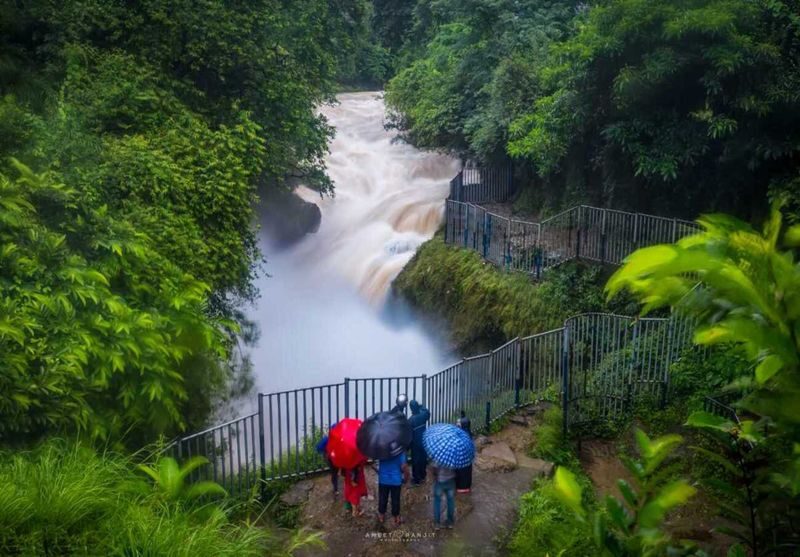
Devil’s Fall is one of the stops associated with the tour, but access can depend on conditions. During one visit, high water led to a temporary closure. The guide agreed to change the plan and take the group uphill to the Peace Pagoda instead.
That flexibility is worth more than a rigid checklist. A closed attraction can be frustrating, especially when you have set aside a whole day, but a guide who can respond calmly may help preserve the day’s momentum. If you hope to see Devil’s Fall, ask about current access shortly before your tour.
The waterfall’s water flow can also affect how it looks. You may find that a site has a different character depending on the season and conditions. Treat the day’s route as a plan that may need adjustment, rather than a guarantee that every stop will be available exactly as expected.
The Peace Pagoda is a useful alternative if you are comfortable with an uphill visit. It offers a different kind of stop from a waterfall, and the change can make sense when the original plan is not possible. If you have mobility concerns or want to avoid a climb, mention that when discussing the route.
You can also read our reviews of more guided tours in Pokhara
Cave visits: steps, water, and ritual
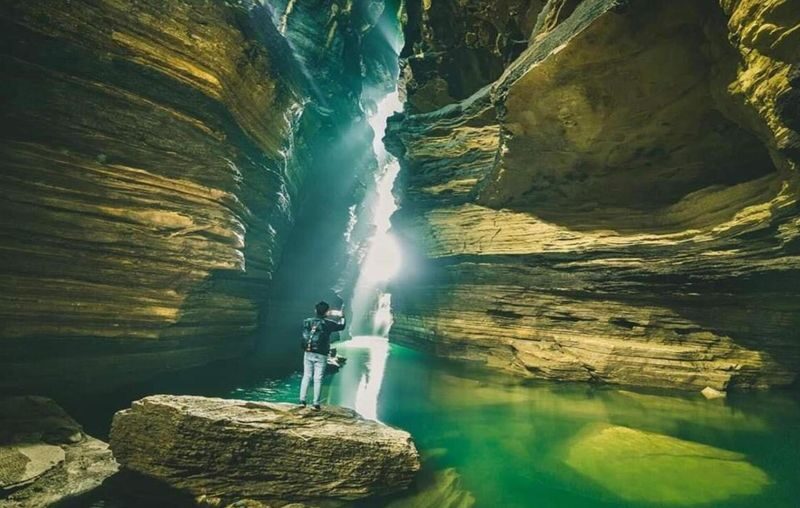
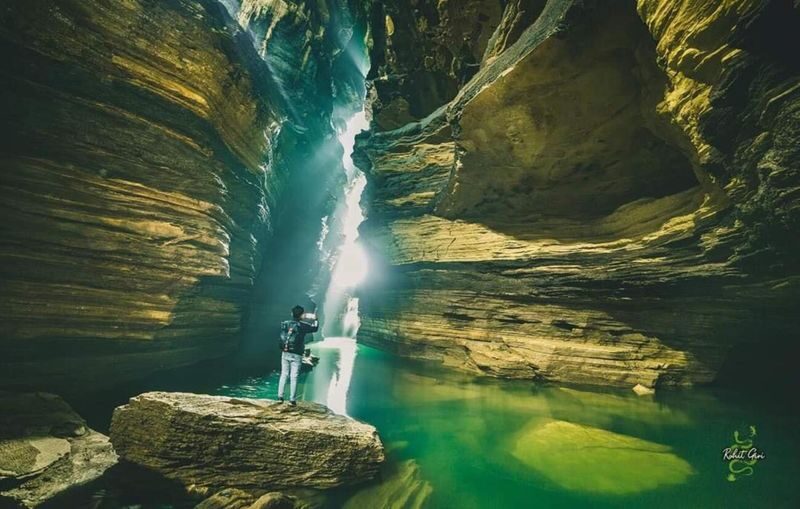
Caves are among the more distinctive parts of a Pokhara sightseeing day. One cave visit has been described as a place where you can see a waterfall from inside, while another account recalls a Hindu ritual and local people praying. That mix of natural feature and religious practice gives the visit more meaning than a quick photo stop.
Approach these visits as active sightseeing, not a series of stops you can do entirely from a vehicle. Some cave sections include many steps and can feel challenging. Wear shoes you can walk in, keep your hands free where possible, and take your time if stairs are uncomfortable.
A guide can help explain what you are seeing and how a sacred place is used. That context is especially valuable if you are unfamiliar with local customs. Be respectful during prayer or ritual, and follow your guide’s advice about where to stand and when it is appropriate to take photos.
Conditions can shape the experience, so leave room in your expectations. The waterfall visible from a cave may not look the same every time, and the atmosphere of a religious site depends in part on what is happening there that day. The best approach is to stay curious without expecting a staged performance.
Temples and the stories behind them
Temples give the day a chance to slow down. They are not just another item to tick off: they can show how religious practice fits into ordinary life in Pokhara. One account of the tour describes seeing local people pray together in a cave, a moment that made the place memorable.
This is where a good guide can make the difference between a visit and an explanation. Bidur, in particular, has been named for sharing detailed accounts of Nepalese beliefs and culture. Pujan and other guides have also been praised for engaging stories and attentive explanations.
You do not need to know the rituals in advance. Listen, watch, and ask respectful questions when there is a natural opening. If you want more time at a temple or prefer a quieter pace, say so. A private outing gives you a better chance to shape the day around your interests than a large fixed group would.
The International Mountain Museum
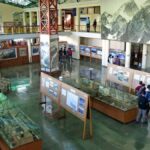
The International Mountain Museum is a strong change of pace from the outdoor stops. It focuses the day on Nepal’s mountain culture and gives you a place to take in information at a different speed. One person who took the tour singled it out as a favorite, which makes it a good candidate for anyone who wants more than views and photographs.
A museum visit can also help you put the region’s mountains in context. The tour’s overall appeal is that it combines scenery with sites that explain something about people, belief, and place. If the museum matters to you, ask how much time the guide expects to allow there; seven destinations in one day means time at each stop may be limited.
One visitor wished for documentary videos during the visit, a reminder that the museum may not provide every kind of interpretation you would want. A guide can help fill in some of that context, but you should not assume that every exhibit will be presented as a guided talk.
A guide who can make the day personal
The most consistent strength of this outing is the guide’s role. Bidur has been praised for adapting the itinerary, explaining history, and helping guests understand religious and cultural details. Pujan has been described as attentive, while Santosh was willing to change the plan when Devil’s Fall was closed.
Those names are useful indicators of the kind of service available, but they are not a promise that you will be assigned a specific person. You may want to ask who is guiding your date if a particular guide has been recommended to you. Even without a named guide, the tour works best when you treat the day as a conversation, not simply a ride between sites.
Small acts can matter on a long day. A guide has helped locate a secluded hotel, assisted with luggage during a hotel change, and made a coffee break at a bakery part of the outing. Another visitor appreciated help with commemorative photos at each site. These details suggest a service style that can be attentive, though you should still state your needs clearly rather than assume every extra is included.
Lunch is another good moment to use the guide’s local knowledge. One guide recommended Nepalese food instead of a standard tourist stop and explained the dishes. If local cuisine is important to you, ask for a recommendation; meal costs are not specified in the tour details.
You can also read our reviews of more tours and experiences in Pokhara


Getting around and keeping the day comfortable
The tour is described as a full-day private experience, and transport is part of how it connects the stops. Some accounts describe hotel pickup, and one person was collected at the airport instead of the usual hotel meeting point. Pickup details can depend on the arrangement, so confirm your location and time before the day.
A driver may accompany the guide. A pair of guide and driver was praised for making the outing comfortable, and another visitor appreciated careful driving. This matters in a day with several stops: you can spend your attention on the places rather than organizing every transfer yourself.
The schedule includes a lot of ground to cover, and the cave steps add physical effort. Wear comfortable walking shoes and bring water. If you are traveling alone, the private format can still work: a solo participant described the day as smooth and comfortable. If you are with a partner or family, tell the guide what pace suits everyone.
Do not mistake private for unlimited time at every attraction. Seven stops make for a full schedule, and time can be affected by closures, traffic, or how long you choose to stay. If you have one must-see site, mention it at the start and ask how the guide plans to fit it in.
Is the price good value?
The tour starts at $20, which makes it look like an accessible way to see several sights with a guide. The real value depends on what that starting price includes, how many people are in your private party, and whether entrance fees are extra. The price information provided does not settle those details.
Plan to ask about admission costs. Guides have helped with ticketing at the sites, while the visitor paid the entry money. That arrangement can still be convenient: you get help understanding where to go and how to enter, without assuming that the tickets are covered in the booking price.
For the right person, the time saved may matter as much as the price. If you are in Pokhara for a short stay, having one guide coordinate a day across seven attractions can be easier than arranging several separate visits. If you prefer to linger, choose your own route, or spend much of the day by the lake, a seven-stop itinerary may feel too packed.
The booking includes instant confirmation and free cancellation if you cancel at least 24 hours before the activity date, using local time. That gives you a little room to adjust plans, but it is still wise to check the exact inclusions and pickup arrangement before paying.
Who should book this Pokhara day tour?
I would consider this tour if you are visiting Pokhara for the first time, have one day for the main sights, and value explanations as much as transport. It also suits solo visitors who want a guided day, and anyone interested in caves, temples, and the International Mountain Museum alongside natural attractions.
It is a less obvious choice if you want a slow day with long breaks, dislike stairs, or need a guaranteed visit to a particular attraction. The route can change when a site is closed, and the seven stops mean you may not have unlimited time at any one place.
Book it if you want an efficient, guided introduction and are comfortable with a flexible route. Before confirming, ask which seven sites are planned, whether admission is separate, and where pickup will take place. Those three answers will tell you more about whether the tour fits your day than the headline price alone.
Pokhara 7 Iconic Attractions Full-Day Tour with Guide
“by the time we went to the Devil's Fall, the fall is temporary closed due to too much water. as we suggested to go uphill to Peace Pagoda instead,…”
FAQ
How long is the tour?
It is a full-day tour covering seven iconic destinations in Pokhara.
Is this a private tour?
Yes. The experience is described as a private tour with a guide.
Which attractions are included?
The tour is described as covering seven iconic destinations, but the precise set of stops is not specified. Stops associated with the experience include Devil’s Fall, the Peace Pagoda, caves, temples, and the International Mountain Museum.
How much does the tour cost?
The price starts at $20. The information provided does not specify whether entrance fees are included, so confirm that before booking.
Can the route change during the day?
Yes. The route has been adjusted when Devil’s Fall was temporarily closed because of high water, with the Peace Pagoda used as an alternative.
What is the cancellation policy?
You can cancel for a full refund if you do so at least 24 hours before the activity date, using destination local time.