Pokhara’s appeal is easiest to grasp from above the lake, where the white World Peace Pagoda looks across Phewa Taal toward the Annapurna range. This sightseeing outing links that view with temples, a cave, a waterfall and the Seti River Gorge, giving you a useful first look at a city where mountain scenery and daily religious life sit close together.
I like two things about the plan: the early boat ride on Phewa Lake can offer calm water and clear reflections, and hotel transfers let you cover sights spread around town without arranging each ride yourself. The stops also mix nature and worship, so the day is not just a string of viewpoints.
The main caution is the timing. The experience is labeled as one hour, but the stated pickup and return window runs from 09:00 to about 13:30 or 14:00, and the sightseeing plan includes several stops. Confirm the actual duration and route before booking, and set aside extra money for boating and entrance fees.
- What to know before you go
- Pokhara in one half-day
- Phewa Lake and Tal Barahi Temple
- World Peace Pagoda and the mountain views
- Devi’s Fall and Gupteshwor Mahadev Cave
- Seti River Gorge: a brief look at a powerful river
- Bindabasini and Pumdikot: temples on the route
- The guide and vehicle matter
- Price, extra fees and real value
- Who should book this Pokhara tour?
- FAQ
- How long does the Pokhara sightseeing tour take?
- What time is pickup?
- Which places are included?
- Is boating on Phewa Lake included in the price?
- Are attraction entrance fees included?
- Are meals and drinks included?
- What languages are available?
- The Best Of Pokhara!
- More City Tours in Pokhara
- More Tours in Pokhara
- More Tour Reviews in Pokhara
- Not for you? Here's more nearby things to do in Pokhara we have reviewed
What to know before you go
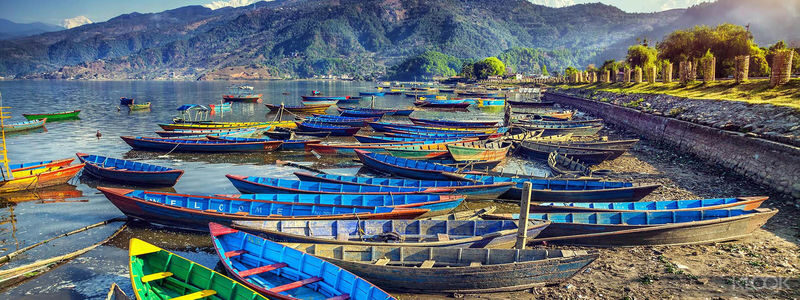
- Phewa Lake before 10:00: Early boating is recommended for calmer water and better reflections.
- A hilltop view at the Peace Pagoda: The stupa is a major draw for its broad views of the lake and Himalayas.
- A mix of city sights: The stated route includes Tal Barahi Temple, Devi’s Fall, Gupteshwor Mahadev Cave, Seti River Gorge and Pumdikot Temple.
- Hotel pickup is included: Be ready in the lobby 10 minutes before your confirmed pickup time.
- Extra costs need planning: Meals, drinks, tips and some attraction fees are not included; boating also costs extra.
- Guide quality can vary: Some guides are attentive and informative, while others may offer only brief explanations.
👉 See our pick of the 6 Best Shopping Tours In Pokhara
Pokhara in one half-day
Pokhara is often called Nepal’s tourism capital, and this route helps explain why. It pairs a relaxed lakeside setting with views of the Annapurna range, Hindu temples, and natural features such as a gorge and waterfall. For a first day in town, that range can help you decide where to return at a slower pace.
The tour is sold as a city sightseeing experience, but its practical value is really in linking dispersed stops. You avoid having to negotiate separate transport for every attraction, and a guide can add context that you might miss if you simply move from place to place with a map.
Still, keep expectations flexible. The stated schedule identifies Seti River Gorge as a one-hour guided stop, while the wider description includes several other attractions. The trip length is given as one hour in one place, yet the pickup is listed at 09:00 and the return around 13:30 to 14:00. That is a significant mismatch. Ask the operator to confirm the total time, which stops are included on your date, and whether boating is part of the arranged route.
You can also read our reviews of more city tours in Pokhara

Phewa Lake and Tal Barahi Temple
Phewa Taal is the natural starting point for understanding Pokhara. The lake anchors the city’s Lakeside district, and a boat ride offers a different angle on the mountains and surrounding hills. The practical tip is to go before 10:00, when the water is more likely to be calm and reflective.
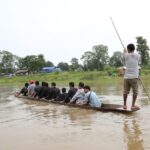
Tal Barahi Temple sits on an island in the lake, making the boat ride part of the visit rather than mere transport. It is a Hindu shrine, and the setting gives you a sense of how worship and ordinary lake life share the same space. The temple is one of the tour’s named highlights, though weather and schedule changes may affect whether you reach it.
Boating is not included in the stated package inclusions, and you should carry cash for it. The exact cost can vary, so ask locally rather than relying on old figures. If you have already spent time around the lake, you may prefer to use the tour’s limited hours for a less familiar stop. If this is your first visit, the boat and temple make a strong introduction.
World Peace Pagoda and the mountain views
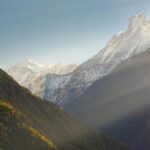
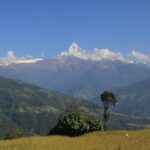
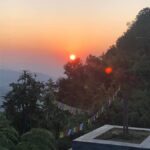
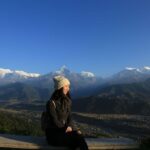
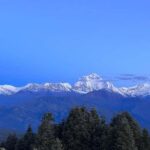
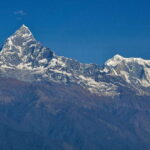
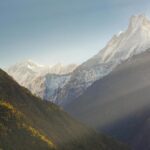
The World Peace Pagoda, also called the Peace Stupa, is a white Buddhist monument on a hill above Phewa Lake. It is a place for quiet reflection as well as a viewpoint, and the broad outlook is one of the clearest reasons to take this tour. On a clear day, the Himalayan range provides the backdrop; cloud and weather can change what you see.
The climb and paths around viewpoints call for comfortable, non-slip shoes. The tour uses vehicle transfers between attractions, but you may still need to walk around the sites. Take your time at the pagoda if the schedule allows. A hurried stop can reduce the visit to a quick photograph, while a few quiet minutes make the setting more rewarding.
The pagoda’s view is repeatedly singled out as a high point of the outing. That makes this stop a good fit if scenery matters more to you than collecting a long list of attractions. It also pairs well with the lake: from the water you look toward the hills, and from the hill you look back across the lake.
Devi’s Fall and Gupteshwor Mahadev Cave
Devi’s Fall and Gupteshwor Mahadev Cave are close enough to make a natural pairing on a city tour. The waterfall is known locally as Davis Falls as well, and the water disappears into an underground channel. The sight depends on water conditions, and some visitors find the stop less compelling than the pagoda or lake.
The cave brings a spiritual element to the area. Gupteshwor Mahadev is associated with Lord Shiva, and the cave’s interior gives the visit a very different feel from the open viewpoints. Wear shoes with grip, especially after rain. Wet conditions have led to the cave being closed for safety, so treat this stop as weather dependent rather than guaranteed.
Entrance costs are not included in the tour price, and some attractions charge separate fees. Carry small cash and allow for those costs in your budget. If you are short on time, you may decide that the cave and waterfall are secondary to the lake and hilltop views. If you enjoy seeing how natural places become part of local religious life, they add useful context.
Seti River Gorge: a brief look at a powerful river
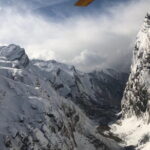
The Seti River Gorge is listed as a guided stop, with one hour assigned to it in the stated schedule. The Seti cuts through Pokhara in a deep channel, and viewpoints reveal how sharply the river has carved into the surrounding ground. It is a striking natural feature, though the experience depends on where the vehicle stops and how much time you have to look.
This is one of the places where a guide can make a difference. A short explanation can help you understand the gorge’s setting and why the river is such a dramatic presence in the city. But guide commentary is not consistent: some guides have offered useful local detail, while others have given only basic descriptions. If you want more context, ask questions rather than assuming a full talk at every stop.
The gorge may not be the most visually impressive stop for everyone. It is best seen as one part of a broader route, not the reason to book on its own. Its value is in contrast: after the lake and open hilltop views, the narrow river channel shows another side of Pokhara’s geography.
Bindabasini and Pumdikot: temples on the route
Bindabasini Temple is among the city’s important Hindu shrines and is named as a place to take in views as well as local religious life. The tour description also includes Pumdikot Temple, referred to elsewhere as Phudikot, so check that both are on the route you are offered. The exact order of stops can change with traffic and weather.
Temples are not simply photo stops. They offer a chance to notice the rhythms of worship and the way sacred places remain part of the working city. Dress and behave respectfully, and follow your guide’s directions about where photography is appropriate. The available details do not specify how long the tour spends at either temple, so you may need to choose what to focus on if the schedule runs short.
There is a trade-off here. A vehicle tour can introduce you to several religious sites in a limited time, but brief visits rarely allow for much lingering. If you want a slower temple visit, consider returning independently after the tour.
The guide and vehicle matter
Round-trip hotel transfers and a professional guide are included, which can make a half-day outing easier to manage. Pickup is scheduled for 09:00, with the operator to reconfirm the time; be in your hotel lobby 10 minutes early. The stated return is about 13:30 to 14:00, but traffic and weather may alter the schedule.
The guide is the biggest variable in the experience. Some have been friendly and attentive, taken care with safety, helped with photographs, or suggested a place for Nepali food. Others have offered little explanation or seemed unclear about the intended route. Since no individual guide names are provided, you cannot book a particular person.
At the start, make sure the guide knows which stops you expect to visit. One useful approach is to confirm the route before leaving and ask how long you will have at each place. That is not about turning the morning into a checklist. It is a simple way to avoid discovering halfway through that an important stop is missing.
Price, extra fees and real value
The advertised price information is inconsistent: one figure says from $129.39, while the package option says from US$112.50. Check the final price for your date and group before paying. The price is easier to justify if you value having transport and a guide arranged, especially when you have only one day in Pokhara.
Do not mistake the tour price for an all-in cost. Meals, drinks and tips are excluded, and separate entrance charges may apply at several sites. Boating on Phewa Lake is also an extra expense. Keep small cash handy, and confirm what the operator expects you to pay on the day.
The value depends on your priorities. If you want to see several corners of Pokhara without arranging individual rides, the convenience may be worth the cost. If you are comfortable planning your own route and already know which places matter most, a car or local transport might offer more control. Some stops are not equally rewarding, so the package works best when you want variety rather than a deep visit to every site.
Who should book this Pokhara tour?
I would consider this tour if you have limited time, want an overview of Pokhara, and appreciate having hotel transport set up. It is particularly useful for a first visit, when the lake, pagoda, temples and natural features are all competing for your attention and you are still learning how the city fits together.
It also suits you if you enjoy changing scenery: calm water, hilltop views, religious sites and a river gorge are a varied set for one outing. The best moments are likely to come from the lake and World Peace Pagoda, while the cave, waterfall and gorge add range.
I would hesitate if you want detailed guiding at every stop, a fixed and fully transparent schedule, or a tour with all expenses included. The timing discrepancy deserves a direct check before booking, and the guide’s level of explanation can vary. If you do go, keep the morning relaxed, wear grippy shoes, carry cash, and make your preferred stops clear at the start.
Pokhara City Sightseeing
“The driver guides are very good. I didn't expect that I was the only one who was honored like a private one. The tour guide paid attention to my sa…”
FAQ
How long does the Pokhara sightseeing tour take?
The stated duration is one hour, but the pickup is listed at 09:00 and the return around 13:30 to 14:00. Because those details do not match, confirm the expected duration with the operator before booking.
What time is pickup?
Pickup is scheduled for 09:00. The operator will reconfirm your pickup time, and you should be in your hotel lobby 10 minutes beforehand.
Which places are included?
The experience is described as including Phewa Lake and Tal Barahi Temple, Gupteshwor Mahadev Cave, Devi’s Fall, Seti River Gorge, Pumdikot Temple, the World Peace Pagoda and Bindabasini Temple. Confirm the exact stops for your date, since traffic and weather can change the schedule.
Is boating on Phewa Lake included in the price?
Boating is not listed among the included services. Plan to pay separately, and consider going before 10:00 for calmer water and reflections.
Are attraction entrance fees included?
The listed inclusions do not mention entrance fees, and separate fees have been paid at some attractions. Carry small cash and check which stops charge admission.
Are meals and drinks included?
No. Meals and beverages are excluded, as are tips and gratuities.
What languages are available?
The tour is available in English and Chinese. You need to specify your preferred language at checkout, and a minimum of two guests is required for a Chinese-language tour.