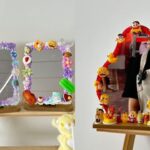
Kintsugi gives this Johor Bahru workshop its twist: you make a pot, deliberately break it, then repair it with a line of gold. I like that you get two creative activities in one booking, and that the first half lets you choose colors and make an object that is yours before the repair begins.
I also like the idea behind the craft: the repaired crack becomes part of the design, not something to hide. One caution: the gold-epoxy stage depends on careful timing and technique, and a rushed or messy finish may disappoint if you expect fine, even lines. Ask for guidance before sanding.
- What makes this workshop worth considering
- First, shape a pot from Jesmonite
- Then break the pot and repair it with gold
- The time commitment is worth checking
- Guidance and atmosphere at Hey Decoupage
- What the price buys you
- Who should book this class?
- Should you book the Hey Decoupage Kintsugi workshop?
- FAQ
- How long does the workshop take?
- Where does the workshop take place?
- What will I make?
- Are materials included?
- Is this suitable for beginners?
- What is the minimum age?
- Is protective gear provided?
- Is the studio wheelchair-accessible?
- Can I request a weekday session?
- The Best Of Johor Bahru!
- More Workshops & Classes in Johor Bahru
- More Tours in Johor Bahru
- More Tour Reviews in Johor Bahru
- Not for you? Here's more nearby things to do in Johor Bahru we have reviewed
What makes this workshop worth considering
- Two crafts in one session: Make a pot with Jesmonite, then break and mend it in the Kintsugi portion.
- A personal finish: You choose colors for your pot, and the gold repair makes each finished piece individual.
- Beginner-friendly instruction: English-speaking staff guide the activity, and participants are supplied with materials and protective gear.
- Plan more time than the minimum: The listed steps add up to about two and a half hours, but some sessions take three to four hours.
- Ages 12 and up: Younger children cannot participate, and those aged 12 to 17 need an accompanying adult.
- A practical caveat: This is a hands-on craft, not a guaranteed route to a perfectly polished decorative piece. The repair stage calls for patience.

👉 See our pick of the 14 Best Tours In Johor Bahru
First, shape a pot from Jesmonite
The workshop begins with about 90 minutes of Jesmonite pot making. Jesmonite is an eco-friendly material used here without baking or firing, so you can focus on mixing and shaping rather than waiting for a kiln. It’s a good first act: you create the object that will become the centerpiece of the second.
Color mixing is part of the fun. The exact result can feel like a surprise, so this suits you if you enjoy experimenting more than following a rigid template. You’re making a personal piece, not simply decorating a ready-made pot.
The pace may feel relaxed at first, but this stage does more than fill time. You get familiar with the materials and the work space before moving on to the more delicate repair. Instructors can help if you need direction. Past sessions have been led by Tommy, Aida, Yati, and Jessica, with clear, patient instruction noted as a recurring strength.
There can also be a waiting period while the pot is ready for the next step. A card game and board games have been available during that pause, and one session included a drink. These are useful touches, though you shouldn’t count on a particular extra unless it’s confirmed for your booking.
You can also read our reviews of more tours and experiences in Johor Bahru



Then break the pot and repair it with gold
The Kintsugi portion lasts about an hour. You break your newly made pot, then bring the pieces back together with gold epoxy. That reversal is the heart of the activity: the break is intentional, and the repair becomes visible decoration.
The concept gives the craft more meaning than a standard paint-and-take class. Kintsugi is often associated with accepting imperfections rather than disguising them. Here, you get a small, tangible version of that idea: the pot’s cracks remain visible, now marked in gold.
Keep expectations grounded, though. This is a guided craft workshop, not a lesson in traditional Japanese lacquer repair. The materials described for this activity include gold epoxy, and the finished effect can depend on how neatly the epoxy is applied and how it is handled as it sets. If you want fine, delicate seams, take your time and ask the instructor when it is safe to sand. Sanding too early can affect the finish, so don’t feel obliged to rush just to keep pace.
That caveat matters because the repair stage is where the activity can feel either satisfying or frustrating. The idea of embracing imperfections doesn’t mean you have to accept avoidable problems with the process. If you’re unsure about a step, pause and ask for help before adding more epoxy or sanding. The instructors are there to guide you, and patience is more useful than speed.
You should also think about what kind of keepsake you want. This is a pot you make and repair yourself, so it may show uneven edges or an imperfect gold line. That is part of the handmade result, but it may not suit you if you want a flawless, shop-quality finish.
The time commitment is worth checking
The advertised outline describes about 1.5 hours for the pot, followed by an hour for Kintsugi, or roughly two and a half hours altogether. In practice, some sessions can run three to four hours. That difference is important if you’re planning lunch, transport, or another activity afterwards.
I’d leave a generous buffer rather than book this between two fixed appointments. One participant found the longer session rushed because another booking was waiting. The pot-making and repair both involve hands-on steps, and the final look is better served by time to ask questions and work carefully.
The waiting period between parts may offer a chance to relax, play a game, or take a breather. But it doesn’t make the overall timing fully predictable. If you need to leave at a precise hour, contact Hey Decoupage before booking and ask how long the session is expected to take on your chosen day.
Weekday sessions may be available by request. If your schedule is flexible, ask directly about weekday timing rather than assuming the available slots will suit your plans.
Guidance and atmosphere at Hey Decoupage
The workshop takes place at Hey Decoupage, at 54a Jalan Serampang in Taman Pelangi, Johor Bahru. The studio is arranged with separate areas for working, and the setting has been described as comfortable and suited to focused making. That sort of atmosphere matters in a craft class: you’ll want enough room and quiet to concentrate on small details.
English-speaking staff are included, and all workshop materials are provided. You don’t need to arrive with craft supplies or prior experience. Protective gear is provided for the part involving a hammer, too. Children aged 12 to 17 must be accompanied by an adult, and the activity is for participants aged 12 and over.
The teaching style can make a big difference here. Instructors named in past sessions include Tommy, Aida, Yati, and Jessica. Clear explanations, patience, and help when a participant gets stuck are particular strengths associated with the class. If you’re new to crafts, that support makes the activity more approachable than a self-guided kit.
The studio is not stroller- or wheelchair-accessible, so check whether the space works for your needs before booking. This is a seated, hands-on activity, but the access limitation is worth knowing in advance.
What the price buys you
Prices are shown from US$58.79 for a discounted package, while the broader experience information gives a starting price of $64.69. Since the displayed amounts differ, check the total and currency for your selected date and package before paying.
For the price, you’re getting two activities, materials, English-speaking instruction, and a finished pot to take away. That’s better value than a short craft session that only has you decorate a prepared object. The first half involves making the pot itself, and the second gives it a story and a distinct look.
The value depends on what you want from the day. If you enjoy making things with your hands and want a shared activity with a partner, family member, or friend, the two-stage format gives you a good amount to do. It can also work well for an anniversary or a low-key group outing. If your main goal is a technically perfect Kintsugi finish, the price may feel less compelling, since the gold-epoxy result can vary with application and timing.
There may be an option for a companion to work on one pot together for a small additional fee, but confirm the current arrangement before booking. That could make the class better value for a couple who would rather collaborate than each make a separate piece.





Who should book this class?
This is a good fit if you want a creative afternoon with a clear beginning and end: make something, break it, repair it, and take it home. It’s especially appealing if you enjoy color mixing, don’t mind a little uncertainty in the final result, and like the idea of a keepsake with visible marks of its making.
It also makes sense as a bonding activity. You can compare color choices, help each other through the steps, and share the moment when the pot is broken and repaired. The activity is beginner-friendly, so you don’t need previous experience to take part.
Think twice if you’re short on time, need step-free or wheelchair access, or want a highly controlled finish. The activity is not wheelchair-accessible, may take longer than the shortest advertised duration, and involves using a hammer. The age limit is 12, with an adult required for children.
Should you book the Hey Decoupage Kintsugi workshop?
Book it if you like the idea of making a pot from scratch and turning its break into part of the design. The two-part format, included materials, and patient instruction make it a more involved outing than a quick craft session. Go in ready to experiment, and give yourself enough time to work carefully.
Skip it if you need a tightly timed activity or expect a flawless gold seam. Before reserving, confirm the session length, current price, and any companion arrangement that matters to you. For a relaxed creative date or a hands-on outing with family or friends, it’s a thoughtful choice, provided you’re comfortable with the fact that the finished piece will be handmade, not factory-perfect.
Kintsugi Workshop (with free Jesmonite Pot Class) by Hey Decoupage
“The actual session is supposed to be 3-4 hours, not the 2 hour as stated in Klook, resulting in us rushing as we've something else already booked.”
FAQ
How long does the workshop take?
The activity is described as taking under three hours, with about 1.5 hours for Jesmonite pot making and one hour for Kintsugi. Some sessions can take three to four hours, so leave extra time.
Where does the workshop take place?
It takes place at Hey Decoupage, 54a, Jalan Serampang, Taman Pelangi, 80400 Johor Bahru, Johor, Malaysia.
What will I make?
You’ll first make a pot from Jesmonite, then break and mend it using the Kintsugi technique.
Are materials included?
Yes. All materials are included, and English-speaking staff provide guidance.
Is this suitable for beginners?
Yes. The activity is described as beginner-friendly, and instructors guide participants through the process.
What is the minimum age?
Participants must be at least 12 years old. Children aged 12 to 17 need to be accompanied by an adult.
Is protective gear provided?
Yes. Protective gear is provided for participants, particularly because a hammer is used.
Is the studio wheelchair-accessible?
No. The activity is not wheelchair- or stroller-accessible.
Can I request a weekday session?
Yes. Contact Hey Decoupage to ask about weekday sessions.