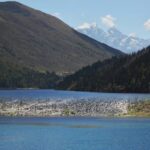
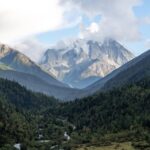
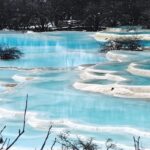
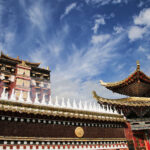
The draw here is the change of scenery: snow peaks at Mount Siguniang, dark stone formations at Moshi Park, open grassland near Tagong and, if weather cooperates, sunset views from Yuzixi. In three days, you get a broad introduction to western Sichuan without arranging each leg yourself.
I like two things in particular: the route links very different sights, so the days do not feel like repeated mountain stops, and the driver’s experience matters on long, demanding roads. One visitor specifically praised the driver’s handling of western Sichuan’s difficult conditions. A second plus is the chance to travel in a group of two to eight, rather than on a full coach, if you book that package.
The trade-off is real: this is a long, high-altitude road trip, not a gentle three-day outing. The tour descriptions also show more than one route, so check the exact package and daily plan before paying. Hotel quality can vary, and several scenic-area shuttles and local fees are extra.
- At a glance: what matters most
- Three days, several versions of western Sichuan
- Day one: Cat’s Nose Beam and Shuangqiao Valley
- Day two: Huiyuan Temple, Moshi Park and Tagong
- Yuzixi at sunset, if the sky allows
- Day three: a choice of mountain roads and Mugecuo
- What the price really covers
- High altitude, long drives and sensible preparation
- Should you book this western Sichuan loop?
- FAQ
- How long is the tour?
- Where does the tour depart from?
- Are the small-group and larger-group itineraries the same?
- Are Shuangqiao Valley’s sightseeing bus fees included?
- Which scenic-area transport fees are extra?
- Are meals included?
- What kind of accommodation is provided?
- Is the tour suitable for children and older adults?
- What should I know about the return to Chengdu?
- More 3-Day Experiences in Sichuan
- More Tours in Sichuan
- More Tour Reviews in Sichuan
- Not for you? Here's more nearby things to do in Sichuan we have reviewed
At a glance: what matters most
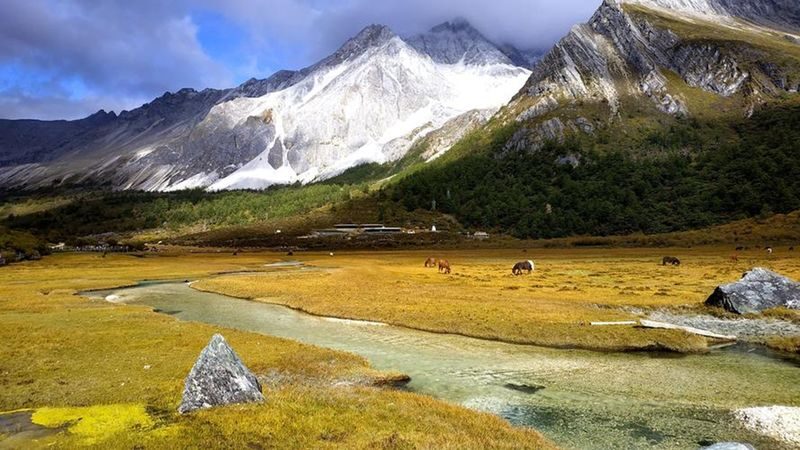
- Shuangqiao Valley is the main Mount Siguniang stop, with four hours scheduled for its forests, grasslands and snow peaks.
- Moshi Park’s dark stone formations create a striking contrast with the surrounding mountains and grassland.
- Yuzixi and the high passes offer big views when weather and access cooperate, but cloud, cold and road conditions can change the plan.
- The trip involves long drives from Chengdu, with early starts and limited comfort on some rural roads.
- Budget for required extras, including several scenic-area shuttle buses and, on the Yuzixi route, a transfer and cleaning fee.
- The itinerary depends on the package: the small-group route and the larger-group route visit different places on different days.
Three days, several versions of western Sichuan
This trip is best understood as a fast-moving sampler of western Sichuan, not one fixed circuit. The advertised small-group option is for two to eight people, but the tour information also gives a larger-group route that can accommodate up to 53. The routes differ enough that you should confirm the itinerary tied to your chosen package.
One version starts with Mount Siguniang and Shuangqiao Valley, then travels to Danba, Moshi Park, Tagong and Yuzixi, before returning through Zheduo Mountain and Mugecuo. The small-group version instead puts Yuzixi on the first day, Tagong and Moshi Park on the second, and Mount Siguniang on the third. The order matters: the same attraction may land in different light, weather and road conditions.
There is also a practical inconsistency in the tour information. Some package notes describe a three-day western Sichuan loop, while the summary field says four hours. The detailed plans clearly describe three days, so use those as your guide, and ask the operator to confirm the precise departure and return schedule for your booking.
You can also read our reviews of more tours and experiences in Sichuan

Day one: Cat’s Nose Beam and Shuangqiao Valley
The early departure from Chengdu sets the tone. Pick-up is offered within the city’s Third Ring Road on many departures, with a stated meeting point at Guangyuan Hotel, No. 2 Yufangyuan West Road. The guide is supposed to confirm the time and location the evening before. Arrive 20 minutes early; the group leaves on time.
The road runs through the Chengdu plain and mountain country toward Mount Siguniang. One route includes a short stop at the Cat’s Nose Beam viewpoint, also written as Maobitou or Maobiliang in the tour details. It is known for a broad view of the four peaks, and can be especially rewarding around sunrise or sunset. The stop is brief, so treat it as a photo break rather than a proper walk.
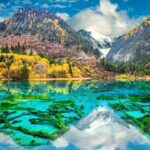
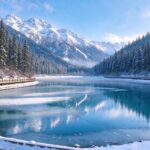
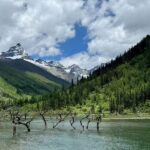
Shuangqiao Valley gets the largest block of time on this day, about four hours. It is the most developed of Mount Siguniang’s three valleys and has a mix of snow peaks, pasture, forest and open grassland. That variety makes it a sensible choice for a short visit: you can see several types of scenery without needing to tackle a strenuous hiking route.
A mandatory sightseeing bus inside the valley costs CNY 70 per person, on top of the tour price. This is important to budget for, and it also means the visit is not simply a four-hour walk. The valley covers a large area, so the bus helps you reach its different sections, while leaving less freedom to linger wherever you please.
Overnight accommodation is listed in Xiaojin or Danba on one route, with the small-group version placing the first night in Xinduqiao. The hotels are described as comfortable or similar, but they are not star-rated properties. Expect standards to be more basic than in a major city, and bring toiletries: hotels in the area may not provide disposable items.
Day two: Huiyuan Temple, Moshi Park and Tagong
The second day strings together several culturally and geographically distinct stops. Depending on the route, you may begin with a distant view of Yala Snow Mountain and a stop at the Huiyuan Temple viewing platform. The platform is intended for looking across to the temple and taking photos, not for a full temple visit. A separate temple ticket is listed as optional at CNY 20.
The main event is Moshi Park, also called Mo Shi Park or Moshigong Park. Its unusual stone formations are made primarily of mylonite, rock shaped by pressure and shearing along the Xianshuihe Fault Zone. In practical terms, the park offers a different palette from the white peaks and green pastures elsewhere on the route: dark, sharply textured rock, set against the high plateau.
The park’s entry ticket is included, but its sightseeing bus costs CNY 20 per person and is listed as mandatory. The stop is guided, though the tour information says that for groups of 15 or fewer, the driver may also act as the guide. Do not assume you will have a specialist guide giving a long geological talk; the service level depends on group size and arrangement.
Tagong Grassland is another change of pace. Its wide meadows sit below Yala Snow Mountain, with Tagong Temple and the Muya Golden Pagoda adding a cultural dimension to the view. The tour passes through the area, but the grassland’s CNY 35 maintenance fee is listed as an extra. A separate shuttle to Muya Grand Temple and a cleaning fee may also apply if you choose that visit.
A complimentary Tibetan-style hot-pot lunch is described for one version of the route, while some small-group itinerary notes say meals are self-arranged. The included-meal details also state that the package covers two breakfasts and three main meals, yet the day-by-day notes are not fully consistent. Confirm what your specific booking includes, and carry snacks in case meal timing shifts with the road.
Yuzixi at sunset, if the sky allows
For packages that include Yuzixi, this high viewpoint is a key reason to choose the route. On a clear day, the 360-degree outlook may include Yala Snow Mountain and Mount Gongga, Sichuan’s highest peak. Sunset is the prized time, when the mountains can catch warm light. The key phrase is if the weather allows: cloud, wind, winter access limits and road conditions can all alter the stop.
The extra cost is notable. The Yuzixi route lists a CNY 60 round-trip shuttle and a CNY 30 cleaning fee per person. One description also gives a separate CNY 30 cleaning charge, so ask the operator to confirm the total rather than assuming every listed charge is separate or bundled.
It gets cold here, especially after dark and in winter, when temperatures can fall below freezing. Bring a warm outer layer even if Chengdu feels mild. If Yuzixi is closed during winter fire-prevention periods, the sunset stop may move to another platform, such as Balang Shenggdu or Manuka. A substitute may still offer a mountain view, but it is not the same viewpoint.
Day three: a choice of mountain roads and Mugecuo
The third day varies most between the route versions. One plan returns from Danba by way of Mount Siguniang, Maobiliang and Balang Mountain, with a sea-of-clouds viewpoint on the pass. Another starts from Xinduqiao, crosses Zheduo Mountain and visits Mugecuo before heading back to Chengdu.
Zheduo Mountain Pass stands at about 4,298 metres. It is a striking high point on the Sichuan-Tibet Highway, but altitude affects people differently, and the stop may be short. Mugecuo, also known as Kangding Love Song Scenic Area, is a larger scenic visit, with about four hours scheduled. Its entrance ticket is included in the described package, while the CNY 90 sightseeing bus is mandatory and extra. A boat ride is optional at CNY 66.
The return is not a tidy afternoon transfer. The schedule gives a broad return window of 13:30 to 18:00, with arrival in Chengdu expected around 19:00, but traffic can push that later. I would not book a same-day flight or high-speed train unless you can absorb a missed connection. Staying overnight in Chengdu after the tour is the safer choice.
What the price really covers
The listed starting price is from US$188.65, but package prices vary by accommodation and group type. The options shown include a 3-diamond standard hotel small group from US$262.99, a 4-diamond comfortable hotel small group from US$293.30, and a luxury-hotel quality group from US$164.05. Those figures do not line up neatly with the headline price, so compare the exact date, hotel level and group size before you book.
The base package includes transport with one seat per person, a guide or driver-guide, listed entrance tickets, two nights’ accommodation, some meals and basic travel accident insurance. It also includes a complimentary oxygen cylinder for the vehicle and a set of travel items, though these may be delivered later during busy periods. The specific hotels are subject to availability and may be replaced by similar properties.
The add-on transport charges can noticeably raise the total. At minimum, plan for CNY 70 for Shuangqiao Valley, CNY 20 for Moshi Park and CNY 90 for Mugecuo if your route visits it. The Yuzixi version adds its shuttle and cleaning fee. Tagong’s maintenance fee is optional, but likely if you want to visit the grassland area. A solo adult or an odd-numbered party should also check the single-room supplement: room sharing is not offered.
Value depends on what you want. For a first look at western Sichuan, the tour bundles hard-to-organize distances, transport and several major stops into three days. One person described it as good value for a first introduction, and another praised the driver’s handling of difficult roads. But the cost is less attractive if you expect polished hotels, a private guide or plenty of free time.
Hotel standards deserve a cautious note. Accommodation in Tibetan areas can be basic, and the operator warns that hot water, heating, air conditioning and power may be less reliable than in city hotels. Experiences with hotel quality vary, including one complaint from a person who paid for a higher hotel package and still found the room disappointing. Pay for an upgrade only if the operator can clarify what it means for your specific dates.
High altitude, long drives and sensible preparation
This is not a suitable trip for everyone. The route reaches high passes and plateau viewpoints, and some drives are long enough to bring on car sickness. The tour excludes people with serious heart, lung, brain or blood-system conditions, and advises against participation for people with high blood pressure, asthma, epilepsy, recent major surgery, pregnancy or other significant health concerns. If you have a medical condition, speak with a doctor before booking.
Altitude symptoms can include discomfort even if you are fit. Tell the driver or guide promptly if you feel unwell, and do not conceal a health issue. The tour’s health rules are strict, and the remote route has limited medical services.
Pack warm layers, rain protection, walking shoes, sunscreen, sunglasses, a hat and lip balm. Plateau sun is strong, while mornings and evenings can be cold. Bring your own routine medicines and a valid passport or other accepted identification; hotels and scenic areas may ask to see it.
Roadside toilet facilities can be very basic. Carry tissues or wet wipes, and be prepared for stops that are functional rather than comfortable. Keep valuables with you, follow the group’s meeting times and avoid wandering away from the vehicle at roadside stops.
Should you book this western Sichuan loop?
Book it if you want a brisk, transport-led introduction to Mount Siguniang and the western Sichuan highlands, and you are comfortable with early starts, long drives and simple rural hotels. The strongest reasons are the variety of scenery, the chance to reach several distant sites in one trip and the value of having a driver familiar with demanding mountain roads.
Think twice if altitude is a health concern, if you need a relaxed pace or if your priority is a reliably upscale hotel. Before paying, get the exact route for your package in writing, confirm which meals are included, check the hotel standard and add up all required shuttles and local fees. That small bit of planning will make the trip’s real price and pace much clearer.
3-Day Tour of the Small Loop in Mt. Siguniang and Moshi Park, Sichuan
“Bought an expensive hotel package, wanted to stay somewhere nice, but the hotel was still terrible.”
FAQ
How long is the tour?
The detailed plans describe a three-day tour departing from Chengdu and returning there. A summary field gives a four-hour duration, which conflicts with the itinerary, so confirm the length with the operator before booking.
Where does the tour depart from?
The stated meeting point is Guangyuan Hotel, No. 2 Yufangyuan West Road, with some departures offering free pick-up within Chengdu’s Third Ring Road. The guide is expected to confirm the time and location the evening before.
Are the small-group and larger-group itineraries the same?
No. The small-group plan is for two to eight people and has a different order of stops from the larger-group plan, which may have up to 53 participants. Confirm the route attached to your chosen package.
Are Shuangqiao Valley’s sightseeing bus fees included?
No. The sightseeing bus is listed as a mandatory extra at CNY 70 per person.
Which scenic-area transport fees are extra?
Listed mandatory charges include CNY 70 for Shuangqiao Valley, CNY 20 for Moshi Park and CNY 90 for Mugecuo. The Yuzixi route also lists a CNY 60 round-trip shuttle and a CNY 30 cleaning fee.
Are meals included?
The package details list two breakfasts and three main meals, including a special lunch on the second day. Some route notes say meals are self-arranged, so confirm the meal plan for your particular package.
What kind of accommodation is provided?
The tour includes two nights in a shared standard room, subject to the package selected and hotel availability. Properties are not star-rated, facilities can vary, and solo travelers or odd-numbered adult groups may need to pay a single-room supplement.
Is the tour suitable for children and older adults?
Participants must be at least seven years old. Children under 1.2 metres are described as children for fare purposes, while those 1.2 metres and above pay the adult fare. Older participants face health requirements, and those aged 65 or above must sign a liability waiver.
What should I know about the return to Chengdu?
The stated return window is 13:30 to 18:00, with arrival expected around 19:00, but traffic may delay the group. The tour information advises against booking a same-day flight or train.