Xiaolongbao are small, pleated soup dumplings, and this class lets you make them from the dough up in a Shanghai residential lane. You’ll work with host Yin at Yin Studio, then sit down to eat your dumplings, try a dumpling-wrapper pizza, and sample Chinese tea.
I like two things in particular: you get to handle the whole dumpling-making process, not just watch a demonstration, and the tea tasting adds a cultural note to a hands-on cooking session. The instructor is described as patient with first-timers, which matters when your dumpling pleats have other ideas.
One consideration: the advertised price starts at US$119.89, and the available details do not specify the class length or group size. That makes it harder to compare value or plan the rest of your day.
- What to know before you book
- Making xiaolongbao from the dough up
- The dumpling-skin pizza twist
- A tea tasting alongside the cooking
- Finding Yin Studio in Lane 190
- What the price includes, and what it does not
- Who is likely to enjoy this class
- Should you book the Shanghai dumpling class?
- FAQ
- Where does the class meet?
- How do I find Yin Studio?
- What will I make?
- Is tea included?
- Do I need cooking experience?
- What are the child and pet rules?
- The Best Of Shanghai!
- More Tours in Shanghai
- More Tour Reviews in Shanghai
- Not for you? Here's more nearby things to do in Shanghai we have reviewed
What to know before you book
 1 / 6
 2 / 6
 3 / 6
 4 / 6
 5 / 6
 6 / 6
- Start with dough, not a ready-made wrapper: You mix and knead the dough, then learn to wrap xiaolongbao with guidance.
- Make a second dish from dumpling wrappers: The class includes a creative, steamed pizza-style dish using dumpling skins.
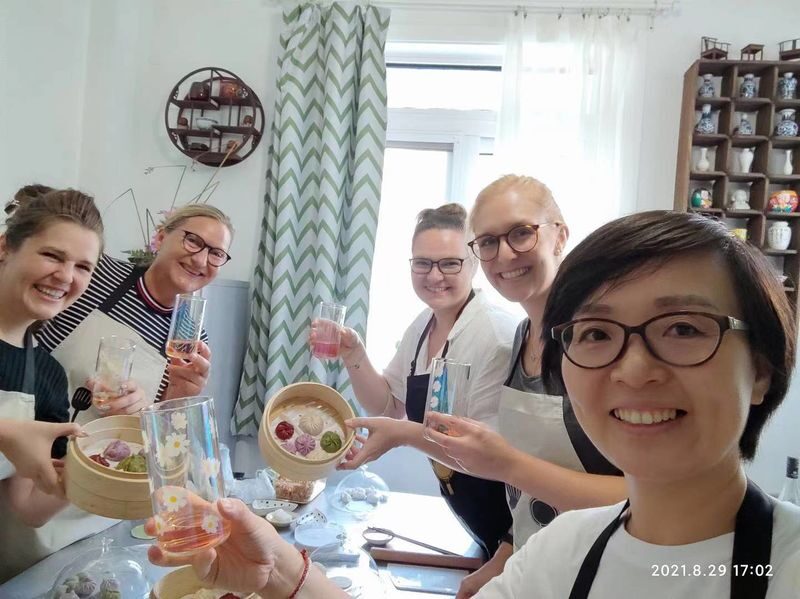
- Eat what you prepare: The session includes time to enjoy your freshly made dumplings and pizza with your companions.
- Tea is part of the class: You sample selected Chinese teas and hear an explanation of tea culture.
- Find Yin Studio inside a residential complex: It is on the second floor of Building 17 at Lane 190, Guangyuan Road. The entry route takes a little attention.
- New cooks are welcome: The steps are presented as suitable for beginners, and children aged five and up pay the adult rate.

👉 See our pick of the 25 Best Guided Tours In Shanghai
Making xiaolongbao from the dough up
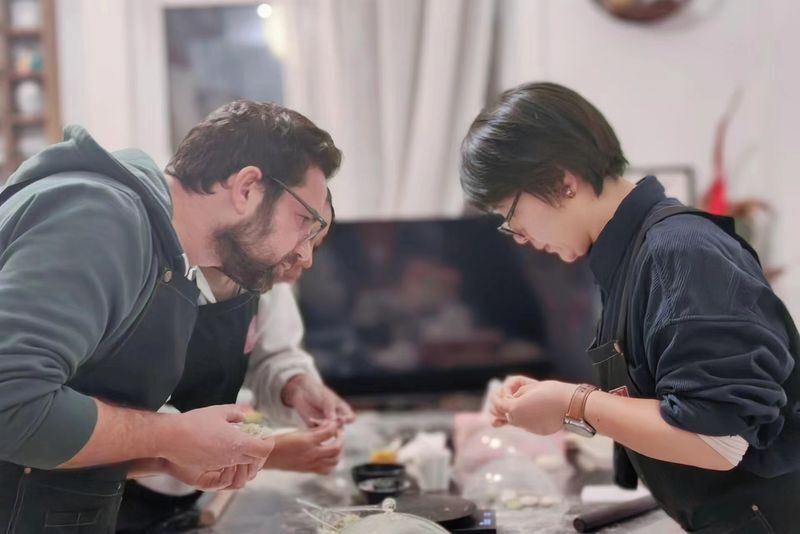
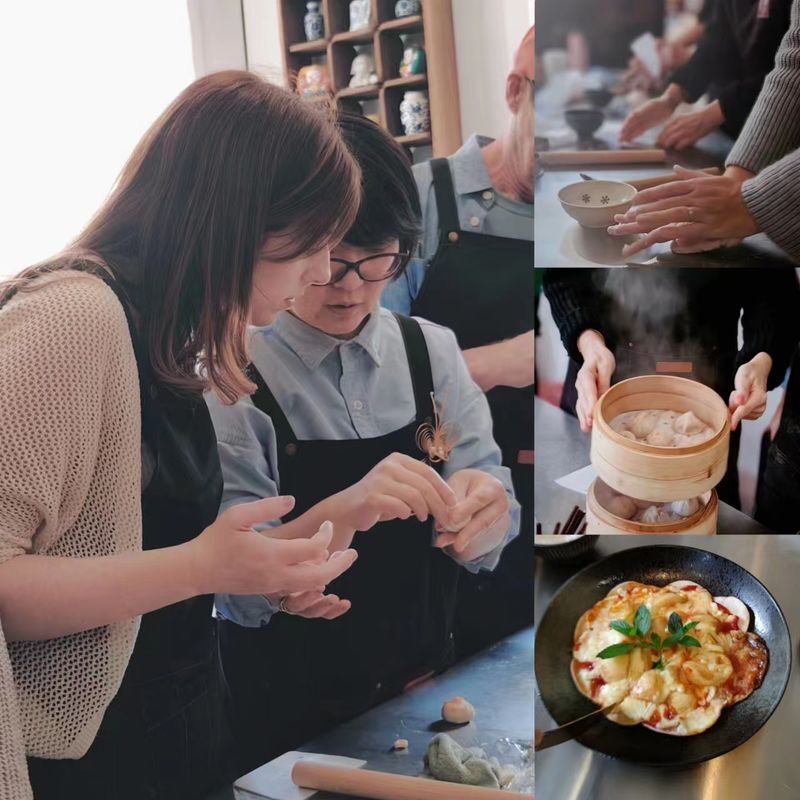
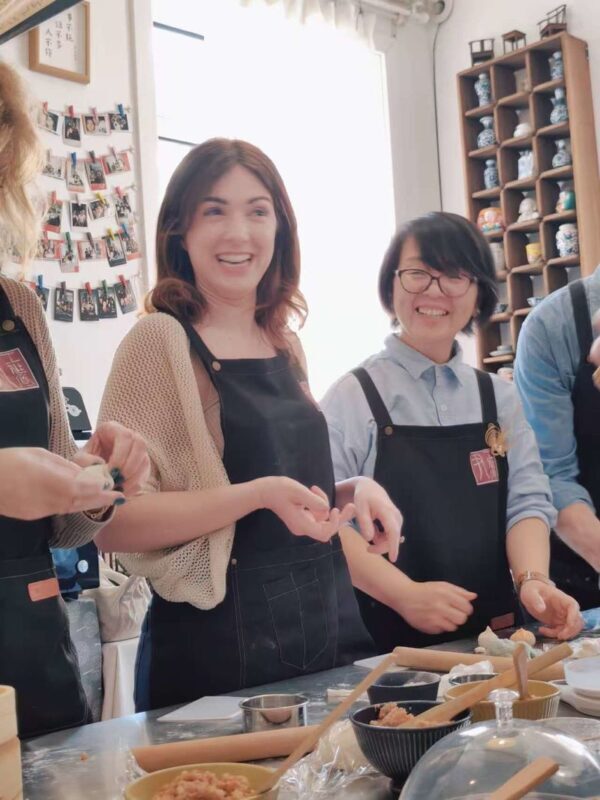
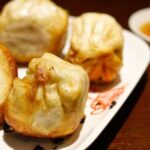
This is a cooking class with a clear central task: making traditional xiaolongbao by hand. You begin by mixing and kneading dough, then move on to shaping and wrapping the dumplings. That sequence is useful if you want more than a quick food tasting. You get a feel for how the wrapper begins, as well as the patience involved in turning dough and filling into a dumpling.
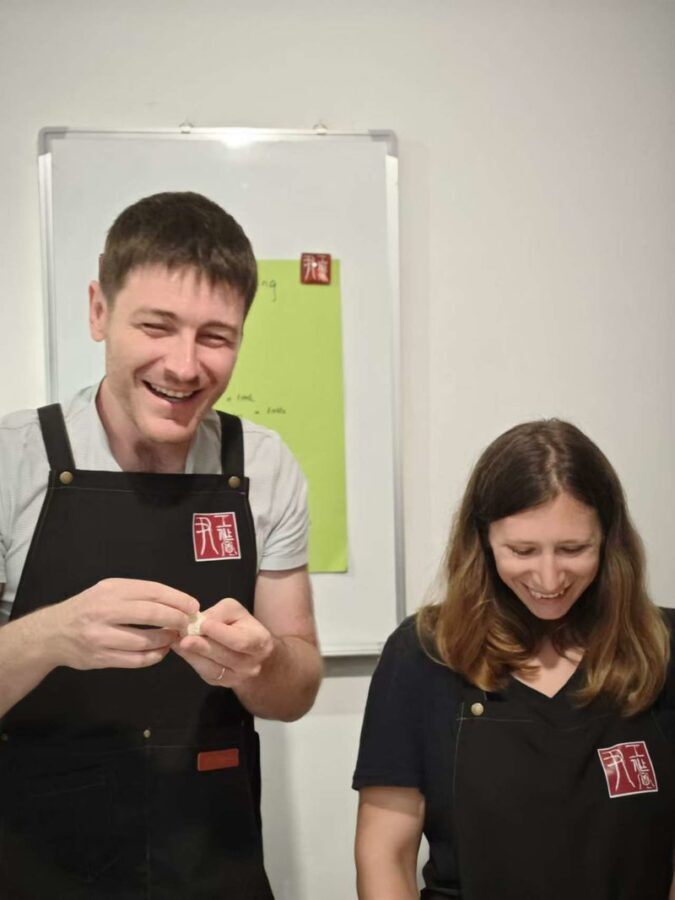
The practical appeal is that no previous cooking experience is required. The class is designed to be easy to follow, and the instructor provides guidance through the steps. One first-time cook found the wrapping difficult at first, but said the patient instruction helped produce dumplings that looked respectable. If your pleats are uneven, that is part of learning, not a reason to worry.
The supplied details do not spell out the recipe, the filling, or the exact technique used to keep the soup inside. I would not book expecting a full culinary course with a take-home recipe unless you confirm those details first. The promise here is a guided, hands-on introduction, with the pleasure of making and eating the result.
Xiaolongbao are especially satisfying to make because their appeal rests on both the wrapper and the soup inside. The class gives you time to work through the process rather than skipping straight to the finished dish. You may come away with a better sense of the care behind a familiar Shanghai specialty, even if your first batch is more charming than uniform.
You can also read our reviews of more tours and experiences in Shanghai.



The dumpling-skin pizza twist
After the traditional dumplings, the class switches gears with a fusion dish made from dumpling wrappers. It is described as a steamed pizza, a playful use of the same basic ingredient rather than a second lesson in classic soup dumplings. That change of pace gives the session a light, social feel and lets you try something less traditional.
The pizza is also a useful reason to book with friends or family. You can share the work and the food, and the activity is framed for couples, groups of friends, and families. Still, the details do not name the pizza toppings or explain exactly how it is assembled, so treat the dish as a creative extra rather than a fixed menu you can customize.
The mix of tradition and improvisation is the class’s most distinctive idea. You practice a well-known Shanghai food, then see how dumpling wrappers can be used in a different way. If you are looking for a serious cooking course focused only on regional technique, that second dish may feel more playful than essential. If you like hands-on food activities, it adds variety.
A tea tasting alongside the cooking
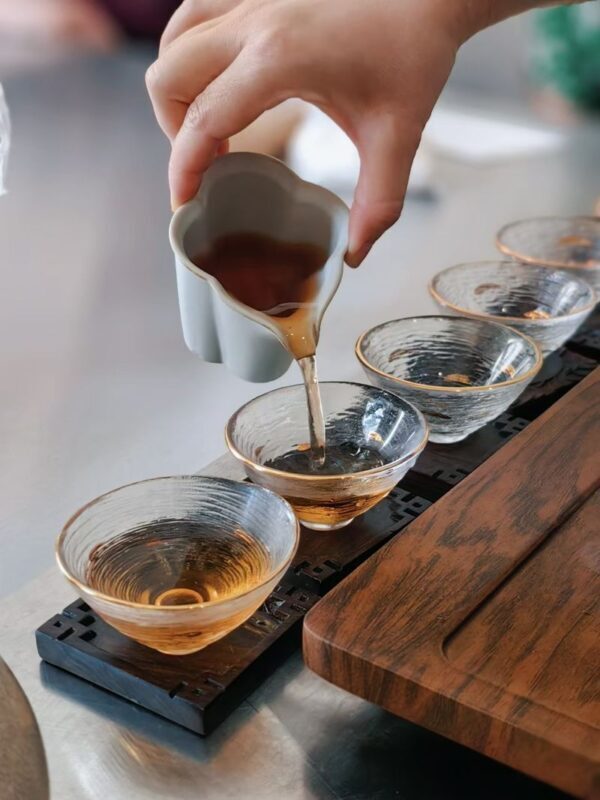
The class also includes a Chinese tea tasting, with selected teas and an explanation of tea culture. The tasting gives you a quieter counterpoint to the kneading and wrapping. It broadens the activity from cooking into a short introduction to another part of Chinese food culture.
The information does not name the teas, describe a formal tea ceremony step by step, or say how many varieties you will taste. Expect a guided tasting and cultural explanation, but avoid assuming you will learn a particular brewing method or study a specific tea region. If tea is your main interest, ask the host what the tasting covers before booking.
I like the pairing because food and tea are often enjoyed together, yet it is easy to focus on the dish alone when you travel. Here, tea is included in the class rather than left as an optional extra. It gives you a chance to pause, taste, and ask questions after the cooking.
Finding Yin Studio in Lane 190
The meeting point is Yin Studio, on the second floor of Building 17, Lane 190, Guangyuan Road, Shanghai. The address is specific, but the studio is inside a residential complex, so reaching the building is part of the plan. Taxis stop across the street, and a bicycle repair stand marks the entrance.
Once you are at Building 17, use the back door and pass through the communal kitchen. Follow the signs near the flower pots to reach the studio. These directions are more useful than relying on the lane number alone, especially if you are unfamiliar with the complex. Give yourself time to locate the entrance rather than arriving at the last minute.
The class is presented as taking place in an 80-year-old alleyway, but the provided details do not explain the lane’s history or offer a neighborhood walk. Think of the setting as a residential-lane backdrop for a hosted activity, not a guided architecture tour. The appeal is the intimate, local setting and the chance to spend time in a working residential complex.
What the price includes, and what it does not
The starting price is US$119.89 for the listed experience. It covers the tools and ingredients needed for the activity, instructor guidance, and a Chinese tea tasting. You also prepare and eat the dumplings and the wrapper-based pizza, so the price includes both the lesson and the food you make.
That can be fair value if you want a structured activity that combines cooking, eating, and cultural explanation. It is less compelling if you only want a meal, since the point is to spend time making the food yourself. The fee does not include personal expenses or tips, and the available information does not state the duration or group size. Those gaps make a direct price comparison with other Shanghai cooking classes difficult.
Children aged five and older are charged the same rate as adults. Children aged zero to one can enter free if they do not need a separate seat. Pets are not permitted, and participants who appear intoxicated can be refused service without a refund. If you need to cancel, the stated policy allows a full refund when you cancel at least 48 hours before the activity, using local time.



Who is likely to enjoy this class
This experience makes the most sense for you if you enjoy learning by doing. Couples can share the work, friends can compare their dumpling pleats, and families can make a meal together. The beginner-friendly format and patient instruction are good signs for anyone who has never handled dumpling dough.
It can also suit someone who wants a food activity that is not just a market stop or restaurant booking. You are not only tasting Shanghai food; you are learning a basic process, trying a playful second dish, and hearing about tea. That combination gives the session more substance than a simple snack break.
It may be a weaker fit if your schedule is tight and you need to know exactly how long an activity will take. No duration is provided, and there is no stated group size. It is also not the right pick if you want a detailed history of the lane, a specialist tea course, or a menu with clearly listed ingredients. Ask Yin Studio about those points before you commit.
Should you book the Shanghai dumpling class?
I would book this if you want a relaxed, participatory food experience and value friendly instruction over a formal culinary curriculum. The strongest reasons are the full process of making xiaolongbao, Yin’s patient approach with beginners, and the added tea tasting. The wrapper pizza brings a bit of fun, too.
Before paying, check the session length and group size if those details matter to your plans. If you are happy with an informal class, a meal you help prepare, and a residential-lane setting, this is a distinctive way to spend time with Shanghai food culture. If you mainly want to eat soup dumplings, put the money toward a meal instead.
Old Shanghai Flavors: Traditional Soup Dumplings and Tea Art Experience in an 80-Year-Old Alleyway
“Experience: This is my first time making xiao long bao, so there are some things I didn't do well, but fortunately the instructor taught me careful…”
FAQ
Where does the class meet?
It meets at Yin Studio, Unit 2, second floor, Building 17, Lane 190, Guangyuan Road, Shanghai. The studio is inside a residential complex.
How do I find Yin Studio?
Look for the bicycle repair stand at the entrance. Enter through the back door of Building 17, pass through the communal kitchen, and follow the signs near the flower pots.
What will I make?
You will mix and knead dough, wrap traditional xiaolongbao, and make a steamed pizza-style dish using dumpling wrappers.
Is tea included?
Yes. The fee includes a Chinese tea tasting and an explanation of tea culture.
Do I need cooking experience?
No. The class is described as suitable for beginners, with instructor guidance through the steps.
What are the child and pet rules?
Children aged five and older pay the adult rate. Children aged zero to one may enter free if they do not occupy a separate seat. Pets are not allowed.