The trick here is not simply that a room looks strange. It is that your eyes insist on one version of reality while your brain tries to make sense of another. At the Museum of Illusions, light, mirrors, lines and perspective turn ordinary spaces into hands-on puzzles.
I like two things in particular: the exhibits give you a reason to experiment with photos, and staff offer a short introduction with practical tips for using them. The rotating tunnel in the basement is a memorable test of balance. One caveat: the museum is compact, and the ticket can feel expensive if you expect a large, traditional museum.
- What to know before you go
- Three floors built for playful mistakes
- Start with the staff’s quick orientation
- Big and Small, and other ways your eyes get fooled
- The basement tunnel: fun, with a dizzying twist
- Make room for photos, not just a quick walk-through
- Is the ticket worth the price?
- Practical details for a smoother visit
- Who will enjoy this most?
- Should you book the Museum of Illusions?
- FAQ
- How long should I plan to spend at the museum?
- What are the museum’s opening hours?
- Is the museum suitable for children?
- Does the museum have an elevator?
- Can I take photos inside?
- Do I need to arrive at a specific time?
- The Best Of Taichung!
- More Tickets in Taichung
- More Tours in Taichung
- More Tour Reviews in Taichung
- Not for you? Here's more nearby things to do in Taichung we have reviewed
What to know before you go
 1 / 8
 2 / 8
 3 / 8
 4 / 8
 5 / 8
 6 / 8
 7 / 8
 8 / 8
- Three floors of optical tricks: The rooms include Big and Small, Kaleidoscope, Sparkling Light Room and Floating, with stairs between floors.
- The basement tunnel is a highlight: A rotating-light effect can leave you disoriented, so take it at your own pace.
- Staff help you get the photo: Expect a brief introduction and useful suggestions for posing and using the exhibits.
- Allow one to two hours: You can move through quickly, but photo attempts and interactive displays can stretch the visit.
- Timed entry matters: Arrive early for your reserved slot. Entry outside that time depends on available space.
- Not step-free: The building has stairs only, and the activity is not recommended for visitors with limited mobility or certain medical conditions.

👉 See our pick of the 23 Best Tours In Taichung
Three floors built for playful mistakes
The Museum of Illusions sits at No. 66, Jingcheng Road, in Taichung’s Jingming business district. It is part of a museum concept that began in Croatia in 2015 and later opened in cities including New York, Toronto and Paris. The idea is simple: use familiar visual tools, such as mirrors, lines, light and shadow, to make your senses work harder than usual.
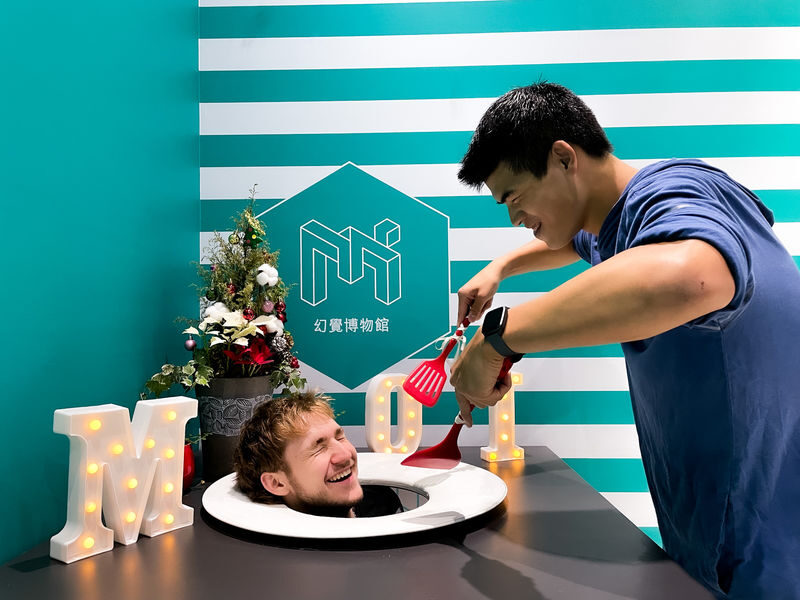
This is not a place where you quietly read labels in a hushed gallery. The exhibits invite you to stand in the right spot, change your angle, try a pose and see what the camera records. That makes the visit more active than its modest size might suggest, especially if you are there with children or friends.
The museum spans three floors, but the spaces are not large. That compact layout is worth understanding before you buy: it is a focused outing, not a full-day attraction. If you like taking creative photos, testing visual puzzles and laughing at the results, a small footprint can still give you plenty to do. If you prefer long exhibitions with extensive explanations, you may wish there were more rooms.
You can also read our reviews of more tours and experiences in Taichung


Start with the staff’s quick orientation
At the beginning of your time slot, staff give the group a short introduction to the exhibits and suggestions for exploring them. Pay attention. A little guidance can make the difference between looking at a display and understanding where to stand, how to pose or what the illusion is meant to show.
Staff are also a practical part of the experience. They can help with photos, which is useful when a trick works best with the right camera position or with someone else in the frame. If you are visiting as a couple or family, that assistance means you are less likely to leave with a roll of pictures showing only half the effect.
There may also be a small activity involving hidden Easter eggs. Treat it as an extra, not the main event. The core pleasure is trying each illusion and figuring out how to make it work for you.
Big and Small, and other ways your eyes get fooled
The themed areas include Big and Small, Kaleidoscope, Sparkling Light Room and Floating. Each uses visual effects to shift your sense of scale, pattern or position. The supplied details do not assign every zone to a particular floor, so let the staff’s introduction orient you rather than trying to follow a fixed route.
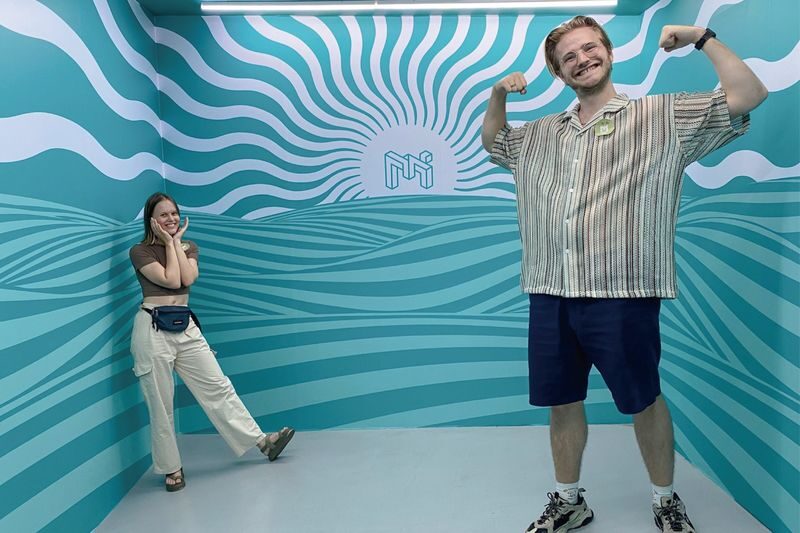
The Big and Small area plays with the way a room can change the apparent size of people or objects. It is a good example of how perspective can make a simple photo seem more elaborate than it is. Take a moment to find the intended viewpoint before snapping away; in these exhibits, the camera angle is part of the puzzle.
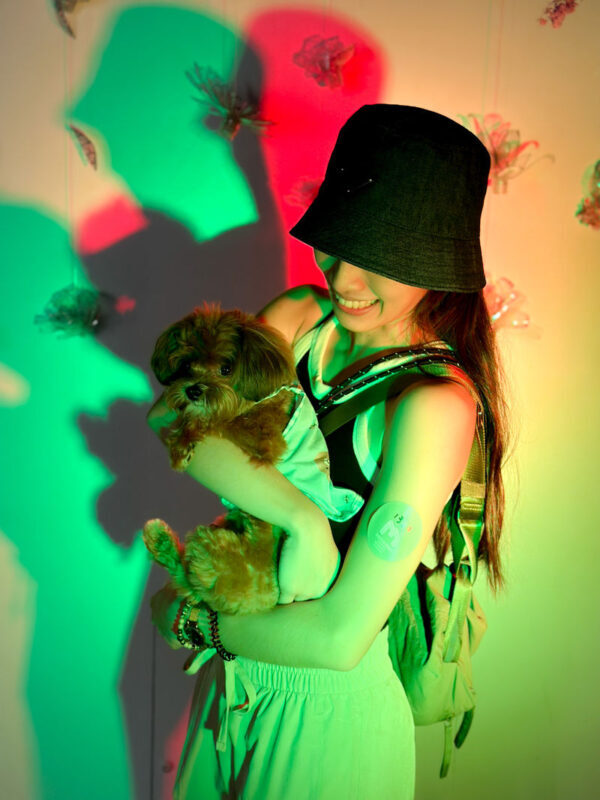
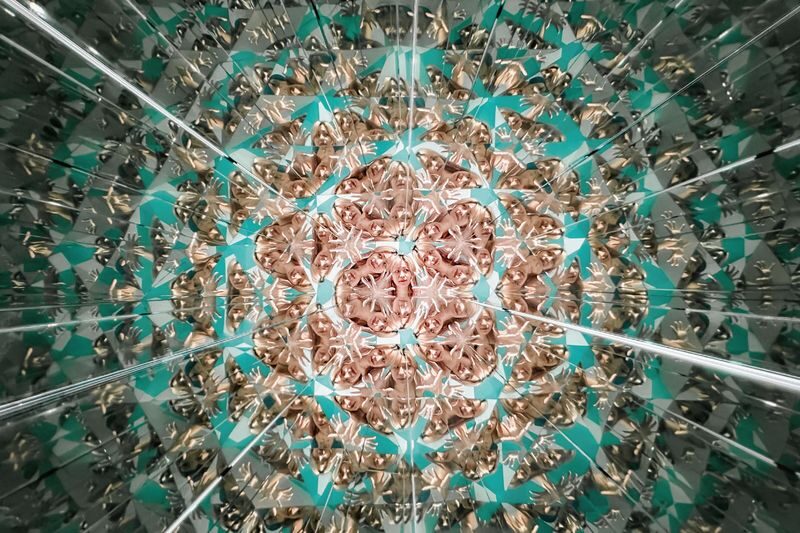
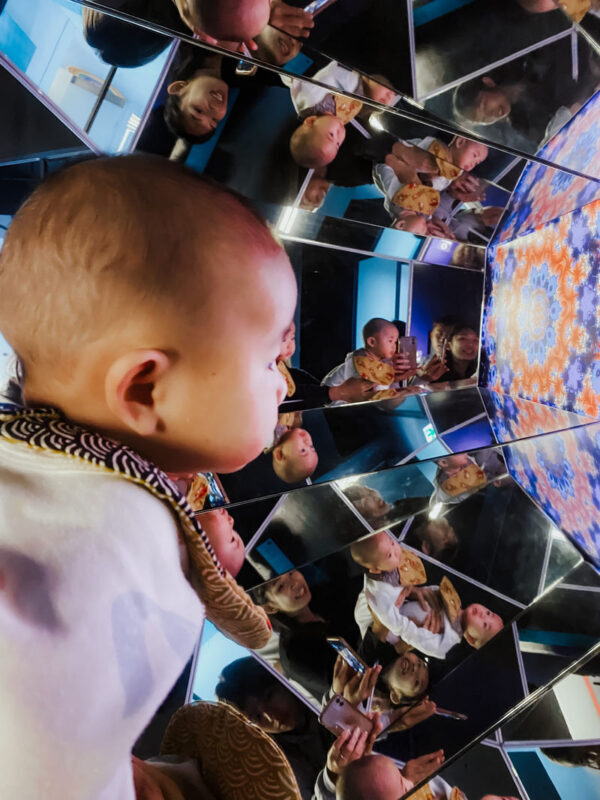
Kaleidoscope and Sparkling Light Room offer a different kind of visual play, using reflections and lighting to alter what you see. These rooms are naturally photogenic, but they also invite you to pause and notice how patterns change as you move. The museum’s appeal is not only collecting unusual pictures. It is watching your own perception shift as you change position.
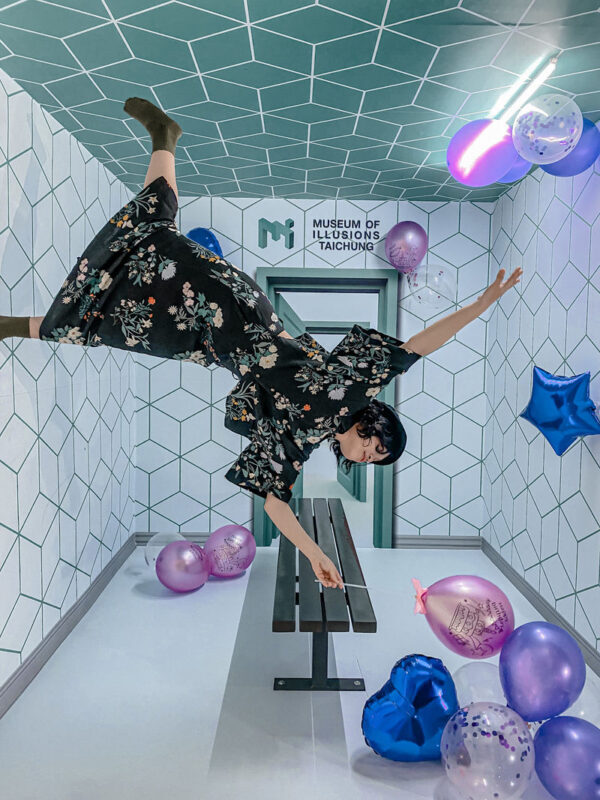
Floating and the Weightlessness Zone add a more physical element. On the second floor, shoes must be removed before taking photos in the Weightlessness Zone. That small practical detail is easy to miss, so be ready to take them off when you reach it.
The basement tunnel: fun, with a dizzying twist
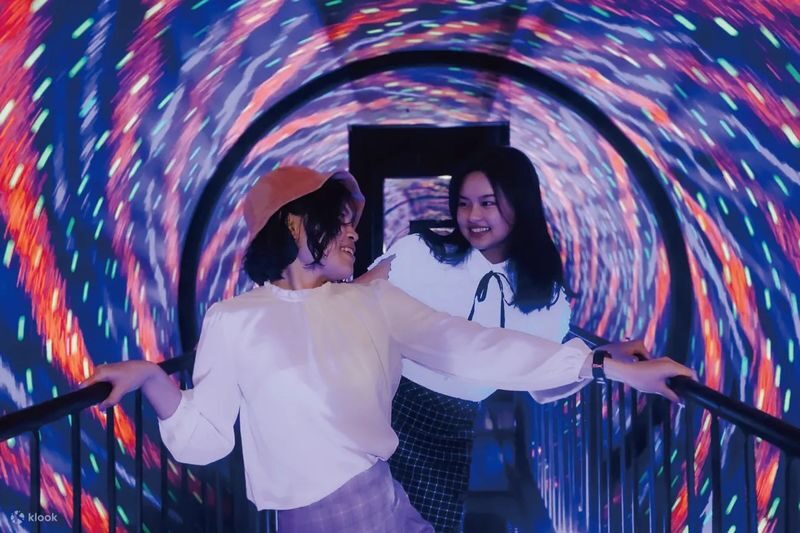
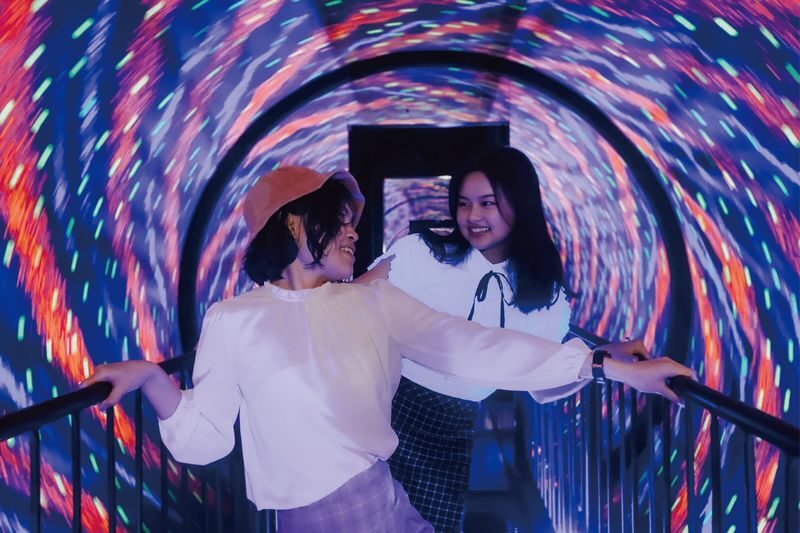
The rotating light tunnel in the basement is the most physical-sounding exhibit described here. Its motion and lighting can make you feel as if the floor or your balance has shifted. Some people find the effect so disorienting that they need to pause, while children may want to go through it more than once.
That contrast is part of the fun, but do not treat the tunnel as a test of bravery. Move slowly and stop if you feel uncomfortable. The museum specifically advises against the activity for people with conditions such as high blood pressure or epilepsy, as well as pregnant visitors and seniors. Anyone prone to dizziness should use good judgment, too.
The basement also contains the Crossing the Galaxy experience, which can be intense enough to make some visitors feel dizzy. If you are travelling with children, keep an eye on how they respond rather than assuming that because they are eager to repeat it, the effect feels the same for everyone.
Make room for photos, not just a quick walk-through
A brisk visit may take less time, but one to two hours is a sensible allowance. The museum is small, yet the exhibits work best when you take turns, try different poses and give each person time to get a usable photo. Families who let children lead the pace may spend longer than couples who move directly from one display to the next.
Bring a phone or camera with enough battery and storage. Photography is allowed for personal use, and the staff’s guidance can help you frame the optical effects. Commercial photography and video, as well as live broadcasts, are not allowed.
The time-slot system helps manage the flow through a compact building. It can reduce waiting at individual exhibits, but the entry group may feel busy during the opening explanation. Weekdays and quieter periods are a sensible choice if you want more breathing room, although crowd levels can still vary.
You can also read our reviews of more museum experiences in Taichung
Is the ticket worth the price?
Admission starts at $12.49, with ticket choices that include standard admission, a couple’s package for two adults and a family package for one adult and one child that includes a merchandise coupon. Children aged three to 15 use a child ticket. Children aged zero to two enter free with a paying adult, and students need a valid student ID for verification.
For the price, you are buying a short, hands-on activity rather than a large collection or a long guided tour. The value improves if you enjoy taking photos, make use of the staff’s help and explore at an unhurried pace. It is also an easy activity to share: adults can try the same tricks as children, and the displays give everyone something to do together.
The value is less clear if you are mainly looking for a substantial museum visit. The space is compact, and some exhibits may appeal more than others. If you move quickly or do not care much about taking photos, you may be finished well before the two-hour mark.
Practical details for a smoother visit
The museum is at No. 66, Jingcheng Road, West District, Taichung City. Usual hours are 10:30 a.m. to 6 p.m., with last entry at 4:30 p.m. Holiday hours may differ, so check the museum’s official social media announcements before setting out.
Your voucher is valid only on the date and time shown, if a time is specified. Arrive early to verify it and enter on schedule. If you arrive outside your slot, staff will arrange entry according to the crowd at that time, and entry may not be possible if too many people are waiting.
There are stairs between the three floors and no elevator, so this is not suitable for wheelchair users or people with impaired mobility. Outside food and drinks are not allowed. The nearby area can be difficult for parking, so leave extra time if you are driving.
Who will enjoy this most?
I would put this on the list for families with school-age children, couples looking for a playful indoor activity, and anyone who enjoys making unusual photos. It is also a useful option when you want an attraction that can fit into a half-day plan rather than take over your itinerary.
It may not be the right pick for someone seeking a large or serious museum, or for anyone who finds optical motion uncomfortable. The stairs and the warnings about certain medical conditions are important, not fine print. Check those details before booking if they could affect anyone in your group.
Should you book the Museum of Illusions?
Book it if you like interactive exhibits, want a light-hearted outing and are happy to spend much of your time testing camera angles. The helpful staff, themed rooms and disorienting basement tunnel give the visit a clear personality, even within a small space.
Skip it if you expect hours of exhibits or need step-free access. For most others, it is a fun one-to-two-hour stop, with the best value coming from arriving on time, listening to the introduction and giving the photo setups a proper try.
Museum of Illusions Ticket in Taichung
“The experience was fun and unique, with staff members explaining things and helping with photos. The service was excellent.”
FAQ
How long should I plan to spend at the museum?
Plan for one to two hours. A faster visit is possible, but photos and interactive exhibits can take longer.
What are the museum’s opening hours?
Usual hours are 10:30 a.m. to 6 p.m., with last entry at 4:30 p.m. Holiday hours may vary, so check the museum’s official social media announcements.
Is the museum suitable for children?
Yes. Children aged three to 15 can use a child ticket, and children aged zero to two enter free with a paying adult. The exhibits are designed for hands-on exploration, though some effects may feel disorienting.
Does the museum have an elevator?
No. The building has three floors and stairs only, so the activity is not recommended for people with impaired mobility or wheelchair users.
Can I take photos inside?
Yes, personal photography is allowed. Commercial photography and video, along with live broadcasts, are prohibited.
Do I need to arrive at a specific time?
Yes. Arrive early for the date and time on your ticket so staff can verify it and manage entry. If you arrive outside your time slot, admission depends on the crowd at that time.