Rotterdam’s maritime story is easiest to grasp at the water’s edge. At the Maritime Museum, the old harbor at Leuvehaven puts historic ships and cranes alongside exhibitions that trace six centuries of Dutch seafaring, from shipbuilding and navigation to offshore work.
I like two things in particular: the open-air museum harbor, which gives the collection a tangible setting, and the interactive exhibits and children’s play area, which help make the visit engaging for families. One thing to plan around: the historic ships close from November through April, so a winter visit offers a different harbor experience.
- Key things to know
- Start at Leuvehaven, where Rotterdam’s port began
- Take time for the harbor’s ships and cranes
- Follow six centuries of maritime objects
- Make room for interactive exhibits
- Plan a route that suits your interests
- Weigh the ticket price against what you want to see
- Get there by metro, tram, bus, or water taxi
- Check opening hours before choosing your day
- Should you book the Maritime Museum?
- FAQ
- What does the ticket include?
- How much does the ticket cost?
- Where is the Maritime Museum?
- What are the museum’s opening hours?
- Are the historic ships open all year?
- How do I get to the museum by public transport?
- Is the museum wheelchair-accessible?
- Can I bring children?
- Are pets allowed?
- Can I cancel or change my ticket?
- The Best Of Rotterdam!
- More Tickets in Rotterdam
- More Tours in Rotterdam
- More Tour Reviews in Rotterdam
- Not for you? Here's more nearby things to do in Rotterdam we have reviewed
Key things to know


- The museum sits at Leuvehaven, in the historic area where Rotterdam’s port began.
- The collection covers six centuries, with more than one million objects, including models, instruments, paintings, and charts.
- Historic ships and cranes bring the harbor outdoors, but the ships are closed from November through April.
- Interactive displays add variety, including the Offshore Experience and the family-focused Plons! Future of the Sea.
- Admission covers current exhibitions, with a ticket price from $23.45.
- The ticket is date-specific and nonrefundable, so check your plans and the museum’s hours before booking.

👉 See our pick of the 15 Best Guided Tours In Rotterdam
Start at Leuvehaven, where Rotterdam’s port began
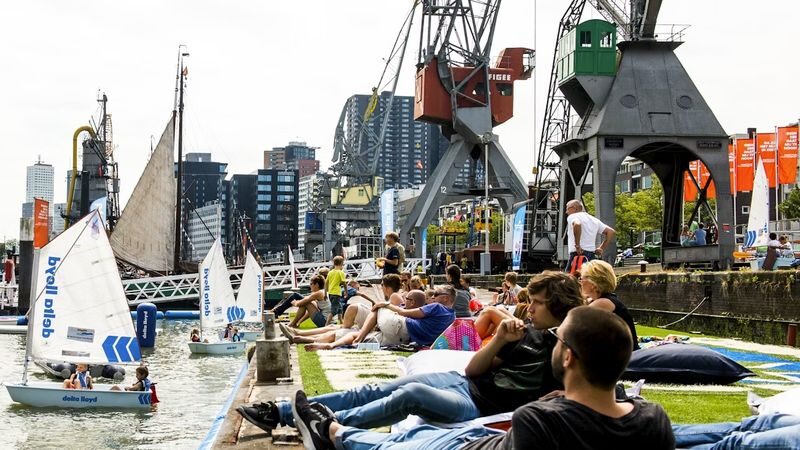
The museum’s setting is part of the point. Leuvehaven lies in Rotterdam’s Maritime District, in the area where the port originated. You are not looking at maritime history from a remote gallery alone: the museum harbor gives the subject a direct connection to the city’s working waterfront past.
Founded in 1873 by Prince Hendrik of the Netherlands, the Maritime Museum has had a long time to build its collection. More than one million objects cover six centuries of Dutch maritime life. That number describes the museum’s holdings, not a promise that every item will be on display during your visit. What you can expect is a broad selection of objects and exhibitions that put ships, trade, navigation, and shipbuilding into context.
The location also makes the museum easy to pair with other central Rotterdam sights. The Erasmus Bridge and Market Hall are among the nearby landmarks, and the museum is a short walk from several public transport stops. If you want to keep the day focused on the city’s connection to water, this is a useful starting point.
You can also read our reviews of more tours and experiences in Rotterdam


Take time for the harbor’s ships and cranes
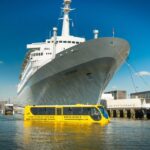
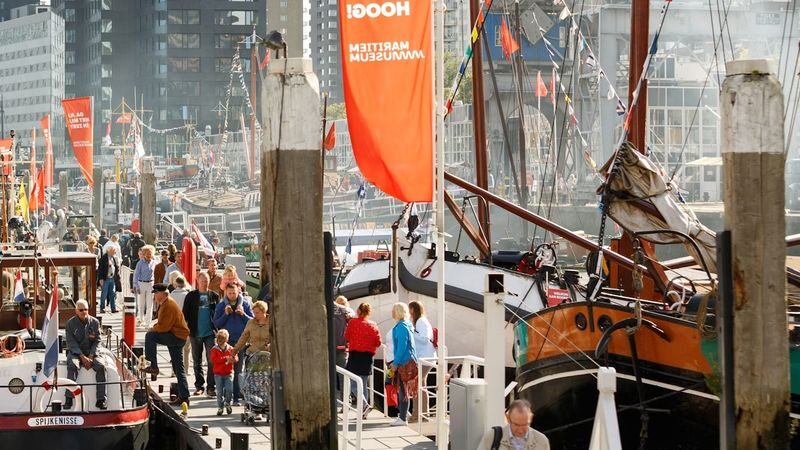
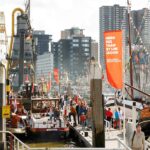
The outdoor Maritime Museum Harbour is the most immediate part of the visit. Restored historic vessels and cranes make maritime work visible at full scale, a welcome change from reading about ships through labels and models. You can get a sense of the equipment and surroundings that shaped life around the port.
The harbor is also where season matters most. Historic ships are closed from November through April, though the museum jetty and workshops in the pavilion remain open from 11:00 to 17:00. If you are visiting in winter, expect a more limited chance to see the vessels up close. The harbor still has value, but it will not offer the same ship access as a visit in the warmer months.
The workshops and jetty provide a reason to look beyond the main galleries, even in the off-season. Opening arrangements can change, so check current details before you go. If seeing historic ships is the main reason for booking, choose a date outside the winter closure period.
Follow six centuries of maritime objects
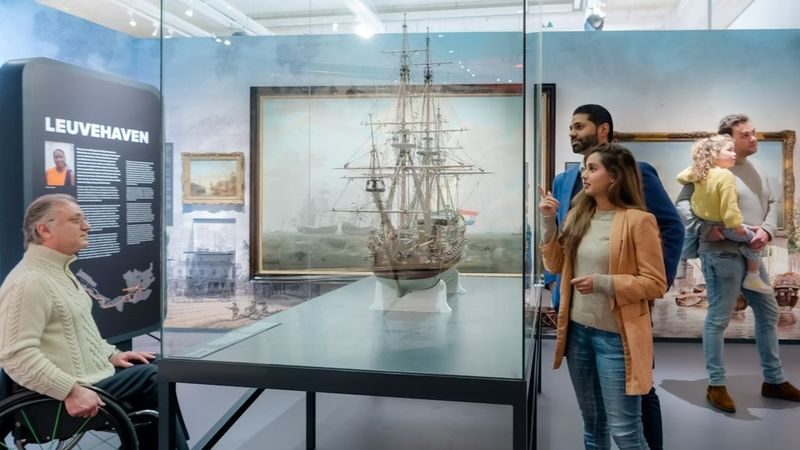
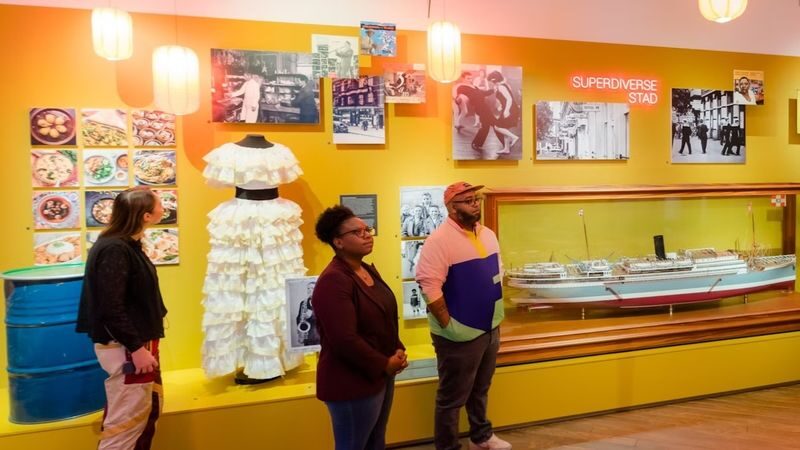
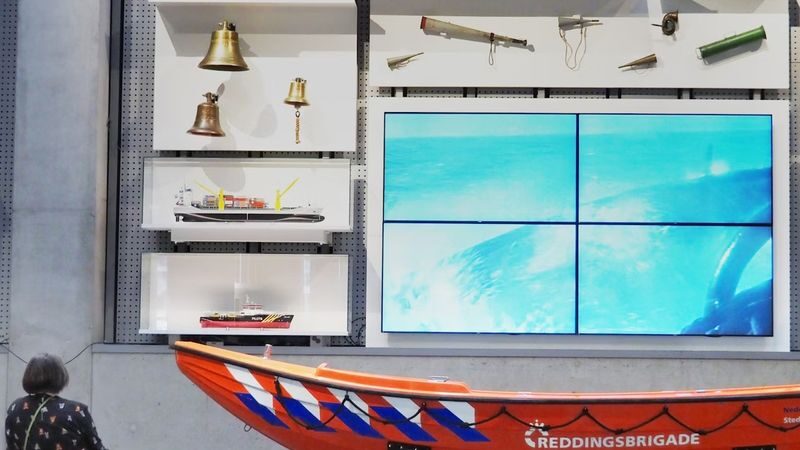
Inside, the collection offers plenty of ways into Dutch maritime history. Ship models can help you understand how vessels changed over time, while navigation instruments and maritime charts show the tools people used to travel and work at sea. Paintings add another angle, recording ships and seafaring as subjects in their own right.
The museum also covers the history of Dutch shipbuilding since 1850 through research and displays. This can be especially useful if you want to connect the older story of sailing and navigation with the more recent development of shipbuilding. Rather than treating the port as a single, fixed chapter in history, the exhibitions offer a way to consider how technology and maritime work changed.
There is also a large collection of maritime books, maps, and documents for research and exploration. If you enjoy following a subject beyond the exhibition labels, these materials point to the museum’s role as more than a place to view objects. The available information does not specify how visitors access each research resource, so check with the museum if using the library is central to your plans.
Make room for interactive exhibits
A museum with more than a million objects could easily feel like a long series of display cases. The interactive exhibits help break up that rhythm. The Offshore Experience simulates life on an offshore platform, giving you a chance to engage with the subject in a more active way than simply reading about it.
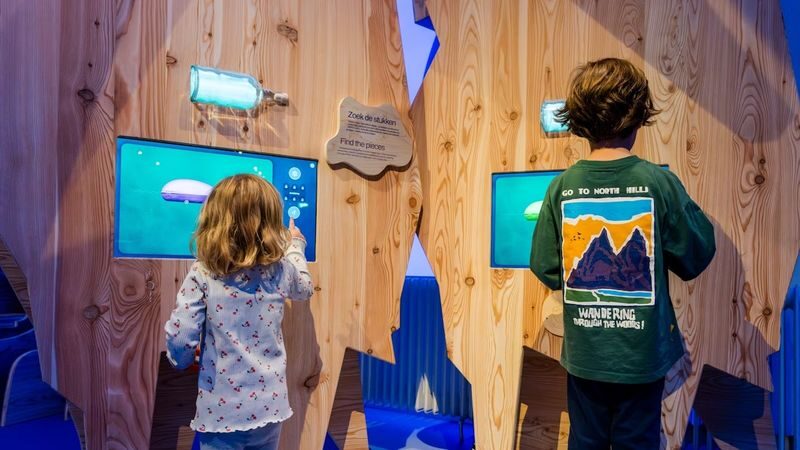
For children, Plons! Future of the Sea and the play area offer a practical change of pace. A family-friendly play space can make a museum visit easier to manage, especially for children who need something hands-on between galleries. Interactive games add another way for younger visitors to connect with the subject. If you are visiting with children, these areas may be among the most useful parts of the day, not just an afterthought.
The museum’s mix of objects, working harbor features, and interactive activities is its main strength. It gives you several ways to approach maritime history, whether you want to study ship models, focus on Rotterdam’s port, or keep the visit active for younger family members.
Plan a route that suits your interests
There is no fixed guided itinerary included with this ticket. You have admission to the Maritime Museum and access to all current exhibitions, so you can choose how much time to give each part. A sensible approach is to start with the harbor if the ships are open, then move into the galleries and interactive areas. That lets you see the full-scale equipment before exploring the objects and stories that explain it.
If you are more interested in the city’s long maritime past, give yourself time with the models, maps, paintings, instruments, and shipbuilding displays. If you are visiting with children, build in time for Plons! Future of the Sea, the play area, and interactive games. This is not a reason to rush through the rest of the museum, but it can help keep the day enjoyable for different ages.
The museum does not provide a visit duration in the ticket details, so I would avoid planning the rest of your day around a precise end time. Your pace will depend on how much you read, how long you spend in the interactive exhibits, and whether the historic vessels are open. The museum app is available for download on the App Store and Google Play Store if you want to check for information before or during your visit.
You can also read our reviews of more museum experiences in Rotterdam


Weigh the ticket price against what you want to see
Tickets start at $23.45 and include admission to the Maritime Museum and all current exhibitions. For that price, you are paying for a substantial collection, the indoor displays, and the museum’s harbor areas. The value is strongest if you take time with both the galleries and the harbor rather than treating the museum as a quick stop.
The price is less compelling if you only want to see the outdoor ships and plan to visit in winter, when the historic vessels are closed. In that case, the exhibitions and the open jetty and workshops will need to interest you too. Families may find more value in the play area and interactive games, which give children a more active role in the visit.
The listed price is a starting price, so check the amount shown for your chosen date and ticket before purchasing. Admission does not include personal expenses or tips, though the ticket is not described as a guided tour with a guide to tip.
Get there by metro, tram, bus, or water taxi
The address is Leuvehaven 1, 3011 EA Rotterdam. Several transport options bring you close:
- By metro, take line A, B, C, D, or E to Beurs station, then walk about four minutes.
- By tram, take line 1, 3, 5, 11, or 12 to Beurs stop, then walk about three minutes.
- By bus, take bus 32 to Keizerstraat, then walk about four minutes.
- By water taxi, use the Centrum terminal, then walk about two minutes.
The water taxi is the closest option listed and gives you a direct arrival by water, fitting for a museum visit centered on Rotterdam’s maritime past. The metro and tram also make the museum straightforward to reach from elsewhere in the city.
The museum is wheelchair-accessible. Pets are not allowed inside, except service animals with valid identification. Infants and children must be included in the passenger headcount, and children aged 0 to 15 must be accompanied by a paying adult. Children aged 16 and older pay the adult rate.
Check opening hours before choosing your day
The museum is open Tuesday through Saturday from 10:00 to 17:00, and Sunday and public holidays from 11:00 to 17:00. It is normally closed on Mondays, but it opens from 10:00 to 17:00 during school holidays. On December 5, 24, and 31, it closes at 16:00.
Opening hours and closure dates may change, so check the latest information before setting out. Remember that the ticket is valid only for the selected date and time, if a time is specified. It cannot be canceled or refunded, making a quick check of your schedule especially worthwhile. To enter, present your mobile voucher.
Should you book the Maritime Museum?
Book this ticket if you want a substantial look at Rotterdam’s seafaring past, especially if you enjoy combining indoor exhibitions with an outdoor harbor setting. It is a good fit for families who value interactive activities and a children’s play area, as well as visitors curious about ships, maps, navigation, and Dutch shipbuilding.
Think twice if your main goal is to board or closely explore the historic ships during the November to April closure. The museum remains open, but the harbor visit changes with the season. If you book for a date that suits your interests, the mix of objects, history, and harbor equipment gives you more to do than a single gallery visit.
Maritime Museum ticket in Rotterdam
“It was a fantastic experience! There's also a children's play area and interactive games.”
FAQ
What does the ticket include?
It includes admission to the Maritime Museum and access to all current exhibitions.
How much does the ticket cost?
The price starts at $23.45. Check the amount shown for your selected date before booking.
Where is the Maritime Museum?
It is at Leuvehaven 1, 3011 EA Rotterdam, Netherlands.
What are the museum’s opening hours?
It is open Tuesday through Saturday from 10:00 to 17:00, and Sunday and public holidays from 11:00 to 17:00. It is normally closed on Mondays, with Monday opening during school holidays from 10:00 to 17:00.
Are the historic ships open all year?
No. The historic ships are closed from November through April. The museum jetty and workshops in the pavilion are open from 11:00 to 17:00.
How do I get to the museum by public transport?
You can take metro lines A, B, C, D, or E to Beurs, tram lines 1, 3, 5, 11, or 12 to Beurs, or bus 32 to Keizerstraat. Each stop is a short walk away.
Is the museum wheelchair-accessible?
Yes, the activity information describes the venue as wheelchair-accessible.
Can I bring children?
Yes. Infants and children must be included in the passenger headcount. Children aged 0 to 15 must be accompanied by a paying adult, and children aged 16 or older are charged the adult rate.
Are pets allowed?
Pets are not allowed inside, except service animals with valid identification.
Can I cancel or change my ticket?
No. The ticket is nonrefundable and is valid only for the selected date and time, if a time is specified.