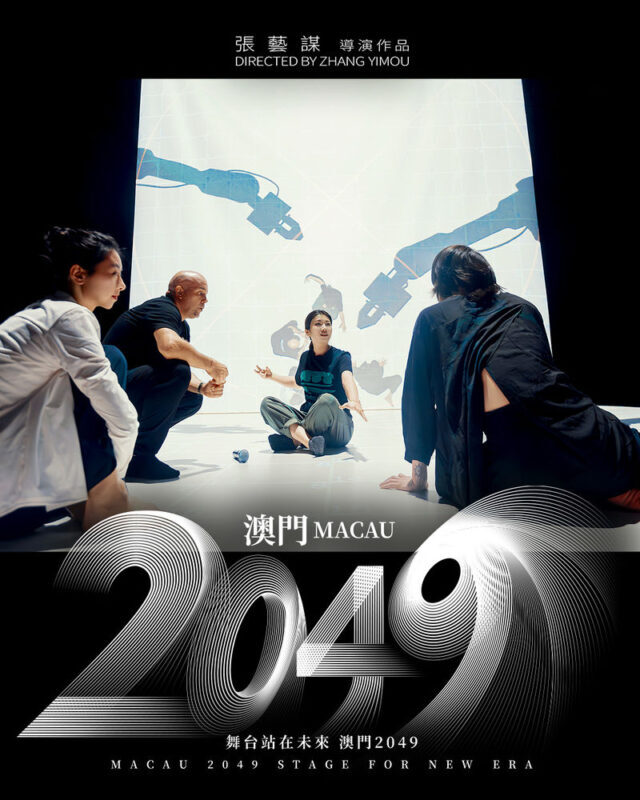
Macau 2049 turns traditional performance into a high-tech stage show. At MGM Theater in Cotai, director Zhang Yimou brings together folk music, dance, shadow performance, lion dance and robotics with large projections and striking lighting. It is an arts-and-technology showcase, not a conventional plot-driven musical.
I like two things in particular: the variety of live acts gives you glimpses of traditions you may not encounter in a short Macau visit, and the stage technology adds a futuristic edge without replacing the performers. The robot and lion-dance moments are especially distinctive, while the music and visual design help each segment feel different.
One point to weigh: the show moves through separate tableaux, and its cultural explanations can interrupt the flow. The title also suggests more about Macau than the performance delivers. If you want a tightly connected story, this may not be your ideal evening.
- Macau 2049 at a glance
- A future-facing stage built around old arts
- What the performance gives you
- How the eight-part structure feels
- The technology is part of the cast
- Ticket zones, seat assignment and the backstage option
- Timing your visit to MGM Theater
- Is Macau 2049 worth the ticket price?
- Who should book Macau 2049?
- Should you book?
- FAQ
- Where is Macau 2049 performed?
- How long is the show?
- What are the showtimes?
- Is Macau 2049 suitable for children?
- Can I choose my seat?
- Which tickets include the backstage tour?
- Can I cancel or get a refund?
- More Tours in Macau
- More Tour Reviews in Macau
- Not for you? Here's more nearby things to do in Macau we have reviewed
Macau 2049 at a glance
 1 / 10
 2 / 10
 3 / 10
 4 / 10
 5 / 10
 6 / 10
 7 / 10
 8 / 10
 9 / 10
 10 / 10
- A Zhang Yimou production: The show is directed by the acclaimed Chinese filmmaker and theatrical director.
- About 80 minutes on stage: Expect a sequence of short performance sections, not a single continuous story.
- Tradition meets technology: Folk music, dance, shadow work and lion performance share the stage with projections, robots and high-impact lighting.
- Four ticket zones: Zone C is the lowest-priced option. VIP and Zone A packages include a backstage tour.
- Seats are assigned: You cannot select a specific seat or change zones after booking. Order together if you want the best chance of sitting near your party.
- Age guidance matters: Children aged 0 to 3 may enter free if they do not need a separate seat, but the show is not suitable for children under 13.
A future-facing stage built around old arts
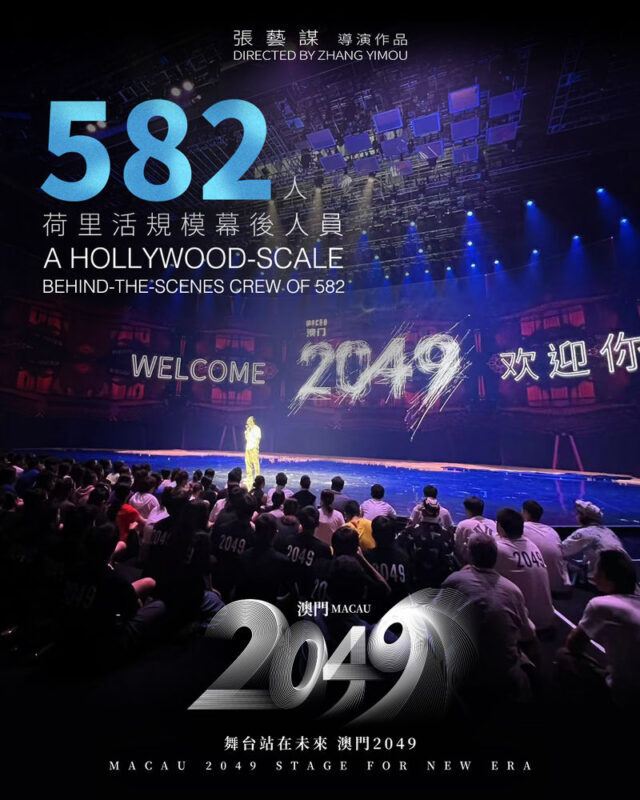
Macau 2049 is a series of visual and musical encounters with Chinese performance traditions. Instead of following a hero through a plot, the show presents one theatrical idea after another, using large screens, light, sound and live performers to frame each one.
That format is both its appeal and its limitation. You get variety: a scene may focus on shadow performance, another on singing or dance, then the stage shifts toward robotics or lion-dance imagery. But the transitions do not always build a story. If you arrive expecting a narrative with a clear beginning, middle and end, the show may feel more like a string of elaborate set pieces.
The central idea is the meeting of heritage and the future. Traditional forms are not presented as museum pieces; they are placed beside digital imagery and stage machinery, giving them a new setting. At its best, the contrast makes familiar technology feel fresh and traditional performance feel newly theatrical.
You can also read our reviews of more tours and experiences in Macau.



What the performance gives you
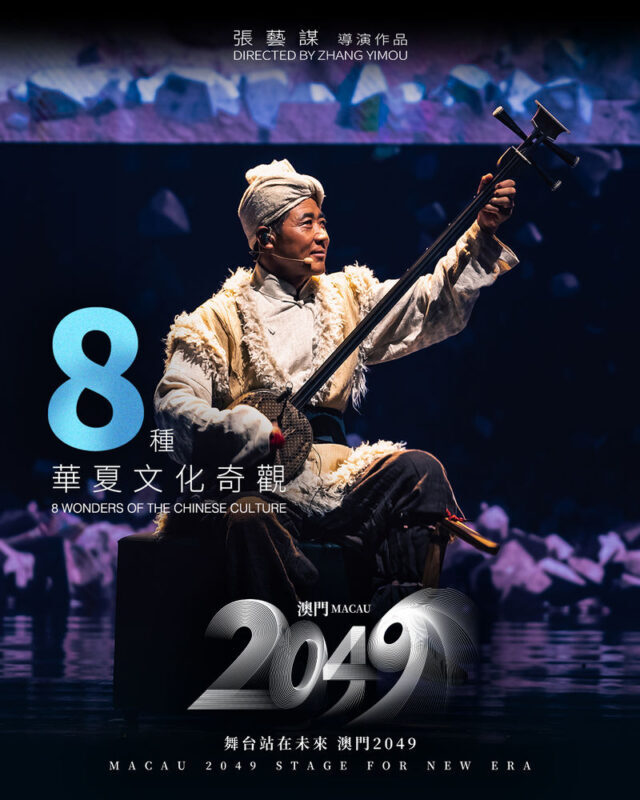
The show includes several kinds of Chinese music and stage art. Examples include Mongolian throat singing, Miao music and dance, shadow work, mask performance, yangge dance, storytelling and lion dance. These are not all the same kind of spectacle. Some sections lean on vocal skill and atmosphere, while others make the performers’ movement and interaction with technology the main event.
The shadow performance paired with a robotic arm is one of the more unusual combinations. The human performers’ control and timing are part of the interest, though the music and movement may compete for your attention rather than reinforce each other. That is a fair example of the production’s experimental nature: the ideas are bold, but not every pairing lands equally well.
The singing sections offer a different pace. Khoomei, or throat singing, is paired with an imaginative visual backdrop, while other folk songs and dance draw on the presence and skill of the performers. These moments can feel less like a technology demonstration and more like a chance to listen and watch closely.
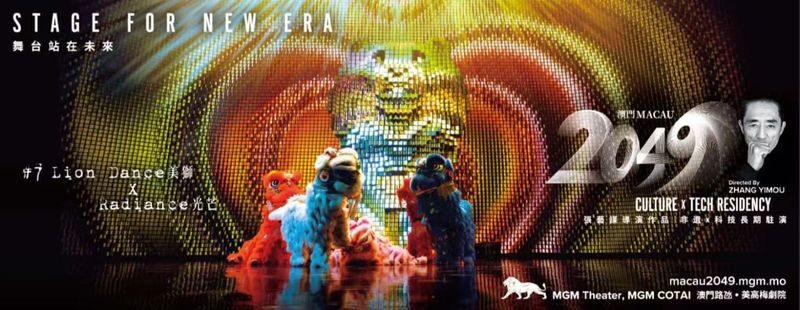
Robots also share the stage with human dancers. Their precision gives the show a futuristic jolt, and their interaction with yangge performers brings more life than a simple display of machines would. The lion-dance sequences are another strong point, with theatrical movement and audience interaction helping to lift the energy.
There is also a section built around an ocean setting, with vocal performers and interaction involving divers and live aquatic life. It adds a three-dimensional quality to the production, although the precise effect of any scene depends on your seat and sightline.
How the eight-part structure feels
The production has been described as eight acts, but it is best to think of them as separate chapters in a cultural showcase rather than eight steps in a single story. The changing subjects give the performance momentum, yet the links between sections can be loose.
Between acts, projected explanations and introductory videos offer context about the cultural traditions, performers and production teams. That information can help you understand what you are seeing, especially if the forms are unfamiliar. The trade-off is that the explanations can feel like a pause in the performance. If you prefer to stay inside the show’s visual world, these breaks may interrupt the rhythm.
The printed program is not a substitute for a detailed guide to every act, so don’t count on it to explain everything in advance. You may find the show easier to follow if you treat each segment as its own encounter instead of trying to connect every image into a single storyline.
This also makes the performance accessible across language backgrounds in a broad sense: the live movement, music and visuals carry much of the experience. Still, the cultural context adds meaning, and some scenes may be more intriguing if you are curious about the traditions being presented.
The technology is part of the cast
Macau 2049 makes extensive use of projection, lighting and sound. The large screen imagery can be striking, and digital backgrounds help shift the stage from one world to another without relying on a conventional set change. The best moments come when the projected world feels connected to the live action, rather than serving as decoration behind it.
That distinction matters. Some scenes bring physical performers and virtual imagery together in a way that makes the stage feel expanded. In others, the screen can be so bright or visually busy that it competes with the dancers. If you are sensitive to intense lighting, keep in mind that some sections use strong visual effects.
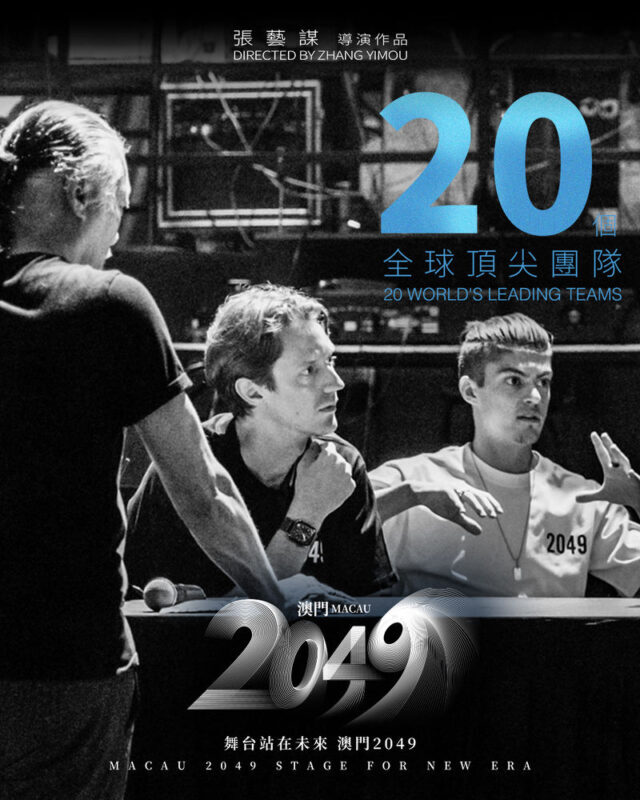
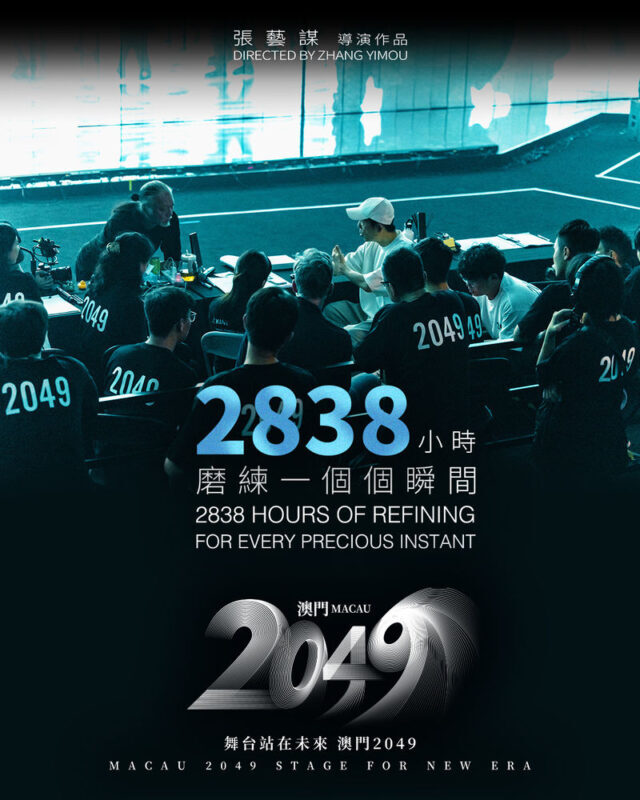
The technology is not the whole show, and that is a strength. The performers’ training and timing remain essential, whether they are singing, dancing, handling shadow work or sharing a stage with robots. The production also gives attention to the people behind each act, with on-screen introductions that recognize performers and technical teams.
Ticket zones, seat assignment and the backstage option
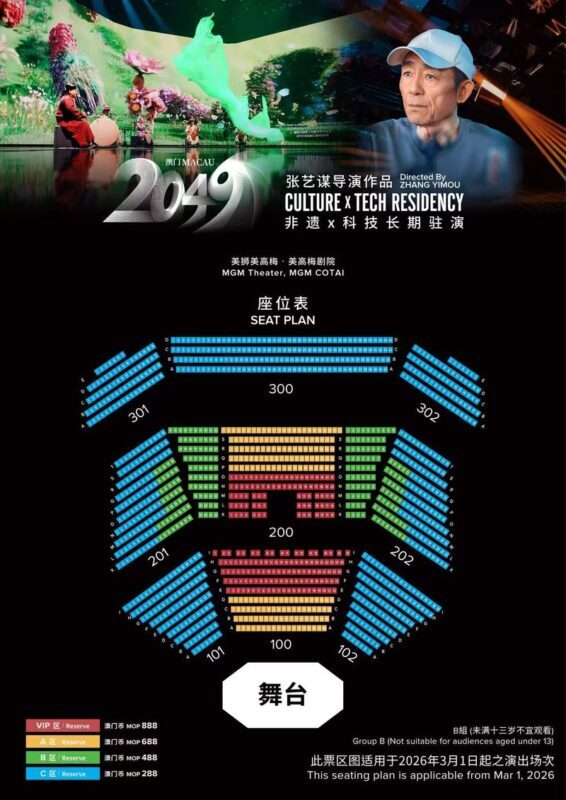
The ticket choices range from Zone C through Zone B and Zone A to VIP. The listed starting prices are US$31.95 for Zone C, US$52.09 for Zone B, US$77.19 for Zone A and US$95.65 for VIP. Prices and offers can change, so check the amount shown for your date before paying.
Zone C is the budget-minded choice. The stage effects are a large part of the experience, so you can still appreciate the show without buying the highest-priced seat. If your priority is a closer or more central view, a higher zone may be worth considering, but the online system assigns seats and does not let you choose the exact location.
VIP and Zone A packages include a backstage tour. That is a useful extra if you are interested in how the stage mechanisms and robots work, rather than only seeing the finished performance. Zone B and Zone C tickets do not list this tour as an included feature.
There is a practical catch with assigned seating: the system allocates seats on a first-come, first-served basis, and it cannot guarantee your preferred angle. Book every ticket for your party in the same order. People buying the same price category together are seated near one another when possible, but exact seat choice is not available, and moving or exchanging seats or zones is not allowed.






Timing your visit to MGM Theater
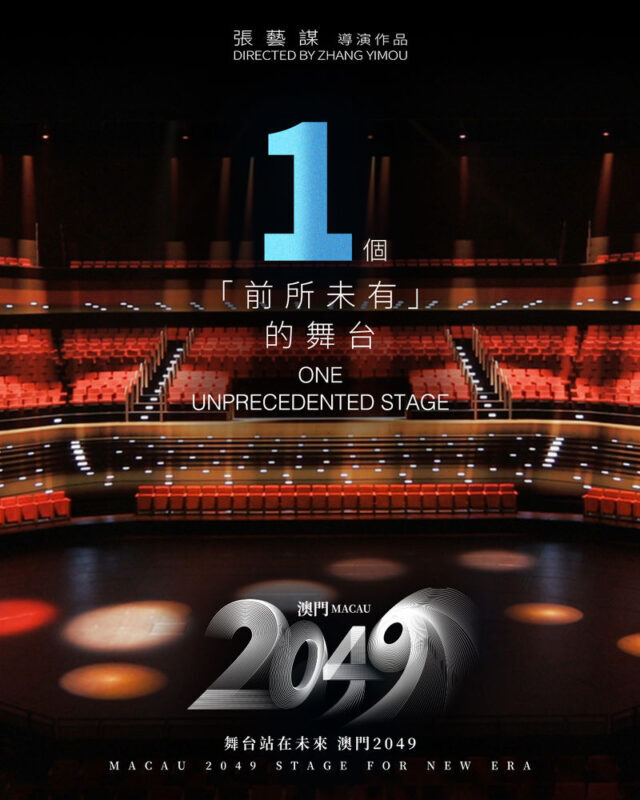
The venue is MGM Theater at MGM Cotai, in the Cotai area of Macau. The show schedule provided lists performances Wednesday through Saturday from 7:30 to 8:50 p.m., and Sunday from 3 to 4:20 p.m. It also says that from August 1, all showtimes change to 3 to 4:20 p.m.
Because the schedule information includes a specific seasonal note, check the time for your chosen date rather than relying on a general timetable. The voucher is valid only for the date and time shown. Allow enough time to reach the theater and get settled before the performance begins; your ticket does not offer flexibility to attend a different session.
The performance itself takes about 80 minutes, based on the scheduled start and end times. Some descriptions put it closer to an hour and a half, so leave a little room in your evening if you are planning dinner or another activity afterward.
Is Macau 2049 worth the ticket price?
For a ticket starting around US$32, Zone C can be a good-value way to spend an evening or afternoon in Cotai, especially if you are curious about Chinese performance traditions and modern stagecraft. You are paying for a live production with multiple acts, large-scale visuals and a range of performers, not for a simple screen show.
The value drops if you expect a tightly written story or a nonstop spectacle. Some sections are more successful than others, and the projected explanations can slow the pace. The show is also not a direct substitute for every other large Macau production. If you have time for only one performance and prefer a more unified theatrical experience, compare it with other shows before booking.
The best reason to choose Macau 2049 is the unusual combination of cultural performance and stage technology. The blend is most rewarding if you enjoy watching how traditional forms are presented in a contemporary setting, even when the connections between scenes are more suggestive than narrative.
Who should book Macau 2049?
I would put this show high on the list for visitors who enjoy visual theatre, Chinese music and dance, or the technical side of large productions. It suits couples, older children and adults who are open to a segmented performance rather than a conventional musical. The backstage tour makes the higher-priced Zone A or VIP packages more appealing if you want to understand the machinery and robotics behind the show.
It is a weaker fit for anyone seeking a clear plot, a quiet performance, or a show aimed at young children. The stated guidance says it is not suitable for those under 13, despite free admission for children aged 0 to 3 who do not occupy a separate seat. Factor that distinction into your plans.
Should you book?
Book Macau 2049 if the blend of folk performance, robotics, projection and theatrical lighting sounds more interesting than a conventional stage story. Zone C offers the clearest value for a first look, while Zone A or VIP makes sense if the backstage tour is a major part of your interest. Check the showtime and seating terms before you pay, and go in ready for a series of visual scenes rather than one continuous tale.
Macau 2049 Show | Director Zhang Yimou’s technology and art masterpiece
“Extremely wonderful, rich in cultural characteristics and educational significance. The scenes are breathtaking, the design is thoughtful, and it i…”
FAQ
Where is Macau 2049 performed?
The show takes place at MGM Theater at MGM Cotai, in the Cotai area of Macau.
How long is the show?
The scheduled performance runs about 80 minutes. The listed times are 7:30 to 8:50 p.m. or 3 to 4:20 p.m., depending on the date and schedule.
What are the showtimes?
The schedule provided lists Wednesday to Saturday from 7:30 to 8:50 p.m. and Sunday from 3 to 4:20 p.m. From August 1, all showtimes are listed as 3 to 4:20 p.m. Check the time attached to your selected date.
Is Macau 2049 suitable for children?
The show is not suitable for children under 13. Children aged 0 to 3 may attend free if they do not occupy a separate seat.
Can I choose my seat?
No. Seats are assigned by the system, and you cannot select a specific seat or move to another seat or zone. Book tickets for your party in the same order to improve the chance of being seated together.
Which tickets include the backstage tour?
The VIP Zone and Zone A packages include a backstage tour. The listed Zone B and Zone C packages do not include it.
Can I cancel or get a refund?
No. The stated ticket terms do not allow cancellations or refunds.