Lone Pine’s special trick is simple: it gives you time to watch koalas and kangaroos at close range, then rounds out the day with birds of prey, dingoes, wombats and other Australian wildlife. The sanctuary is home to more than 100 koalas, but the kangaroos may be the animals that keep you lingering longest.
I like the easy, hands-on kangaroo encounter and the chance to build your day around keeper talks and shows rather than just walking past enclosures. I also like that Lone Pine brings many distinctly Australian species together in one place, including a new saltwater crocodile exhibit with a 360-degree underwater viewing dome.
One thing to plan for: koala contact and photo experiences are not part of general admission and can have limited daily availability. Some animals sleep for much of the day, and the sanctuary’s outdoor paths can be sloped or uneven, so comfortable shoes and sensible weather gear matter.
- What to know before you go
- Why Lone Pine is more than a koala stop
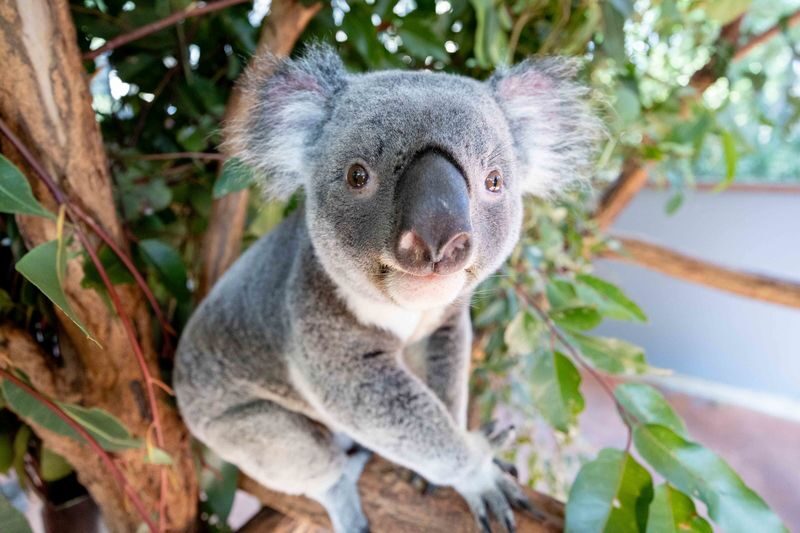
- The koalas: plentiful, but often asleep
- Kangaroo feeding is the hands-on highlight
- Keeper talks and shows break up the day
- Crocodiles, platypus and the rest of the Australian cast
- A daytime ticket and a separate after-dark option
- How much time and money to allow
- Getting there and dressing for the paths
- Who will enjoy Lone Pine most
- Should you book the Lone Pine day ticket?
- FAQ
- What does the general admission ticket include?
- What are the sanctuary’s opening hours?
- Can I feed kangaroos?
- Is a koala photo or contact experience included?
- Is the Nocturnal Tour included with this ticket?
- How do I get to Lone Pine by bus?
- What should I wear?
- Can I cancel for a refund?
- The Best Of Brisbane!
- More Tickets in Brisbane
- More Tours in Brisbane
- More Tour Reviews in Brisbane
- Not for you? Here's more nearby things to do in Brisbane we have reviewed
What to know before you go
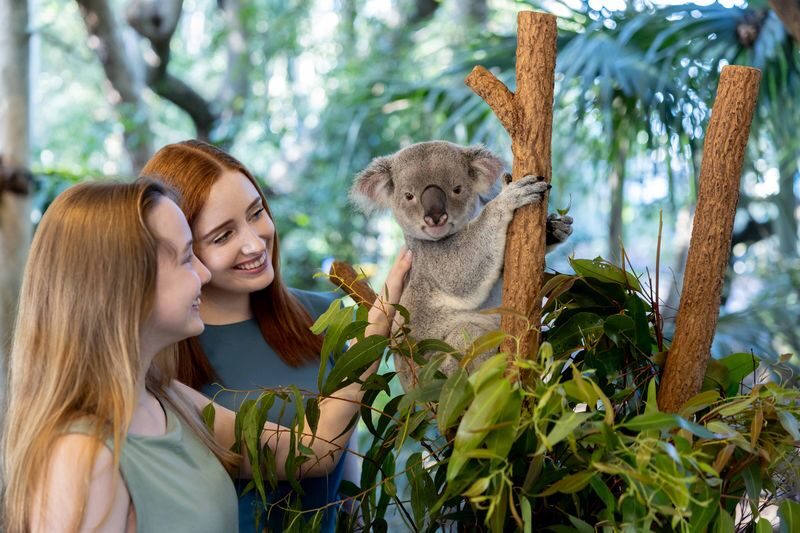
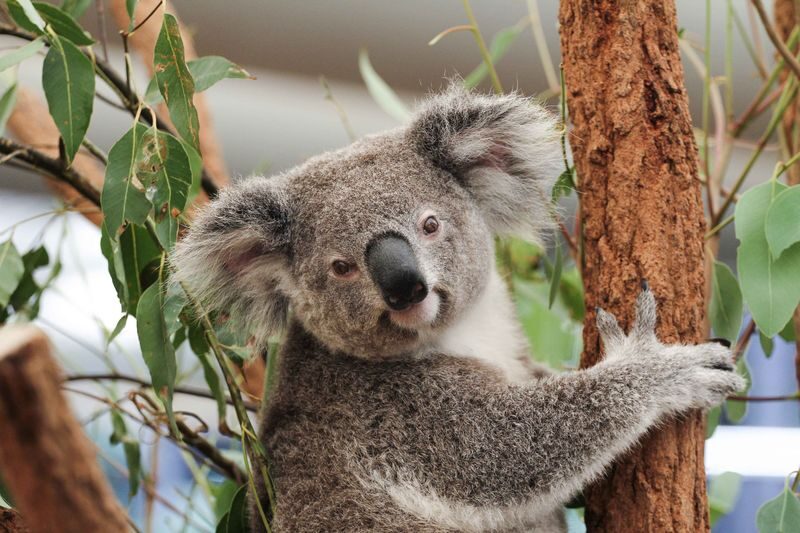
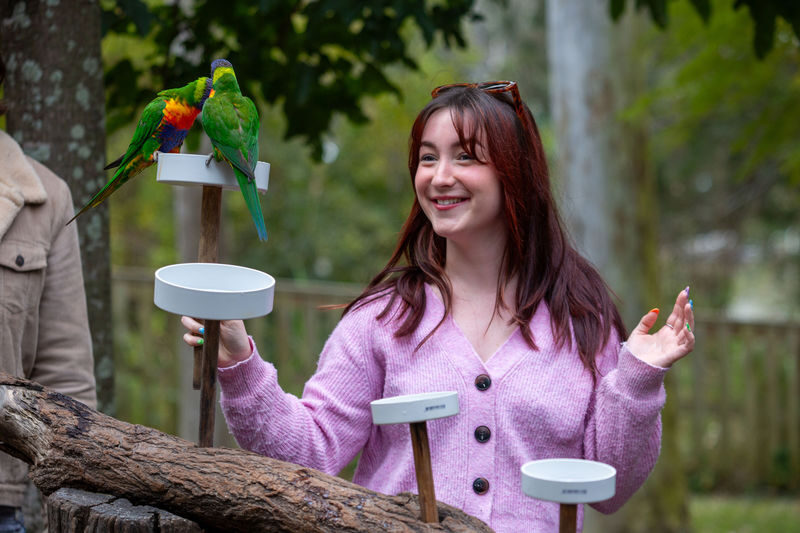
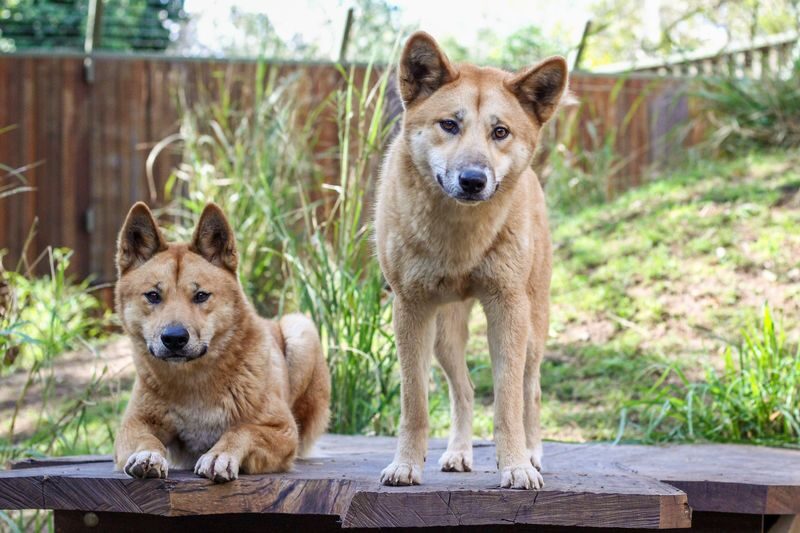
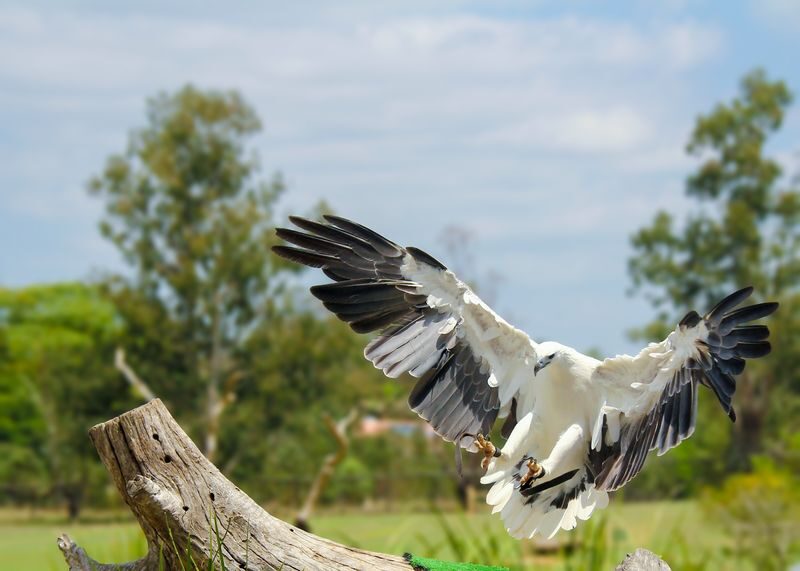
- More than 100 koalas: You can see plenty without paying extra for a koala encounter, though individual animals may be resting.
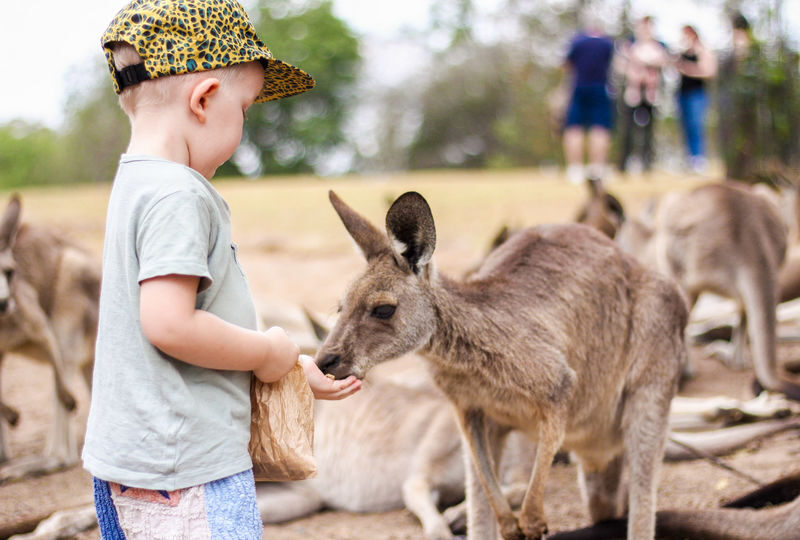
- Kangaroos up close: Buy feed at the kiosk or shop near the café, then offer it from your palm.
- Shows add structure: Check the daily schedule for keeper talks, bird of prey presentations and other activities.
- Koala moments cost extra: Photo or contact sessions are separate from general admission, and time slots can sell out.
- The ticket is for daytime entry: The after-dark Nocturnal Tour is a separate experience, not part of this one-day general admission ticket.
- Come prepared to walk: Lone Pine is outdoors, with some sloped, unpaved or uneven paths.

👉 See our pick of the 2 Best 3 Day Tours In Brisbane
Why Lone Pine is more than a koala stop
Lone Pine Koala Sanctuary sits in Fig Tree Pocket, about a 15-minute drive from Brisbane according to the supplied directions. It is billed as the world’s first and largest koala sanctuary, and the scale of its koala population is a big part of its appeal: more than 100 animals give you a better chance to see koalas in different spots and poses than a single small enclosure might.
The sanctuary also covers around 70 species of native Australian animals. That variety matters if this is your first visit to Australia, or if your trip does not include time in the bush. You can see familiar icons such as kangaroos and koalas, then add species like dingoes, wombats, platypus and crocodiles to the day.
I would think of Lone Pine as a close-up introduction to Australian wildlife, not as a remote nature reserve. You’re visiting a managed sanctuary with paths, exhibits, food facilities and scheduled presentations. That makes it practical for families and anyone with limited time, while still giving you room to observe animals at your own pace.
You can also read our reviews of more tours and experiences in Brisbane


The koalas: plentiful, but often asleep
The koalas are the main event, and there are enough of them that you need not rush from one viewing spot to the next. A koala may be awake, eating or moving around, but it may also be curled up asleep. That is normal koala behaviour, not a sign that you have missed the show.
Give yourself time to look closely. Visitors have seen koalas walking on the ground or eating eucalyptus, but you should not count on catching that activity during a particular visit. Even a sleeping koala can be a satisfying sight when you can pause and watch without hurrying.
You may also see young koalas, including joeys. Their presence is a particular draw, though sightings depend on what is visible on the day. The number of animals makes this a strong stop for anyone keen to see koalas, but the experience is observation first. If you want a photo or a closer contact session, expect to pay extra.
The details of koala interaction can depend on the specific session and current rules. Some visitors describe close contact, while others note that handling is not available to everyone. Check the sanctuary’s current options rather than assuming your general admission ticket includes a photo or a chance to touch a koala. If a session matters to you, look into booking ahead: daily slots are limited, and availability can run out.
Kangaroo feeding is the hands-on highlight
The kangaroo area offers a more active encounter. Kangaroos and wallabies roam in a setting where you can get close, and feeding them is a memorable way to meet Australian wildlife without a glass barrier between you.
Kangaroo food is sold separately. If you are unsure where to find it, look near the café for the kiosk or shop. Put the food in your palm and offer it near a kangaroo’s mouth. Some animals may not be interested, so be patient and let them approach rather than expecting every kangaroo to eat.
This is especially good for children, but it is fun for adults too. The animals’ relaxed presence can make the experience feel less like looking at an exhibit and more like sharing space with wildlife. Follow staff instructions and treat the animals gently. Feeding is a privilege, not a guarantee that each kangaroo will be hungry or keen to interact.
Keeper talks and shows break up the day
A full day here is not just a circuit of animal enclosures. Lone Pine runs a daily schedule of keeper talks, shows and photo opportunities, and you can use those timings to give your visit a rhythm. Check the schedule before you start walking, then plan around the presentations that interest you.
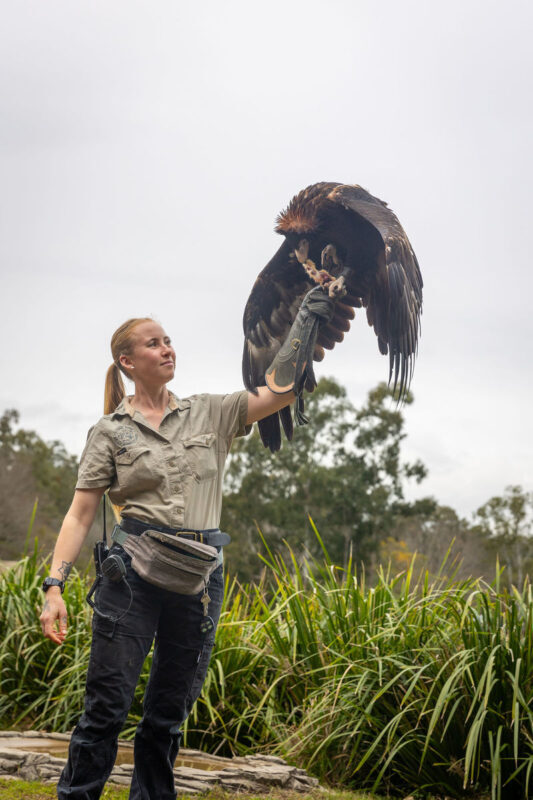
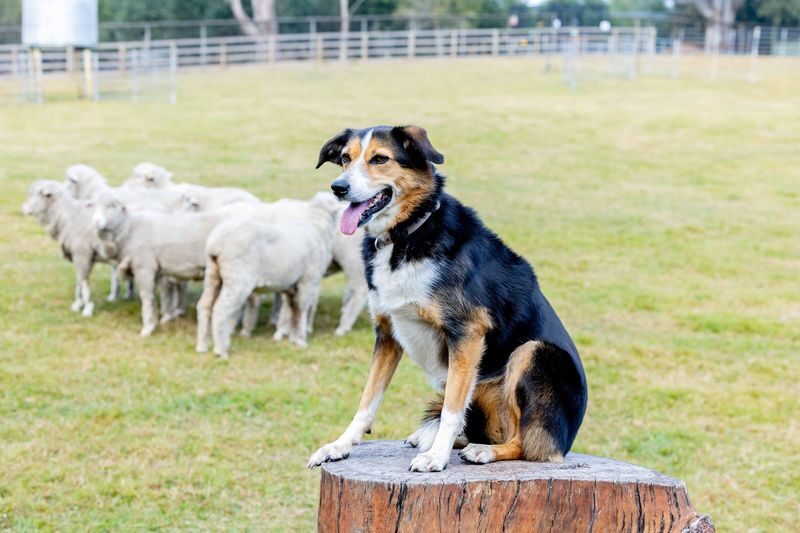
Bird of prey shows are a frequent highlight, and the sanctuary also has a sheepdog herding show. These demonstrations add variety to the day and help you see animal behaviour in action. If you are visiting with children, a set show time can be a useful pause between wandering and feeding.
The trade-off is that fitting in every presentation may require some backtracking or a longer visit. Some people cover the sanctuary in a couple of hours; others take around six hours when they stop for shows, meals and animal encounters. I would allow several hours, especially if you want to see the koalas at an unhurried pace and catch more than one presentation.
Crocodiles, platypus and the rest of the Australian cast
Beyond the headline animals, Lone Pine gives you a chance to see a broad collection of native species in one outing. The platypus is a small but rewarding stop, and the sanctuary also has dingoes, wombats, echidnas and other wildlife. Don’t expect every animal to be active or visible at every moment, particularly among species that are naturally nocturnal.
The new saltwater crocodile exhibit adds another major stop, with a 360-degree underwater viewing dome. That feature offers a different angle on a powerful animal, and gives the sanctuary a strong indoor-style viewing moment within an otherwise outdoor visit.
The range is useful if you want more than a koala photo. At the same time, Lone Pine’s size is manageable rather than sprawling. You can see a good share of the sanctuary in a few hours, but you’ll get more from the visit if you slow down for animals that catch your eye instead of treating it as a checklist.


A daytime ticket and a separate after-dark option
The ticket described here is one-day general admission. It covers daytime entry to the sanctuary, including access to the animal areas and scheduled activities. It does not include transport, meals or beverages, and kangaroo food and koala photo or contact sessions may cost extra.
Lone Pine also offers a Nocturnal Tour as a separate experience. That after-dark outing uses red-light torches and thermal cameras, with expert guides leading you to look for nocturnal animals such as wombats, Tasmanian devils and echidnas. It is a different way to see the sanctuary, but do not assume it is included with this daytime ticket. Check the separate tour details if night wildlife is your priority.
This distinction matters when comparing options. General admission suits a flexible daytime visit with kangaroos, koalas and shows. The Nocturnal Tour is for a more focused after-dark experience. The information here does not establish that the two are bundled together.
How much time and money to allow
Tickets start at $41.35. For that price, the value comes from the number of animals and the freedom to spend much of the day exploring at your own pace. You are not paying for a guided tour or transport; you are buying entry to a sanctuary with a full daily activity schedule.
The admission price is easier to justify if you plan to stay for several hours and catch a show or two. If you only want a quick look at koalas, the value depends on how much you care about seeing them up close. If you also feed kangaroos, visit the other animal areas and take time at the presentations, the ticket gives you a fuller day.
Keep extra costs in mind. Transport, meals and drinks are not included, and special koala experiences and kangaroo feed may require separate payment. The ticket is valid only on the date selected, so choose a day when you have enough time to make the trip worthwhile.
Getting there and dressing for the paths
The address is 708 Jesmond Road, Fig Tree Pocket, Queensland 4069. From Brisbane, the listed public bus options are route 430 from Platform 2C at Queen Street Station, or route 445 from Stop 41 on Adelaide Street. You can also drive, with the supplied directions describing the trip as about 15 minutes from Brisbane and about an hour from the Gold Coast.
Transport is not included, so plan your own way there and back. After several hours on your feet, a ride by car or taxi may feel easier than returning by bus, but your choice depends on where you are staying and your plans for the day.
This is an outdoor visit. Dress for the forecast, and take an umbrella or raincoat if wet weather is expected. On sunny days, bring protection from the heat and sun. Paths include slopes and uneven or unpaved sections, so safe walking shoes are a better choice than sandals that make walking difficult.
Who will enjoy Lone Pine most
Lone Pine makes sense for families, wildlife enthusiasts and first-time visitors who want to see Australian animals without arranging a trip far from Brisbane. Children get the movement and interaction of kangaroo feeding, while adults can spend more time watching koalas and attending keeper presentations.
It also suits visitors who want a relaxed half-day or full-day outing rather than a tightly timed tour. You can move at your own pace, though the daily shows reward a little planning. If you have just a couple of hours, prioritize the koalas, kangaroos and the presentation that interests you most.
If you are mainly looking for a guaranteed koala photo or hands-on koala encounter, check the separate options before you arrive. General admission gives you access to see the animals, but it does not promise a particular interaction. And if you are expecting every animal to be active, remember that some will be asleep or out of sight.
Should you book the Lone Pine day ticket?
Book it if you want a practical, close-up introduction to Australian wildlife and can set aside several hours. The combination of abundant koalas, kangaroo feeding, native species and scheduled shows makes the admission worthwhile for many kinds of visitors.
I would plan around the daily schedule, arrive with comfortable shoes, and check koala-session availability in advance if a photo or contact experience is important to you. Choose general admission for the daytime sanctuary. Choose the separate Nocturnal Tour only if you want an after-dark search for nocturnal animals. If those expectations match your plans, Lone Pine is an easy Brisbane outing with more to it than its famous koalas.
Lone Pine Koala Sanctuary Entry Ticket
“Basically, we saw all the animals, though a few weren't around. Overall, the park is clean and well-kept, making for a great visiting experience.”
FAQ
What does the general admission ticket include?
It includes one day of general entry to Lone Pine Koala Sanctuary. Transport, meals and beverages are not included.
What are the sanctuary’s opening hours?
Lone Pine is open daily from 9:00 am to 5:00 pm. Last entry is at 4:00 pm.
Can I feed kangaroos?
Yes. Kangaroo feeding is available, and food is sold separately at a kiosk or shop near the café.
Is a koala photo or contact experience included?
No. Koala photo or contact experiences are separate from general admission and may have limited daily slots.
Is the Nocturnal Tour included with this ticket?
No. The ticket described here is for daytime general admission. The Nocturnal Tour is a separate after-dark experience.
How do I get to Lone Pine by bus?
Take bus 430 from Platform 2C at Queen Street Station, or bus 445 from Stop 41 on Adelaide Street.
What should I wear?
Wear safe walking shoes because some paths are sloped, unpaved or uneven. Dress for the weather, and take an umbrella or raincoat during wet conditions.
Can I cancel for a refund?
You can receive a full refund if you cancel at least 24 hours before the activity date, using the destination’s local time.