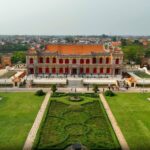
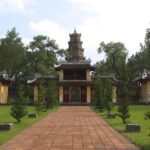
Lebadang Memory Space is more than a set of gallery rooms: its 16,000-square-meter grounds were conceived as part of the artwork. I like that the visit brings together Lebadang’s paintings, sculptures, and installations, and that the architecture and garden setting have a strong role of their own.
I also like that admission includes the main and underground exhibition spaces, plus an English- or Vietnamese-speaking guide. One consideration: the museum is about 10 kilometers from central Hue, so you need to plan a ride rather than treat it as a quick stop near the city center.
- Key points
- Art you can walk through, not just look at
- The grounds are part of the visit
- The main exhibition space
- The underground exhibition space
- How much time to set aside
- Is the ticket good value?
- Small practical details that shape the visit
- Who will enjoy Lebadang Memory Space?
- Should you book?
- FAQ
- How long should I allow for the visit?
- What days and hours is the museum open?
- How do I get to Lebadang Memory Space from central Hue?
- What does the ticket include?
- Is a guide or audio guide included?
- Do children and seniors pay admission?
- Can I cancel or change my booking?
- The Best Of Hue!
- More Tickets in Hue
- More Tours in Hue
- More Tour Reviews in Hue
- Not for you? Here's more nearby things to do in Hue we have reviewed
Key points
 1 / 10
 2 / 10
 3 / 10
 4 / 10
 5 / 10
 6 / 10
 7 / 10
 8 / 10
 9 / 10
 10 / 10
- The grounds are part of the art: The museum’s architecture and garden setting form a large-scale artwork in their own right.
- Two exhibition spaces are included: Your ticket covers the main exhibition space and the underground exhibition space.
- The visit is compact: Allow about 1 to 2 hours, depending on how long you spend with the works and grounds.
- You can visit with a guide: An English- or Vietnamese-speaking guide is included. An audio guide is not.
- It takes a short drive from central Hue: The museum is about 10 kilometers away, or roughly 20 minutes by car.
- The opening day matters: The museum is open Tuesday through Sunday, with a midday break from noon to 2 p.m.

👉 See our pick of the 8 Best Workshops And Classes In Hue
Art you can walk through, not just look at
Hue is best known for its imperial history, but Lebadang Memory Space offers a different reason to leave the city center. This contemporary art museum honors Lebadang, a world-renowned artist, and preserves and exhibits his work in a setting designed to make the grounds part of the experience.
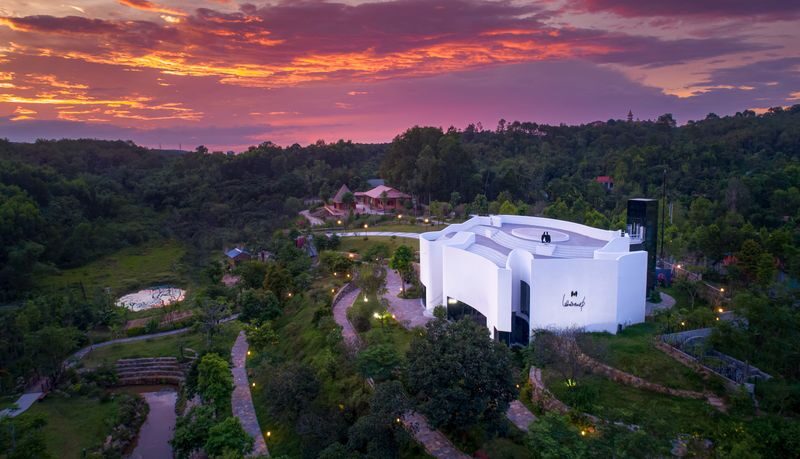
That idea shapes what you can expect. Rather than treating architecture as a neutral box for paintings, the museum presents the compound itself as a full-scale artwork. Art, architecture, and nature are meant to be experienced together, so you’ll spend time noticing the space around the pieces as well as the pieces themselves.
The museum’s stated ambition is also larger than display. It reflects Lebadang’s dream of an immense artwork, a cosmic setting, and a life in harmony with nature. That may sound grand, but it gives you a useful way to approach the visit: pay attention to how the building, garden, and art relate, rather than expecting a long sequence of conventional gallery rooms.
The museum describes its exhibition content and display methods as periodically changing. That means the specific works or arrangement may differ between visits. If you have seen images of a particular piece, keep in mind that it may not be on display when you go.
You can also read our reviews of more tours and experiences in Hue
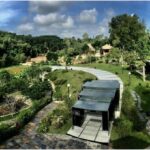

The grounds are part of the visit
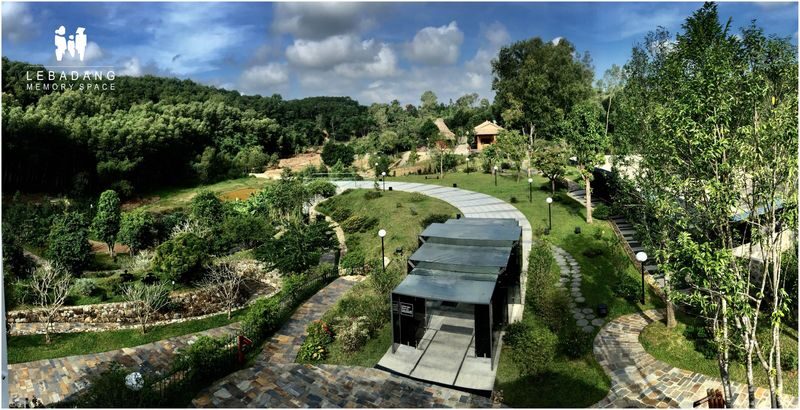
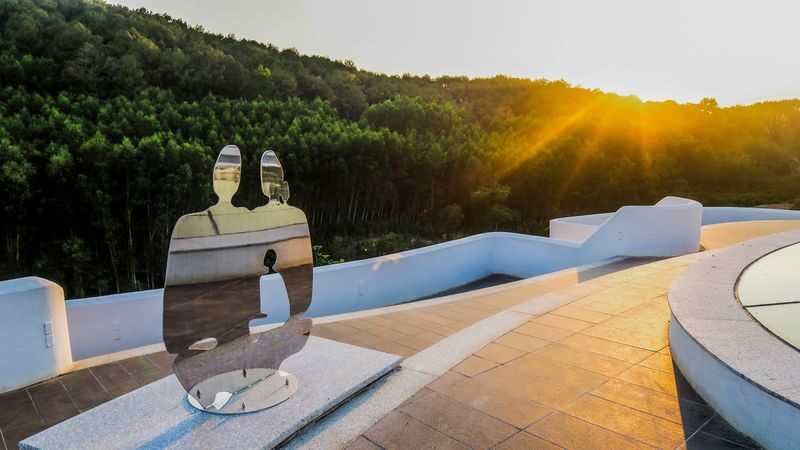
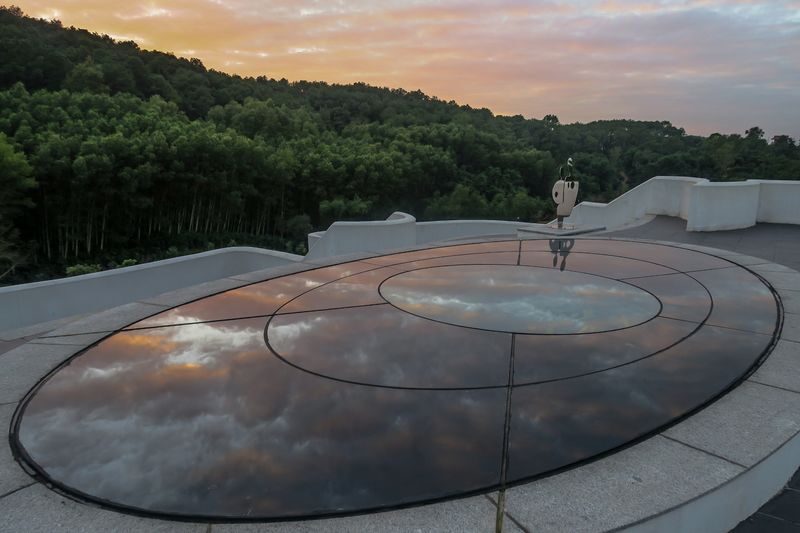
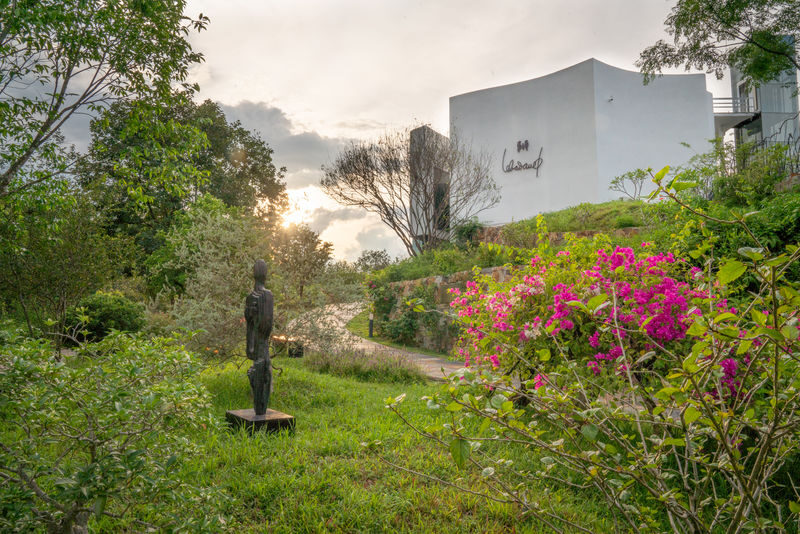
The site covers more than 16,000 square meters in a green garden setting. The architecture is modern and distinctive, and the grounds give the museum a quieter, more secluded feel than a gallery in the middle of town. Mountain scenery adds to that sense of separation from Hue’s busy streets.
I’d give yourself time outdoors instead of moving straight from one exhibition room to the next. The museum’s core idea is that nature and art belong together, and the grounds help make that idea tangible. The setting may be as memorable for you as the individual works, especially if you enjoy looking at how a building sits within its surroundings.
The trade-off is that the museum’s scale can create expectations of a very large collection. One recent visit described it as small and exquisite, with fewer exhibits than the spacious design might suggest. That is worth keeping in mind: the experience is about the setting and quality of the space as much as the number of objects on view.
A visitor also singled out the scent and the staff as part of the appeal. Those details are not guaranteed features you can schedule around, but they point to the museum’s attention to atmosphere. The overall impression is meant to be calm and considered, not hurried or crowded with attractions.
The main exhibition space
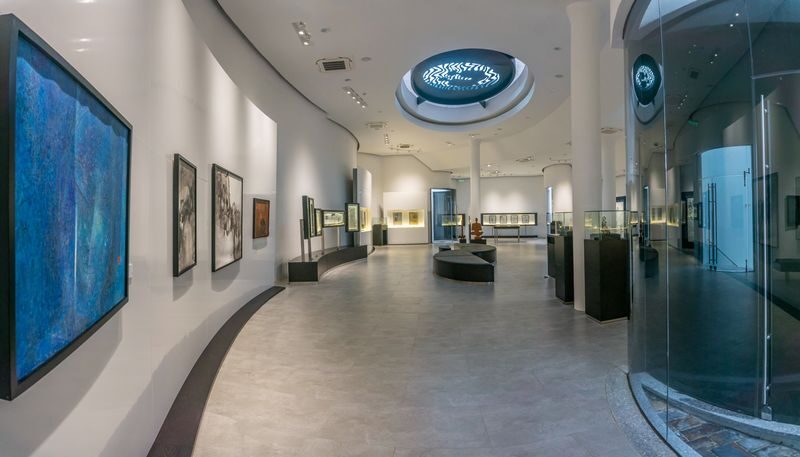
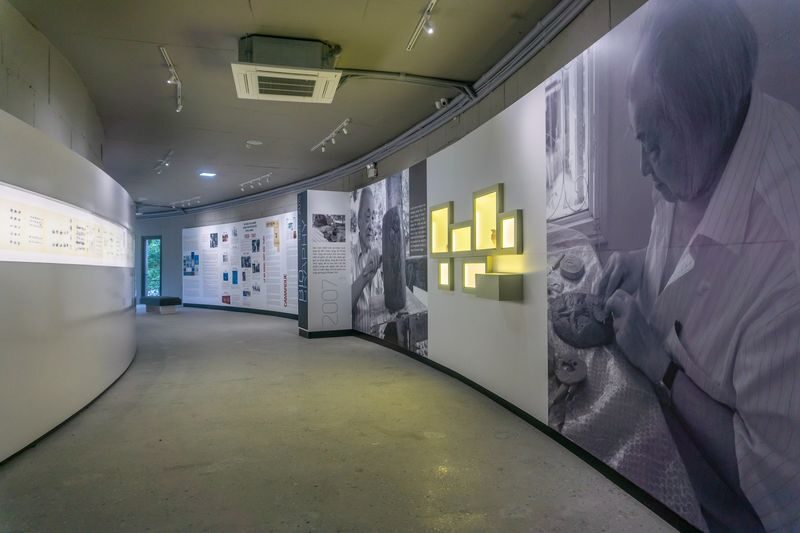
Your ticket includes admission to the main exhibition space, where you can see Lebadang’s art heritage presented through paintings, sculptures, and installations. The museum periodically changes its exhibitions and display methods, so the exact mix and arrangement can vary. The emphasis is on seeing the work within a setting that supports the artist’s ideas about space and nature.
Give yourself room to look rather than simply count the works. In a compact museum, a slower pace can make the visit more rewarding, particularly when the architecture is part of the experience. You might find that a pause to take in a room or view of the grounds adds more than trying to see everything quickly.
An English- or Vietnamese-speaking guide is included. That is useful if you want context as you move through the work, though the available information does not give a guide’s name or specify a fixed tour format. An audio guide is not included, so don’t assume you’ll have a recorded commentary to use independently.
The underground exhibition space
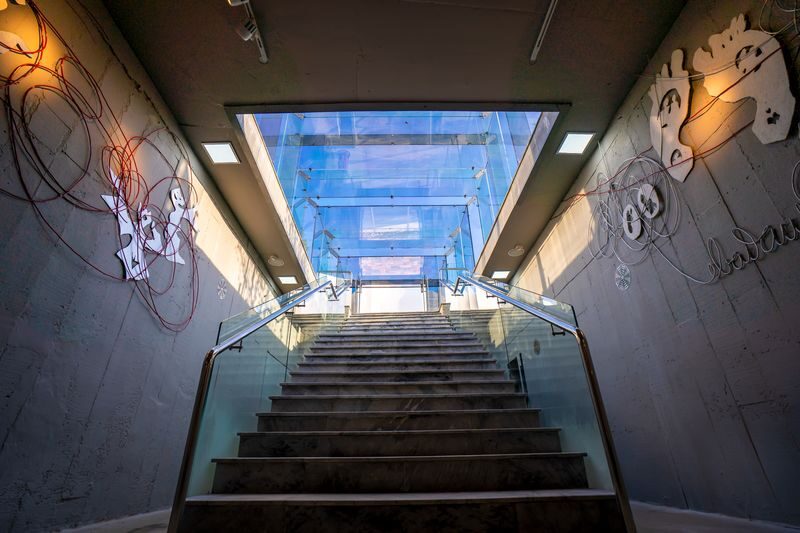
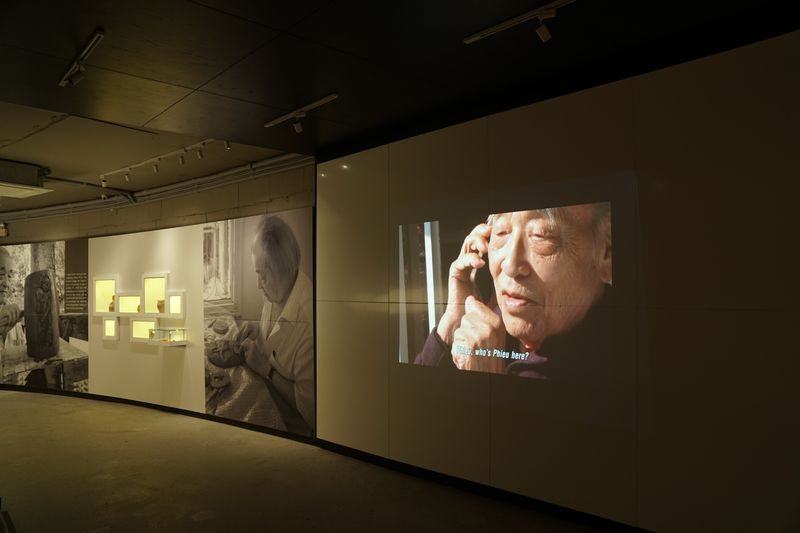
Admission also covers the underground exhibition space. Its inclusion gives the visit a second setting, with a change in atmosphere from the garden and above-ground architecture. The museum presents both areas as part of its exhibition experience, rather than charging separately for one of them.
The available details do not specify the underground space’s exact layout or which works will be shown there on a given day. Since exhibitions rotate, it is sensible to treat the visit as a chance to see the current presentation rather than expect a particular work or sequence. If you have limited time, allow enough room for both exhibition areas before spending your remaining minutes on the grounds.
How much time to set aside
Plan on about 1 to 2 hours. The shorter end works if you focus on the two exhibition spaces and keep your time outdoors brief. If you like to take in architecture, linger over the displays, and enjoy the garden setting, give yourself closer to two hours.
The museum is not in central Hue. It is at Kim Son hamlet in Thuy Bang commune, Huong Thuy town, around 10 kilometers from the center. By car, the drive takes about 20 minutes, so build travel time into your plan instead of squeezing the museum into a gap between nearby city sights.
The opening schedule is Tuesday through Sunday, from 8 a.m. to noon and again from 2 p.m. to 6 p.m. The midday closure is important: arriving shortly before noon will not give you a full visit, and you cannot simply stay through the break. Check your timing before setting out.
You can also read our reviews of more museum experiences in Hue


Is the ticket good value?
At a starting price of $8.49, this is a relatively modest ticket for a museum visit that includes two exhibition areas, a guide in English or Vietnamese, and access to an unusually large garden setting. The value depends less on the number of works you expect to see and more on whether you enjoy contemporary art and architecture as a combined experience.
If you want a large collection that can fill half a day, this may not be the right use of your time or money. The museum is best approached as a focused, short visit. Its compact scale can be an advantage if you want a change of pace from Hue’s historical sites without committing most of a day.
The ticket includes admission to Lebadang Memory Space, the main exhibition space, and the underground exhibition space. It does not include meals, drinks, personal expenses, tips, or an audio guide. Children aged 0 to 5 and seniors aged 70 or older enter free.
Small practical details that shape the visit
Bring your mobile voucher to redeem your ticket, and remember that it is valid only for the date you select, and for a specified time if one applies. The museum does not allow re-entry after you leave, so plan bathroom breaks, meals, and any time outside the grounds before you enter.
Outside food and drinks are not allowed inside. Pets are also not permitted, except service animals with valid identification. These rules are simple, but they matter if you are visiting with family or planning to make the museum part of a longer day out.
You can cancel for a full refund if you give at least 48 hours’ notice before the activity date, based on local time. Date changes are allowed up to 48 hours before the activity starts, though some booking types have restrictions. If your plans are uncertain, check the conditions attached to your particular booking before you pay.
Who will enjoy Lebadang Memory Space?
I’d recommend this visit if you’re curious about contemporary art, appreciate thoughtful architecture, or want a quiet contrast to Hue’s imperial monuments. It also suits visitors who prefer a short cultural outing with room to explore a garden setting rather than a packed itinerary of galleries.
It may be less satisfying if you judge a museum mainly by the size of its collection or want an activity within easy walking distance of central Hue. The ride takes planning, and the displays may change. That uncertainty is part of the point: come for Lebadang’s art and the relationship between the works, architecture, and grounds, not for a fixed checklist of objects.
Should you book?
Book Lebadang Memory Space if you want to see a different side of Hue and are interested in how art can shape a place, not just decorate a room. The combination of a main exhibition, an underground gallery, distinctive architecture, and a garden setting makes a rewarding 1 to 2 hour visit at a starting price of $8.49.
Skip it if you have little interest in contemporary art or cannot spare the drive from central Hue. If you do go, check the Tuesday-to-Sunday hours, avoid the noon-to-2 p.m. closure, and leave time to enjoy the grounds as well as the galleries.
Lebadang Memory Space Art Museum Ticket in Hue
“This is a small, exquisite private museum. While it doesn't have many exhibits, the architecture itself and the surrounding mountain scenery are ex…”
FAQ
How long should I allow for the visit?
Plan for 1 to 2 hours. The time you need depends on how long you spend in the exhibition spaces and on the grounds.
What days and hours is the museum open?
It is open Tuesday through Sunday, from 8 a.m. to noon and from 2 p.m. to 6 p.m. It closes for two hours at midday.
How do I get to Lebadang Memory Space from central Hue?
The museum is about 10 kilometers from the city center. The drive takes around 20 minutes by car.
What does the ticket include?
The ticket includes admission to Lebadang Memory Space, the main exhibition space, and the underground exhibition space.
Is a guide or audio guide included?
An English- or Vietnamese-speaking guide is included. An audio guide is not included.
Do children and seniors pay admission?
Admission is free for children aged 0 to 5 and seniors aged 70 or older.
Can I cancel or change my booking?
You can receive a full refund if you cancel at least 48 hours before the activity date. Changes are allowed up to 48 hours before the activity starts, though restrictions apply to some bookings.