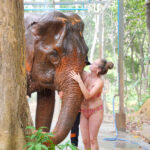
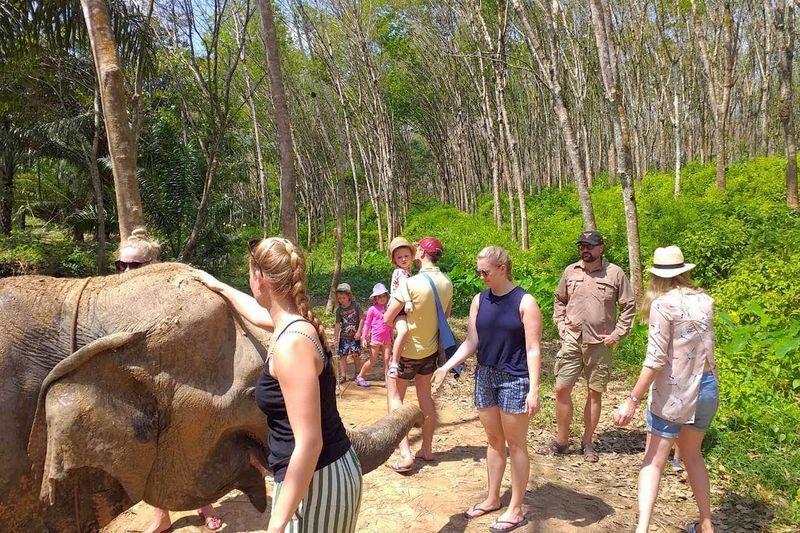
The striking part of this Krabi outing is how close you get to the elephants: walking beside them along a jungle stream, rubbing mud onto their skin, then helping wash them. There is no riding, and the visit is built around feeding and care rather than a ride through the forest.
I like two things in particular: the chance to see elephants in a lush setting near Khao Phanom Bencha, and the practical, hands-on routine that lets you take part instead of watching from a distance. The guides can also help with photos, a real plus when both your hands are busy with fruit or a brush.
One consideration: this is a close-contact experience, including bathing elephants. The sanctuary is described as having passed a welfare assessment, but animal welfare is worth thinking through for yourself. A small number of visitors have also found the activities rushed or felt uneasy about how elephants were handled, so don’t treat the word ethical as a substitute for asking questions and observing carefully.
- What to know before you go
- A forest setting, not a riding camp
- From hotel pickup to the elephant area
- Walking the stream, then applying mud
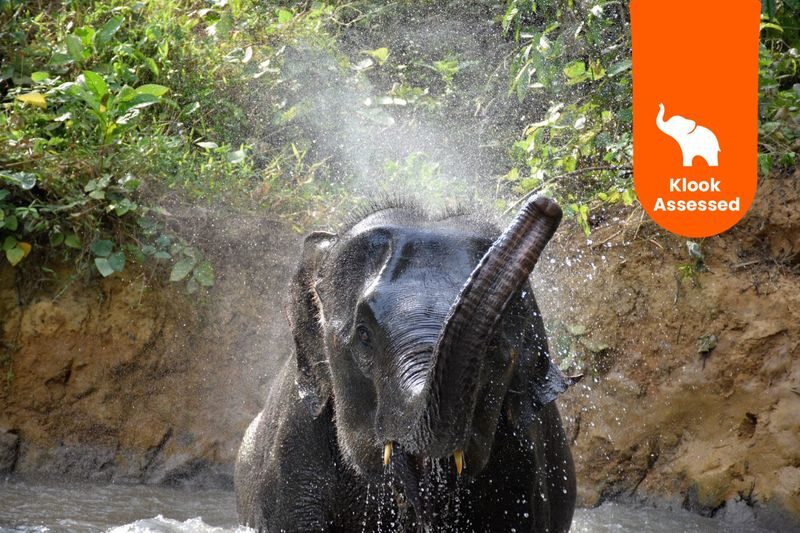
- Bathing and feeding the elephants
- Fruit, timing and what the price covers
- Who will enjoy this visit most
- Should you book Krabi Elephant Care House?
- FAQ
- Is riding included?
- What activities are included with the elephants?
- Where does hotel pickup operate?
- What should I bring?
- Are children aged 0 to 2 charged?
- Can I request a special diet?
- The Best Of Krabi!
- More Tours in Krabi
- More Tour Reviews in Krabi
- Not for you? Here's more nearby things to do in Krabi we have reviewed
What to know before you go
 1 / 8
 2 / 8
 3 / 8
 4 / 8
 5 / 8
 6 / 8
 7 / 8
 8 / 8
- Walk beside elephants along a stream: The guided walk is scheduled for about 45 minutes and gives you time to follow the animals through the forest setting.
- Get ready for mud and water: You’ll apply a muddy treatment, then help bathe the elephants. Bring swimwear, walking shoes and a spare shirt.
- Feed them fruit and prepared food: Pineapples and bananas are named as treats; the visit also includes feeding and making food.
- Expect a half-day outing: Morning pickup is between 8:00 and 8:45, with return planned for about 12:30 to 1:00.
- Pickup covers several Krabi areas: Hotel transfers are offered in Ao Nang, Krabi Town, Ao Nam Mao, Klong Muang and Tubkaek Beach.
- Prices vary by package: Morning, late-morning and afternoon visits are offered. The stated starting prices differ, so check the total at booking.

👉 See our pick of the 13 Best Workshops And Classes In Krabi
A forest setting, not a riding camp
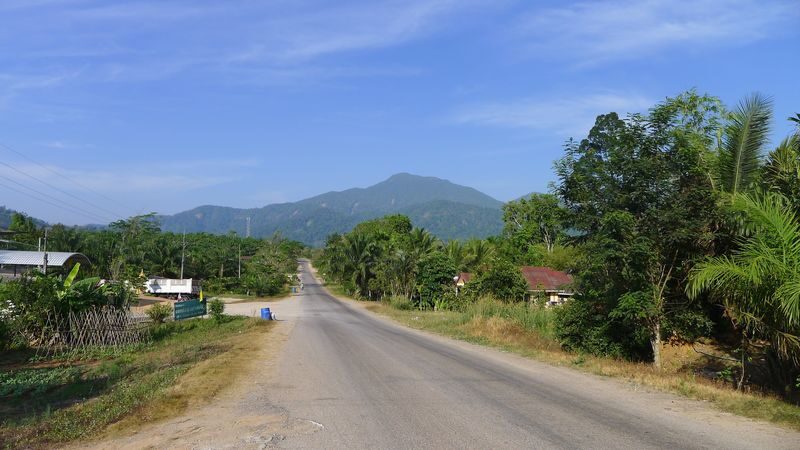
Krabi Elephant Care House sits in Thab Prik, in the foothills of Khao Phanom Bencha, Krabi’s highest mountain area. The surrounding national park is known for forest, waterfalls and caves, and the centre presents the visit as a chance to meet elephants in a more natural setting.
The elephants are described as belonging to local families and being cared for as part of the community. That local connection is part of the appeal: you’re not just seeing an animal in a field, but taking part in a routine that the centre frames around care, feeding and bathing.
The experience is decidedly hands-on. You walk near the elephants, help apply mud, and get into the water with them. That closeness is exactly what many people want from an elephant visit, but it also makes the ethical question more important. An assessment and a no-riding policy are useful signs, yet bathing and touching are still forms of direct human contact. I’d pay attention to whether the elephants appear relaxed, whether they can move away, and how staff respond if an animal does not want to take part.
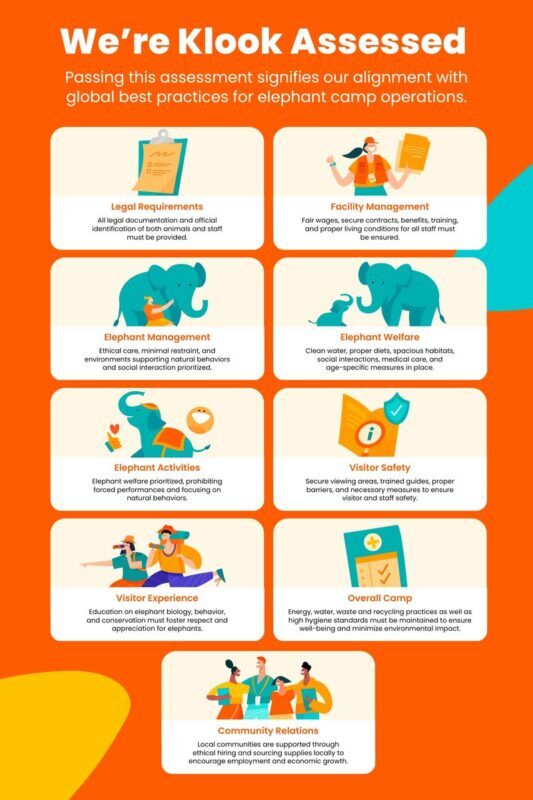
The centre is described as a high-welfare sanctuary that passed Klook’s onsite welfare assessment. Treat that as one piece of information, not a promise that every visitor will have the same impression. If you prefer to observe wildlife without touching or bathing it, a hands-off visit may suit you better.
You can also read our reviews of more tours and experiences in Krabi.


From hotel pickup to the elephant area
The morning package starts with hotel pickup between 8:00 and 8:45. The exact time is confirmed after booking, and the operator is meant to reconfirm it in advance. Pickup is listed for hotels in Ao Nang, Krabi Town, Ao Nam Mao, Klong Muang and Tubkaek Beach.
The drive is shown as about an hour in the schedule, though the centre is also described as roughly 15 minutes from Krabi Town. Those figures may reflect different starting points and traffic; your trip depends on where you are staying. One practical wrinkle: a visitor staying on a hill found the vehicle would not come up to the hotel. Confirm the pickup point if your accommodation has difficult access, rather than assuming the van can reach every entrance.
On arrival, allow about 15 minutes to meet the guide and change clothes. Staff provide guidance in English, Chinese or Thai, and English-speaking staff and a professional driver/guide are included. Several visitors have singled out a guide named Cookie for clear English, a warm manner and help taking photos. Guide assignments can vary, so don’t count on meeting a particular person.
The group size can be modest. One visitor described a group of about 10 to 12, while other visits had fewer people and felt nearly private. Group size is not guaranteed, but smaller numbers can make it easier to take turns feeding and washing the elephants.
Walking the stream, then applying mud
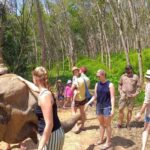
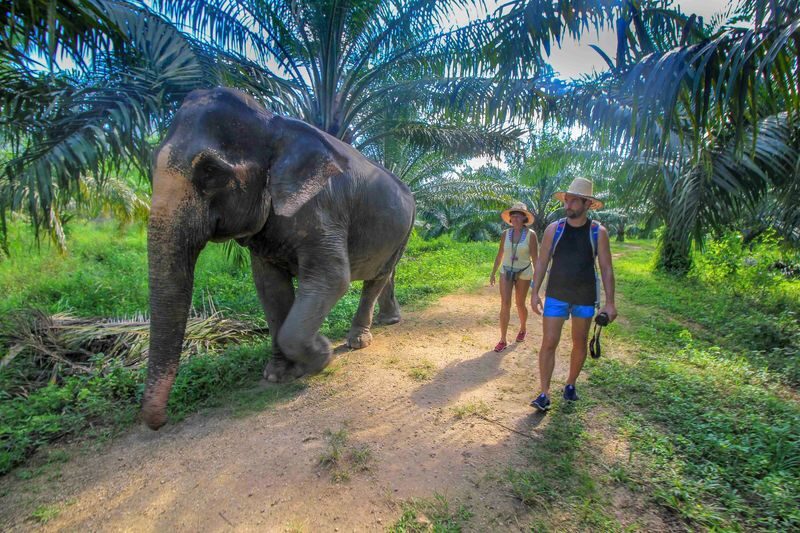
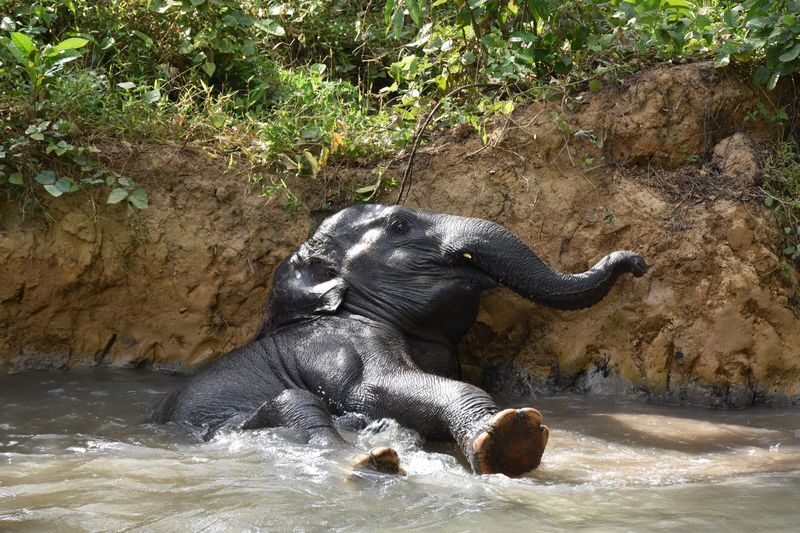
The first substantial activity is a guided walk along a stream, scheduled for about 45 minutes. You follow the elephants through a forested setting, rather than sitting on their backs or watching from a vehicle. The setting and pace are part of the experience: you can observe how the elephants move and behave as they wade and walk.
After the walk, there is a short, roughly 15-minute muddy treatment. You help spread mud over an elephant’s skin. It’s an unusual activity, and it’s not a neat one. Mud, wet clothes and close contact are part of the deal, so wear clothes you don’t mind getting dirty and follow the guide’s directions.
Some visitors have found parts of the schedule a little rushed, and the time allocated to the mud stage is brief. Keep expectations grounded: this is a half-day group outing with a sequence of activities, not a long, unhurried study of elephant behaviour.
Bathing and feeding the elephants
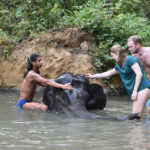
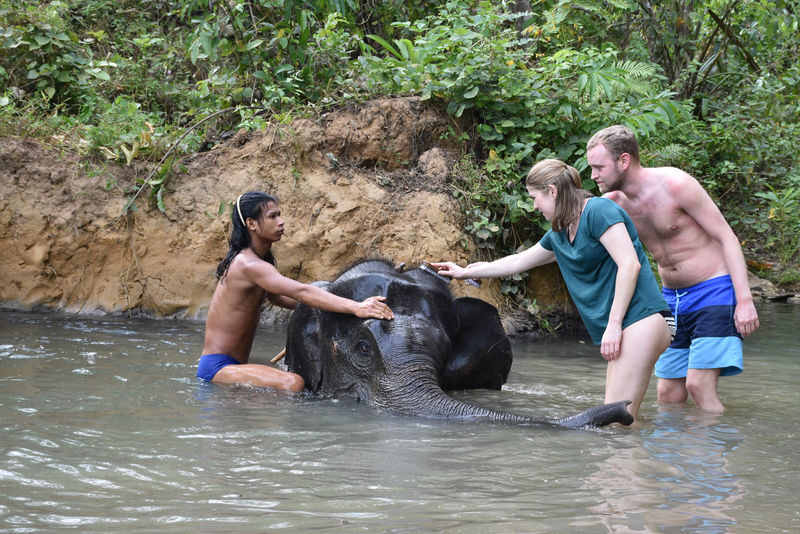
The longest activity is about an hour for bathing and feeding. You enter the water with the elephants and help wash their bodies. Staff guide the process, and brushes may be used. This is likely to be the most memorable part for anyone who wants direct contact, and the most important part to assess in person if animal welfare is your main concern.
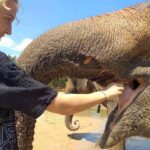
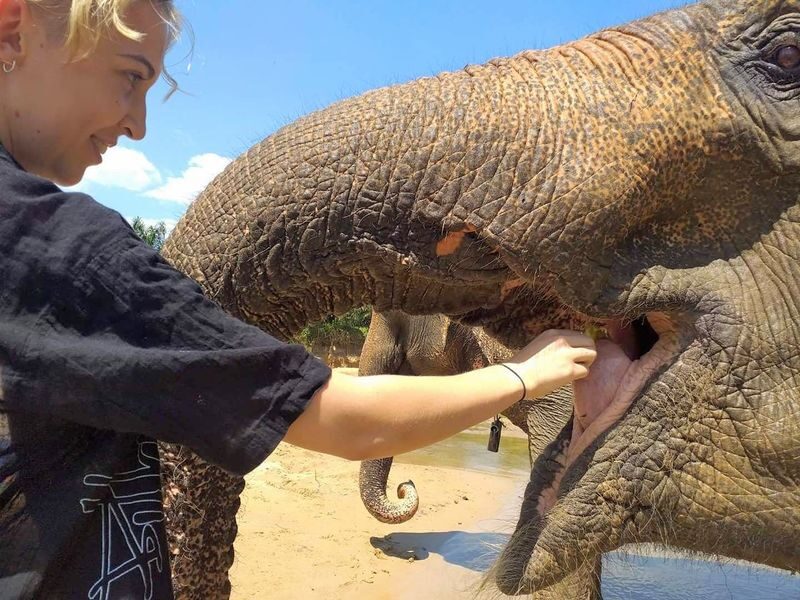
The elephants are also fed. Bananas and pineapples are listed, and the visit may include preparing food or feeding herbs. One account describes elephants being called back with a spoken cue and food rather than being tied, but that should not be taken as a guarantee of what you will see on every visit. Watch how the staff manage the animals and whether each elephant has room to move away.
This is not a ride, and the operator explicitly says the sanctuary offers no riding activity. That is a meaningful distinction in a region where elephant activities can vary widely. Still, no riding does not automatically answer every welfare question. If you are uncomfortable with bathing or touching wildlife, you can decide that this format is not right for you.
The practical side is simple: bring a swimsuit, a spare shirt, sturdy walking shoes, sunscreen and insect repellent. A hat and sunglasses are useful before and after the water activities. A camera is welcome, but you may want to ask staff to take photos so you can keep both hands free.
Fruit, timing and what the price covers
The schedule ends with about 30 minutes for snacks and seasonal fruit. That’s a welcome pause after the physical activities, though the menu depends on the season and what ingredients are available. Drinking water and refreshments are included, and dietary needs listed as accommodated include halal, vegetarian, vegan, lactose-free and gluten-free diets. Tell the operator about your requirements when arranging the visit.
Morning, late-morning and afternoon packages are available. The supplied prices are inconsistent: package options are shown from US$55.19, while the experience summary gives a starting price of US$60.69. Check the final booking total, including the date and selected package, before paying.
The value comes from more than the time spent at the centre. Admission, a guide, round-trip transfers from listed areas, drinking water, refreshments, seasonal fruit and operator-provided insurance are included. For a family or couple staying in one of the pickup zones, having transport arranged can make the outing simpler than organising a separate trip.
At the same time, this is a compact experience. The listed activities add up to roughly three hours at the centre, with transport on top, and one visitor felt the actual visit was shorter than expected. Traffic and weather can change the schedule. If you want a full day of wildlife observation or detailed conservation education, this may feel limited. If you want a half-day with close interaction and transport included, the price can make sense.
The package has a strong overall rating of 4.7 out of 5 from 31 ratings, though individual experiences have differed. People have especially valued the close contact, kind staff, useful guides and the chance to feed and wash the elephants. The main cautions are occasional rushed timing, uneven detail in the explanations and concerns about whether the elephants are comfortable with the activities.



Who will enjoy this visit most
This tour suits you if you want an active, tactile elephant experience and are comfortable getting wet and muddy. Families may find feeding and bathing engaging, and children aged 0 to 2 are listed as free. The activity is not recommended for people with heart disease or other serious medical conditions.
It is also a reasonable choice if you’re staying in one of the pickup areas and want transfers bundled with the visit. The smaller groups described on some departures can help make the activities feel less crowded, though group size may vary.
It is less suited to you if you want a quiet, hands-off wildlife encounter, a long conservation talk, or a visit where you can be certain that no human-led interaction takes place. Before joining, you can ask the operator how the elephants can opt out of bathing and feeding, and what care they receive outside visitor hours. A clear answer should help you decide whether the experience fits your standards.
Should you book Krabi Elephant Care House?
Book it if your priority is a half-day of close contact: a stream walk, mud treatment, bathing and feeding, with hotel transfers included from several parts of Krabi. The no-riding policy, local-family care model and reported helpful guides are positives, and the schedule offers plenty to do in a short visit.
Pause if you’re uneasy about hands-on wildlife experiences. The sanctuary’s welfare assessment is encouraging, but it does not remove the need to judge the setup for yourself. Check the final price, confirm your pickup point, and bring clothes for water and mud. If those details suit you and you’re comfortable with the format, this can be a memorable way to spend a Krabi morning.
Krabi Elephant Care House Experience
“It was my first time getting so close to and interacting with elephants, so it was a wonderful experience. They seemed to really enjoy it when we h…”
FAQ
Is riding included?
No. The sanctuary does not offer riding.
What activities are included with the elephants?
The visit includes a guided walk along a stream, a muddy treatment, bathing with the elephants and feeding them. Food may include fruit, herbs or prepared treats.
Where does hotel pickup operate?
Pickup is offered from hotels in Ao Nang, Krabi Town, Ao Nam Mao, Klong Muang and Tubkaek Beach. The exact time is confirmed after booking.
What should I bring?
Bring sunscreen, a sun hat, sunglasses, swimwear, an extra shirt, walking shoes, a camera and insect repellent.
Are children aged 0 to 2 charged?
No. Children aged 0 to 2 are listed as free.
Can I request a special diet?
The activity lists halal, vegetarian, vegan, lactose-intolerant and gluten-intolerant dietary requirements as accommodated. Share your needs with the operator in advance.