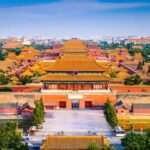
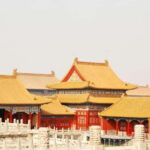
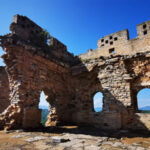
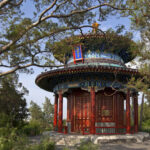
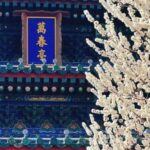
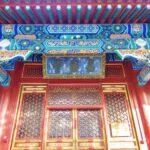
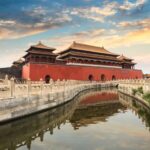
Jingshan Park’s central hill puts Beijing’s imperial heart at your feet. From Wanchun Pavilion, you can look south across the roofs of the Forbidden City and follow the old city’s central axis. The hill is artificial, but the view feels anything but small.
I like two things about this ticket: you get a low-cost way to reach one of Beijing’s best-known viewpoints, and the electronic audio explanation gives you historical context without tying you to a group or a fixed pace. The park’s old trees, peonies in bloom, and imperial past add more than a photo stop.
The main caution is practical: an English-language ticket holder reported that the QR code was rejected at the entrance because of an incorrect time slot, and had to buy another ticket. Before you go, check the voucher carefully for its date and any time requirement.
- Key points before you go
- Jingshan’s hill, built for a better view
- From the entrance to Wanchun Pavilion
- What the electronic audio explanation adds
- A ticket detail worth checking twice
- Choosing an entrance and getting there
- Timing, seasons, and the best use of your visit
- Who should book this park ticket
- FAQ
- How long should I allow for Jingshan Park?
- What does the ticket include?
- Is the audio guide a live tour?
- What can I see from Wanchun Pavilion?
- What are the park’s opening hours?
- Are the halls and temples open for the same hours as the park?
- What identification should I bring?
- Can the QR code have an entry-time problem?
- The Best Of Beijing!
- More Tickets in Beijing
- More Tours in Beijing
- More Tour Reviews in Beijing
- Not for you? Here's more nearby things to do in Beijing we have reviewed
Key points before you go
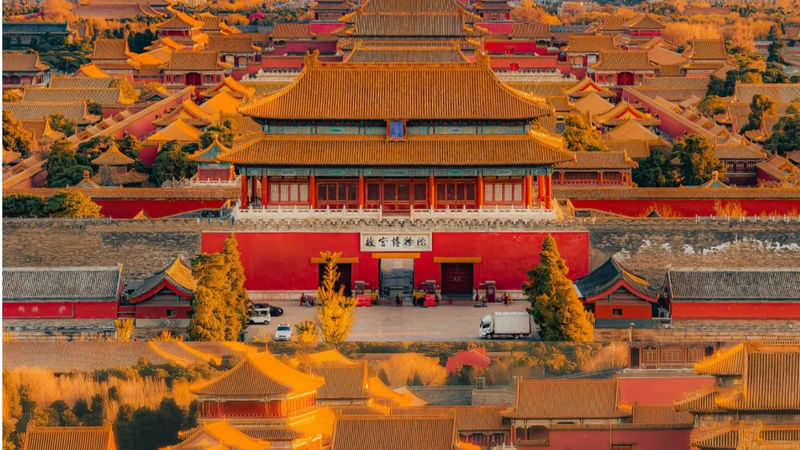
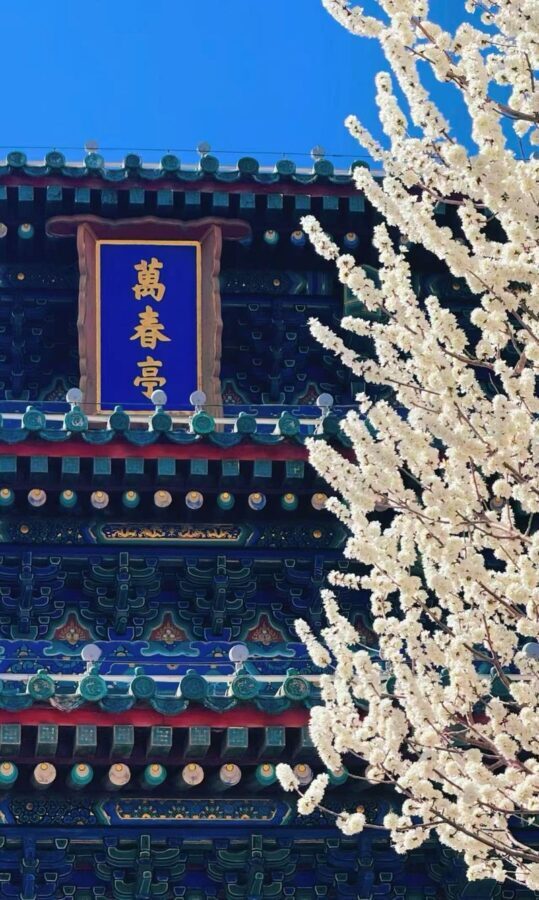
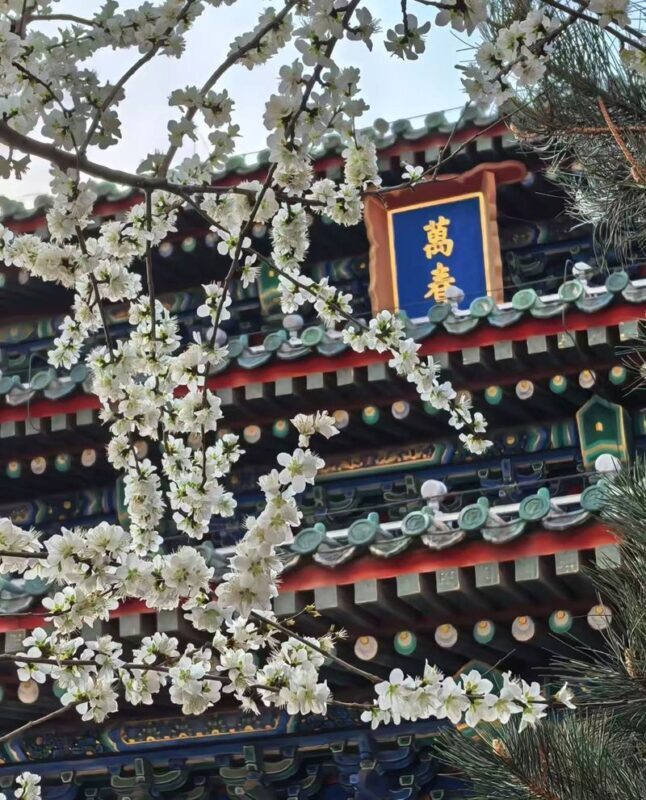
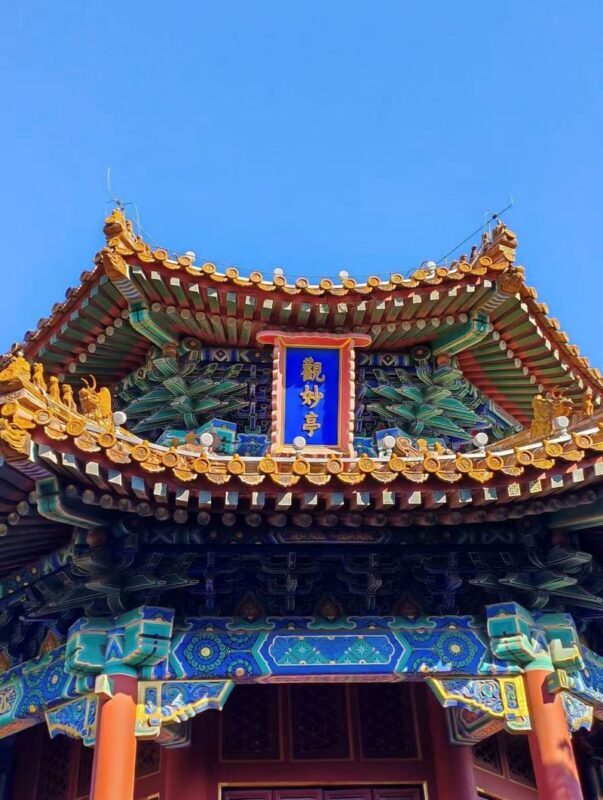
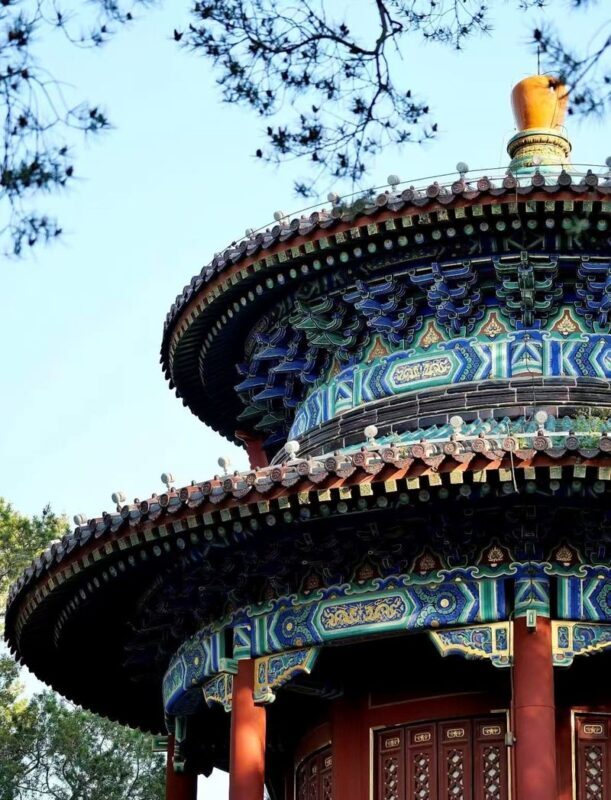
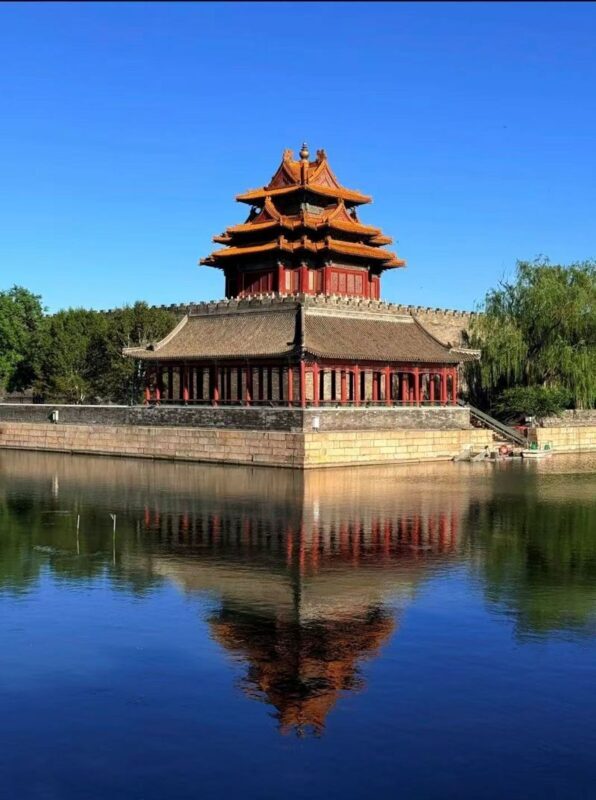
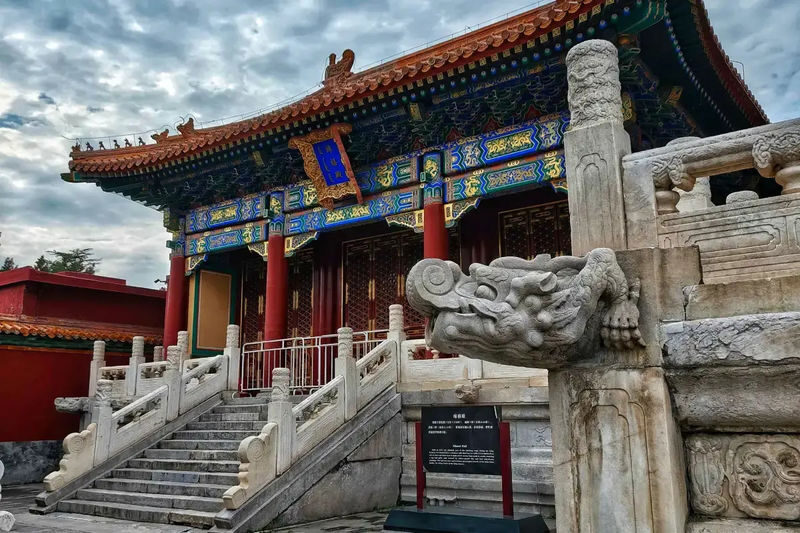
- The main reward is the view: Wanchun Pavilion, on the central peak, looks over the Forbidden City and Beijing’s central axis.
- This is a self-guided visit: Admission includes an electronic explanation, not a live guide.
- Plan for 1 to 2 hours: You can climb to the pavilion and spend time among the park’s historic trees and garden paths.
- The park has a long imperial past: It served as an imperial garden in the Ming and Qing dynasties, and its hill is more than 800 years old.
- Check the voucher time slot: One ticket holder encountered an entry problem when the QR code did not match the required time.
- Opening times change by season: Last entry is 30 minutes before closing, and some courtyards close on Mondays.
👉 See our pick of the 25 Best Shopping Tours In Beijing
Jingshan’s hill, built for a better view
Jingshan sits in Xicheng District on Beijing’s central axis, directly north of the Forbidden City. The park’s position makes its summit a natural place to pause after visiting the palace, or a useful first stop if you want to see the scale and layout of the old imperial center from above.
The hill itself is man-made. It was once called Wansui Mountain or Mei Mountain and has a history of more than 800 years. That gives the climb a different feel from a hilltop viewpoint in a natural park: you are standing on a feature created as part of the city’s imperial setting.
Jingshan served as an imperial garden during the Ming and Qing dynasties. The park’s old trees and peonies are part of the visit, but the central peak is the clear draw. From Wanchun Pavilion, the view takes in the Forbidden City’s rooflines, the central axis, and the broader sweep of Beijing. On a clear evening, the sunset can add another reason to linger.
There is also a darker historical note. Chongzhen, the last emperor of the Ming dynasty, died by suicide at Jingshan. That history gives the park more weight than a simple lookout point, though the visit remains an open-air garden experience rather than a formal museum tour.
You can also read our reviews of more tours and experiences in Beijing
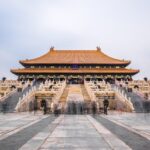

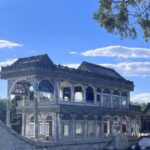
From the entrance to Wanchun Pavilion
Set aside about 1 to 2 hours for the park. Your exact route and pace are up to you, since this is admission with an electronic explanation rather than a guided group itinerary. You can head for the central peak, pause for views along the way, and explore the paths and historic features that interest you.
The central climb leads to Wanchun Pavilion, the high point of the visit. From there, look south toward the Forbidden City. The roofs and courtyards make more sense when seen together: this is a chance to read the imperial city’s scale and central layout in a single glance, rather than seeing one palace hall at a time.
The pavilion is also a useful place to get your bearings. The Forbidden City lies immediately across the street to the south, so the view helps connect the park to the palace complex and Beijing’s old central axis. If you are visiting both, Jingshan can provide a strong overview after time spent among the palace buildings.
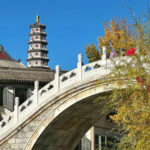
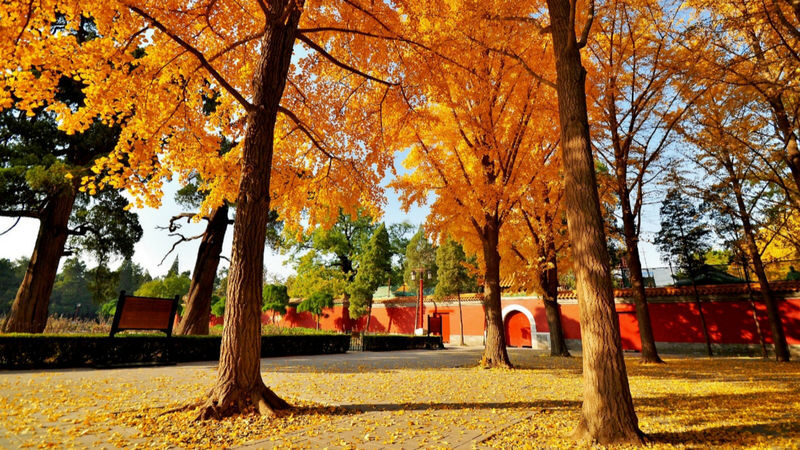
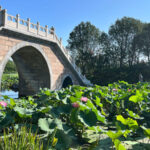
Away from the summit, Jingshan’s garden character matters. Ancient trees and seasonal peonies offer a change of pace from the formal stone and painted woodwork of the Forbidden City. The blossoms are seasonal, so do not plan your visit around peonies unless you have checked local conditions. The park’s older trees and paths are a year-round part of its appeal.
There are also sites within the park, including Shousi Hall, Guande Hall, and Huguo Zhongyi Temple. These have separate opening hours from the park itself: they open at 8:30, stop admitting visitors at 16:30, and close at 17:00. They are closed on Mondays, except public holidays. If one of these sites matters to you, plan your timing around its shorter schedule rather than the park’s later evening closing.
What the electronic audio explanation adds
The ticket includes an electronic explanation service, available in multiple languages. It is not a live guide, so you should not expect a person to lead the walk, answer questions, or adjust the account to your interests. That distinction matters if you want conversation or close interpretation.
For an independent visit, the audio can help give the hill and its surroundings context. It lets you move at your own pace and spend longer where the view catches your eye. The supplied information does not specify the exact languages available for every ticket option, so check the language shown for your chosen package before buying.
The electronic explanation is most useful as a companion to the view, not a replacement for looking around. At the pavilion, take time to identify the Forbidden City and trace the central axis across the rooftops. In the garden, notice how the park shifts from a broad city outlook to trees, paths, and smaller historic sites.
The package is listed from $3.45, which makes it an inexpensive way to add a significant viewpoint to a Beijing day. Its value depends on what you need. If you mainly want park access and the view, the modest starting price is appealing. If you want a human guide or a fully planned tour, this is not that product.
A ticket detail worth checking twice
The most important booking issue is the voucher. The ticket is valid only for the selected date and, where applicable, the selected time. One English-ticket holder reported that the QR code was refused at the entrance because the time slot was incorrect, even though no time slot had been evident during purchase. That person had to purchase another ticket at the park.
This is one reported problem, not proof that every ticket will fail. Still, it is a concrete risk worth preparing for. Read the voucher details and any new email sent after ordering, confirm that the date and time match your plans, and bring the original identification document used for the appointment booking. Redemption is at the Jingshan Park ticket office.
The product offers 24-hour confirmation and booking for the following day, but that does not remove the need to check the final voucher. The ticket is date-specific, and cancellation terms are restrictive: cancellation before 17:00 on the day before use results in a 50 percent deduction, while cancellation after that time results in a full deduction. If only one ticket in a booking is used on the day, partial refunds are not supported.
Choosing an entrance and getting there
The meeting point is Jingshan Park in Xicheng District. There are several gates, and the listed bus routes differ by entrance, so choose your gate based on where you are coming from rather than treating the park as if it had one single arrival point.
For the South Gate, take trolleybus routes 101, 103, 109, or 124, bus routes 68 or 58, or tourist special line 1 or 2. Get off at Forbidden City Station and walk about 200 metres.
For the East Gate, take bus 111 or 58, or trolleybus 124, to Jingshan Park East Gate, then walk about 200 metres north. For the West Gate, bus 5 or 58 goes to Xibanqiao Station, about 50 metres from the entrance.
Allow extra time for entrance security. Parcels and carried items are checked for prohibited or dangerous objects, including flammable items, explosives, controlled knives, drones, and model aircraft. Security checks may slow entry, and temporary crowd controls can also affect access to the entrance or mountain paths. Follow staff directions and leave prohibited equipment behind.
You can also read our reviews of more guided tours in Beijing

Timing, seasons, and the best use of your visit
In peak season, the park is open from 6:00 to 21:00, with last entry at 20:30. In the off-peak season, it opens at 6:30 and closes at 20:00, with last entry at 19:30. Because the specific calendar dates for peak and off-peak seasons are not provided here, check the current park schedule before setting out.
The extended park hours give you flexibility. An early visit can make it easier to fit Jingshan around a palace visit or other city plans. An evening visit offers the possibility of sunset over Beijing, but do not arrive close to closing if you want time to climb, listen to the audio, and enjoy the view.
The courtyards and sites inside the park have a much shorter day than the general park grounds. They stop entry at 16:30 and close at 17:00, and they are shut on Mondays except public holidays. If you arrive late, you may still have time for the main hill and viewpoint, but not those interior sites.
Age categories are listed as an adult ticket for ages 18 through 59, and a concession ticket for ages 1 through 17 and 60 and above. Check that you select the right category for each person in your party.
Who should book this park ticket
I would consider this ticket if you want a simple, inexpensive way to see the Forbidden City from above and are comfortable exploring on your own. It suits independent visitors, anyone with limited time who wants a strong city view, and people who prefer to set their own pace rather than follow a group schedule.
It is also a good pairing with a visit to the Forbidden City, since the park sits just across the street to the north. The viewpoint gives you a broader sense of the palace and central axis after, or before, you see the details at ground level. If you are particularly interested in imperial history, the park’s role as a former imperial garden and the story of Chongzhen add meaning to the setting.
I would skip this option if you need a live guide, detailed personal interpretation, or a ticket with no uncertainty about the time slot. The audio is electronic, and the single reported QR-code problem makes it sensible to verify the voucher before travelling to the gate. The low price is attractive, but a bargain loses its shine if you have to buy admission twice.
Jingshan Park admission ticket + Electronic Audio Guide (multi-language options available)
FAQ
How long should I allow for Jingshan Park?
Plan for 1 to 2 hours. That gives you time to climb to Wanchun Pavilion and spend time in the park.
What does the ticket include?
It includes Jingshan Park admission and an electronic explanation service. Other expenses within the park are not included.
Is the audio guide a live tour?
No. It is an electronic explanation service, not a manual or live guide. Multiple language options are available.
What can I see from Wanchun Pavilion?
The central peak pavilion offers a view of the Forbidden City, Beijing’s central axis, and the city. Sunset may also be visible from the park.
What are the park’s opening hours?
Peak-season hours are 6:00 to 21:00, with last entry at 20:30. Off-peak hours are 6:30 to 20:00, with last entry at 19:30.
Are the halls and temples open for the same hours as the park?
No. Shousi Hall, Guande Hall, and Huguo Zhongyi Temple open at 8:30, stop entry at 16:30, and close at 17:00. They are closed on Mondays except public holidays.
What identification should I bring?
Bring the original identification document used for the appointment booking. The ticket is redeemed at the Jingshan Park ticket office.
Can the QR code have an entry-time problem?
One ticket holder reported that a QR code was rejected because of an incorrect time slot. Check the date and any time information on your voucher and follow-up email before you go.