At Hunter Valley Wildlife Park, you can see lions, giraffes and Australian animals at close range without taking on a sprawling zoo. The compact site suits a relaxed visit, especially if your day in the Hunter Valley includes other plans.
I like two things in particular: the keeper talks, which give the visit a useful rhythm, and the chance to get close to animals such as kangaroos and goats. Giraffe and capybara encounters are also among the park’s signature experiences, though special encounters cost extra.
The trade-off is scale. You can see a good range of animals in two or three hours, but this is a small wildlife park, not a full-day zoo. Paths may also feel dusty, and parking can be limited at busy times.
- What to know before you go
- Close-up wildlife in a compact park
- Make the keeper talks part of your route
- From kangaroos to giraffes, choose your level of interaction
- A conservation message, not just a photo stop
- Two or three hours is a sensible plan
- Getting there, getting around and family practicalities
- Is the ticket good value?
- Who should book Hunter Valley Wildlife Park?
- FAQ
- How long should I allow for Hunter Valley Wildlife Park?
- What time does the park open?
- What time are the keeper talks?
- Does general admission include animal feeding?
- Where is Hunter Valley Wildlife Park?
- Is parking included?
- Is the park accessible by wheelchair or stroller?
- Do children need a ticket?
- How do I use the ticket voucher?
- The Best Of New South Wales!
- More Tickets in New South Wales
- More Tours in New South Wales
- More Tour Reviews in New South Wales
- Not for you? Here's more nearby things to do in New South Wales we have reviewed
What to know before you go
- The lion talk is at 11:30: Pair it with the 11:00 meerkat talk for a strong start to your visit.
- General admission is the basic ticket: Animal encounters and animal food are not included.
- The park is compact: You can see plenty without covering a long distance, a plus for families with young children.
- There is more than Australian wildlife: Lions, giraffes, meerkats, monkeys and other animals add variety to the visit.
- Allow two to three hours: Stay longer if you want to attend talks and take your time with the exhibits.
- It is at 138 Lomas Lane in Nulkaba: Parking is available, though extra street spaces may be useful when the car park is full.

👉 See our pick of the 25 Best Tours In New South Wales
Close-up wildlife in a compact park
Hunter Valley Wildlife Park is a manageable stop for people who want an animal-focused outing without giving up most of the day. Set in Nulkaba, at 138 Lomas Lane, the park combines Australian animals with familiar zoo favourites such as lions and giraffes. That mix makes it appealing to children who want to see native wildlife and animals they may know from books or television.
The strongest feature is proximity. The park’s layout puts you close to a range of animals, and some areas let you feed or interact with them. Kangaroos are a particular draw for families, while goats, deer and camels offer other hands-on moments. The exact activities available may vary, so check at the park before counting on a particular encounter.
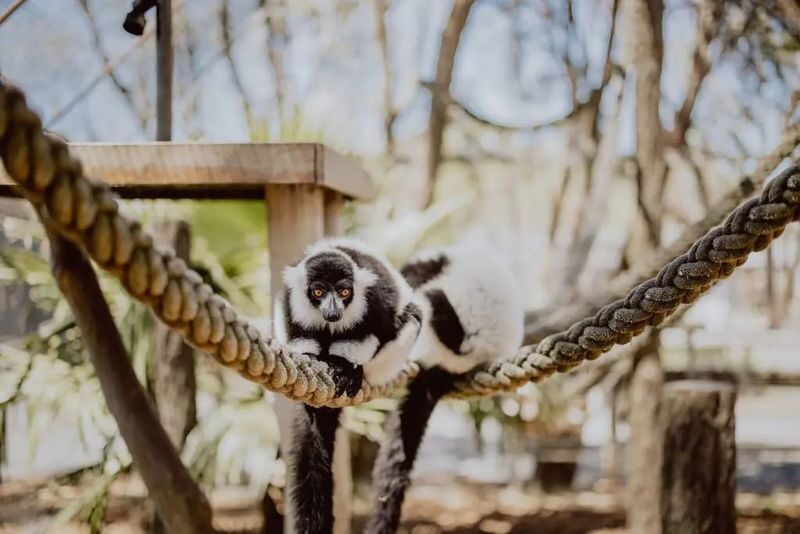
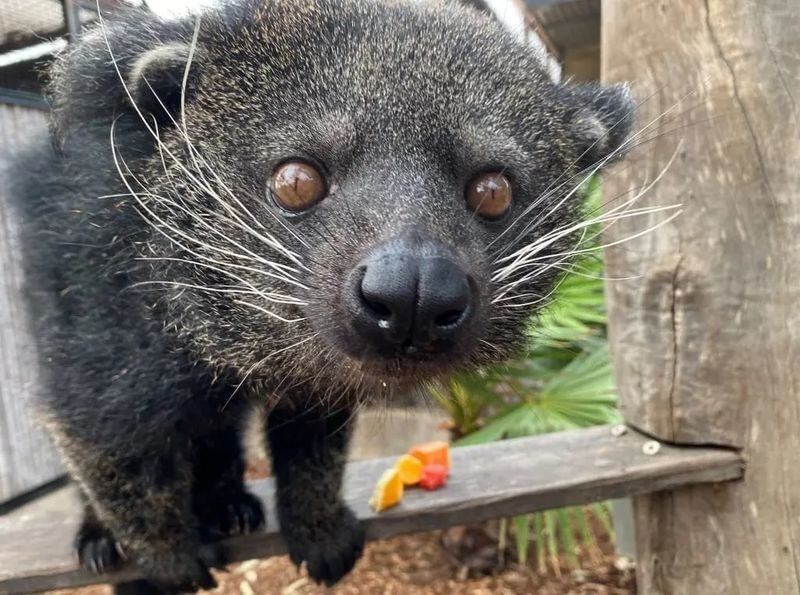
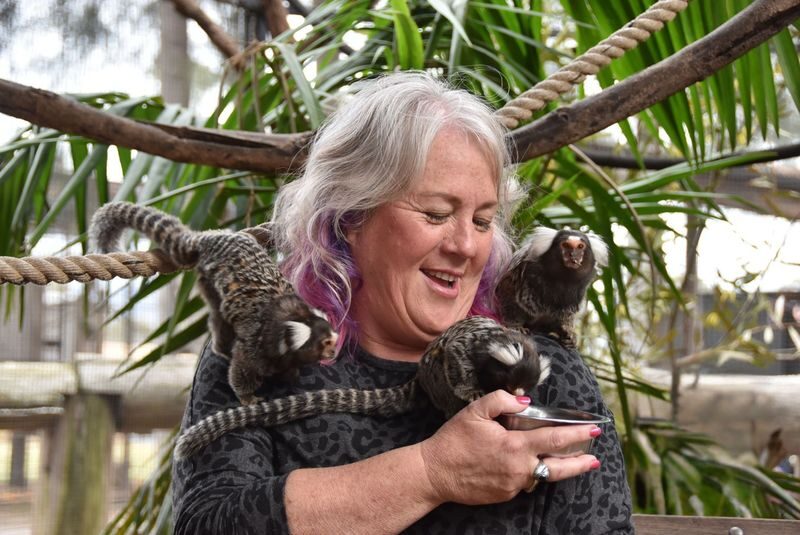
You’ll also find animals that are less common at Australian wildlife parks, including lions, giraffes, meerkats and spider monkeys. Seeing such a range in one relatively small place gives the visit variety, but it does not mean every exhibit will be large or that the park can fill an entire day. Think of it as a relaxed, concentrated wildlife outing.
You can also read our reviews of more tours and experiences in New South Wales

Make the keeper talks part of your route
Daily keeper talks add structure to a visit that you can otherwise take at your own pace. The published schedule lists the meerkat talk at 11:00, the lion talk at 11:30, the spider monkey talk at 12:00 and the koala talk at 12:30. If you arrive in the morning, you can follow these talks in sequence and get more from the animals than a quick look through an enclosure.
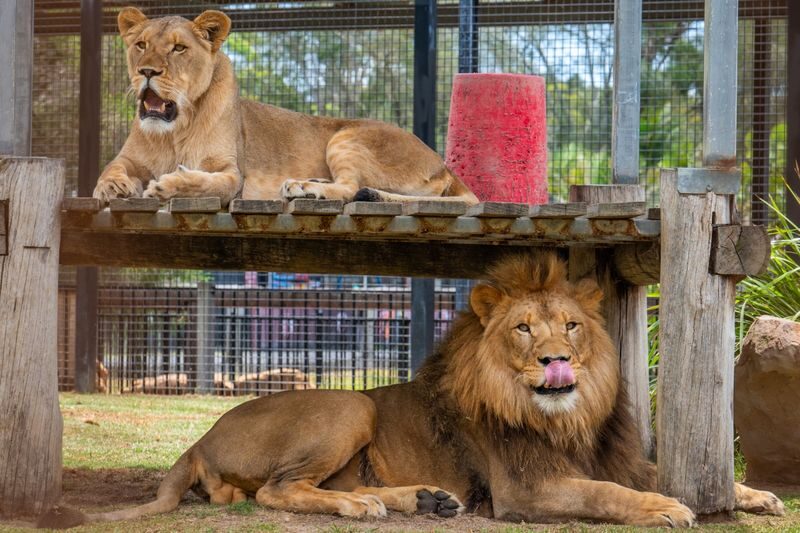
The lion talk is a natural centrepiece. The park promotes a close-up lion encounter, and the scheduled keeper talk gives you a set time to plan around. Some visitors also describe seeing lions fed during the talk, but general admission does not include a separate animal encounter. Ask staff what is happening that day and what your ticket covers.
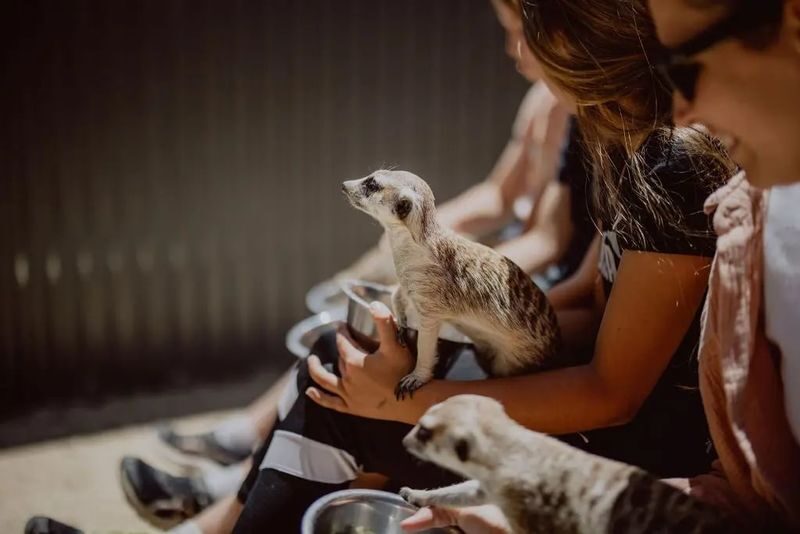
The other talks suit different interests. Meerkats are lively animals to watch, while the spider monkey and koala talks give you a chance to pause and learn about species you might otherwise pass by. Staff are English-speaking, and keeper talks are included with admission. Their value is practical: a short explanation can help children connect an animal’s behaviour with its needs and care.
Talk schedules can shape your timing, so arrive with enough room to get to each one. The park does not provide a detailed route in the ticket information, and you should use the park map on arrival to orient yourself. If a particular talk matters to you, confirm its timing with staff, especially if you arrive later in the day.
From kangaroos to giraffes, choose your level of interaction
A standard ticket gives you access to the park, but it is not an all-inclusive animal experience. Feeding some animals or booking a special encounter costs extra. That distinction matters for families: children may be happy watching animals from the path, while others will see feeding as the highlight and want to spend more.
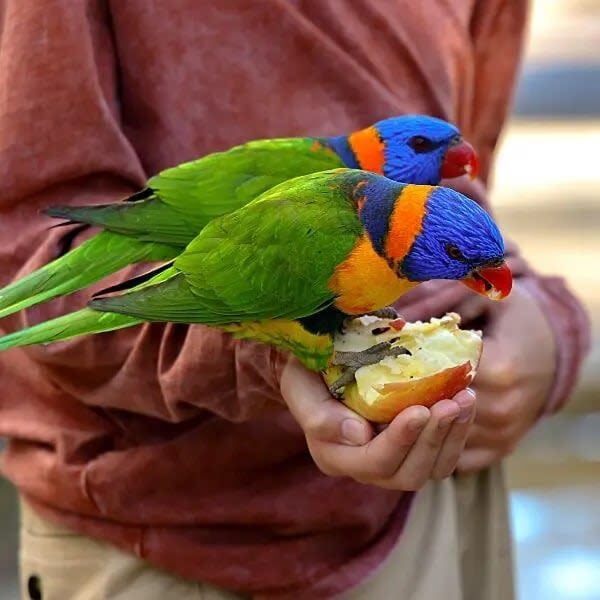
Kangaroo and farm-animal areas are among the most hands-on parts of a visit. You may be able to feed kangaroos, goats, deer or camels, with animal food sold separately. Follow the park’s instructions and use only food supplied for the animals. Feeding is a memorable way to bring children closer to wildlife, but it is an optional extra, not part of the ticket price.
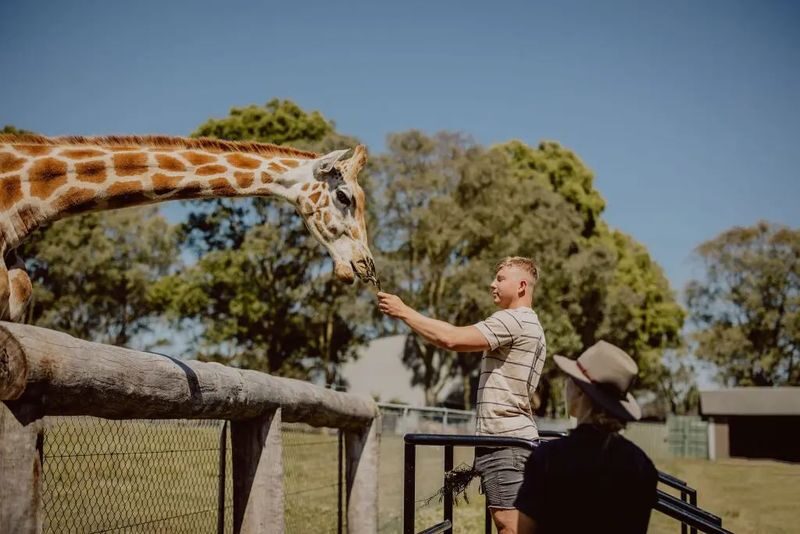
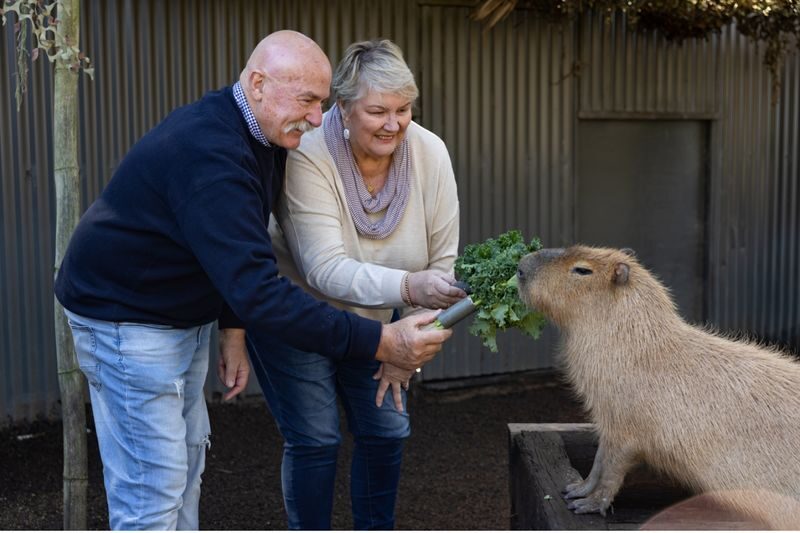
Giraffe feeding and capybara encounters are promoted as special experiences. The thought of sharing a snack with a capybara or offering food to a giraffe is appealing, particularly for animal lovers. But do not assume your general ticket secures a place or includes the food. Check availability and cost before you go, and treat these encounters as a bonus rather than the basis of your visit.
Animal encounters can make a short visit feel more personal, but they are not essential to enjoy the park. You can still spend time watching animals, attend keeper talks and explore at a family-friendly pace with basic admission. If your budget is tight, make the talks and general exhibits your plan, then decide on extras once you know what is available.
A conservation message, not just a photo stop
The park says it supports breeding programs for endangered species and promotes awareness of wildlife conservation. That gives the visit an educational purpose beyond seeing animals at close range. The keeper talks are a good chance to listen for information about animal care and conservation, rather than treating the park as a sequence of photo opportunities.
The ticket information does not name specific breeding projects or explain which endangered species are involved. If you want detail, ask staff during a talk or visit. That is a useful distinction: the conservation focus is part of the park’s stated work, but the general admission experience does not promise a dedicated conservation tour.
For children, the value can be simple and immediate. Seeing an animal close up can prompt questions that a picture rarely does. The park’s interactive style gives parents a natural opening to talk about respectful contact, feeding rules and the difference between observing an animal and handling one.
Two or three hours is a sensible plan
The suggested visit length is two to three hours, and that is a fair target for a compact park. A quick walk through the exhibits may take less time, but keeper talks and animal feeding can stretch the outing. Families with young children may also want pauses, while animal lovers could linger longer at favourite enclosures.
A practical morning plan is to arrive before the 11:00 meerkat talk, then continue to the 11:30 lion talk, noon spider monkey talk and 12:30 koala talk. You can then revisit exhibits or consider an extra encounter if one is available. If you arrive after the scheduled talks, you can still explore the park, but you may miss some of the day’s main educational moments.
The park opens daily from 9:00 to 16:00. It is also open to the public on Christmas Day from 9:00 to 14:00. A ticket’s stated voucher validity runs until 31 December 2030, but that does not change the opening hours or guarantee that a particular animal encounter will be operating on your chosen day.
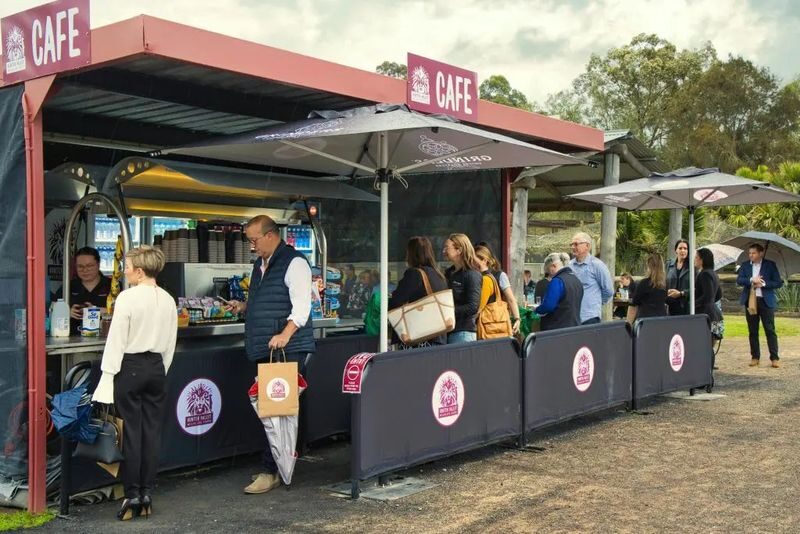
There is a cafe inside, according to information about the park, but meals and drinks are not included in admission. If you are planning a longer stay, check what is available on the day and bring any essentials your family needs. Personal expenses, food and beverages are your responsibility.
You can also read our reviews of more tours and experiences in New South Wales


Getting there, getting around and family practicalities
The meeting point is Hunter Valley Wildlife Park, 138 Lomas Lane, Nulkaba NSW 2325. The ticket includes parking, and additional spaces may be available on the street. One practical caution: the car park has been described as small, so allow a little flexibility during busy periods rather than arriving at the last minute for a talk.
The park is stroller and wheelchair accessible, with flat, wheelchair-friendly pathways reported throughout. Male, female and unisex accessible toilets are available, and baby change tables are located in the accessible toilets. These details make the site more workable for families with babies and visitors who need step-free routes.
Children aged 0 to 2 enter free, but infants and children still need to be included in the passenger headcount when booking. Children aged 0 to 15 must be accompanied by a paying adult. Anyone aged 16 or older is charged at the adult rate.
The park has a strict no-alcohol policy. Anyone who appears intoxicated may be refused entry or service, with no refund in that case. That is easy to avoid: leave alcohol out of your park plans and keep the outing focused on the animals.
Is the ticket good value?
The ticket starts from $21.49, though the final price can depend on the booking details and date. That price is attractive for an outing lasting a few hours, especially if you make use of the included keeper talks and parking. The value improves when you treat the park as a relaxed half-day activity rather than expecting a full-day attraction.
The park’s compact size is both its advantage and its limit. You can cover the grounds without a long march, and children can get from one animal area to another without the day becoming an endurance test. On the other hand, if you want a huge collection of species or enough exhibits to occupy the whole day, you may find the visit short.
Compare the ticket price with what you plan to do. General admission includes entry, English-speaking staff, parking and daily keeper talks, but excludes animal encounters, food and personal expenses. If you add several feeding experiences, your total spend will rise. Book the basic ticket for a straightforward visit; budget extra only if a particular interaction is important to you.
The voucher is presented on your phone and exchanged for a physical ticket at the park. Keep the voucher available when you arrive and check that it has not already been redeemed. If you have any problem at the entrance, speak to staff before leaving the ticket desk.
Who should book Hunter Valley Wildlife Park?
This park is a good fit for families with young children, animal lovers who enjoy close viewing, and anyone looking for a short wildlife stop while in the Hunter Valley. Its accessible paths, regular talks and compact scale make it easier to manage than a large zoo. The mix of Australian animals and species such as lions and giraffes also gives children plenty to look forward to.
It is less suited to someone seeking a full-day zoo visit or a guaranteed encounter with a specific animal. Special interactions cost extra, and the park’s modest size is part of the deal. Plan around the keeper talks, check the day’s encounter options and arrive with realistic expectations.
I’d book if you want a relaxed two-to-three-hour outing with animals, short educational talks and optional feeding experiences. If your main goal is a huge collection or a full day of exhibits, choose a larger attraction instead. For a family stop in Nulkaba, though, the combination of close animal viewing and a manageable route makes this a sensible choice.
Hunter Valley Wildlife Park Ticket
“It's fantastic, small yet beautiful. You don't have to walk far to see various animals. The lion feeding show is very captivating; the lions look h…”
FAQ
How long should I allow for Hunter Valley Wildlife Park?
Plan for about two to three hours. You may need more time if you attend the keeper talks and take part in optional animal encounters.
What time does the park open?
The park is open Monday to Sunday from 9:00 to 16:00. On Christmas Day, it is open from 9:00 to 14:00.
What time are the keeper talks?
The listed schedule is meerkats at 11:00, lions at 11:30, spider monkeys at 12:00 and koalas at 12:30.
Does general admission include animal feeding?
No. Animal encounters and animal food are not included in the general ticket. Food for animals is sold separately.
Where is Hunter Valley Wildlife Park?
It is at 138 Lomas Lane, Nulkaba NSW 2325, Australia.
Is parking included?
Yes, parking is included. Additional spaces may be available on the street, and the car park may be limited in size.
Is the park accessible by wheelchair or stroller?
Yes. The activity is listed as stroller and wheelchair accessible, and flat pathways are available throughout the park.
Do children need a ticket?
Children aged 0 to 2 enter free, but infants and children must be included in the passenger headcount. Children aged 0 to 15 must be accompanied by a paying adult, and those aged 16 or older pay the adult rate.
How do I use the ticket voucher?
Present your mobile voucher at Hunter Valley Wildlife Park and exchange it for a physical ticket.