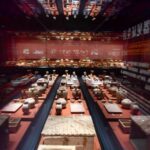
Mawangdui’s 2,000-year-old treasures make Hunan Museum a standout stop in Changsha. The Mawangdui exhibition brings you face to face with delicate silk, lacquerware, ancient maps, and the remarkably preserved remains of a woman from the Han dynasty.
I like two things about this tour: a guide puts the objects in context, and the reservation service takes some of the guesswork out of visiting a popular museum. The group is capped at 15, and the main tour lasts about 90 minutes.
The trade-off is that this is a tightly timed visit, not a full day at the museum. The basic galleries are free to enter with a reservation, so the price is mainly for guided interpretation and booking help. There has also been a reported no-show and communication failure, so confirm your meeting details before setting out.
- The 49-gram gauze robe is a remarkable example of Han-era weaving.
- Mawangdui is the focus, with silk books, painted textiles, lacquerware, and burial objects in the basic exhibition.
- The guided visit lasts about 90 minutes, with no more than 15 people per group.
- The museum’s basic galleries are free with a real-name reservation, which this experience arranges for you.
- Special exhibitions are extra and do not have guided service through this package.
- Monday is closed, and last entry is at 4 p.m.
- Why Mawangdui deserves your time
- The 49-gram robe and other silk treasures
- Lacquerware, maps, and objects made for the afterlife
- What the 90-minute route covers
- What the guide adds, and what it cannot
- What the price buys
- Meeting details, timing, and entry
- Reservations, IDs, and family rules
- Who should book this visit
- Should you book the Hunan Museum tour?
- FAQ
- Is admission to Hunan Museum free?
- What does the guided tour cover?
- How long is the guided visit?
- How large is each group?
- What are Hunan Museum’s opening hours?
- Do I need to bring identification?
- Are special exhibitions included?
- Where do I meet the guide?
- Can I leave the museum and come back in?
- The Best Of Changsha!
- More Museum Experiences in Changsha
- More Tours in Changsha
- More Tour Reviews in Changsha
- Not for you? Here's more nearby things to do in Changsha we have reviewed
Why Mawangdui deserves your time
 1 / 2
 2 / 2
Hunan Museum’s Mawangdui exhibition is not just a collection of old objects. It gives you a close look at daily life, status, craft, and burial customs in China’s Han dynasty. The finds came from three tombs, and more than 3,000 objects were unearthed. Many survived in unusually good condition, which lets you study details that are often lost to time.
The exhibition’s central draw is the woman from Tomb No. 1, whose body and internal organs were preserved. Seeing the remains is a serious, possibly unsettling experience. If you prefer not to view human remains, you can focus on the surrounding displays instead.
I would book this tour if you want an informed introduction rather than a quick walk past labels. Its guide can connect the objects to the tombs and their owners, helping you understand why the collection matters. But if you prefer to move at your own pace, the museum’s basic exhibition is available through free real-name reservations, so a paid guide is not essential.

👉 See our pick of the 2 Best Guided Tours In Changsha
The 49-gram robe and other silk treasures
The plain gauze garment is the exhibit’s showstopper. It measures 1.28 metres, has long sleeves, and weighs only 49 grams. The number sounds almost too slight to be useful, but it points to the extraordinary skill of the weavers who made it. Seeing it in person makes the workmanship easier to grasp than any short description can.
Look for the printed cotton robes and embroidered textiles, too. Their patterns and color offer a glimpse of the skill and taste of the period. The collection also includes delicate painted silk banners and more than 100,000 characters’ worth of silk manuscripts and otherwise lost writings from Tomb No. 3.
A guide-led visit can help you sort the objects into a story: clothing and textiles show craft and status; manuscripts point to the knowledge people wanted to preserve; burial objects reveal what was considered worth carrying into the afterlife. The tour does not promise an exhaustive account of every item, but 90 minutes is enough for a focused introduction.
You can also read our reviews of more museum experiences in Changsha



Lacquerware, maps, and objects made for the afterlife
The exhibition’s appeal goes well beyond clothing. Brightly painted lacquerware, carved wooden figures, musical instruments, and weapons show how many different kinds of object were placed in the tombs. The range makes Mawangdui feel less like a display of isolated masterpieces and more like a record of a whole world of work, ritual, and daily life.
One of the most thought-provoking objects is the topographic map found in Tomb No. 2. Its drawing methods have much in common with modern maps. That does not make it a modern map, of course, but it does show how closely people of the time observed and represented their surroundings.
The musical instruments include the guqin, se, and sheng. If you do not know these instruments, the guide’s explanations can help you place them among the other objects rather than simply pass by their names. That kind of context is where a group tour earns its keep.
What the 90-minute route covers
The package focuses on the Mawangdui Basic Exhibition Hall. Expect the guide to lead the group through key objects rather than give you the freedom to linger wherever you like. A group visit is practical for getting oriented, but it does mean you may want extra time afterward to revisit displays that caught your eye.
The exhibition also includes a reconstructed giant coffin and displays connected with the tombs, including the No. 3 tomb pit and No. 2 burial mound preserved at the Mawangdui site. Together, these details help bridge the gap between the museum cases and the original burial places.
The tour’s listed duration is about 1.5 hours, with guided explanations generally running 60 to 90 minutes depending on the package. The group limit is 15, a sensible size for hearing the guide without turning the visit into a private tour. One named guide, Xiao Zhou, has been praised for clear explanations and for answering questions; guide assignments can vary, so do not count on a particular person.
What the guide adds, and what it cannot
The strongest reason to pay for this experience is interpretation. A robe weighing less than a small apple is impressive on its own, but a good guide can explain the techniques behind it and connect it to the other textiles and tomb objects. The same applies to the manuscripts, instruments, and map: a few useful details can make the collection easier to read.
The guide service is one-to-many, not a private explanation. You can ask questions, but the pace and attention are shared with the group. If you need a slower visit or want to spend a long time at one display, consider using the tour as an introduction and allow more time to explore independently afterward.
The museum’s basic galleries include the Mawangdui exhibition and the Hunan People, Xiang History and Culture exhibition. This package is specifically described as a Mawangdui tour, so do not assume the guide will cover both basic exhibition halls in depth.
What the price buys
The advertised starting price is $11.20. Hunan Museum’s basic exhibition halls are free with a real-name reservation, so this is not simply the cost of entry. You are paying for the reservation service and a guided group visit, which can be good value if you want help understanding the collection or are unsure how to arrange admission.
A paid special exhibition is not included in the basic package. Special exhibitions run periodically and have a reference fee of 50 RMB per person per exhibition. More than one may be open on the day, and the particular exhibition included in a paid package is subject to confirmation. Special exhibitions are self-guided, with no guide service included.
So the value depends on how you like to visit museums. If you are comfortable reading displays and managing a reservation, the free basic entry may suit you. If you value a guide’s narrative and want someone to arrange the reservation, the tour’s price is easier to justify.


Meeting details, timing, and entry
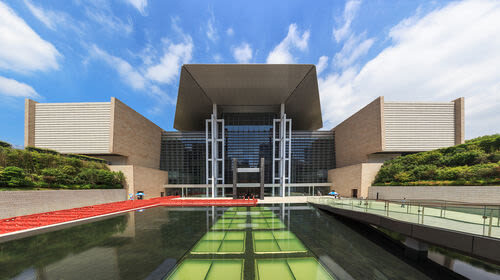
The museum is at 50 Dongfeng Road, Kaifu District, Changsha. The package shown is a 10 a.m. guided tour, but the guide is supposed to send the precise meeting time and location before the visit. Meet outside the museum as instructed, and keep your phone available. Confirm the details rather than relying on an old message or an assumed entrance.
The meeting instructions can vary: the tour information refers to gathering outside the museum and also says the guide may specify the precise meeting point. One reported booking problem involved a guide who did not make contact and did not appear at the stated meeting point. That is a serious concern for a visitor with limited time. Keep any confirmation messages, and contact the tour provider if the meeting information has not arrived by the stated deadline.
Security checks and queues are part of the visit. Entry waits are typically 10 to 30 minutes, may reach an hour in peak season, and can stretch to two hours during major holidays. Arrive early, especially if you are visiting on a holiday, and do not cut it close: late arrival can mean missing the explanation, with no refund for that reason.
The museum is open Tuesday through Sunday from 9 a.m. to 5 p.m., with last entry at 4 p.m. It is closed all day Monday. Re-entry is not allowed after you leave, so plan bathroom breaks and other errands before entering.
Reservations, IDs, and family rules
The basic galleries require a real-name reservation. You must provide each visitor’s correct ID information and bring a valid original ID document. If you cannot enter because the details are wrong or you do not bring the required document, the tour fee is not refunded.
The instructions say mainland Chinese ID holders may enter with their phone number and ID card. Visitors with other documents should meet the guide and enter using a QR code. Children without a mainland ID card need a reservation and must bring an original household registration book or national ID card.
Children aged 14 and under, and seniors aged 75 and over, cannot purchase independently. They must be accompanied by an adult aged 18 to 65. Each adult may bring up to two children under 14. The product is priced per person, at the same rate for all ages, and each person needs a ticket.
Who should book this visit
This tour suits you if Mawangdui is high on your Changsha list and you want a clear, compact introduction to its best-known objects. It is also useful if you prefer having the museum reservation handled for you and like asking questions as you go.
It is less suited to anyone who wants a slow, self-directed museum day. The tour concentrates on one exhibition, moves as a group, and does not include special exhibitions. If you are especially interested in the silk books, maps, or burial customs, you may want time after the guided portion to return to the displays at your own pace.
Should you book the Hunan Museum tour?
Book it if you value a guide’s explanation and want the Mawangdui collection to make sense beyond its most famous robe. The reservation service and 90-minute group visit offer a practical introduction at a modest starting price.
Skip the paid tour if you are happy to arrange the free reservation yourself and prefer to explore without a set pace. In either case, double-check the guide’s meeting instructions, bring the correct original ID, and avoid Monday. Those small steps matter as much as the ticket.
Hunan Provincial Museum
“The tour guide explained everything very well and clearly. They immediately answered any questions we had and were very dedicated. The information…”
FAQ
Is admission to Hunan Museum free?
The basic exhibition halls are free, but they require a real-name reservation. This tour includes a reservation service and guided visit. Paid special exhibitions cost extra unless you choose a package that includes one.
What does the guided tour cover?
The listed package covers the Mawangdui Basic Exhibition Hall. It includes objects from the Han tombs, such as silk clothing, lacquerware, manuscripts, instruments, and burial items.
How long is the guided visit?
The group explanation lasts about 60 to 90 minutes. The package describes the experience as approximately 1.5 hours in total.
How large is each group?
Groups are limited to no more than 15 people.
What are Hunan Museum’s opening hours?
The museum is open Tuesday through Sunday from 9 a.m. to 5 p.m. Last entry is at 4 p.m. It is closed on Mondays.
Do I need to bring identification?
Yes. Bring the original valid ID document used for the real-name reservation. Visitors with documents other than a mainland Chinese ID card should meet the guide and enter using the QR code.
Are special exhibitions included?
Not in the basic package. Special exhibitions require separate payment unless you select a package that includes one. They are self-guided, without tour-guide service.
Where do I meet the guide?
The meeting point is outside Hunan Museum, but the guide provides the specific location and time. Keep your phone available and confirm the details before you leave.
Can I leave the museum and come back in?
No. Re-entry is not allowed after you leave the venue.