Giang Ta Chai’s forest paths are more than a pretty walk: a local Red Dao guide points out medicinal plants, explains their uses, and shows you how they fit into village life. You’ll gather herbs along the way, then use them to prepare a foot bath after lunch.
I like two things in particular: the hands-on introduction to Red Dao herbal traditions makes this more than a standard Sapa hike, and guides such as May have a knack for adapting the pace, offering bamboo walking sticks, and making the walk feel personal. The home-style meal and foot soak give the outing a satisfying finish.
One thing to plan for: trails can be steep, muddy, and slippery after rain. And while the usual package includes lunch and a foot bath, the meal setting and exact bath format may vary, so don’t count on a full-body soak or a formal workshop unless confirmed.
- Herb gathering is part of the walk: Your guide identifies plants and explains traditional uses as you go.
- The trail can get slick: Bamboo walking sticks may be provided, but sturdy shoes you don’t mind muddying are a good idea.
- May is a frequently named guide: She is praised for clear explanations, friendly conversation, and adjusting the pace to suit the group.
- Lunch brings you into local life: It may be served at a family home, though the setting can vary.
- The herbal foot bath is the finale: Make a remedy with ingredients such as ginger, lemongrass, cinnamon, and freshly gathered herbs.
- It runs from morning to mid-afternoon: Hotel pickup is usually between 8:00 and 8:30, with return around 14:30.
- A Sapa hike with a purpose
- From Sapa Town to Giang Ta Chai
- Learning to read the plants along the trail
- What the views add, and what the weather can change
- Lunch offers a pause in the village
- Making the herbal foot bath
- What the price covers
- Who will enjoy this tour most
- Should you book the Red Dao herbal hike?
- FAQ
- Where does the tour go?
- What time does pickup take place?
- When does the tour return?
- Is lunch included?
- Is the herbal foot bath included?
- What should I wear or bring?
- Can children join?
- Is there a holiday surcharge?
- The Best Of Sapa!
- More Guided Tours in Sapa
- More Tours in Sapa
- More Tour Reviews in Sapa
- Not for you? Here's more nearby things to do in Sapa we have reviewed
A Sapa hike with a purpose
 1 / 9
 2 / 9
 3 / 9
 4 / 9
 5 / 9
 6 / 9
 7 / 9
 8 / 9
 9 / 9
Many walks around Sapa are built around views. This one gives you a reason to look closely at the plants underfoot. In Giang Ta Chai, a Red Dao guide introduces medicinal herbs in their natural setting, explains how they are used, and helps you gather some for the foot bath at the end.
That combination is the tour’s strength. You get time outdoors, a small window into Red Dao knowledge and daily life, and a practical activity that links the walk to the bath. It is not a medical course, and you should not treat traditional remedies as a substitute for professional care. But it offers a clear, approachable introduction to a local tradition.
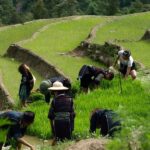
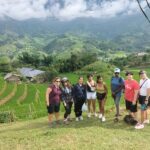
The scenery is a welcome part of the day, too. The route passes through hills and bamboo forest, with views of rice terraces, streams, and, depending on the route, a waterfall. The walk can feel peaceful and rural, though the path is not always gentle underfoot.

👉 See our pick of the 18 Best Guided Tours In Sapa
From Sapa Town to Giang Ta Chai
The day begins with a shared transfer from your hotel in central Sapa or from the meeting point near Notre Dame Cathedral. Pickup is scheduled between 8:00 and 8:30, but the operator confirms your exact time after booking. Because it is a shared transfer, the vehicle may arrive a little early or late.
Your destination is Giang Ta Chai, in the Ta Van area, where the Red Dao community lives. The drive gets you out of Sapa Town and into the countryside without needing to arrange separate transport. That convenience matters: you can focus on the walk rather than figuring out how to reach the trailhead and return.
The planned return is around 14:30, with drop-off at your hotel or personal address. The schedule can shift with traffic and weather, so leave some slack in your plans afterward. This is a half-day outing in name, but pickup and return make it a substantial morning and early afternoon.
You can also read our reviews of more guided tours in Sapa


Learning to read the plants along the trail
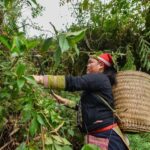
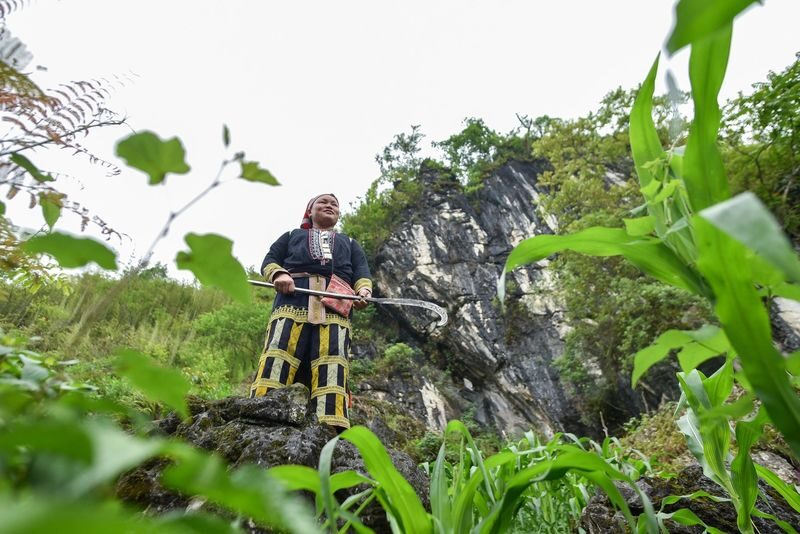
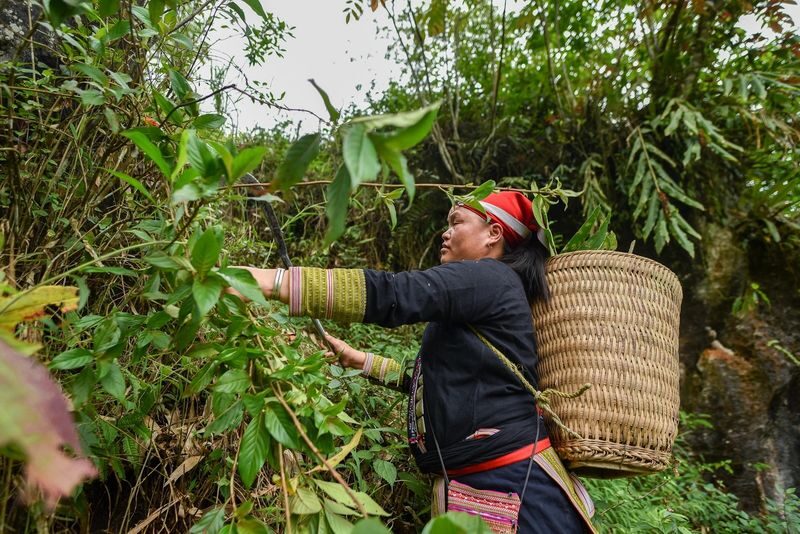
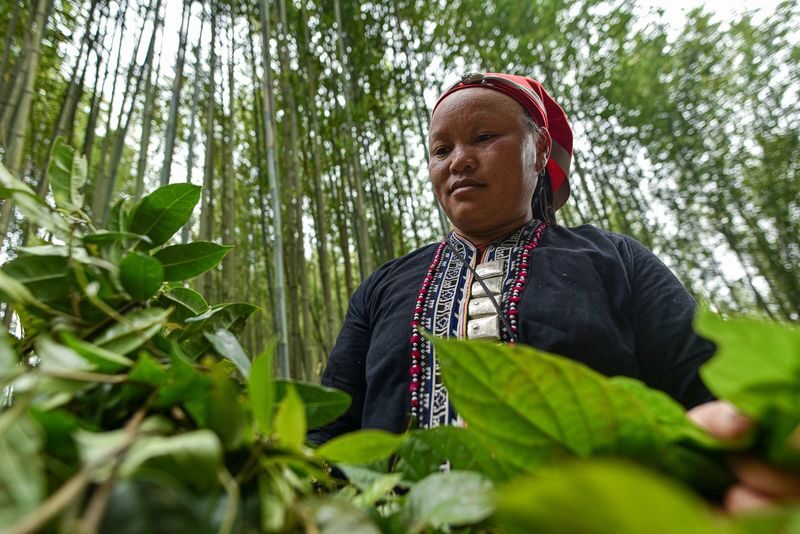
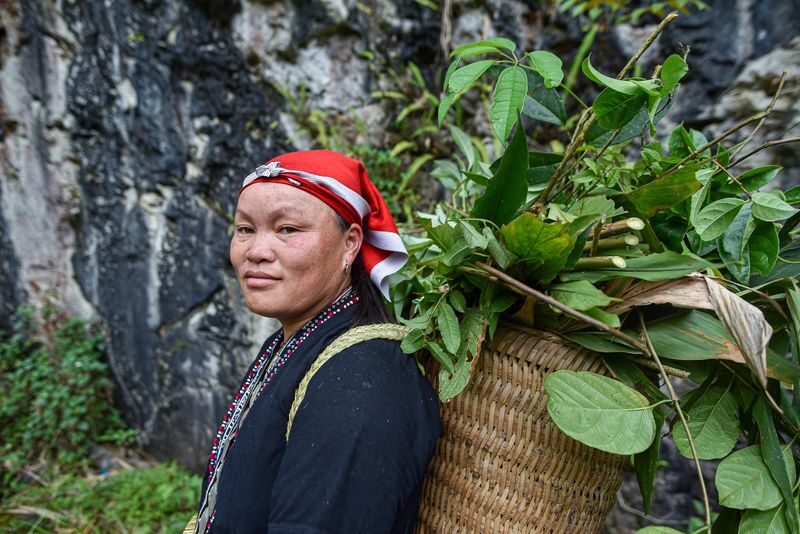
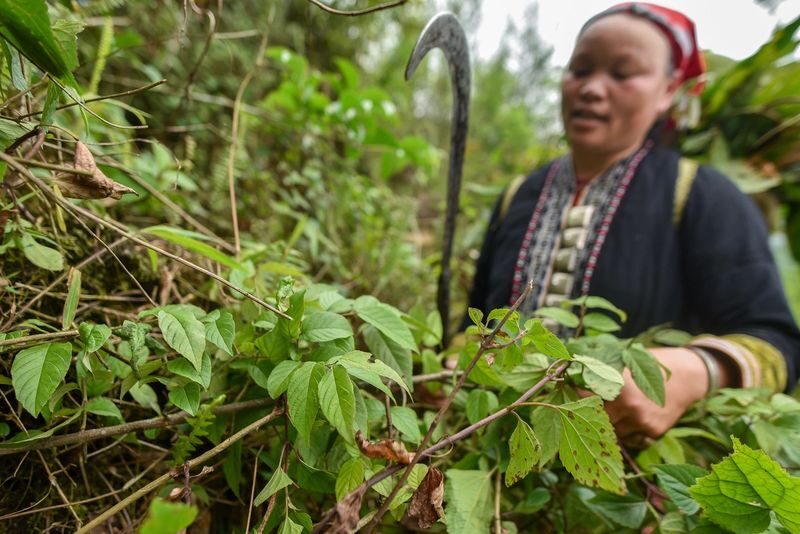
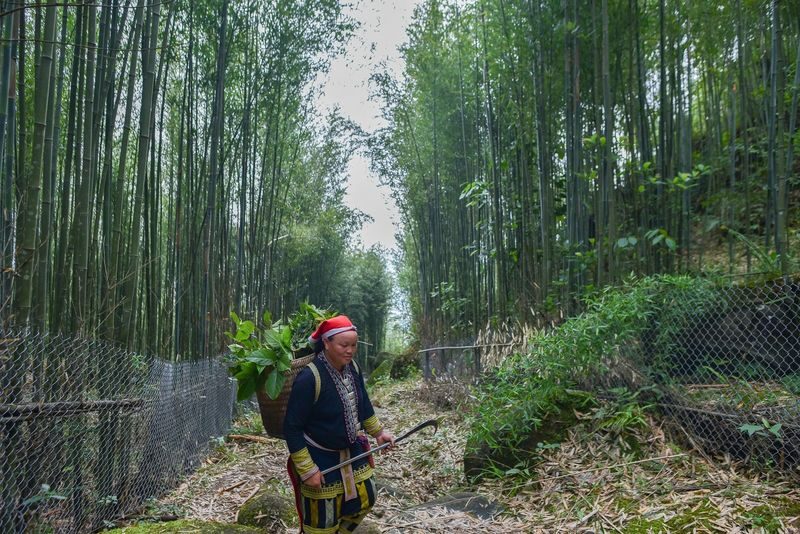
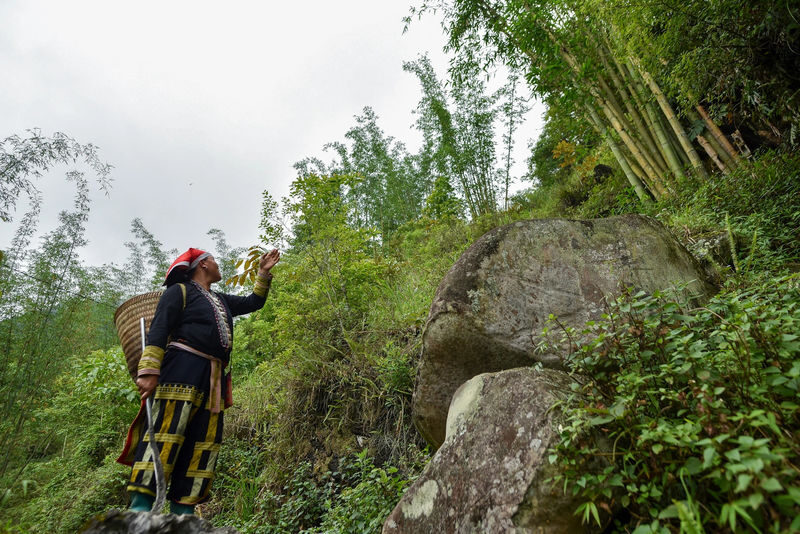
The hike is the main event. As you walk through the hills and bamboo-covered areas, your guide points out plants used in Red Dao remedies and explains how local people identify and use them. You may gather fresh leaves with the guide, then keep them for the foot-bath preparation later.
Guide May is named often in accounts of the tour, along with Mai and Mây, which may be different spellings of the same name. She is described as sharing practical details about the plants, answering questions, and talking about village life. A good guide makes the difference here: without explanation, a handful of leaves is just a handful of leaves. With context, the walk becomes a lesson in how people make use of what grows nearby.
Expect an active walk, not a paved stroll. Some uphill sections are steep, and wet weather can leave the path slick and muddy. Several visitors have needed breaks, and guides have made bamboo walking sticks to help with balance. The pace can be adjusted, but you should be comfortable walking on uneven ground and taking your time.
The reported walk time varies, with one account describing roughly 1.5 to 2 hours of collecting herbs. That is a useful guide, not a guarantee: route and conditions can change. If you are unsure about your footing, tell the guide early rather than trying to keep up. There is no need to turn a cultural outing into a race.
What the views add, and what the weather can change
The route’s visual appeal is part of the reward. Rice terraces, streams, waterfalls, and village paths give the walk a strong sense of place. You are not just heading into the hills to collect ingredients; you are seeing how the surrounding countryside shapes a rural community’s relationship with plants and land.
Weather has a direct effect on the walk. On a dry, sunny day, the views may be clearer and the trail easier to manage, though the sun can make the climb feel warmer. After rain, expect mud. Bring shoes with grip that you are prepared to get dirty, and consider rain boots if the forecast or recent weather points to wet ground. Long trousers and mosquito repellent are also sensible choices, based on conditions described on the trail.
Pack a change of clothes, sunglasses, and a hat or cap, as advised. A valid ID is also listed among the things to bring. The tour provides transport, but it does not include your personal expenses or tips.
Lunch offers a pause in the village
After the walk, lunch gives you a chance to rest and eat before the foot bath. The meal is included, and it is often described as home-cooked and served at a local family home. That setting can make the meal feel like a genuine part of the day, rather than a quick stop between activities.
Still, the venue is not fixed in every account. One participant had lunch at a cafeteria rather than a family home. It is best to see the meal as a convenient included lunch with a chance of a home setting, not a promise of a particular house or menu. Dietary details are not provided, so if you have restrictions, contact the operator before booking.
Some lunches may include happy water, a local rice spirit mentioned by one participant. Do not assume it will be offered, and only drink it if you want to. The main point is the pause: after a muddy or uphill walk, sitting down for a meal is a welcome reset.
Making the herbal foot bath
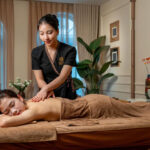
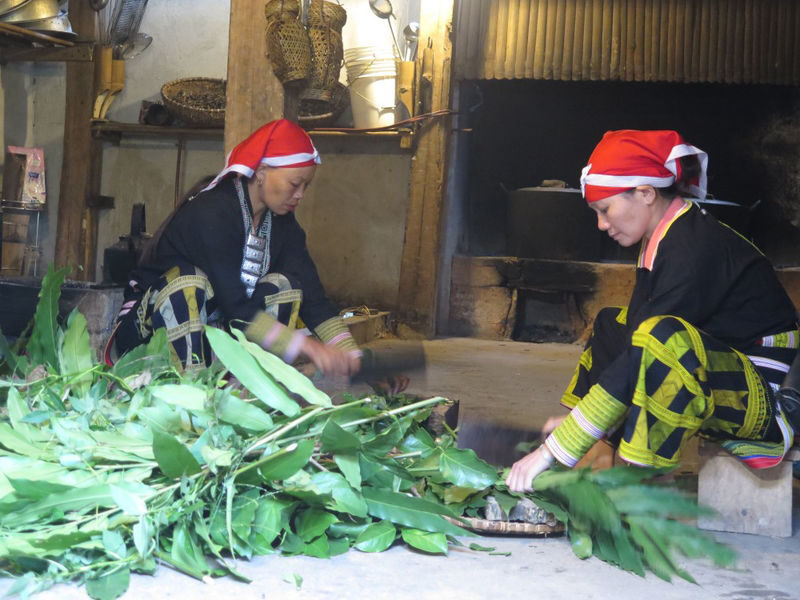
The last part of the outing turns the gathered plants into a foot soak. The preparation described for the tour uses ingredients such as ginger, lemongrass, cinnamon, and fresh herbs. You are meant to take part in preparing the remedy, then rest your feet in the warm mixture while learning self-care tips using natural ingredients.
This is a fitting end to a walking tour. The bath is less about a spa treatment than about connecting the plants you saw on the trail with a familiar local practice. It can feel especially welcome after several hours on uneven ground.
There is one point worth checking before you book: the exact format may not always match the full workshop described. One participant found that there was a foot bath but no demonstration of how to make the remedy. A few accounts also refer to paying extra for a more extensive Red Dao bath or full-body soak. The listed tour includes a herbal foot bath, but ask the operator if you specifically want a detailed workshop or a bath beyond the foot soak.
You can also read our reviews of more hiking tours in Sapa






What the price covers
The headline price is listed from US$44.99, while the join-in package option is also shown from US$39.09. Prices can vary, so check the amount and package displayed for your date before booking. The join-in tour includes round-trip transfers, transport, an English- or Vietnamese-speaking guide, lunch, and admission to attractions.
That bundle gives the price real value if you want a guided cultural outing without arranging transport or lunch yourself. The guide’s knowledge and the herb gathering are central to the experience, while the meal and foot bath make the day feel complete. It is a better fit for someone who wants more than a scenic walk than for someone simply seeking the lowest-cost trek.
Personal expenses and tips are not included. A public-holiday surcharge of VND 100,000 per person applies on the listed Lunar New Year dates, February 18 to 21, 2026, and is payable onsite. Check the booking details for your exact date, since dates and rates can change.
Who will enjoy this tour most
Choose this outing if you are curious about Red Dao culture, enjoy being outdoors, and like a guide who can explain local details as you go. It is especially appealing if the idea of gathering medicinal plants and then using them in a foot bath sounds more interesting than walking only for a viewpoint.
You do not need to be a serious trekker, but you should be willing to handle hills and uneven, possibly muddy paths. Children must be at least five to participate, and children aged eight and older are charged the adult rate. Infants and children must be included in the passenger headcount.
This is less suitable if you need a fully predictable trail, are uncomfortable with mud, or expect a polished spa treatment. The value lies in the combination of walking, conversation, local knowledge, food, and a simple herbal soak. The route and meal setting can vary, and the bath may not be a long formal demonstration.
Should you book the Red Dao herbal hike?
I’d book this if you want a Sapa outing that pairs scenery with a real point of connection to local life. The strongest parts are the guide-led herb identification, the adaptable pace, and the chance to end the walk with a soak made from plants you have just encountered. The lunch adds a relaxed social pause.
Before you commit, be honest about your footwear and fitness. Mud and steep patches are part of the deal, especially after rain. Confirm the pickup time, check the current price and holiday surcharge, and ask the operator about lunch and the exact foot-bath format if those details matter to you. If you are happy with a flexible countryside walk rather than a slick spa package, this is a worthwhile way to spend a morning near Sapa.
Sapa Red Dao Village Half-Day Guided Hike & Herbal Foot Bath
“The Sapa Red Dao Herbal Trekking Tour was an amazing experience! The scenery along the way, with its terraced rice fields, streams, and waterfalls,…”
FAQ
Where does the tour go?
The tour travels from Sapa to Giang Ta Chai in the Ta Van area, home to the Red Dao community.
What time does pickup take place?
Pickup is scheduled between 8:00 and 8:30 from a hotel in Sapa Town Center or the meeting point at Notre Dame Cathedral. The exact time is confirmed after booking.
When does the tour return?
The planned return is around 14:30, with drop-off at the starting point, hotel, or personal address.
Is lunch included?
Yes. Lunch is included. The meal may be served at a local family home, though the setting can vary.
Is the herbal foot bath included?
The tour includes a herbal foot bath. A more extensive Red Dao bath or full-body soak may cost extra, so check the details with the operator if you want that option.
What should I wear or bring?
Bring a change of clothes, sunglasses, a hat or cap, and valid ID. Sturdy shoes that can get muddy are a practical choice, especially after rain.
Can children join?
Participants must be at least five years old. Children aged eight and older are charged the same rate as adults, and all children and infants must be included in the passenger headcount.
Is there a holiday surcharge?
A surcharge of VND 100,000 per person is listed for public holidays. For Lunar New Year, the stated dates are February 18 to 21, 2026, and the surcharge is payable onsite.