The National Museum of China holds more than enough history to overwhelm a short visit. A focused two-hour tour can give you a useful route through the Ancient China exhibition, from early civilization to the bronze Houmuwu Ding, a colossal vessel weighing 832.84 kilograms. What I like most is the guide’s help connecting dynasties and artifacts, and the ticket reservation service, which can spare you some planning.
The trade-off is time: two hours covers highlights, not the whole museum, and crowds can slow the route. Check the selected language, group format, and exactly what your price includes before booking, since the package details and prices do not line up neatly.
- The Houmuwu Ding weighs 832.84 kilograms: A guide can explain the bronze vessel’s role as a symbol of power and ritual, not just its sheer size.
- The Ancient China exhibition spans five thousand years: A clear route helps you follow major changes without trying to absorb every display.
- The tour lasts two hours: Treat it as an introduction, then explore other galleries on your own if you have time.
- Guides focus on stories and key objects: Guides named for past tours include Jack, Gao Zhenyu, Wang Wenjuan, Zhang Yang, and Yang Tianrui.
- Crowds can affect the pace: Arrive early, and be ready for queues and busy galleries, especially around holidays.
- Package details need a careful check: Prices, language, private or group format, and ticket coverage should all be confirmed at checkout.
- A focused route through five thousand years
- The bronze centerpiece, and what it tells you
- Jade, porcelain, and the details you might otherwise miss
- What two hours can, and cannot, do
- The guide can make the collection click
- Crowds are the main wild card
- What the price buys, and what to verify
- Who will get the most from this visit
- Should you book the National Museum tour?
- FAQ
- How long is the guided tour?
- What languages are available?
- How large is the group?
- Is transport or hotel pickup included?
- Does the price include museum admission?
- What should I wear, and when should I arrive?
- The Best Of Beijing!
- More Tickets in Beijing
- More Tours in Beijing
- More Tour Reviews in Beijing
- Not for you? Here's more nearby things to do in Beijing we have reviewed
A focused route through five thousand years
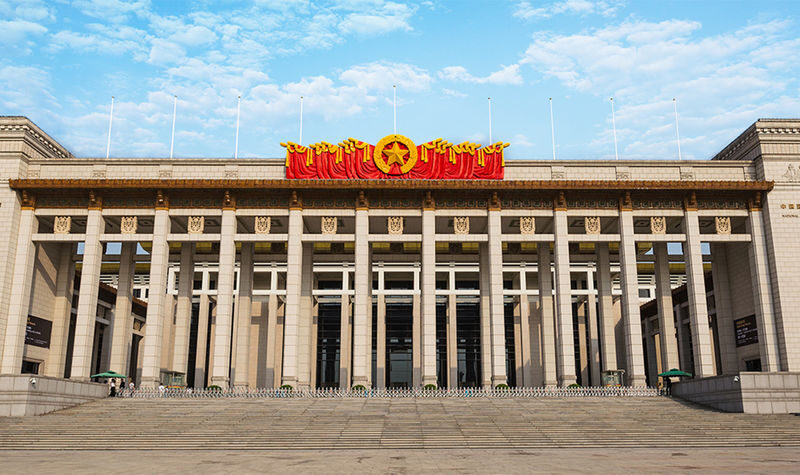
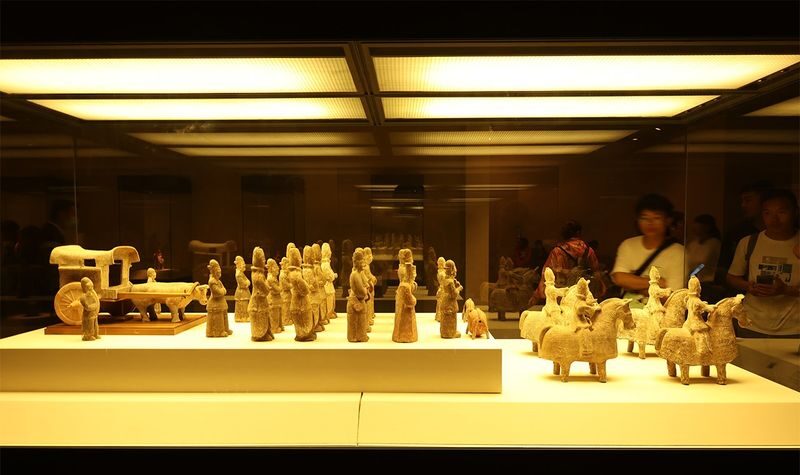
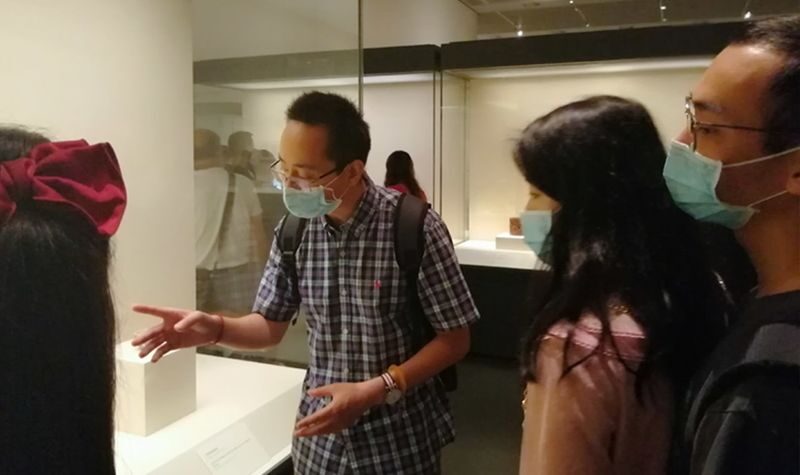
The main draw is the Ancient China exhibition, which traces the origin and development of Chinese civilization through objects from different periods. A guide helps you make sense of the sequence: instead of facing a long parade of unfamiliar names and dates, you get context for how dynasties changed and why certain objects mattered.
That framing is especially useful if Chinese history is new to you. The museum’s holdings are extensive, and it is easy to lose the thread when you move from one era to another without explanation. A guide can connect what you see to broader ideas about power, ritual, craft, and taste.
The tour is a highlights visit, not a full survey of the museum. Two hours is enough to spend time on major objects and hear their stories, but not enough to explore every gallery at a relaxed pace. If you want to see more than the Ancient China exhibition, plan to stay afterward and continue independently.
👉 See our pick of the 25 Best Shopping Tours In Beijing
The bronze centerpiece, and what it tells you
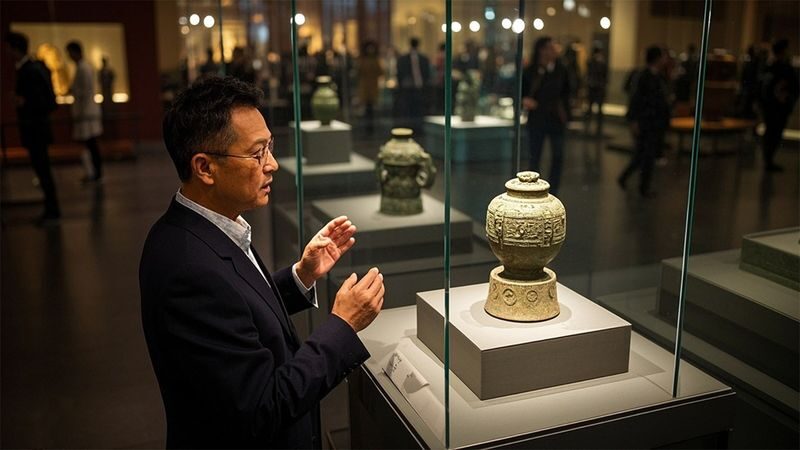
The Houmuwu Ding is an obvious anchor for the route. At 832.84 kilograms, it is a striking example of the scale and skill of ancient bronze casting. Its importance goes beyond size: the vessel is tied to ritual practice and the display of authority.
A guide can help you read the object as more than an impressive piece of metal. The stories around it offer a way into China’s ancient ritual and music system, and into the close link between political power and ceremony. That context can make a short stop feel meaningful rather than simply photogenic.
The gallery may be crowded, so you might not have the space or quiet you would like. The group also has to keep moving to cover the planned route. If one artifact matters especially to you, ask your guide a question while there is time, then consider returning to it after the tour.
You can also read our reviews of more tours and experiences in Beijing



Jade, porcelain, and the details you might otherwise miss
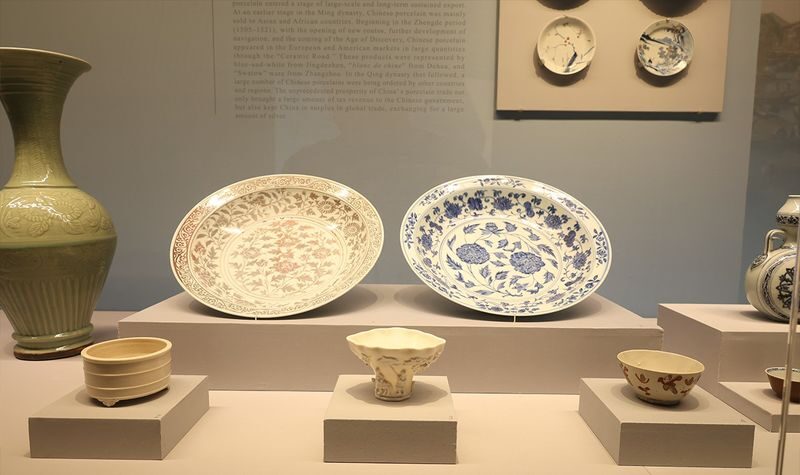
The museum’s ancient jade and porcelain offer a different kind of lesson. Shapes, surface patterns, and decorative motifs carry meanings that may not be obvious at first glance. A guide can point out auspicious symbols and explain how the objects were made, giving you a better sense of the skill and ideas behind their appearance.
I like this part of the route because it shifts attention from sheer scale to careful detail. After the monumental bronze vessel, a small carving or patterned ceramic can show another side of ancient craftsmanship. The contrast helps make the collection feel less like a list of famous objects and more like a record of changing tastes and values.
The explanations are particularly helpful if you do not already know the visual language of Chinese art. You do not need to arrive with a history degree or a vocabulary of dynasties. The point of the guided route is to give you enough context to look closely and understand why an object is worth your attention.
What two hours can, and cannot, do
The scheduled visit is two hours, with morning and afternoon departures listed at 09:00 and 13:00. The stated return times are 11:00 and 15:00, depending on the departure selected. The schedule may change with traffic or weather, although no transport is included in the tour itself.
Two hours is a sensible length for a guided introduction, but it is a tight window in a museum of this scale. Some guided tours can run closer to two and a half hours, so leave a little flexibility rather than planning a close connection afterward. Crowds, queues, and the time it takes to gather a group can also affect how much ground you cover.
If your main goal is a clear introduction to ancient Chinese history, the short format has real value. If you hope to see the whole museum, think of this tour as the first part of your visit. You may stay on your own after the guided portion, and that is a good way to use the guide’s route as a map for further exploration.
The guide can make the collection click
The strongest part of this experience is the guide’s interpretation. Guides named for past tours include English-language guides Jack, William HU, and Jackson, and Chinese-language guides Gao Zhenyu, Wang Wenjuan, Zhang Yang, and Yang Tianrui. Their styles differ, but the qualities associated with the strongest tours are clear explanations, patience with questions, and an ability to draw attention to key objects.
Jack has been singled out for clear English and patient answers. Gao Zhenyu has been associated with detailed explanations of major artifacts, while Wang Wenjuan and Zhang Yang have been noted for professional, attentive tours. These names can help you know what to look for, but they are not a guarantee that a particular guide will lead your departure. Ask at booking if you have a preference.
A guide also helps you navigate the practical side of a crowded visit. One guide may steer the group away from the busiest spots; another may need to pause while everyone catches up. Headphones have been used on some tours, but fit and volume can be an issue. Speak up promptly if you cannot hear, rather than spending an hour trying to guess what is being said.
Crowds are the main wild card
The National Museum can be busy even outside the busiest holiday periods. Long queues and crowded galleries can make it harder to see objects, hear explanations, and keep the group together. During a holiday, entry may be controlled in timed batches, so arriving early does not necessarily mean you can enter before your assigned slot.
Build a buffer into your day, especially if you are visiting during Spring Festival or another busy period. The meeting instructions ask you to arrive ten minutes before departure, but crowd conditions may call for more time around the museum. Follow the timing given for your booking, and do not assume that an early arrival will move you into an earlier entry batch.
Late arrivals can disrupt the group, and latecomers or no-shows are not refundable. The tour is limited to one to ten participants, which is small enough to feel more manageable than a large coach group, but even a small group can be difficult to keep together in packed rooms. Comfortable, weather-appropriate clothing and closed shoes are advised; flip-flops, shorts, tank tops, and sleeveless shirts are discouraged.
You can also read our reviews of more museum experiences in Beijing





What the price buys, and what to verify
The displayed price starts at $262.75, while the listed package options show an English private tour from $328.99 and a Chinese private tour from $228.45. Those figures do not match cleanly, so treat them as starting points rather than a reliable final quote. Check the exact price for your date and selected package before paying.
There is another detail worth checking: the included item is described as a ticket reservation service, while the experience is also presented as including tickets. Confirm whether admission itself is covered, or whether the service arranges a reservation only. Do not assume the answer from the headline alone.
Value depends on what you need. If you are comfortable navigating the museum and already know the history, you may prefer to arrange your own visit and spend longer with the exhibits you choose. If you want help with the historical sequence, a guided route can make the museum’s scale less daunting and turn a quick visit into a more coherent one. Since transport, meals, accommodation, and hotel pickup are not included, budget and plan for those separately.
Who will get the most from this visit
This tour suits first-time visitors who want a structured introduction to Chinese history, as well as families who would benefit from a guide adjusting explanations to different ages. A Chinese private tour has been adapted for a ten-year-old child, showing why a private format may be useful when you want more room to tailor the pace and discussion.
It can also work well for a solo visitor or someone on a short Beijing stay. A guide helps you prioritize, while the two-hour format leaves room to continue on your own. If you are a specialist or simply want a slow museum day, the set route may feel rushed. For you, the better plan may be to reserve plenty of time for independent exploration after the tour.
Should you book the National Museum tour?
Book it if the thought of sorting through five thousand years of history alone feels like too much, or if you want a guide to explain the bronze, jade, and porcelain rather than just point them out. The best return comes from using the tour as an introduction, then staying to explore at your own pace.
Skip it if you want a full, unhurried museum visit in one guided session. Two hours cannot cover everything, and crowds may cut into the time you have with individual objects. Before booking, confirm the language, private or group format, guide arrangements, price, and whether the ticket itself is included. Those checks matter as much as the route.
Half-day tour of the National Museum of China (Chinese/English commentary + tickets)
“William HU was an excellent guide at the National Museum of China in Beijing! He was friendly, incredibly knowledgeable, and knew the museum's layo…”
FAQ
How long is the guided tour?
The guided visit is scheduled for two hours. The listed return times are 11:00 for a 09:00 departure and 15:00 for a 13:00 departure, depending on the option selected.
What languages are available?
Chinese and English options are listed. The package details identify Chinese private and English private tours, so confirm the language and format for your chosen booking.
How large is the group?
The stated group size is one to ten participants. The package options also include private tours.
Is transport or hotel pickup included?
No. Hotel pickup and drop-off, transport, accommodation, meals, and beverages are not included.
Does the price include museum admission?
The inclusion details describe a ticket reservation service, while the experience is also presented as including tickets. Confirm at checkout whether the admission ticket itself is included in your selected package.
What should I wear, and when should I arrive?
Arrive at the meeting location ten minutes before your selected departure time. Wear clothing suited to the weather and closed shoes; flip-flops, shorts, tank tops, and sleeveless shirts are discouraged.