Yipu Garden’s appeal is its small scale and old character. At about 0.8 acres, this Ming-era garden offers a quieter alternative to a long day of grand Suzhou sights, with two notable pavilions to seek out: Yanguang, the city’s largest waterside wooden pavilion, and the original Ming-era Ruyu Pavilion.
I like the chance to see a garden that retains its late Ming and early Qing appearance, and I like that the entry ticket starts at $2.49. The main consideration is that this is an entrance ticket, not a guided visit, so you’ll need to make your own way around and decide how much time to spend.
At a glance
- Yanguang Pavilion is described as Suzhou’s largest waterside wooden pavilion.
- Ruyu Pavilion is an original Ming Dynasty structure.
- The garden is compact: about 5 mu, or roughly 0.8 acres.
- Its character is the draw: the garden retains its appearance from the late Ming and early Qing periods.
- Entry is by date-specific voucher: bring the original ID used for the booking and the electronic QR code.
- Advance booking is convenient: the ticket is confirmed within 24 hours, and booking is praised for avoiding a ticket-purchase queue.

👉 See our pick of the 3 Best Guided Tours In Suzhou
- At a glance
- A small garden with a long past
- Two pavilions worth seeking out
- How to make the most of a compact visit
- What the ticket covers, and what it does not
- Getting in with your voucher
- Who should choose Yipu Garden?
- Should you book this garden ticket?
- FAQ
- Where is Yipu Garden?
- How large is the garden?
- What are the garden’s main features?
- What does the ticket include?
- What are the opening hours?
- Do I need to exchange my voucher for a ticket?
- Which ID should I bring?
- What age groups are covered by the ticket categories?
- Can I cancel or reschedule?
- The Best Of Suzhou!
- More Tours in Suzhou
- More Tour Reviews in Suzhou
- Not for you? Here's more nearby things to do in Suzhou we have reviewed
A small garden with a long past
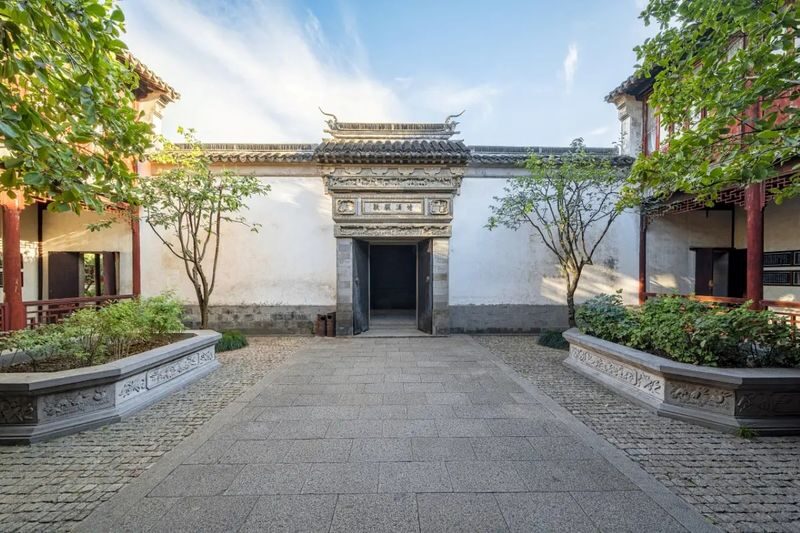
Yipu Garden, also called Yipu Garden Scenic Area, is at No. 5 Wenya Lane in Suzhou’s Gusu District. It is a World Cultural Heritage site, yet it covers only about 5 mu, or around 0.8 acres. That modest size matters: this is not a place that calls for a full day or a complicated plan. It suits a measured stop, with time to notice its buildings and the way they relate to the water.
The garden retains its original appearance from the late Ming and early Qing periods. That gives a visit a specific focus. Rather than treating the grounds as a generic patch of greenery, you can pay attention to the older structures and the restrained, scholarly character associated with Jiangnan gardens.
The scale also changes the mood of the visit. You are not signing up for a sequence of far-flung attractions or a busy sightseeing circuit. You can take your time in a compact setting, pause at the pavilions, and leave when you have had your fill. The trade-off is that visitors looking for a large garden with a long list of stops may find the visit brief.
You can also read our reviews of more tours and experiences in Suzhou.


Two pavilions worth seeking out
Yanguang Pavilion is the headline feature. It is described as Suzhou’s largest waterside wooden pavilion, a detail that gives you a clear reason to look closely at its placement and construction. The water-side setting is part of its appeal, and the pavilion offers a natural point to pause rather than simply pass through the garden.
Ruyu Pavilion offers a different kind of interest. It is identified as an original Ming Dynasty pavilion, so it connects the visit directly to the garden’s earlier period. With both structures in a small area, you can compare them without needing to plan a long route or cross a large site.
These details are useful if you like to know what you are looking at, but the ticket does not include a guide or an explanatory program. No guide names, tour commentary, or set itinerary are provided. If you want more background on the architecture, you may want to read up before arriving or bring your own guidebook.
The garden is described as having a rustic simplicity and scholarly elegance. Those phrases point to a quieter style of visit: less about a big spectacle, more about noticing how buildings, water, and garden space fit together. Keep expectations in scale with the site. The two pavilions are specific highlights, not a promise of a large collection of attractions.
How to make the most of a compact visit
No formal walking route is specified, so you can set your own pace. I would start by taking in the garden as a whole, then spend time at Yanguang Pavilion and Ruyu Pavilion rather than rushing from one feature to the next. The compact footprint makes that approach practical, and it leaves room to linger if one structure catches your attention.
You might want to check the garden’s opening hours before choosing where it fits in your day. From March 1 through October 31, it is open from 7:30 a.m. to 5:30 p.m., with last entry at 5 p.m. From November 1 through February 28, it closes at 5 p.m., with last entry at 4:30 p.m. That half-hour difference in last entry is easy to miss when planning a late-afternoon stop.
The garden’s small size can work especially well when you want a quieter pause between other plans. It is presented as a less-visited option where you can appreciate the simple, scholarly style of Jiangnan gardens. That is a useful contrast if your schedule already includes larger or more crowded sights, though there is no guarantee of how busy it will be on a particular day.
I would not treat the short visit as a reason to rush. A small garden can reward a slow look, especially when its interest is tied to the placement and character of a few structures. On the other hand, if you prefer visits with guided storytelling and a packed itinerary, this ticket does not provide those elements.
What the ticket covers, and what it does not
The package is straightforward: one entrance ticket to Suzhou Yipu Scenic Area. Secondary purchases inside the garden, self-funded entertainment facilities, insurance, transportation, meals, and other personal expenses are not included. No return transport is provided, so you’ll need to arrange your own journey to and from No. 5 Wenya Lane.
The starting price of $2.49 makes this a low-cost way to add a heritage garden to a Suzhou visit. The value is strongest if you want entry to a compact site and are comfortable exploring without a guide. It is less suitable if you expect a tour leader, transport, food, or activities to be bundled into the price.
The convenience of booking is one of the activity’s most praised points. You can reserve through Klook, with confirmation within 24 hours, and a booking is described as a way to avoid waiting in the ticket-purchase line. That convenience does not change the nature of the visit: you still need to reach the entrance yourself and follow the entry instructions.
The overall rating is 5.0 out of 5 from five ratings, with positive comments on convenience, price, and the visit itself. That is a very small sample, so I would treat it as a helpful signal rather than a guarantee. The practical case for booking is clearer: the price is low, the ticket is simple, and direct entry uses a QR code rather than a separate ticket exchange.
Getting in with your voucher
The voucher is valid only on the selected date, and at the selected time if a time applies. At the main entrance, present the official electronic voucher QR code along with the original identification document used for the reservation. There is no need to exchange the voucher for a paper ticket.
This makes careful booking details important. Use the ID you will have with you on the day, and make sure the name and document details match the reservation. Visitors with concessionary tickets must also show valid identification for verification at entry.
Ticket categories are defined by age. An adult ticket applies to people aged 12 and above. A child ticket is for minors older than 6 and up to age 12, while the senior ticket covers people aged 65 and under 70. If you are booking a concessionary ticket, check that the person’s age falls within the stated category and bring the required ID.
Booking is available as late as the day before, but the recommended lead time is longer during peak season: five to ten days. In off-peak periods, one to three days ahead is recommended. The booking becomes effective once confirmation succeeds, but confirmation may take up to 24 hours, so leave room for that when timing matters.
Cancellation terms are conditional. More than 24 hours before the visit, a full refund can be requested if the ticket has not been exchanged or used. Within 24 hours, after exchange or entry, or after the ticket expires unused, refunds and rescheduling are not available. The ticket cannot be changed or split, so choose your date with care.


Who should choose Yipu Garden?
I’d put Yipu Garden on the list if you value historic architecture, prefer a smaller site, or want to make room for a calm garden stop without committing half a day. It also suits visitors who are happy to explore at their own pace and do not need a guide to make a place worthwhile.
The garden may be a good fit if you are comparing several Suzhou outings and want something with a clear focus. Yanguang Pavilion and Ruyu Pavilion give you two concrete features to look for, while the garden’s late Ming and early Qing character gives the visit a defined historical frame. A low starting price helps make it an easy addition, provided you account for transport and any other spending separately.
You may want to choose another activity if you need transport, meals, a guide, or a structured program included. Those are not part of this ticket. And if you are expecting a sprawling garden with many hours of sightseeing, the compact 0.8-acre footprint may feel too short.
Should you book this garden ticket?
Book Yipu Garden if you want an affordable, self-paced visit to a small heritage site with two distinctive pavilion highlights. Its strongest points are the preserved character, the waterside setting of Yanguang Pavilion, and the original Ming-era Ruyu Pavilion. The digital entry process is simple, and booking convenience receives high marks.
Skip it if you want an escorted tour or a full package with transport and activities. This is a ticket to enter, not a guided experience. For a compact garden stop in Suzhou, though, it offers a clear focus and a modest price. Plan your date, bring the right ID, and give yourself enough time to arrive before last entry.
Garden of Cultivation(Yipu Garden)
“Booking with Klook is convenient: no waiting in line.”
FAQ
Where is Yipu Garden?
It is at No. 5 Wenya Lane, Gusu District, Suzhou City, Jiangsu Province.
How large is the garden?
It covers about 5 mu, or approximately 0.8 acres.
What are the garden’s main features?
The two named features are Yanguang Pavilion, Suzhou’s largest waterside wooden pavilion, and Ruyu Pavilion, an original Ming Dynasty pavilion.
What does the ticket include?
It includes one entrance ticket to Suzhou Yipu Scenic Area.
What are the opening hours?
From March 1 through October 31, the garden is open from 7:30 a.m. to 5:30 p.m., with last entry at 5 p.m. From November 1 through February 28, it is open from 7:30 a.m. to 5 p.m., with last entry at 4:30 p.m.
Do I need to exchange my voucher for a ticket?
No. Enter at the main entrance with the official electronic voucher QR code and the original ID used for the reservation.
Which ID should I bring?
Bring the original identification document used when registering the reservation. Visitors using concessionary tickets must also show valid identification for verification.
What age groups are covered by the ticket categories?
An adult ticket is for people aged 12 and above. A child ticket is for minors older than 6 and up to age 12. A senior ticket is for people aged 65 and under 70.
Can I cancel or reschedule?
A full refund can be requested more than 24 hours before the visit if the ticket has not been exchanged or used. Within 24 hours, after exchange or entry, or after expiry, refunds and rescheduling are not available.