Binondo makes a good case for exploring Manila one bite at a time. This four-hour walk links Chinatown’s food with the story of Chinese migrants who helped shape the city’s first business district and the Filipino-Chinese community that grew from it.
I like two things in particular: you get four to five food stops rather than a single meal, and the hopia-making activity gives you a hands-on taste of a local specialty. The guided walk also puts places such as Escolta and Ongpin into a wider historical context.
One consideration: this is a walking tour in a tropical climate, and the route involves a moderate amount of walking. Food choices can change with the season, and you should tell your guide about allergies before tasting anything.
- Binondo in four hours: key points
- A food walk with a story behind it
- Starting at Plaza San Lorenzo Ruiz
- Following the food through Ongpin and Escolta
- Making hopia, not just eating it
- How much food, and how much walking?
- Is the price worth it?
- Who will get the most from this walk?
- Should you book the Binondo food walk?
- FAQ
- How long is the Binondo food tour?
- Where is the meeting point?
- How early should I arrive?
- How many food stops are included?
- Is hopia making included?
- Is the tour suitable for children?
- What should I bring?
- What if I have food allergies?
- Are extra meals and drinks included?
- What happens if there are not enough participants?
- The Best Of Manila!
- More Food & Drink Experiences in Manila
- More Tours in Manila
- More Tour Reviews in Manila
- Not for you? Here's more nearby things to do in Manila we have reviewed
Binondo in four hours: key points
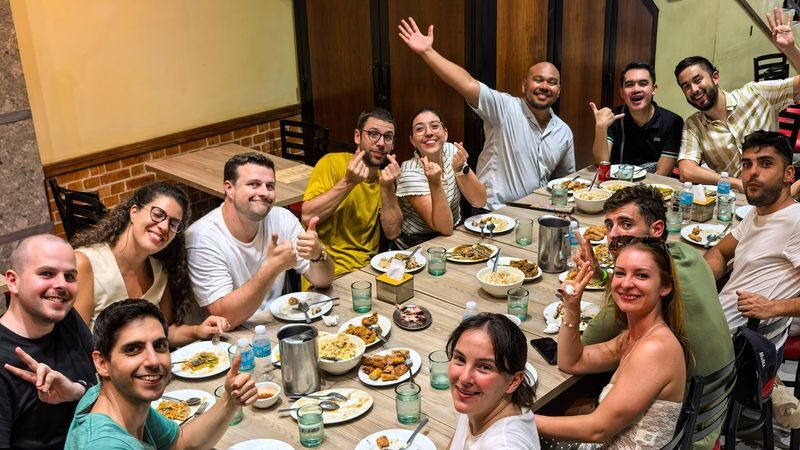
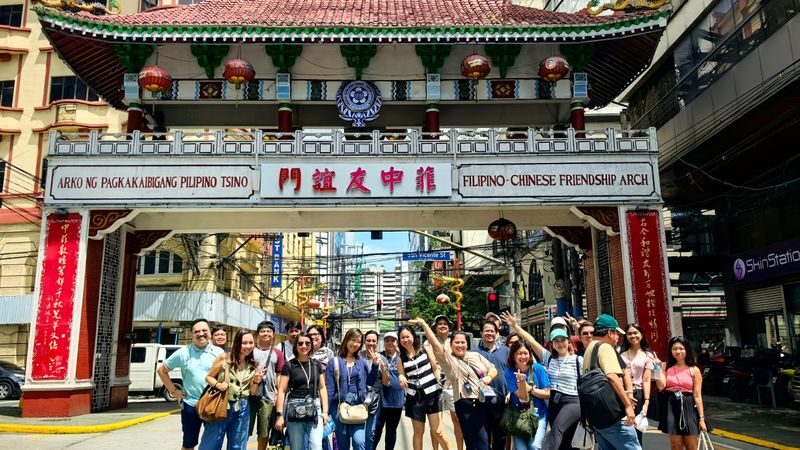
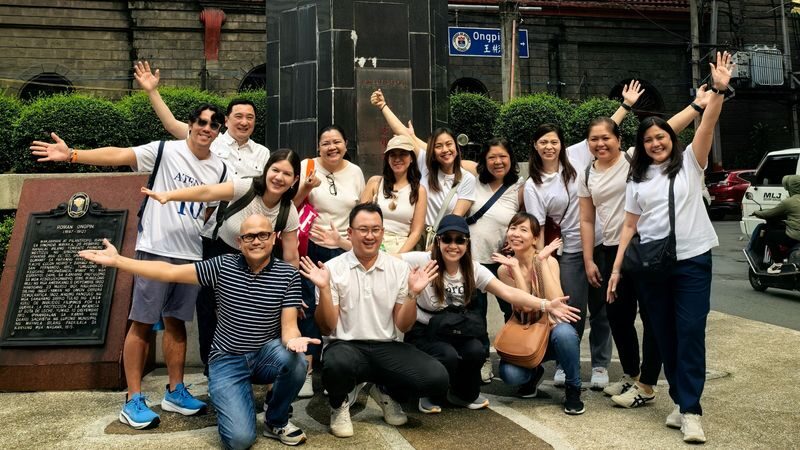
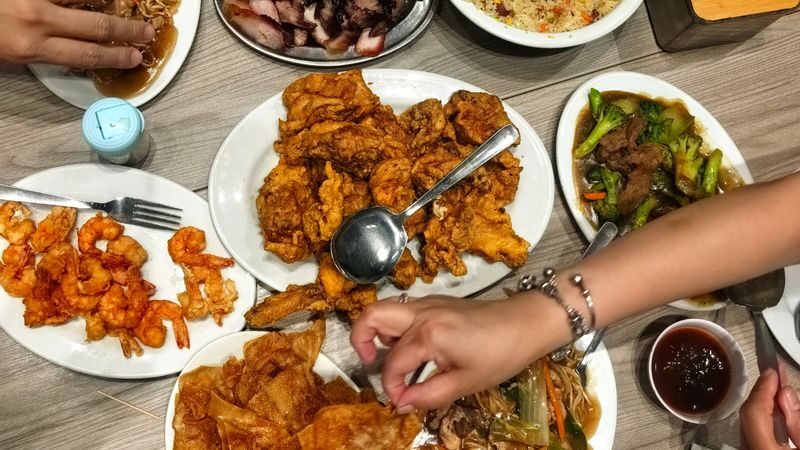
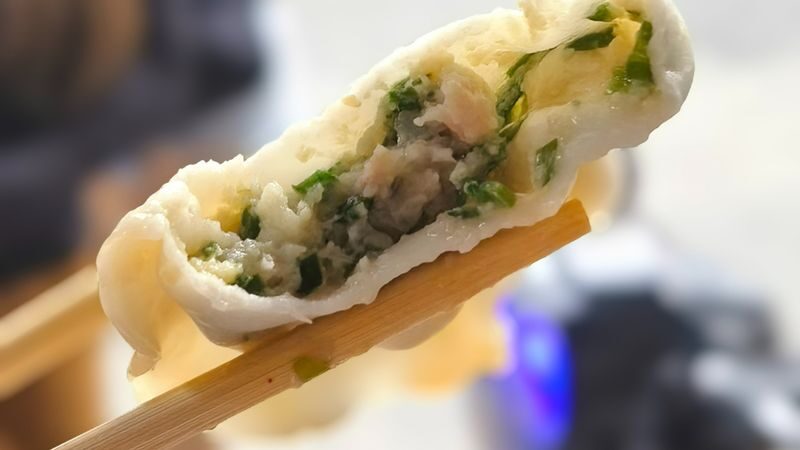
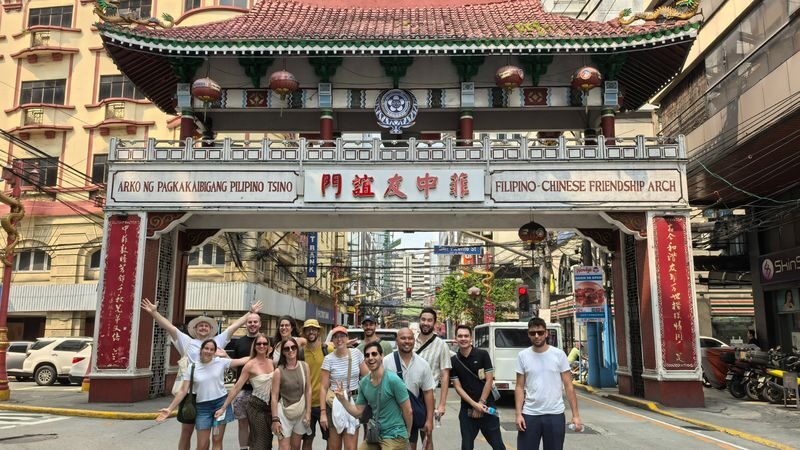
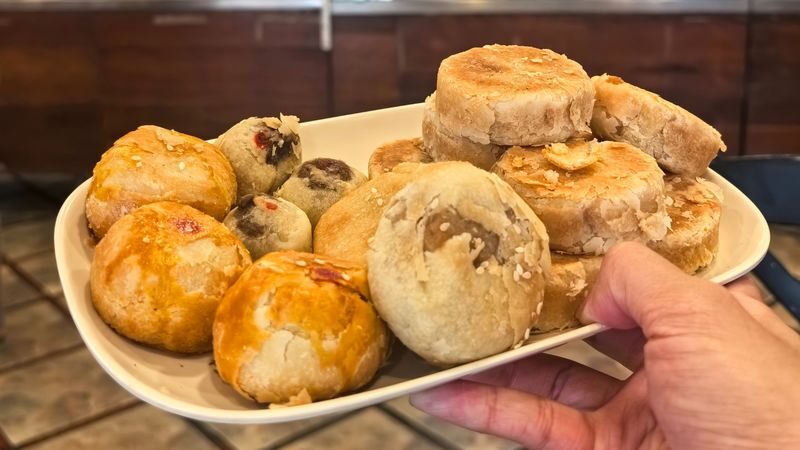
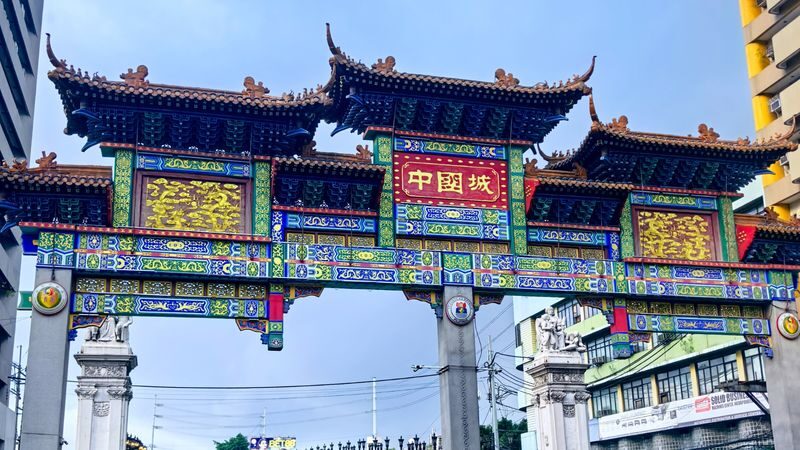
- Four to five food stops: Tastings turn the morning into a string of small meals, not just a walk between landmarks.
- Hopia making: Try making this traditional pastry yourself, a welcome change from simply sampling dishes.
- History along the route: The walk introduces Binondo’s Chinese roots and its place in Manila’s early business life.
- Escolta and Ongpin: These well-known streets are among the areas highlighted for exploration.
- A useful morning schedule: Meet at 8:30 a.m. and expect to finish around 12:30 p.m., with some schedule flexibility for traffic or weather.

👉 See our pick of the 8 Best Historical Tours In Manila
A food walk with a story behind it
Binondo is known as the world’s oldest and largest organized Chinatown. Its beginnings go back to the Spanish colonial period, when Chinese migrants settled in Manila in search of opportunity and a new life.
That history gives the food a wider meaning. The dishes and traditions you encounter reflect generations of exchange between Chinese settlers and Filipino communities. The tour uses food as a way into that story, rather than treating Chinatown as a collection of places to eat.
I like that approach for a first visit. A guide can help explain how Filipino-Chinese culture developed and point out the district’s place in Manila’s commercial past. You still get time to notice the streets for yourself, but you are not left to guess why the area matters.
The tour is guided by a Department of Tourism accredited guide who speaks English or Filipino. One guide named Ann led a family on a private tour and was praised for her attention to detail. That is a useful sign for families who want a guide to keep the walk engaging, though one account cannot guarantee who will lead your particular departure.
You can also read our reviews of more food & drink experiences in Manila


Starting at Plaza San Lorenzo Ruiz
The meeting point is the Ramada Hotel lobby, at Plaza San Lorenzo Ruiz. The departure time is 8:30 a.m., and you are asked to arrive 10 minutes early. Look for a guide carrying a Don’t Skip Manila shirt or sign.
A punctual start matters on a short tour. Four hours sounds generous, but a walk, food tastings, historical stops, and hopia making all take time. Arriving early gives you a better chance of starting with the group instead of trying to catch up.
The return is listed for 12:30 to 1:00 p.m. at the Manila Chinatown Information Center, Ramada Hotel, with the address given as 612, 1006 Ongpin St. That gives you a useful late-morning window for lunch or onward plans, but leave some slack if you have a timed booking after the tour. Traffic and weather can affect the schedule.
The activity has no age limit, but the moderate walking is worth considering for anyone who finds extended time on foot difficult. Wear comfortable clothes suited to Manila’s tropical weather. Rain or shine, the walk is expected to go ahead unless the operator cancels because of extreme weather or another unforeseen event.
Following the food through Ongpin and Escolta
The route highlights Binondo’s well-known streets, including Ongpin and Escolta. These names help anchor the walk in the district, but the exact sequence of stops is not fixed in the information provided. Think of this as a guided neighborhood route, not a guaranteed checklist of specific shops or landmarks.
The food portion includes tastings at four to five Binondo stops. That number is a strength: you can sample a range of local flavors without committing to a full meal at every place. The menu may change with the season and ingredient availability, so it is better to expect variety than to plan around a particular dish.
A food walk also offers a practical advantage over choosing restaurants on your own. Your guide connects the tastes to the neighborhood and keeps the route moving. If you are new to Binondo, that structure can make it easier to focus on the food and stories instead of navigating every turn.
The trade-off is that you do not control the exact menu or pace in the same way you would on an independent visit. If you have strong preferences, ask the operator what can be accommodated before booking. Food may contain shrimp, peanuts, eggs, and other allergens, so tell your guide about any allergies before the first tasting. Do not assume a dish is safe just because an ingredient is not obvious.
Making hopia, not just eating it
Hopia is the hands-on highlight. Rather than only sampling the pastry, you get to try making it yourself. That small change makes the activity memorable: you come away with a better sense of how food traditions are made and shared, not just how they taste.
The available details do not specify the workshop’s length or the particular filling or style you will make. Treat it as one stop within the morning, not a full cooking class. If you are comparing this tour with a food crawl that focuses only on eating, the chance to make hopia gives this one a different shape.
It should also suit families and curious first-time visitors. The only age guidance is that there is no age limit, and a family joined a private tour led by Ann. Still, the food, walking, and hands-on activity may appeal differently to children at different ages, so consider your own family’s pace and interests.
How much food, and how much walking?
The tour lasts four hours, from 8:30 a.m. to about 12:30 p.m. It includes a guided walking tour and four to five food stops. That is enough time for a substantial introduction, but it is not a full-day food itinerary.
You should expect a moderate amount of walking. The route moves through a busy city district, and the weather can be hot or wet. Bring water, a cap or hat, and an umbrella. Comfortable shoes and light clothing are sensible choices, even though the tour does not list a specific dress code.
The tour is designed to run in different weather, so come prepared for rain or shine. If conditions become extreme, the operator may cancel and offer a rescheduled tour or a refund. The schedule may also shift because of traffic or weather, which is another reason not to arrange a tight connection afterward.
The package includes admission to attractions, the guided walk, the food tastings, an English- or Filipino-speaking guide, a Binondo district map, and a souvenir. Extra meals and drinks are not included. The tastings may be enough for some people to count as lunch, but the amount of food is not specified, so do not count on them replacing a full meal if you have a large appetite.
You can also read our reviews of more tours and experiences in Manila


Is the price worth it?
The tour is shown from US$203.79, while a private-tour option is listed from US$177.20. Those figures do not line up neatly, and the package details identify the private tour. Before paying, check the selected package, party size, and total at checkout. The supplied information does not explain how the displayed prices are calculated, so I would not assume the lower figure is the final price for every booking.
The value depends on what you want from the morning. You are paying for more than food: the package combines a guide, local history, multiple tastings, a hopia-making activity, attraction admission, a map, and a souvenir. If you would otherwise book a guide and buy several samples independently, that bundle may be useful. If your priority is simply to eat a large lunch for the lowest possible cost, an independent meal may suit you better.
A private tour can be appealing if you want a more personal pace, especially for a family or a small group. The details do not say how private-tour pricing changes with group size, so check that before booking. The activity may be rescheduled or refunded if there are fewer than four participants, according to the booking conditions. That is worth bearing in mind if you are planning around a fixed date.
There is one review, rated five out of five, from a family who took the private tour. They enjoyed the walk, learned about Binondo, and ate well; they also singled out Ann’s attention to detail. It is a small sample, but it points to the tour’s strongest promise: a guide who can make both the food and the local stories work for a family.
Who will get the most from this walk?
I would choose this tour if you are new to Binondo and want a structured introduction to its food and past in one morning. The combination of a guided walk, several tastings, and a hands-on pastry activity is more varied than a simple meal stop. It is also a practical way to get oriented before returning to the district on your own.
It should suit curious eaters who enjoy trying several small dishes and learning where local traditions come from. Families may appreciate having a guide set the pace and connect the stops, though the moderate walking and uncertain menu make it sensible to plan around children’s needs.
It is less suited to anyone who wants a fixed menu, a long sit-down lunch, or a route that stays indoors. Exact food stops are not promised, and the menu can shift with the season and available ingredients. If you have allergies or dietary restrictions, contact the operator and tell your guide before the tour begins.
Should you book the Binondo food walk?
Book it if you want more than a tasting list. Its best feature is the link between Binondo’s food, Chinese migration, and the Filipino-Chinese community, with hopia making adding a welcome bit of participation. The morning schedule also leaves room for the rest of your day.
Think twice if you need an exact menu, cannot manage moderate walking, or are booking around a strict afternoon commitment. Check the price for your specific package, arrive early at the Ramada Hotel lobby, and bring water, sun protection, and an umbrella. For a first look at Binondo, this is a thoughtful way to spend four hours.
Manila Binondo Half-Day Local Food Experience
“It was our first time to have a walking tour of Binondo. We enjoyed it, learned a lot and ate a lot too! Ann, our tour guide, has great attention t…”
FAQ
How long is the Binondo food tour?
The guided tour lasts four hours. It is scheduled to depart at 8:30 a.m. and return around 12:30 p.m., with the return window listed as 12:30 to 1:00 p.m.
Where is the meeting point?
Meet at the Ramada Hotel lobby at Plaza San Lorenzo Ruiz. Look for a guide with a Don’t Skip Manila shirt or sign.
How early should I arrive?
Arrive 10 minutes before the 8:30 a.m. departure. Late arrivals and no-shows are not eligible for a refund.
How many food stops are included?
The tour includes tastings at four to five Binondo food stops. The specific menu may change with the season and ingredient availability.
Is hopia making included?
Yes. The tour includes an opportunity to try making hopia. The available details do not specify the workshop’s length or the style of hopia.
Is the tour suitable for children?
There is no age limit. The tour does involve a moderate amount of walking, so consider whether that pace suits your child.
What should I bring?
Bring a water bottle, a cap or hat, and an umbrella. Comfortable clothing is advised for the tropical climate, and you should prepare for rain or shine.
What if I have food allergies?
Food may contain allergens such as shrimp, peanuts, and eggs. Tell your guide about your allergies before the tastings.
Are extra meals and drinks included?
No. The package includes food tastings at four to five stops, but additional meals and beverages are not included.
What happens if there are not enough participants?
If there are fewer than four participants, the activity will be rescheduled. You will be offered a new time or a refund.