Esterházy Palace’s appeal lies in the contrast between its grand rooms above ground and its cool, barrel-lined wine cellar below. I like that one ticket includes both the bel étage and Wine Museum, and that the palace’s surviving Neoclassical silver collection adds a rare, specific focus to the visit.
The tour is self-guided, so you can set your own pace through more than 300 years of Esterházy family history. One practical catch: opening days change by season, and the Haydnsaal is sometimes inaccessible, so check the palace’s current schedule before setting out.
- What makes the palace visit worthwhile
- A palace shaped by centuries of change
- Start upstairs in the bel étage
- Look closely at the silver collection
- Head down to the Wine Museum
- Is .45 a fair price?
- Getting to Eisenstadt and planning your visit
- Children, access, and a few useful limits
- Who should book this palace ticket?
- FAQ
- What does the Esterházy Palace ticket include?
- Is an audio guide included?
- What are the palace’s opening hours?
- How do I get to the palace from Vienna?
- Is the palace wheelchair-accessible, and are pets allowed?
- Do children need a ticket?
- Can I cancel my booking?
- More Tour Reviews in Eisenstadt
- Not for you? Here's more nearby things to do in Eisenstadt we have reviewed
What makes the palace visit worthwhile
 1 / 6
 2 / 6
 3 / 6
 4 / 6
 5 / 6
 6 / 6
- A manageable palace visit: One visitor described the palace as just the right size to explore, a useful point if you want a substantial stop without committing your whole day.
- Bel étage rooms: See the elegant principal floor, where historic furnishings and artwork help put aristocratic life in context.
- An underground Wine Museum: The historic cellar and its large barrels offer a cooler, distinctly different setting from the formal rooms upstairs.
- A rare silver collection: The palace displays what is described as the world’s largest surviving Neoclassical silverware collection.
- A self-guided format: Move at your own pace, but note that an audio guide is not included.
- A seasonal schedule: The palace is open daily in summer, but its listed hours narrow to weekends in November and December.
A palace shaped by centuries of change
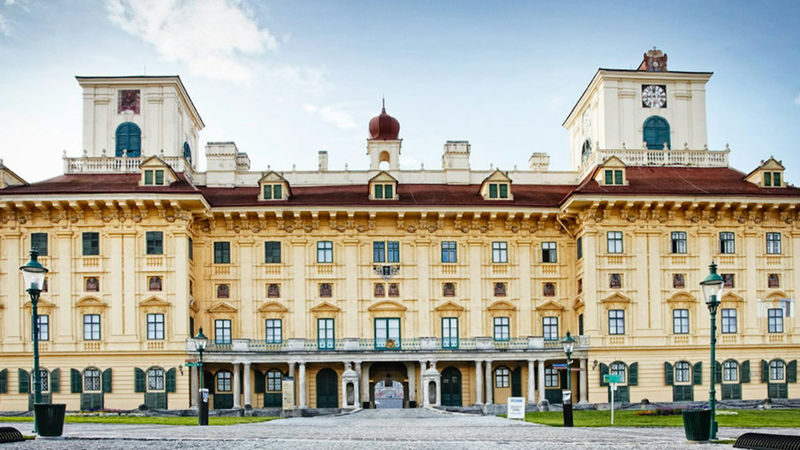
Esterházy Palace began as a building in the late 13th century. It later became a lavish residence for the influential Esterházy family, who made it their home for more than 300 years. That long span gives the rooms more meaning than a simple parade of fine décor: you are seeing the setting of a family’s changing fortunes and tastes.
The visit is in Eisenstadt, the capital of Burgenland, and the palace sits at Esterhazyplatz 1. Its scale is one of its practical strengths. You can explore an important aristocratic residence without necessarily needing to set aside a full day for a vast complex. There is no set pace to follow on the self-guided tour, which gives you room to pause where an object or room catches your attention.
I would approach the palace as a sequence of contrasts. The bel étage gives you the formal, public face of noble life: carefully furnished rooms, artwork, and the sense of ceremony that comes with a grand residence. Then the route takes you down to the historic cellars, where the Wine Museum shifts the focus from display to storage and wine culture.
You can also read our reviews of more tours and experiences in Eisenstadt.

Start upstairs in the bel étage
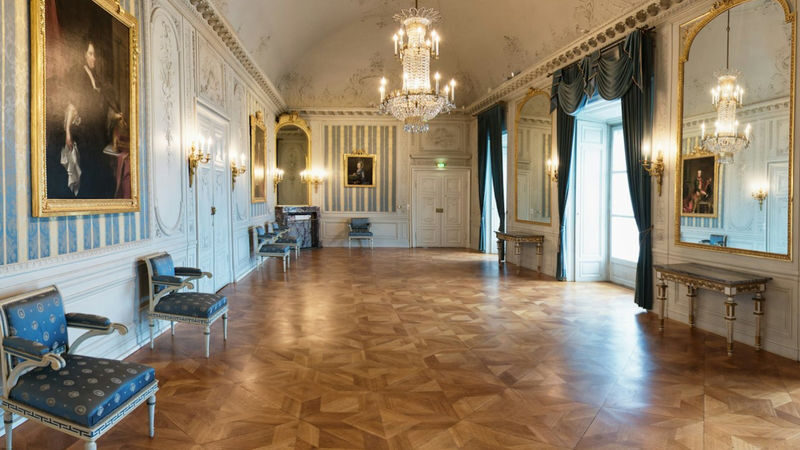
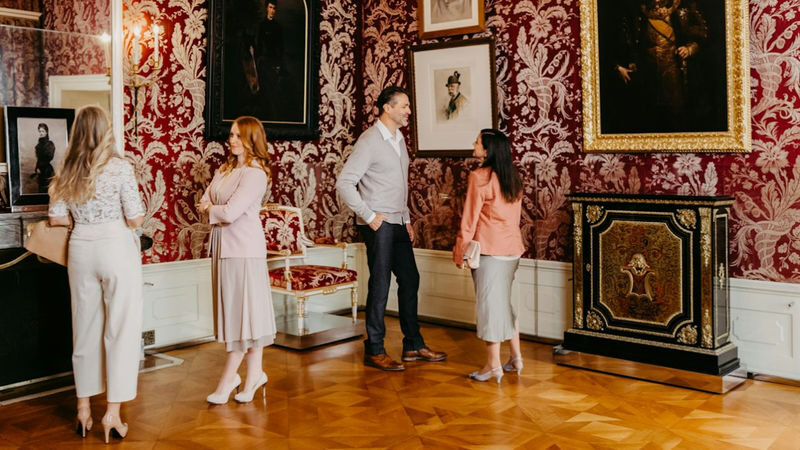
The bel étage is the palace’s main draw for anyone curious about how the Esterházy family lived and presented itself. These principal rooms are richly decorated with historic furnishings and artwork. Rather than rushing through them as a string of ornate interiors, look at how the rooms work together to project status and taste.
A self-guided visit gives you control over that pace. If a room’s furnishings or artworks interest you, you can linger. If you prefer to keep moving, there is no group schedule to hold you back. The trade-off is that you do not have an included audio guide to provide narration as you go. The ticket information does not specify another guide format, so if you value detailed room-by-room interpretation, plan for a quieter, more independent visit.
The palace’s history stretches across more than 300 years of Esterházy family residence. That makes the building useful for understanding aristocratic life as a lived setting, not just a collection of objects. The rooms give you a sense of the family’s public wealth and domestic surroundings, while the exhibits add a closer look at the objects associated with that world.
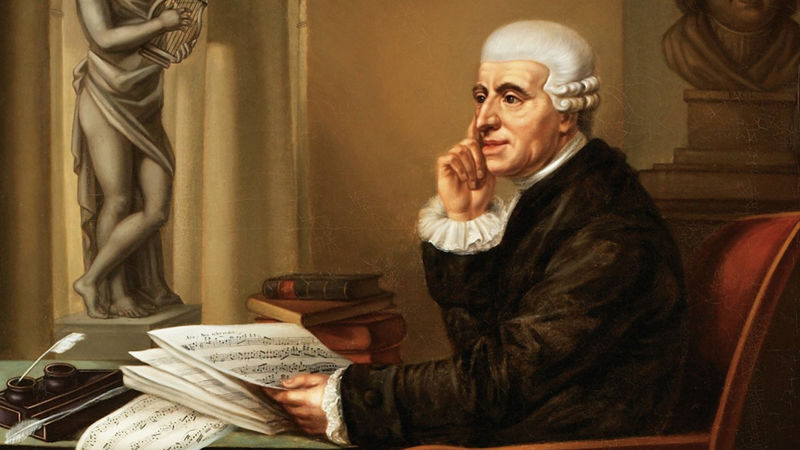
One room to keep in mind is the Haydnsaal. It is sometimes not accessible, so do not make it the sole reason for booking. Access can vary, and the rest of the palace and cellar remain the core of the ticketed visit.
Look closely at the silver collection
The Esterházy family silver is one of the visit’s most distinctive features. The palace displays the world’s largest surviving Neoclassical silverware collection, a claim that makes this more than a passing glance at a few decorative pieces.
Silverware can be easy to treat as mere luxury. Here, it offers a way to think about how a powerful family marked its place in society through objects made for formal use and display. The Neoclassical style also gives you a clear visual thread to look for as you move through the collection. If you enjoy decorative arts, allow yourself enough time to take in the pieces rather than treating them as a quick stop between rooms.
This is also a good reason to visit even if you have already seen other aristocratic palaces. The silver collection gives Esterházy Palace a subject of its own, rather than making it only another grand house with elaborate interiors.
Head down to the Wine Museum
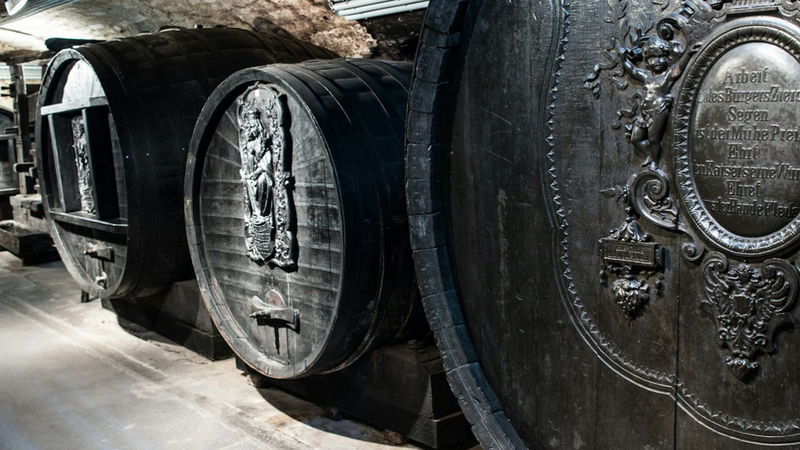
The Wine Museum is located in the palace’s historic underground cellars, and it changes the tone of the visit. Upstairs, the palace speaks through formal rooms and refined furnishings. Below, the large barrels and cool cellar setting make the experience more tactile and practical.
You do not need to be a wine enthusiast to find the cellar worth seeing. Its appeal comes partly from the setting itself: stone, underground space, and the scale of the barrels. In summer, that cool air can also be a welcome break from the heat outside. The cellar visit gives the palace a useful second act, instead of leaving you with only rooms to look at.
The museum is included with admission to the palace. That adds real value to the ticket, especially if you would otherwise choose just one attraction in Eisenstadt. Give yourself time for both levels, and remember that the cellars may feel cooler than the rooms above.
Is $23.45 a fair price?
The ticket starts at $23.45, though the final price may vary. For that starting price, admission includes Esterházy Palace and its temporary and permanent exhibitions, plus the Wine Museum. You are paying for a combined visit to furnished rooms, the silver collection, and historic cellars, rather than a single exhibit or one brief room.
The value depends on how you like to visit. If you enjoy exploring at your own pace and are happy without an included audio guide, the self-guided format can work well. If you rely on detailed spoken commentary, remember that the audio guide is not included and factor that into your expectations.
The palace’s modest scale can also help the ticket feel worthwhile. A visit that is not too large to manage may fit neatly into a day in Eisenstadt, while still giving you several different things to see. The included cellar museum adds variety and a cooler indoor stop in warm weather. Just avoid judging the value by the Haydnsaal alone, since it is sometimes inaccessible.
Getting to Eisenstadt and planning your visit
The meeting point is Esterházy Palace, Esterhazyplatz 1, 7000 Eisenstadt. Bus line 200 runs from Vienna Central Station to Eisenstadt, and the palace information also lists lines 235, 284, 669, 1158, and 1835 to the Eisenstadt Esterhazystraße stop. From that stop, it is about a five-minute walk to the palace.
If you are travelling from Vienna, the bus option makes the palace a possible day trip. Check your departure and return times before you go, especially if you want to see both the rooms and the cellar without rushing. The visit itself is self-guided, but no duration is specified, so allow the time you need rather than assuming you can fit it into a fixed short slot.
Opening hours depend on the season. The listed schedule is 10:00 to 17:00, with the palace open daily from June through August, Tuesday through Sunday in September and October, and Saturday and Sunday in November and December. The palace is listed as closed on Monday in September and October, and closed Monday through Friday in November and December. Hours and closures may change, so check the latest details before you travel.
You can book for the same day, with instant confirmation, but the voucher is valid only on the selected date and time if one is specified. Present the mobile voucher to enter directly. Free cancellation is available with at least 24 hours’ notice, based on local time.
Children, access, and a few useful limits
Children aged 0 to 6 enter free. Children aged 0 to 11 must be accompanied by a paying adult, and children aged 16 or older pay the adult rate. Children aged 7 to 15 need to present valid identification; students need a valid student ID.
The activity is wheelchair-accessible, which is helpful if you need step-free access information. Pets are not allowed. Since the Haydnsaal is sometimes unavailable, it is sensible to treat it as a possible extra rather than a guaranteed part of your visit.
Who should book this palace ticket?
I would choose this visit if you want an easy-to-manage palace tour with more than one kind of experience. The bel étage rooms provide the aristocratic setting, the silver collection gives you a specific reason to look closely, and the Wine Museum takes you into the historic cellar. That mix makes the ticket more interesting than a walk through formal rooms alone.
It is a good fit for independent visitors who enjoy reading displays and choosing their own pace. It also suits anyone making a day trip from Vienna who wants a cultural stop beyond the city, provided the bus schedule works for the day. Families can benefit from free admission for children under seven, though the adult accompaniment and identification rules matter for older children.
I would hesitate if you want a guided tour with included narration, or if a particular room is essential to your plans. The ticket does not include an audio guide, and the Haydnsaal is not always accessible. Check the season’s opening pattern, confirm current access, and book if the rooms, silver, and cool underground cellar all sound like a good use of your time in Eisenstadt.
Esterhazy Palace ticket
“We took a bus from Vienna Central Station to the palace. It wasn't too large, which made it just the right size to explore. The underground wine ce…”
FAQ
What does the Esterházy Palace ticket include?
It includes admission to Esterházy Palace, its temporary and permanent exhibitions, and the Wine Museum in the historic underground cellars.
Is an audio guide included?
No. An audio guide is not included in the ticket.
What are the palace’s opening hours?
The listed hours are 10:00 to 17:00. From June through August, the palace is open daily; in September and October, it is open Tuesday through Sunday; in November and December, it is open on weekends. Check current hours before visiting, as they may change.
How do I get to the palace from Vienna?
Bus line 200 runs from Vienna Central Station to Eisenstadt. Lines 235, 284, 669, 1158, and 1835 also serve the Eisenstadt Esterhazystraße stop, about a five-minute walk from the palace.
Is the palace wheelchair-accessible, and are pets allowed?
The activity is listed as wheelchair-accessible. Pets are not allowed.
Do children need a ticket?
Children aged 0 to 6 enter free, and children aged 0 to 11 must be accompanied by a paying adult. Children aged 16 and older pay the adult rate. Children aged 7 to 15 need valid ID, and students need a valid student ID.
Can I cancel my booking?
Yes. You can receive a full refund if you cancel at least 24 hours before the activity date, using local destination time.