Hong Kong’s folk traditions come into sharp focus on this five-hour walk and tram ride. You’ll visit a temple built in 1863, learn about the Tai Hang Fire Dragon Dance and see how villain hitting fits into local custom. The route ends in Central, where the city’s historic buildings meet modern architecture and Feng Shui beliefs.
I like that the tour links living customs with the places and buildings around them, rather than treating each stop as a separate photo opportunity. I also like the mix of walking, a Hong Kong-style tea stop and a Ding Ding tram ride, which gives the afternoon a good change of pace.
The main consideration is the price: the advertised starting figures vary by package, and the schedule is full. You’ll get the most from it if you’re comfortable walking between stops and want cultural context more than long visits at any one site.
- Lin Fa Temple dates to 1863, and the visit introduces folk customs including Kwun Yum Treasury Opening.
- The Fire Dragon Heritage Centre explains Tai Hang’s Fire Dragon Dance, a National Intangible Cultural Heritage tradition.
- Villain hitting is part of the afternoon, with one adult experience included in the tour fee. It is not included for children under 11.
- Yee Wo Street’s circular footbridge offers a distinctive stop for photos before afternoon tea.
- A Ding Ding tram ride connects the eastern part of the route with an exploration of Central and Western District heritage and Feng Shui ideas.
- Start with Tai Hang’s Lin Fa Temple
- See Tai Hang’s fire dragon tradition
- Pause at Yee Wo Street’s circular footbridge
- Take a Hong Kong-style tea break
- Try the villain-hitting ritual in Bowrington
- Ride the Ding Ding into Central
- Read Central’s buildings through Feng Shui
- Weigh the five-hour route against the price
- Should you book this Hong Kong culture tour?
- FAQ
- How long is the tour?
- Where do I meet the guide?
- Where does the tour end?
- Is the Ding Ding tram ride included?
- Is villain hitting included in the price?
- Is a live Fire Dragon Dance part of the tour?
- Can children under 3 join the tour?
- The Best Of Hong Kong!
- More Historical Tours in Hong Kong
- More Tours in Hong Kong
- More Tour Reviews in Hong Kong
- Not for you? Here's more nearby things to do in Hong Kong we have reviewed
Start with Tai Hang’s Lin Fa Temple
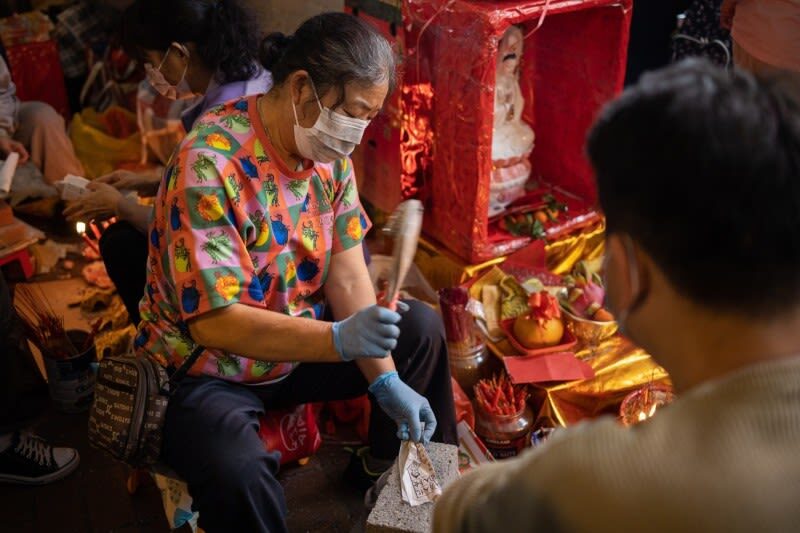
The tour begins at 1:30 pm, with a meeting inside Tin Hau MTR Station at Exit A1. From there, the first stop is Tai Hang Lin Fa Kung, also called Lin Fa Temple. Built in 1863, it gives you a starting point for learning about Hong Kong’s folk customs, including the Kwun Yum Treasury Opening.
The temple visit is guided, so you can ask what the customs mean instead of simply looking around and moving on. The supplied details do not spell out the ceremony’s full practice or guarantee that a treasury-opening event takes place during your visit. Treat this as an introduction to the tradition, not a promise to see a ceremony in progress.
The first stop also sets the tone for the rest of the afternoon: the tour is about how customs remain part of the city’s identity, not just about its famous skyline. If you’re hoping for an extended temple visit, note that the schedule allows about 35 minutes here before the group moves on.

👉 See our pick of the Best Historical Tours In Hong Kong
See Tai Hang’s fire dragon tradition
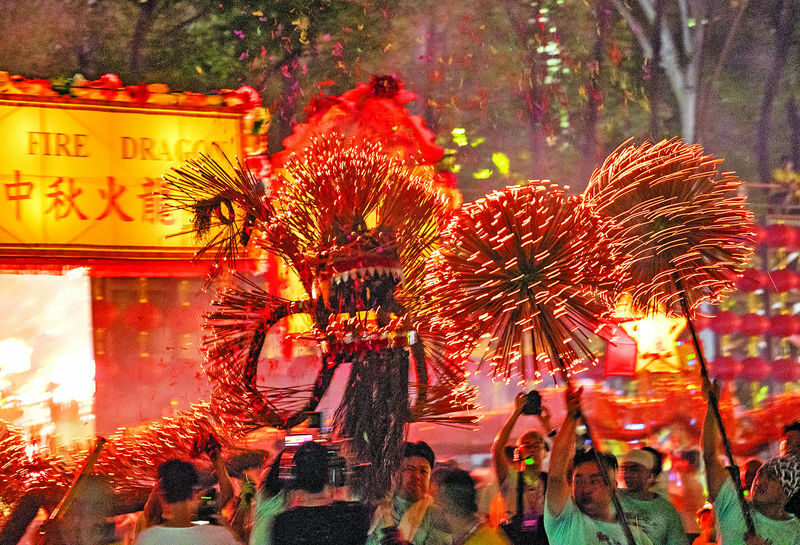
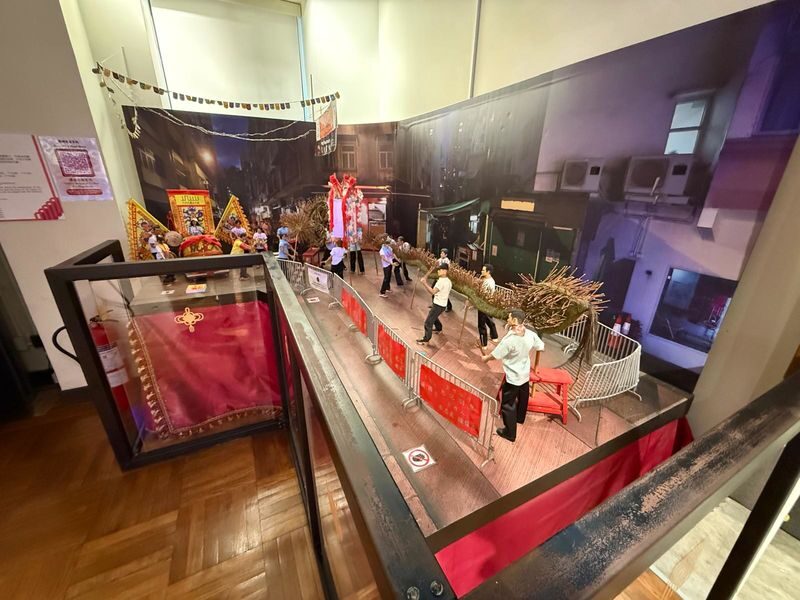
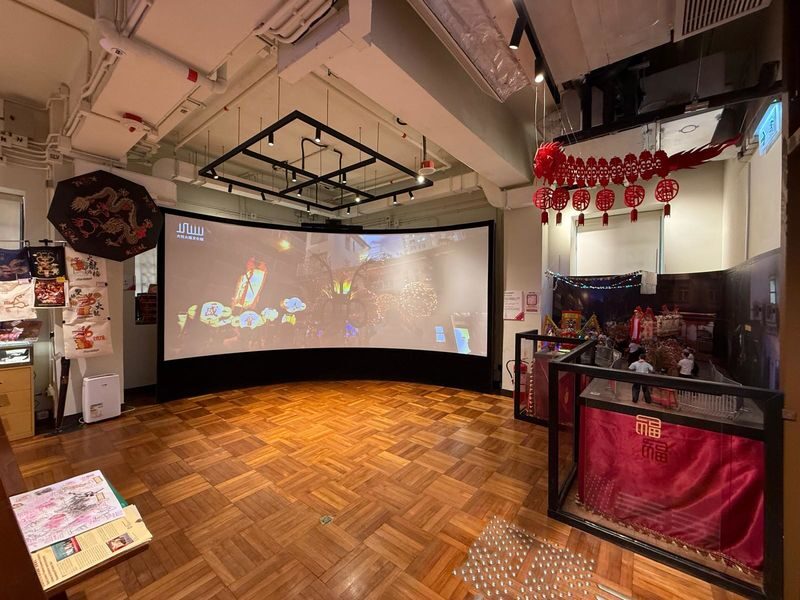
At 2:15 pm, the route continues to the Tai Hang Fire Dragon Heritage Centre. Its subject is the Fire Dragon Dance, a tradition recognized as National Intangible Cultural Heritage. The centre gives you a chance to learn about this local practice even if you are not visiting during a performance.
That distinction matters. The schedule promises a guided visit to the heritage centre, not a live fire dragon dance. You’ll get more from the stop if you are curious about the tradition and its place in Tai Hang, rather than expecting a festival spectacle.
Together, the temple and heritage centre make a useful pair. One introduces older folk customs, while the other focuses on a tradition that has become a defining part of the district’s cultural life. The guided format helps connect those subjects to the neighborhood around you.
You can also read our reviews of more historical tours in Hong Kong


Pause at Yee Wo Street’s circular footbridge
Around 3 pm, the tour stops at Yee Wo Street’s well-known circular footbridge. It is an easy place to take a photo and a change of scene after the heritage centre. The stop is brief, so think of it as a visual pause rather than a major sightseeing visit.
The bridge’s distinctive shape makes it a practical photo stop, but the broader value is the contrast: the tour moves between heritage sites and everyday urban spaces. You are not spending the whole afternoon in museums or temples.
Take a Hong Kong-style tea break
At about 3:15 pm, you’ll stop for afternoon tea at a local Hong Kong-style café, or cha chaan teng. These cafés grew from a blend of Cantonese food and Western dining influences, drawing on the older ice rooms, hotels and Western restaurants that shaped the city’s food culture.
This is a welcome sit-down break in a packed itinerary. It also gives you a taste of a familiar local institution, rather than a generic café stop. The schedule describes afternoon tea, but does not specify a menu or confirm exactly what food and drink are included, so check the package details before you count on a full meal.
If you have dietary needs, the supplied information does not identify specific menu options. Ask the operator before booking rather than assuming the café can accommodate them.
Try the villain-hitting ritual in Bowrington
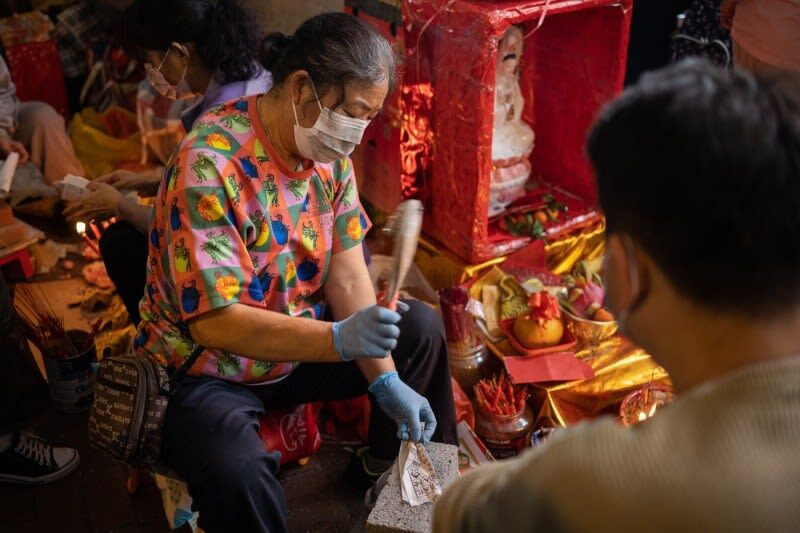
At 4:15 pm, the tour reaches Bowrington for villain hitting, a folk custom recognized as Intangible Cultural Heritage. The activity is meant to give you a direct encounter with a tradition that can be difficult to understand from an explanation alone.
The tour fee includes one villain-hitting experience for each adult. Children under 11 are not included in that experience, so families should factor that in when deciding whether the activity suits everyone in their group. The supplied details do not explain exactly how the ritual is performed, so your guide is the person to ask about its meaning and what to expect before taking part.
This is one of the tour’s most distinctive elements. If you want more than a conventional heritage walk, it gives the afternoon a hands-on cultural moment. If you would rather observe than participate, ask the guide how the stop works for non-participants.
Ride the Ding Ding into Central
After Bowrington, you’ll board a Ding Ding tram. The fare is included in the tour fee. The tram is one of the world’s oldest, and its slow pace and familiar clang as it moves along the tracks offer a very different way to cross the city from the MTR.
That slower ride is part of the appeal. It gives you time to watch the streets pass by and hear the tram at work, rather than treating transport as dead time. The tour then continues along the Central and Western District Heritage Trail, passing historic buildings and sites that help show the city’s cultural range.
The schedule does not list every building or heritage site you’ll pass, and traffic or weather can change the timing. Expect a guided overview of the district, not a detailed interior visit at every stop. If a particular building matters to you, ask your guide about it while you are on the route.


Read Central’s buildings through Feng Shui
At around 6 pm, the tour turns to Feng Shui and urban design. Hong Kong’s buildings can carry beliefs and symbolic meanings alongside their practical purposes. The discussion focuses on the legendary Feng Shui contest involving Bank of China Tower and HSBC’s building in Central, sometimes described as a battle between the silver tower and HSBC’s design.
This is a useful way to look at familiar buildings with fresh questions. Instead of seeing the towers only as office blocks, you’ll hear how Feng Shui ideas are said to influence design and city planning. The supplied details do not outline the claims in depth, so think of this as an introduction rather than a specialist architectural lecture.
The final stop brings the tour’s subjects together: folk customs, historic places, modern buildings and the beliefs that connect them. At about 6:30 pm, the tour ends at Central MTR Station, where you continue on your own.
Weigh the five-hour route against the price
The tour is listed from US$77.65, while the E2 package option is shown from US$67.55. Prices can vary by package, so check the exact option and inclusions before paying. The adult villain-hitting experience and Ding Ding tram tickets are included, as are tour guide gratuities. The itinerary includes an afternoon tea stop, but the listed inclusions do not clearly specify the food cost.
For value, you are paying for more than transport between attractions. The route combines a guided temple visit, a cultural heritage centre, the villain-hitting activity, a tram ride and an introduction to Central’s heritage and Feng Shui. That is a lot for one afternoon, especially if you prefer having local context supplied as you go.
The trade-off is pace. The schedule moves through several stops over five hours, with no long block of free time. It suits you if you like a structured introduction to different sides of Hong Kong. If you prefer to linger, explore independently or spend an hour in a single museum, you may find the route too brisk.
One participant with an elderly father who had mobility issues found the guide willing to adjust the route to suit him. The guide was also described as punctual, clear in giving instructions, helpful with photos and able to communicate in English and Chinese, including Cantonese. That is encouraging for visitors who may need practical support, but it is not a guarantee that every mobility need can be accommodated. Contact the operator ahead of time to discuss your situation.
The meeting point is inside Tin Hau MTR Station at Exit A1. Arrive five minutes early and look for the guide holding a Klook sign. The tour ends at Central Station, where you are dismissed to continue on your own. The schedule may change because of weather or traffic, and late arrivals or no-shows are not refundable.
Infants and children must be counted in the passenger total. Children aged 0 to 2 can travel free if they do not need a separate seat. The activity requires at least two participants; if it is cancelled for lack of a minimum group, a refund is offered.
Should you book this Hong Kong culture tour?
Book it if you want a guided, varied introduction to Hong Kong customs, with a chance to try villain hitting and ride the Ding Ding tram. The strongest fit is a curious first-time visitor who enjoys walking, local food culture and explanations of why a place matters. The guide’s reported flexibility and practical help are a plus if you need a little support along the way.
Skip it if you want a slow day, a live fire dragon performance or a guaranteed full meal. Those are not promised. For the best match, confirm the price and food details for your chosen package, consider the walking pace, and make sure the under-11 rule for villain hitting works for your group.
Hong Kong Villains Hitting & Fire Dragon Cultural Heritage Tour
“Guide was able to adjust the route for us to cater to my elderly father who had mobility issues. Able to speak decent English and perfect Chinese a…”
FAQ
How long is the tour?
It runs from 1:30 pm to 6:30 pm, for about five hours. The schedule may change because of traffic or weather.
Where do I meet the guide?
Meet inside Tin Hau MTR Station at Exit A1. Arrive five minutes before departure and look for a guide holding a Klook sign.
Where does the tour end?
The tour ends at Central MTR Station at about 6:30 pm. You continue on your own from there.
Is the Ding Ding tram ride included?
Yes. Ding Ding tram tickets are included in the tour fee.
Is villain hitting included in the price?
One villain-hitting experience is included for each adult. It is not included for children under 11.
Is a live Fire Dragon Dance part of the tour?
The tour includes a guided visit to the Tai Hang Fire Dragon Heritage Centre to learn about the Fire Dragon Dance. A live performance is not specified.
Can children under 3 join the tour?
Infants and children must be included in the passenger headcount. Children aged 0 to 2 can travel free if they do not occupy a separate seat.