Gannan’s appeal is its mix of wide-open grasslands and Tibetan Buddhist sites, linked by roads that pass through some striking high-country scenery. I like that this seven-day route pairs Labrang Monastery and Langmusi with places such as Zhagana and the First Bend of the Yellow River. I also like the small group size, plus the driver’s practical help with daily plans and meal suggestions.
The trade-off is time on the road: some days include several hours of driving, and the altitude averages about 3,000 metres. Lodging is selected for this remote region, but it may feel simpler than a hotel of the same stated class in a major city. Plan for a full, active week rather than a slow-paced retreat.
- Gannan in six memorable details
- Day 1: Arrive in Lanzhou and ease into the trip
- Day 2: From the Yellow and Tao Rivers to Hezuo
- Day 3: Take Locke’s Road toward Zhagana
- Day 4: Catch Zhagana’s morning light, then cross the grasslands
- Day 5: Horse riding and a long run to Lianbaoyeze
- Day 6: Wetlands, Langmusi and Sangke Prairie
- Day 7: Labrang Monastery, Ganjia and the return to Lanzhou
- What the small-group format means in practice
- What the price covers, and where extras add up
- Prepare for altitude, weather and road time
- Who should book this Gannan circuit?
- FAQ
- Where does the tour start and end?
- How many people are in each group?
- What accommodation is included?
- Are lunch and dinner included?
- How long are the drives?
- What extra fees might I need to pay?
- What should I bring?
- What time should I book onward travel from Lanzhou?
Gannan in six memorable details
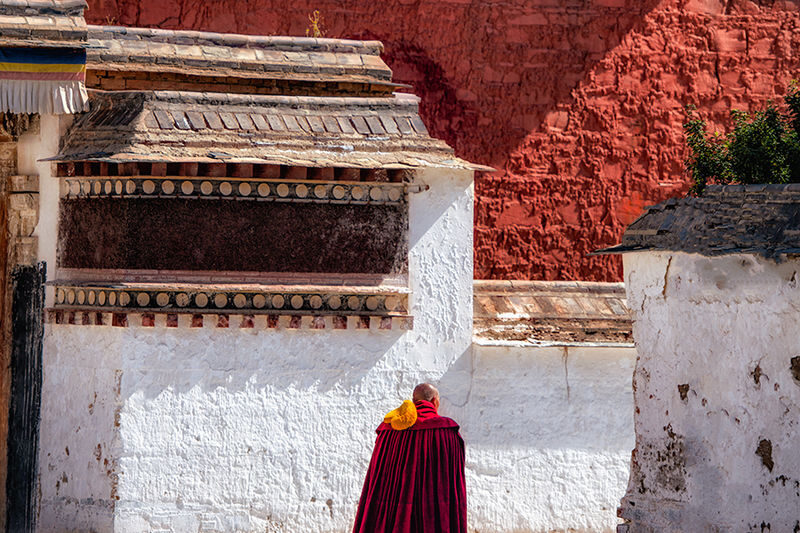
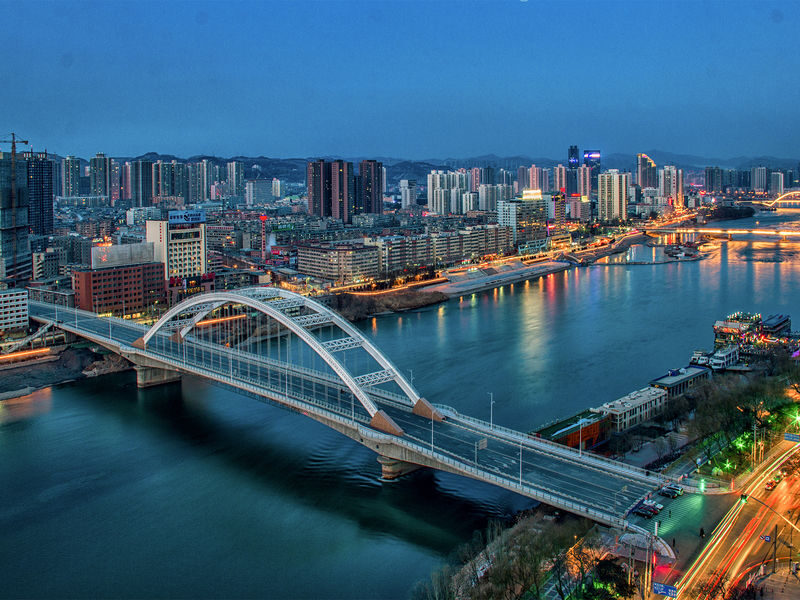
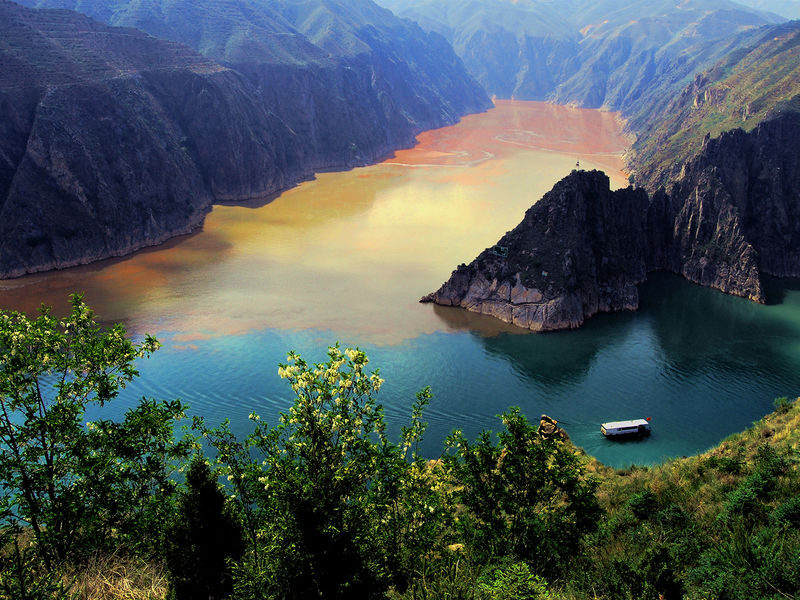
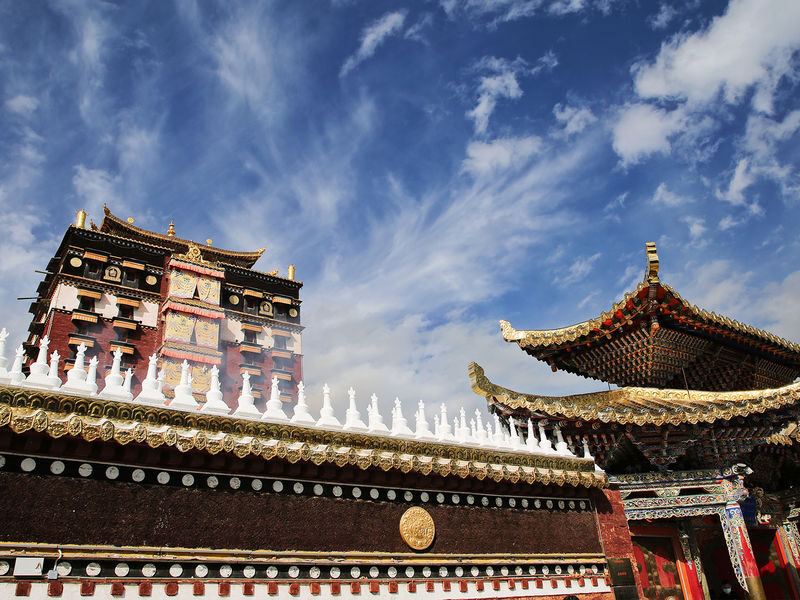
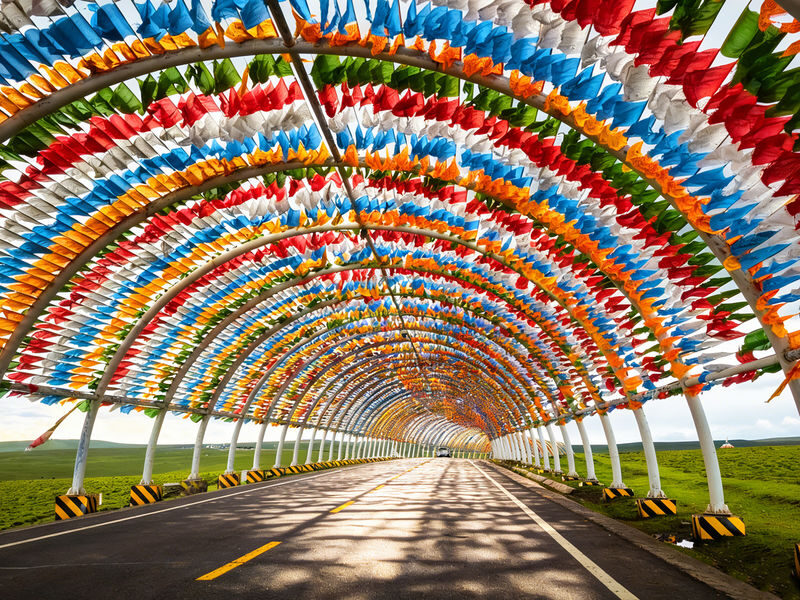
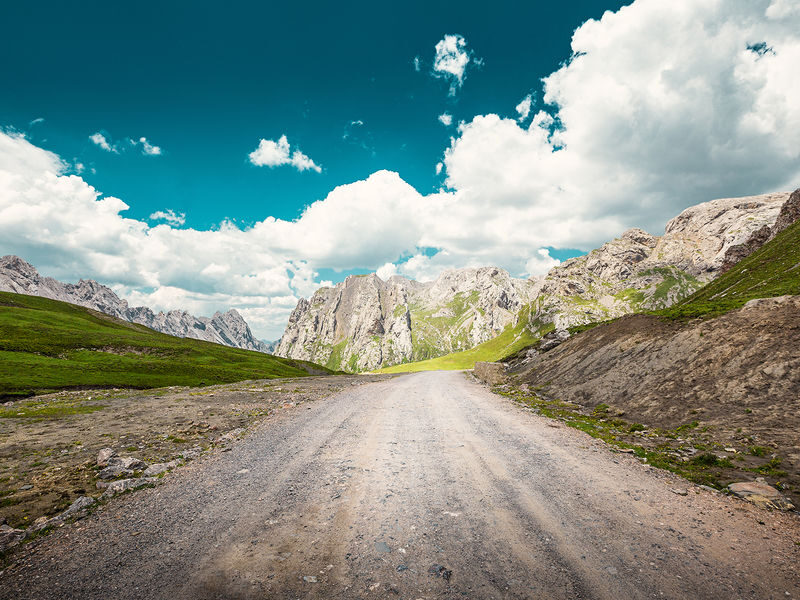
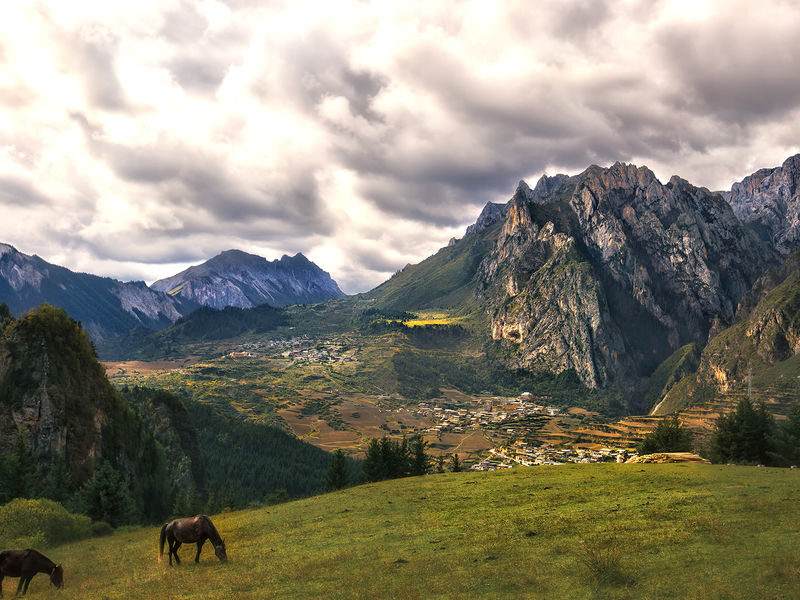
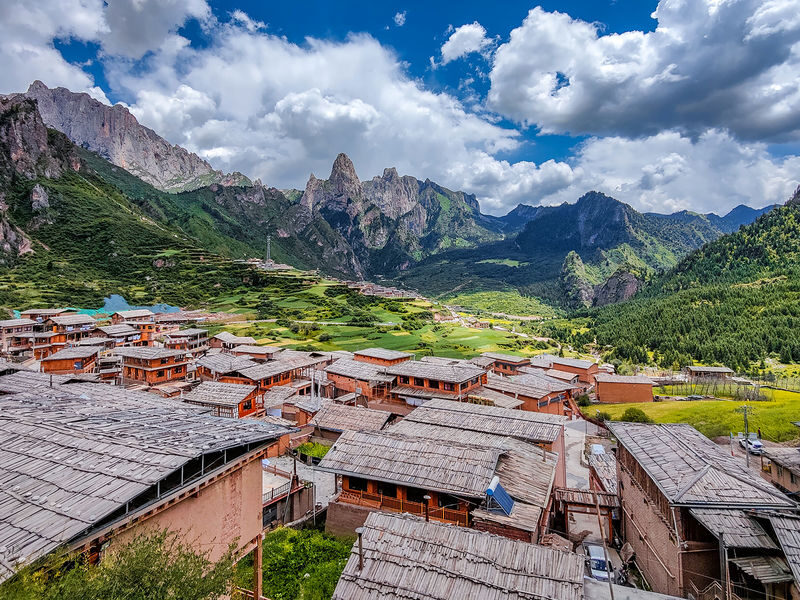
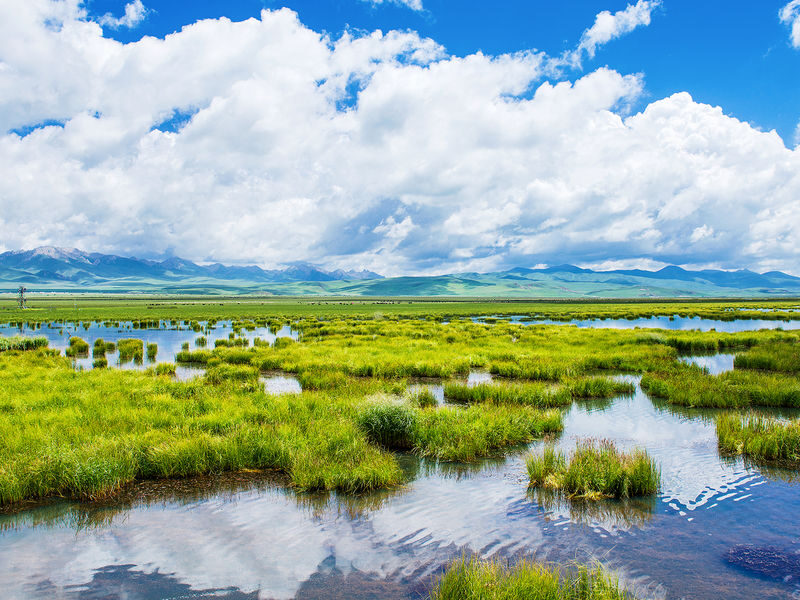
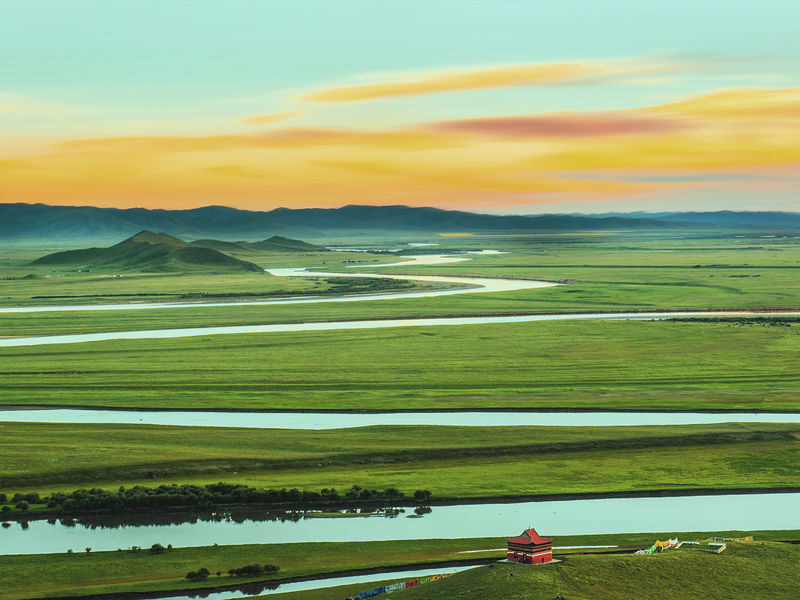
- Zhagana at sunrise: Spend the night in a Tibetan-style guesthouse, then see the morning light before setting off.
- The First Bend at sunset: The route aims to reach the Yellow River bend for evening views, weather and timing permitting.
- A road called Locke’s Road: Day 3 crosses this scenic route when conditions allow; closures or bad weather can mean a highway detour.
- A small group on long drives: Groups have 2 to 5 people, with an SUV for 2 or 3 and a seven-seat vehicle for 4 or 5. Seats rotate.
- A taste of local life: The Zoige Prairie stop includes a horseback-riding experience, Tibetan-style tea break and an introduction to the Tibetan language.
- Driver support, not a temple guide: Your driver helps with tickets and practical advice, but does not enter attractions to give professional explanations.
Day 1: Arrive in Lanzhou and ease into the trip
The first day is a gathering day, with airport pickup and a hotel night in Lanzhou. There is no fixed sightseeing schedule, so if you arrive early you can explore on your own. Zhongshan Bridge, the first bridge over the Yellow River, is one suggested stop; Xiguan Mosque and the Gansu Museum are also listed as options.
This gentle start is useful after a flight, but do not mistake it for a guided city tour. The pickup is available around the clock, though vehicles may wait 30 to 40 minutes for nearby flights. Send your flight details and party size at least two days ahead, as requested.
Day 2: From the Yellow and Tao Rivers to Hezuo
The first full travel day brings a striking meeting of rivers, followed by Milarepa Buddha Pavilion, Meiren Prairie and a crossing through a tunnel of prayer flags. The route then continues to Hezuo for the night. These stops set up the week well: you get an early taste of the region’s open country and Buddhist culture without starting with an especially long hike.
The day involves several transfers, with stated drive times of about two hours to the river confluence, then roughly two and a half hours onward to the pavilion. Expect stops to break up the driving, but keep your day bag handy and your expectations realistic. This is a moving itinerary, not a base-stay holiday.
Day 3: Take Locke’s Road toward Zhagana
From Hezuo, the route crosses Locke’s Road, also described as the Jiangdie Highway crossing, before reaching Zhagana. The road is part of the appeal: it gives the day a sense of passage through remote country, rather than simply carrying you between two towns. But the operator may switch to a highway if road controls or bad weather make the route unsuitable.
At Zhagana, you’ll take a light hike around Fairy Beach. It is a chance to stretch your legs and see the area on foot after a drive listed at around five hours. There is an extra 40-yuan scenic shuttle bus fee within Zhagana. The night is in a standard Tibetan-style guesthouse, a more place-specific stay than the hotels elsewhere, though comfort and facilities may be more basic.
Day 4: Catch Zhagana’s morning light, then cross the grasslands
An early start gives you a chance to see Zhagana in the morning light. Then the route heads to Ruoergai Flower Lake, with its entrance ticket and scenic transport included, before continuing to the First Bend of the Yellow River for sunset. You spend the night in Tangke Town.
This is one of the most visually varied days, moving from mountain scenery to a wetland stop and then a broad river view. It is also a long one: the listed drives total about five hours, not counting time at the stops. Sunset depends on weather and road timing, and the First Bend’s escalator ticket is not included.
Day 5: Horse riding and a long run to Lianbaoyeze
The day begins across the Ruoergai grassland, with a horseback-riding experience, Tibetan-style tea break and a chance to learn some Tibetan. These included activities offer a small change of pace from viewpoints and vehicle time. The horse ride is an experience, not a full riding excursion, and no duration is specified.
Afterward, the route continues to Lianbaoyeze and Jiuzhi County. The drive is substantial: the itinerary estimates about five hours to Lianbaoyeze, followed by about two more hours to Jiuzhi. A segmented shuttle inside Lianbaoyeze costs an additional 65 yuan. If you are prone to motion sickness, pack medication and keep it within reach rather than buried in your luggage.
Day 6: Wetlands, Langmusi and Sangke Prairie
The morning includes Awancang Wetland, followed by Langmusi and a light hike in Namo Grand Canyon. The route then crosses Sangke Prairie before reaching Xiahe County. This day links natural stops with a significant Tibetan Buddhist destination, but the long drive is again central to the experience. The published estimates put the drive from Jiuzhi to Langmusi at about four hours, with roughly three hours from Sangke to Xiahe.
Langmusi is presented as a sacred Buddhist site, and the Namo Grand Canyon walk adds a little time outside the vehicle. Keep a respectful pace around religious places: follow posted rules, and do not photograph Buddha images inside temples or temple halls. The schedule also mentions Gedi Monastery among included tickets, but it does not clearly place that stop in the day-by-day route, so ask the operator if it matters to you.
The highlights also refer to Gemo Monastery and Dacang Langmu Saichi Monastery, including a sky-burial platform. These are not clearly scheduled as stops in the daily plan. Do not assume you will visit them without checking before booking. In particular, approach any site connected with funeral customs with care and follow local guidance.
Day 7: Labrang Monastery, Ganjia and the return to Lanzhou
The final morning is for Labrang Monastery, an important centre of the Gelug school of Tibetan Buddhism. The schedule describes a visit for blessings and the possibility of hearing monks chanting, though exact timing is not guaranteed. Ganjia Secret Realm follows, before the drive back to Lanzhou.
This is a packed finish. The drive from Xiahe to Ganjia is estimated at about an hour, followed by around four hours to Lanzhou, with a stated end time of 18:00 at Lanzhou West Railway Station. Build in a margin: the schedule may change with traffic and weather. For onward travel, the operator recommends trains after 20:00 or flights departing after 22:00. Check the station details carefully, since the transfer to Zhongchuan Airport involves an intercity train.
What the small-group format means in practice
A group of 2 to 5 keeps the vehicle compact and makes it easier to coordinate stops than on a large coach tour. For 2 or 3 people, the vehicle is a five-seat SUV; for 4 or 5, it is a seven-seat commercial vehicle. The front passenger seat and other seats rotate, so do not count on having the same place for the entire week.
The driver also acts as a travel butler, helping with tickets and offering suggestions. That is practical support, not a substitute for a specialist guide at monasteries or scenic sites. Past guests singled out drivers for clear daily instructions, useful dinner recommendations and a good sense of humour. Master Zhang was praised for communicating departure times and what to expect at stops; Master An Li was remembered for keeping the ride comfortable and fun. These are examples of the service style, not a promise of a particular driver.
There is complimentary aerial photography, with one slot guaranteed. If a tour date fills three vehicles, the arrangement includes a travel photography session with two camera positions in total. It is a nice extra, but it is not a reason to choose the trip on its own: the main value is the route and the small-group transport.
What the price covers, and where extras add up
The tour is advertised from $1,025.20. A separate private-tour option is listed from $891.49, so confirm which package, dates and group arrangement the price you see applies to before booking. The figures may reflect different options, and should not be treated as equivalent without checking.
The package includes six nights of accommodation, breakfast each day, transport, listed attraction tickets, a driver, airport pickup, one bottle of water per person per day and emergency oxygen in the vehicle. The stays range from a four-star hotel in Lanzhou to simpler properties in Hezuo, Tangke, Jiuzhi and Xiahe, plus the Tibetan-style guesthouse in Zhagana. The operator cautions that lodging standards in Gannan may be below those of similarly rated hotels in large cities.
Lunch and dinner are not included. The suggested meal cost is 30 to 80 yuan per meal, depending on what you choose, so budget separately for up to 12 meals across the week. Other possible extras include the Zhagana sightseeing bus, the Lianbaoyeze shuttle and the First Bend escalator. Complimentary activities may not be refunded if weather or other force majeure prevents them.
The value is strongest if you want a lot of ground covered without arranging each transfer, ticket and hotel yourself. It is less compelling if you prefer independent stops, long stays at one site or included meals. The long drives are not a hidden inconvenience; they are the price of linking these distant places in one week.
Prepare for altitude, weather and road time
The average altitude is around 3,000 metres, and some people may develop headache, dizziness, weakness or trouble sleeping. Take it easy, drink water, get enough sleep and avoid strenuous exercise at first. If you have health concerns, seek medical advice before travelling; the activity is not recommended for people with heart disease or hypertension.
Expect dry air, strong sun and a large temperature difference between day and night. Bring sunscreen, sunglasses, a hat, a warm jacket, comfortable walking shoes and any regular or motion-sickness medication you need. One 24-inch suitcase or smaller plus a backpack is recommended, since oversized luggage may not fit comfortably in the vehicle.
The route passes through Muslim communities as well as Tibetan Buddhist sites. Respect local rules: do not bring outside non-halal food into halal restaurants, avoid alcohol there, do not touch religious objects and ask before taking photographs. These small courtesies help keep visits respectful.
Who should book this Gannan circuit?
I’d consider this trip if you want to see a broad slice of Gannan and nearby western Sichuan in one week, and you are comfortable with early starts, long drives and a changing hotel each night. It suits people who value practical transport and a compact group more than free time or expert commentary at every stop.
Families should check the child rules closely. Children aged 12 and older pay the adult rate. Children under 1.2 metres may share an adult’s bed; children over 1.2 metres and under 12 have additional admission and breakfast charges, and a separate bed costs extra. Participants must be under 75, and people aged 65 or older must provide a medical certificate. The activity is not recommended for children aged 0 to 4, people with heart disease or hypertension, or women more than one month pregnant.
Book it if the draw of Zhagana, Labrang, the grasslands and the long scenic road links outweighs your need for leisure time. Before paying, confirm the exact package price, which optional stops are scheduled, and the final Lanzhou drop-off plan. That quick check can prevent mismatched expectations on a trip where the route itself is the main event.
Beyond Gannan: 7-Day, 6-Night Gannan Secret Realm Experience for Small Groups of 2-5 People
“Thank you for arranging this trip. We especially appreciate our driver, Master Zhang, who clearly communicated important information each day, such…”
FAQ
Where does the tour start and end?
The tour starts in Lanzhou, with airport pickup on Day 1. It ends at Lanzhou West Railway Station at 18:00 on Day 7.
How many people are in each group?
The small-group option is for 2 to 5 people. A private-tour option is also listed, with no strangers sharing the group.
What accommodation is included?
The package includes six nights: one in Lanzhou, one in Hezuo, one in a Tibetan-style guesthouse in Zhagana, and one each in Tangke, Jiuzhi and Xiahe. Room categories vary by town.
Are lunch and dinner included?
No. Breakfast is included throughout the stay, but other regular meals are not. The stated typical cost is 30 to 80 yuan per meal.
How long are the drives?
Several days involve multiple hours on the road. Listed estimates include about five hours to Zhagana on Day 3, about five hours of driving on Day 4, and roughly seven hours between Jiuzhi, Langmusi, Sangke and Xiahe on Day 6.
What extra fees might I need to pay?
Possible additional costs include the 40-yuan Zhagana scenic bus, the 65-yuan Lianbaoyeze shuttle, the First Bend escalator, meals and other non-included optional activities or transport.
What should I bring?
Bring a suitcase no larger than 24 inches, a backpack, sunscreen, sunglasses, a hat, a jacket, comfortable shoes and any medication you may need. Motion-sickness medicine may be useful for the long drives.
What time should I book onward travel from Lanzhou?
The tour is scheduled to finish at 18:00 at Lanzhou West Railway Station. The operator recommends booking trains after 20:00 or flights departing after 22:00, and advises buying airport-train tickets in advance.