Dachau was the first Nazi concentration camp and the longest-running, opening in 1933 and operating until the end of the regime. I like two things about this half-day visit: a guide helps connect the buildings to the history they represent, and the documentary adds another perspective after you have walked the grounds.
One thing to plan for: the trip uses public transport, not a private coach, and the site is too large to explore every display in depth during a five-hour tour. If you want to read every panel at your own pace, an independent visit may suit you better.
- Key points before you book
- Why visit Dachau with a guide
- From Munich by train and bus
- Walking the memorial grounds
- The documentary and what it adds
- How the five hours are used
- Price and what you get for it
- Who will get the most from this tour
- Should you book the Dachau tour?
- FAQ
- How long is the Dachau tour?
- Where does the tour meet in Munich?
- What departure times are available?
- Is transport by private bus?
- What is included in the price?
- Can children join the tour?
- Is the memorial site wheelchair-accessible?
- What should I bring?
- The Best Of Bavaria!
- More Tours in Bavaria
- More Tour Reviews in Bavaria
- Not for you? Here's more nearby things to do in Bavaria we have reviewed
Key points before you book
 1 / 8
 2 / 8
 3 / 8
 4 / 8
 5 / 8
 6 / 8
 7 / 8
 8 / 8
- The journey uses a train and bus: Round-trip transport is arranged, but this is not a private vehicle transfer.
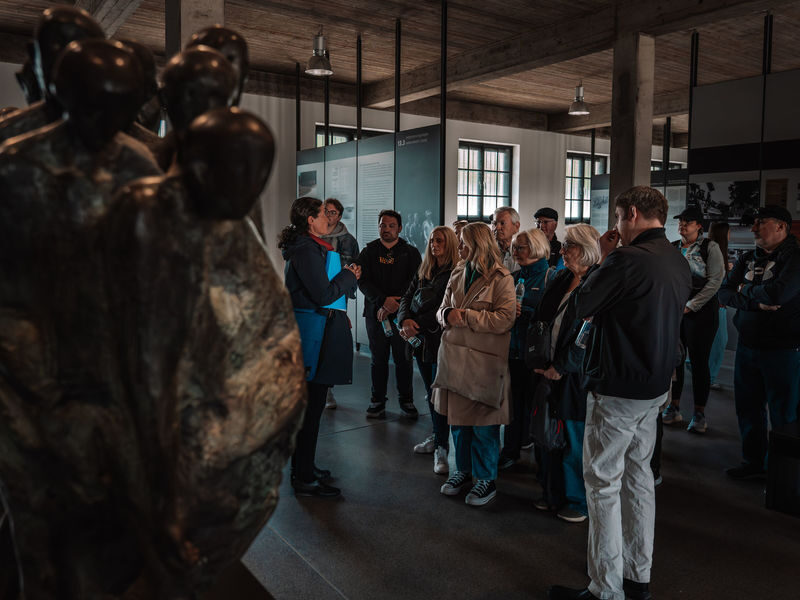
- The memorial visit is guided: Expect an overview of the camp’s history, surviving structures, prisoner life, and resistance.
- A documentary is part of the experience: It provides further context on the prisoners’ experiences and the camp’s history.
- The grounds are mostly outdoors: Bring water, food, walking shoes, and clothing for the day’s weather.
- The tour is for ages 13 and up: Some of the subject matter and exhibits may be distressing.
- Time is limited: The guided route gives you a structured introduction, but not unlimited time to read every display.

👉 See our pick of the Best Workshops And Classes In Bavaria
Why visit Dachau with a guide
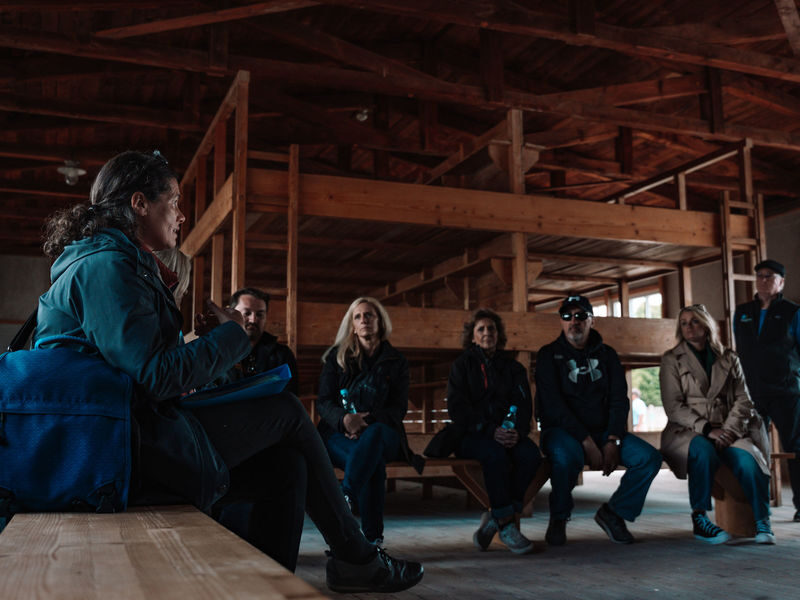
Dachau is a memorial and museum, not a conventional day-trip attraction. The visit asks you to consider how the Nazi regime used the camp, what prisoners endured, and how the site documents those crimes today. A guide can make the chronology easier to follow and explain the significance of the surviving buildings as you move around the grounds.
That context matters here. Without it, you may find yourself trying to take in a large site and its displays while also working out what you are looking at. A guide gives the visit a clear structure, with an explanation of the camp’s origins, its development, and the people who were imprisoned there.
Guides vary by date. Past tour leaders have included Connie, Keith, Steve, Jake, Richard, Hein, and Nick. The best part of a guided visit is not simply the amount of information, but the chance to hear difficult history explained with care. The subject calls for a measured tone, and the tour is intended to be respectful and informative rather than entertaining.
You can also read our reviews of more tours and experiences in Bavaria.


From Munich by train and bus
The meeting point is Radius Tours’ office at Dachauer Str. 4 in Munich. You can choose from departure times of 09:00, 10:15, or 12:15, depending on availability. Arrive 15 minutes early; groups leave on time, and joining a moving tour is not a good way to begin a serious visit.
From Munich, the group travels by public train and then bus to Dachau. The journey takes around 45 minutes according to tour participants, though traffic, weather, and transport conditions can affect the schedule. The transfer is included, but do not picture a private minibus waiting outside the office. You follow the guide through the public transport connections.
For many people, that is a fair trade. You do not have to plan the route or manage the transfers on your own, while the public transport journey keeps the trip practical. If you are expecting a chauffeured ride, however, this arrangement may surprise you. Leave a buffer after the scheduled return if you have a flight, train, or other firm appointment. Public transport delays can happen.
Walking the memorial grounds
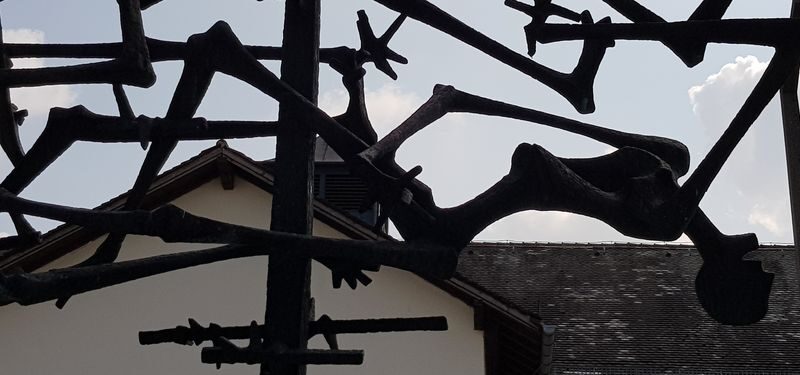
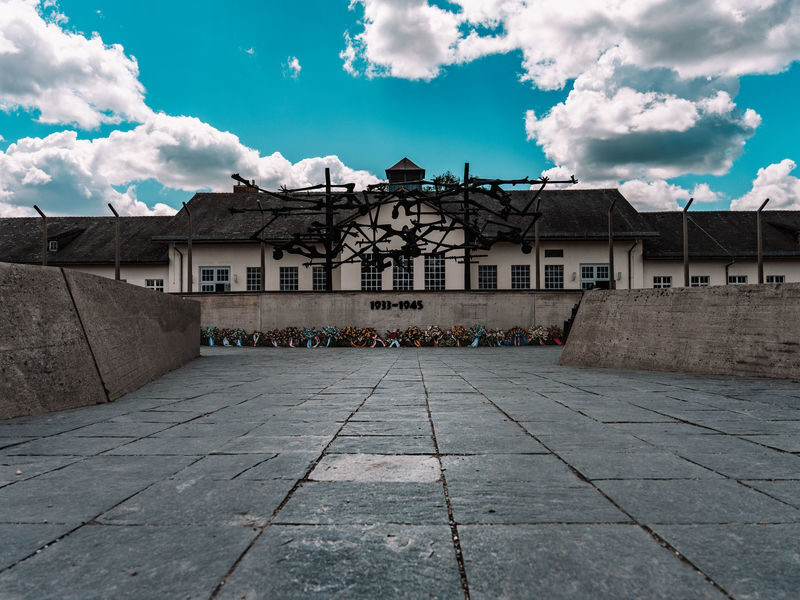
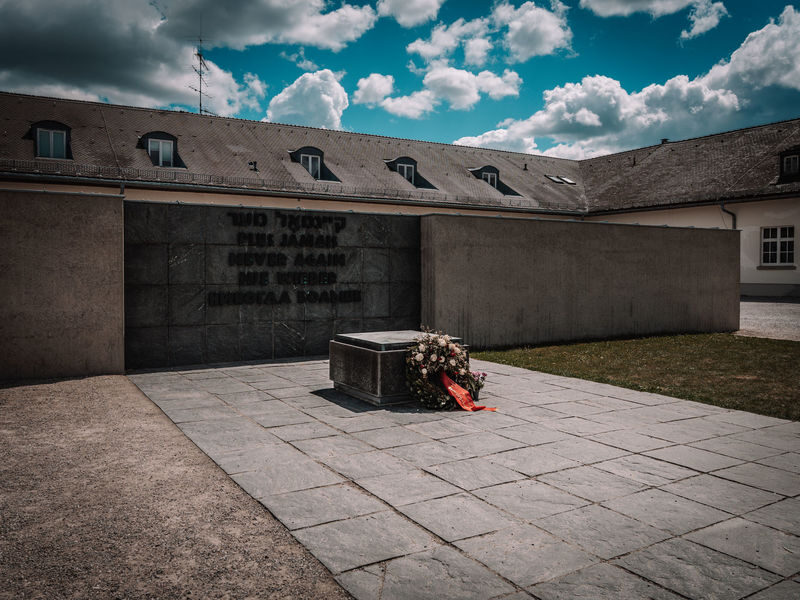
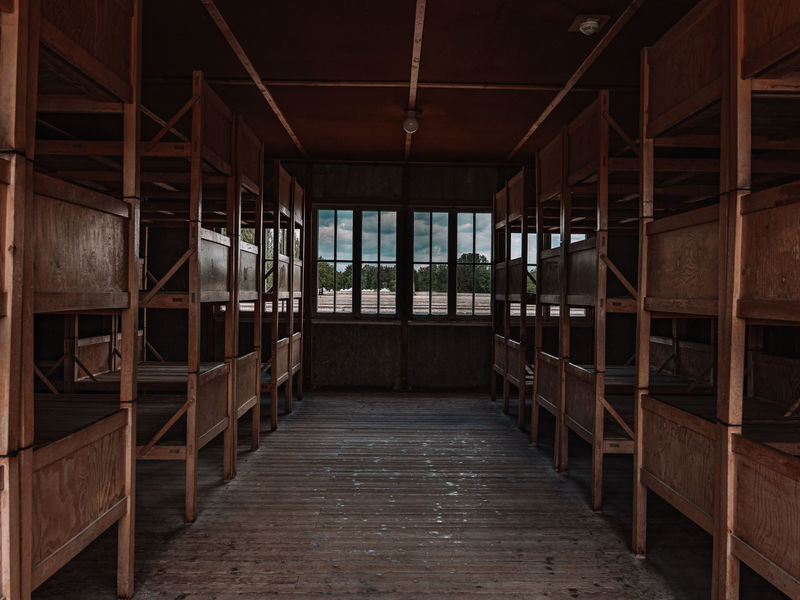
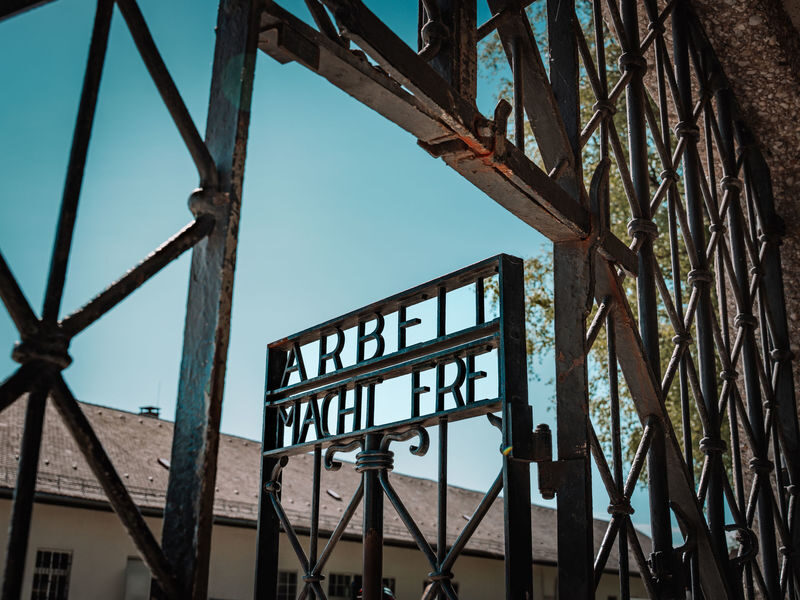
Dachau opened in 1933, first holding political prisoners, and became a model for the concentration camp system that followed. The tour takes you through surviving buildings and facilities and explains how the site operated and what prisoners faced. It also covers resistance and the crimes committed there.
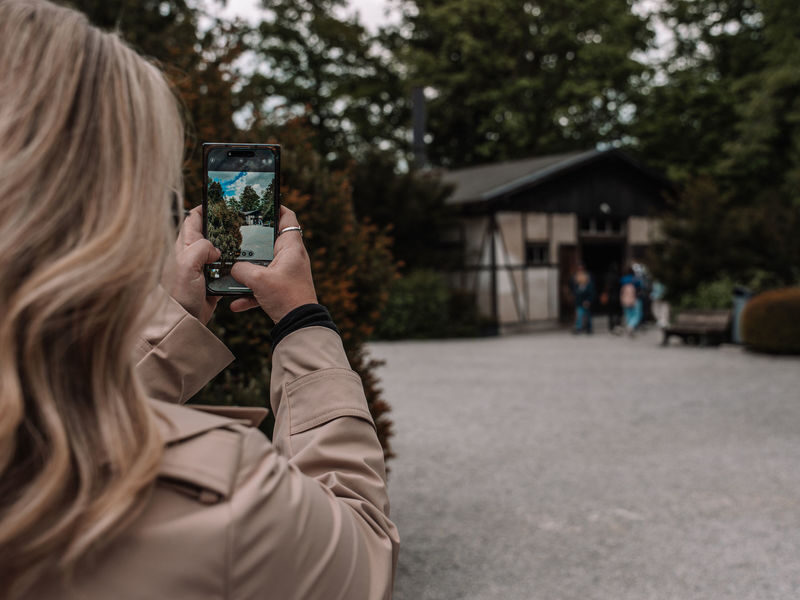
The setting is large and mostly open to the weather. You will be on your feet as the guide leads the group between areas, so comfortable walking shoes are a sensible choice. Rain, cold, heat, and wind can all shape the visit. Bring a water bottle, some food, and clothing suited to the forecast.
This is a place for attentive listening and quiet conduct. The exhibits and guide’s account may include distressing details, so consider carefully whether the experience is right for anyone in your party. Participants must be at least 13 years old, and parental discretion is advised for younger teenagers who meet the age requirement.
The tour’s value is in getting a considered introduction, not checking off every sign and display. Dachau has more material than a five-hour outing can cover. Some visitors would like additional independent time to read exhibits the guide does not address. If that is your priority, you may want to plan a separate visit or go independently with an audio guide.
The documentary and what it adds
The visit concludes with a documentary about the camp’s history and the suffering of its prisoners. After walking the grounds and hearing the guide’s account, the film offers a chance to absorb more information in a different format. It also helps round out a visit that moves through a large site at a set pace.
The documentary is not a light ending, and that is appropriate. Dachau’s history is hard to take in all at once. The film gives you another opportunity to understand what happened there, while reinforcing why the memorial exists.
The experience as a whole is often described as moving and educational, with careful explanations and a pace that helps people follow the main story. That said, no group tour can guarantee the same guide, or the same balance between explanation and quiet time, on every date. If you prefer to spend as long as you want with each display, independent exploration offers more freedom.
How the five hours are used
The advertised duration is five hours, including the journey from Munich and back. The main stop is the Dachau Concentration Camp Memorial Site, where the group takes a guided tour before returning to the Radius Tours office. The order and timing may shift because of traffic or weather.
Five hours makes this a manageable half-day outing, but it is not a leisurely, all-day museum visit. You get a guided introduction without having to organize the transit yourself, which is useful if you have only one open morning or afternoon in Munich. The compromise is limited time for unplanned browsing.
The available return times are 14:00, 15:15, or 17:15, with the option linked to the departure time and itinerary. Treat these as schedule choices, not a promise that you will be back at the exact minute. If you have an important connection, give yourself breathing room.


Price and what you get for it
The join-in tour is shown from US$53.45, while another displayed starting price is US$61.45. Prices can vary, so check the amount for your chosen date before booking. The package includes an English-speaking guide and round-trip transfers from the meeting point. Meals, drinks, personal expenses, and tips are not included.
The main value is convenience and interpretation. You could make your own way to Dachau and explore independently, but then you would be responsible for the transport plan and would need to decide how to approach a large, serious memorial. The guided option gives you an organized route and a historical framework in one half-day.
The memorial site itself is described as free to visit in some tour information, so the paid tour is best understood as payment for the guide and transport arrangement, rather than simply an admission ticket. Check what is included for your exact booking, especially if a package description or price differs. If you are comfortable navigating on your own and prefer an audio guide, independent travel may cost less and leave you more time for the displays.
Group size ranges from 4 to 30 people. The minimum is four; if it is not met, you can choose another date or request a full refund. A group gives you the benefit of a guide’s explanation without requiring you to plan the visit, but the pace and question time are shared.
Who will get the most from this tour
I would choose this tour if you want a clear, guided introduction to Dachau and would rather not manage the journey by yourself. It is especially useful if you have limited time in Munich, want the historical background explained in person, or feel that a memorial visit benefits from a structured route.
It is less suited to you if you want to read every exhibit at length, need a wheelchair-accessible activity, or expect private transport. The tour is not wheelchair-accessible, and much of the visit takes place outdoors. A self-guided visit may be the better fit if independent pacing matters more than having an English-speaking guide.
The experience can be emotionally demanding. Think about how the topic may affect you and anyone joining you, and avoid treating the site like an ordinary sightseeing stop. Respectful behavior is requested, and some of the material may warrant extra care for younger participants.
Should you book the Dachau tour?
Book it if you want a practical half-day visit with transport arranged and a guide to explain the camp’s history, prisoner experience, and memorial grounds. The guide is the core of the value, and the documentary gives the visit a useful final layer.
Choose an independent visit if you are comfortable arranging public transport and want more time for the museum displays. Either way, prepare for an outdoor visit, bring water and food, and leave enough time afterward to reflect. Dachau is a place to approach with care, not a stop to squeeze between errands.
Dachau Concentration Camp Tour From Munich
“our guide was knowledgeable and experienced. an important place and chapter of history to visit and remember. never forget, never again”
FAQ
How long is the Dachau tour?
The tour lasts about five hours, including the journey from Munich and the guided visit at the memorial site.
Where does the tour meet in Munich?
The meeting point is the Radius Tours office at Dachauer Str. 4, 80335 Munich. Arrive 15 minutes before your selected departure.
What departure times are available?
The listed departure choices are 09:00, 10:15, and 12:15. Availability and the matching return time can vary.
Is transport by private bus?
No. The trip uses public transport, including a train and bus. Round-trip transfers from the meeting point are included.
What is included in the price?
The package includes an English-speaking guide and round-trip transfers to and from the meeting point. Meals, drinks, personal expenses, and tips are not included.
Can children join the tour?
Participants must be at least 13 years old. The subject matter and some exhibits may be distressing, so use parental discretion.
Is the memorial site wheelchair-accessible?
No. This activity is not wheelchair-accessible, and much of the tour takes place outdoors.
What should I bring?
Bring a water bottle, food, and walking shoes. Dress for the weather, since much of the visit is in an open, unsheltered setting.