At CSO Gallery, literature sits alongside old coins, banknotes, and stamps, making this a more unusual Hoi An stop than another walk through historic streets. I like the Tale of Kieu collection, which gives a literary landmark of Vietnam a place in the visit, and the chance to compare money and stamps from Vietnam with examples from other countries.
The main consideration is interest: this is a private collection, not a broad survey of every part of Vietnamese history. Give it 1 to 2 hours if books, coins, or stamps appeal to you; if they do not, the ticket may feel like a detour. Admission starts at $3.29, and the welcome coffee or tea adds a small, welcome pause.
- Key things to know
- A literary collection, not a standard Hoi An stop
- What to look for among the displays
- The Tale of Kieu gives the visit its focus
- Coins, banknotes, and stamps across borders
- The building and its place on Cua Dai
- What the ticket includes, and what it costs
- Practical details before you go
- Who will enjoy CSO Gallery most?
- Should you book?
- FAQ
- Where is CSO Gallery in Hoi An?
- How long should I allow for a visit?
- What are the gallery’s opening hours?
- What is included with admission?
- Which collections can I see?
- Are children admitted free?
- Can I leave and come back in?
- Can I cancel my booking?
- The Best Of Hoi An!
- More Tickets in Hoi An
- More Tours in Hoi An
- More Tour Reviews in Hoi An
- Not for you? Here's more nearby things to do in Hoi An we have reviewed
Key things to know
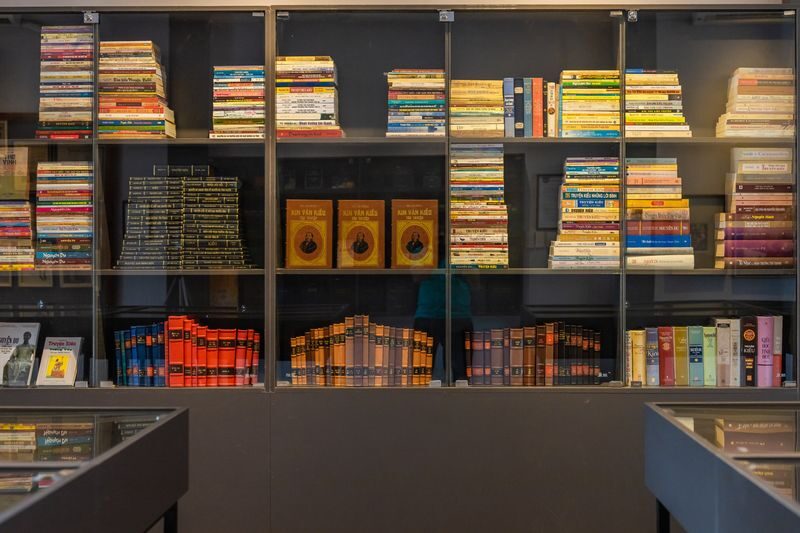
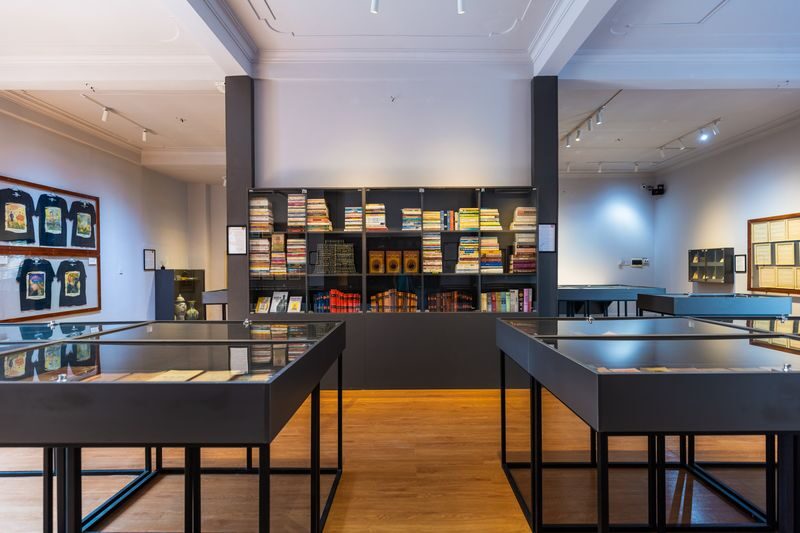
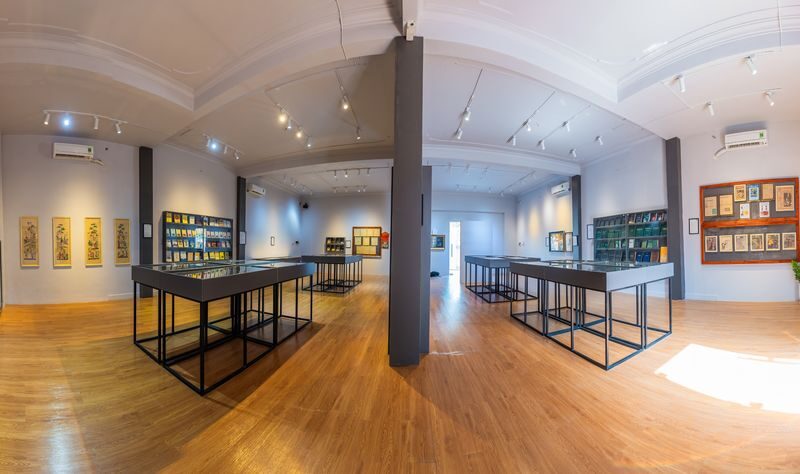
- The Tale of Kieu is a major focus: This well-known Vietnamese poem is presented through a dedicated collection.
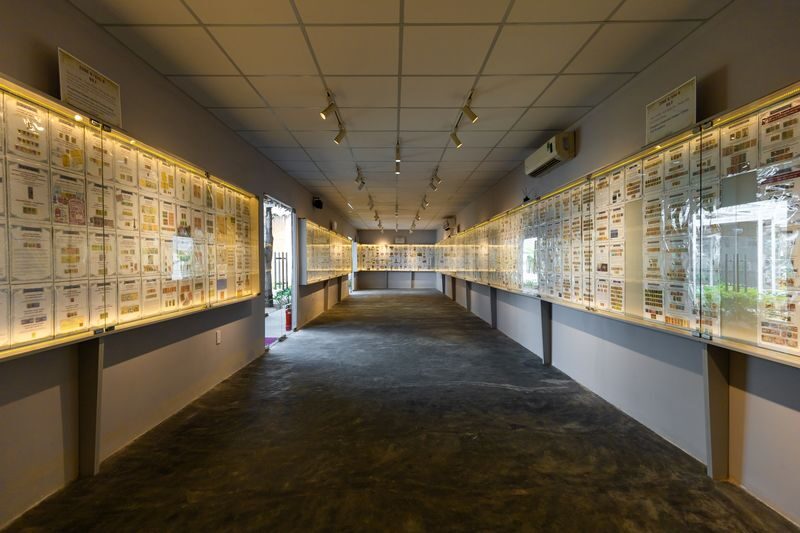
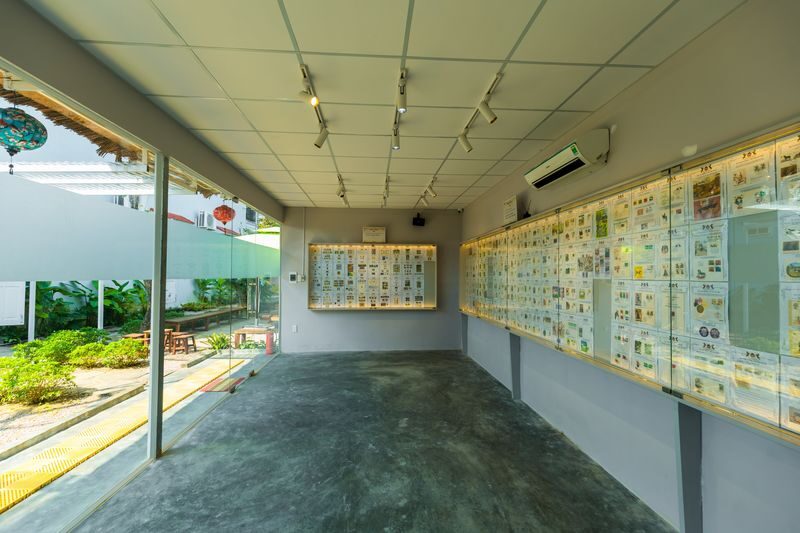
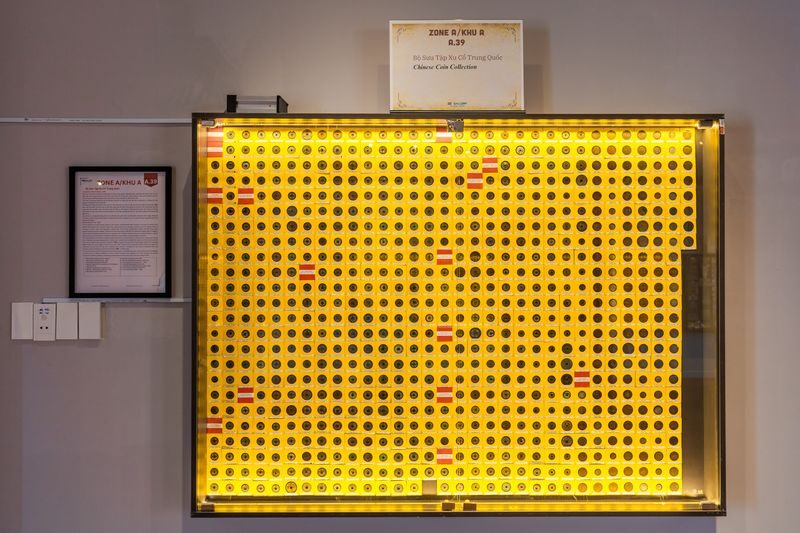
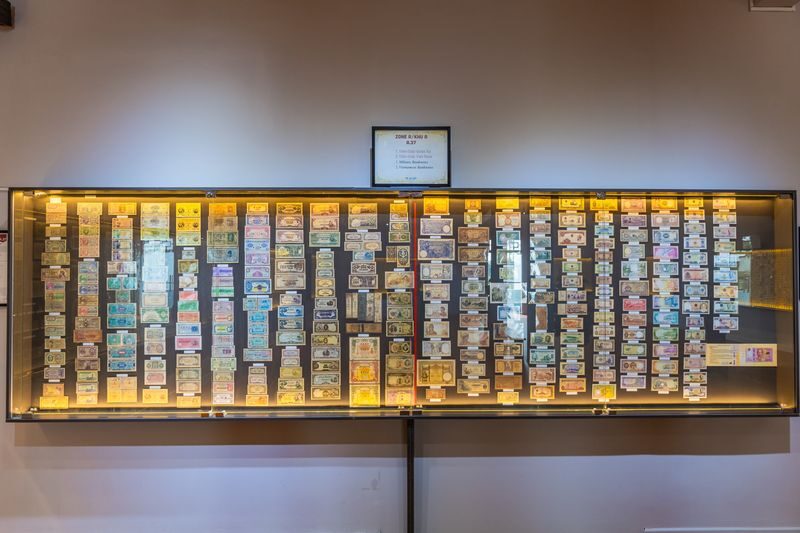
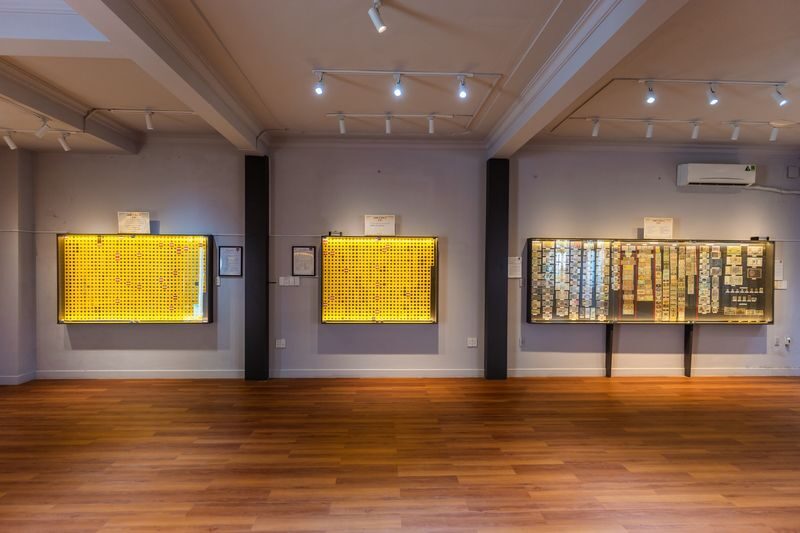
- Expect several kinds of collections: The displays include literature, Vietnamese and international coins and banknotes, and stamps, including world overprint stamps.
- Allow 1 to 2 hours: The gallery has thousands of collected items, so a quick pass may not do the displays justice.
- A drink comes with admission: You receive coffee or tea, while other personal expenses are not included.
- The setting is on Cua Dai: Find the gallery at 229 Cua Dai, on the road between Hoi An’s ancient town and Cua Dai Beach.
- Check the passport option and schedule: Separate ticket packages are listed for Vietnamese and non-Vietnamese passport holders. The gallery opens Tuesday to Sunday.
👉 See our pick of the 25 Best Shopping Tours In Hoi An
A literary collection, not a standard Hoi An stop
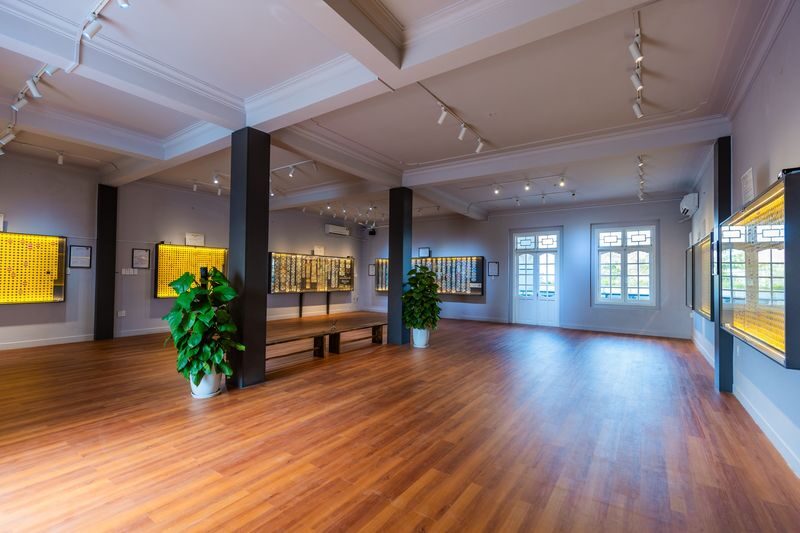
Hoi An is known for its old-town streets, but CSO Gallery offers a different kind of outing: a look at objects collected for the stories they carry. Its displays bring Vietnamese literary and historical material together with international coins, banknotes, and stamps. That mix makes the visit useful if you want a break from sightseeing built around architecture and shopping.
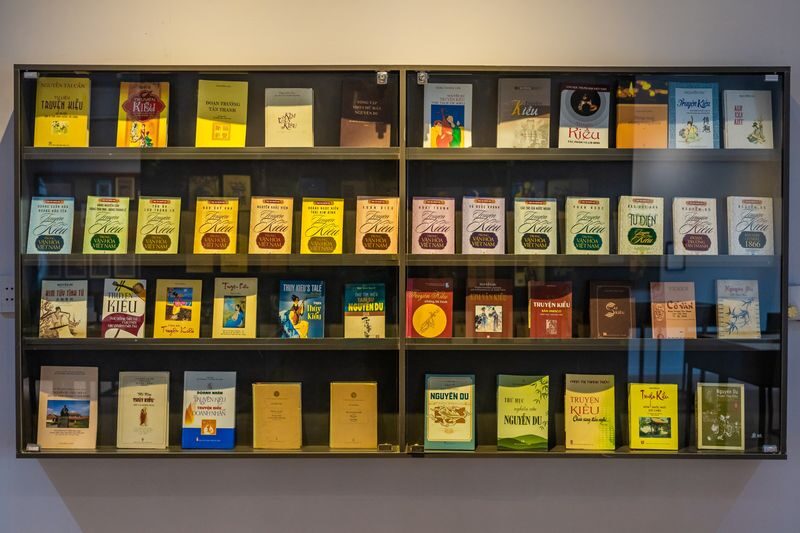
The collection’s most distinctive draw is the Tale of Kieu, also known as Truyen Kieu. It is described as one of Vietnam’s most popular works of poetry, and its place here gives the gallery a clear subject beyond simply showing old objects. If you do not know the story, reading a short summary before you go may help you follow the literary references. One visitor specifically found that preparation helpful, and it is sensible advice for a collection where the story behind the objects matters.
The gallery calls itself a living heritage space, linking artifacts with the land, people, and ways of life they represent. That idea comes through most clearly when you look at the objects as more than collectibles. A coin can point to a period of prosperity; a book or stamp can show how stories and images travel across borders. You will get the most from the visit if you take time to consider those connections rather than treating each display as a quick photo stop.
You can also read our reviews of more tours and experiences in Hoi An


What to look for among the displays
There is no detailed, timed itinerary provided, and the visit is best approached as a gallery visit rather than a fixed sequence of stops. Expect thousands of items spanning literature, coins, and stamps. With that much material, it helps to choose a few areas that interest you most, then allow time to browse beyond them.
Start with the Tale of Kieu collection if Vietnamese literature interests you. The work’s status in Vietnam gives this section cultural weight, but the displays may be easier to follow if you know the story’s outline first. You do not need to be a literature specialist. A basic sense of the plot can give context to what you see and make the collection feel less like an assortment of unfamiliar references.
Then look at the Vietnamese and international coins and banknotes. The range lets you compare money from different places, while the older coins offer a way to think about changing periods and past prosperity. The information available does not specify particular dates, rulers, or denominations, so go in ready to look closely rather than expecting a set history lesson on each item.
The stamp collection adds another angle. It includes world overprint stamps and other stamps, along with examples that connect to literature and cultural exchange. A visitor’s particular interest in Chinese coins and horse stamps points to the variety you might encounter, though no complete inventory is provided. If stamps are your main reason for coming, do not assume every rare or named example will be on view. The gallery’s overall collection is broad, but specific display details are not listed.
The Tale of Kieu gives the visit its focus
Among the gallery’s many objects, the Tale of Kieu is the section most likely to make this visit distinct from a general collection of antiques. The poem is widely regarded as a major work of Vietnamese literature, and seeing it presented as a collection can help you understand its reach beyond the page. The gallery connects literature with objects, including items that touch on Chinese literary influence.
That cultural context is valuable if you have already read or heard about the poem. If you arrive cold, the sheer importance of the work may be clear, while individual references remain harder to place. I would read a short plot summary before visiting, especially if you have limited time. It is a low-effort way to get more out of the display.
The collection also suits visitors who want a cultural stop that is not a performance or workshop. You can take it at your own pace and focus on the themes or objects that speak to you. But if you prefer learning through demonstrations or hands-on activities, this is not described as an interactive experience. Its appeal lies in looking, reading, and making connections.
Coins, banknotes, and stamps across borders
The money displays broaden the visit beyond Vietnam. Vietnamese and international banknotes and coins sit within a collection that treats currency as part of the record of people and place. Even if you are not a collector, the differences in design and form can hold your attention. The objects offer a simple way to compare how countries represent themselves through everyday items.
The stamps provide a parallel story. Their small size rewards close attention, and the world overprint collection gives you a specific category to look for. Other stamps are included too, but the gallery does not list the full set or explain how much space each category occupies. Think of this as a chance to browse a varied private collection, not a guaranteed checklist of particular pieces.
A visit can be especially worthwhile if you enjoy seeing subjects brought together in unexpected ways. Literature, coins, and stamps may seem like separate hobbies, yet here they connect through history, identity, and the movement of ideas. That range is also the reason some visitors may need a little time to settle into the gallery’s approach.
The building and its place on Cua Dai
CSO Gallery is at 229 Cua Dai, along a road described as running between Hoi An’s ancient town and Cua Dai Beach. Its architecture is presented as a blend of delicacy and age, drawing on native Vietnamese design. That setting gives the collection a local frame: this is not simply a display room detached from the city, but a cultural stop on a route between two familiar parts of Hoi An.
The address is useful when planning your day, but no travel time, transport service, or detailed directions are specified. Check a map before setting out, particularly if you are combining the gallery with the beach or old town. The nearest named landmark is Cua Dai Beach.
The gallery is open Tuesday through Sunday from 8:00 a.m. to 5:00 p.m. Last admission is 30 minutes before closing, so do not arrive close to 4:30 and expect a leisurely visit. Since the recommended duration is 1 to 2 hours, an earlier arrival gives you more room to look without watching the clock.
You can also read our reviews of more museum experiences in Hoi An


What the ticket includes, and what it costs
Admission starts at $3.29, though the available packages distinguish between Vietnamese ID or passport holders and non-Vietnamese passport holders. Check that you select the right option for your documents, and confirm the price shown for your ticket before booking. The starting price is useful as a guide, but the package and eligibility details matter.
The ticket includes admission to CSO Gallery and a welcome drink of coffee or tea. Other personal expenses are not included. One account of a visit describes an enthusiastic guide and interpreter, and says the ticket included them, but the listed inclusions name only admission and the drink. Since no guide is specified as a standard inclusion, check directly when booking if guided interpretation is important to you.
The price can seem high at first glance for a small museum-style stop, especially if you compare it with a simple entry ticket elsewhere. The value improves if you take time with the displays, want to understand the Tale of Kieu, or appreciate the range of coins and stamps. The included drink is a pleasant extra, but it should not be the main reason to buy. At 1 to 2 hours, the visit has enough scope to feel like a substantial stop for the right interests.
Practical details before you go
Book for a selected date, as the voucher is valid only on that date and, if applicable, the stated time. To enter, present the voucher and exchange it for a physical ticket. Free cancellation is available with at least 24 hours’ notice before the activity date, using destination local time. Booking changes are allowed up to 24 hours before the activity starts, subject to stated exceptions, so check the terms attached to your chosen booking.
Children 100 centimeters tall or below can enter free. Children 140 centimeters and above are charged the adult rate. The information does not specify the price rules for children between those heights, so confirm before booking if that applies to your family.
There is no re-entry after you leave. Outside food and drinks are not allowed inside, and pets are not permitted except service animals with valid identification. Smoking and drinking are prohibited. Anyone who appears intoxicated may be refused entry or service, without a refund. These rules are straightforward, but the no-re-entry policy is worth remembering if you are planning to step out during your visit.
Who will enjoy CSO Gallery most?
I would put this on the schedule if you are curious about Vietnamese literature, especially the Tale of Kieu, or if you like collections that mix local history with objects from around the world. It is also a useful option for a slower cultural stop between time in the old town and a trip toward Cua Dai Beach. The ticket is most worthwhile when you give the displays attention rather than treating the gallery as a brief add-on.
If you are travelling with children, the free entry threshold for those 100 centimeters and below may help, but the experience is focused on viewing collections. No child-specific activities are described. For a group with mixed interests, consider whether everyone will be content spending up to two hours among books, currency, and stamps.
You might prefer another Hoi An activity if you are looking for a hands-on craft session, a boat trip, or a show. CSO Gallery is quieter and more self-directed in feel, though a guide and interpreter may be available. Ask about that before booking if you want a guided visit rather than browsing independently.
Should you book?
Book CSO Gallery if the Tale of Kieu, coins, banknotes, or stamps sound like a good use of an hour or two. Its strongest appeal is the combination of a major Vietnamese literary work and broad collections that extend beyond the country. Read a short Tale of Kieu summary beforehand, check the correct passport-holder ticket, and arrive with enough time to browse.
Skip it if those subjects do not interest you or if your Hoi An schedule is already packed with activities you value more. This is a specialist stop, not a must-see for every itinerary. For the right reader, though, it offers a thoughtful change of pace and a welcome drink along the way.
CSO Gallery in Hoi An Ticket
“Worth experiencing if you like the Tale of Kieu.”
FAQ
Where is CSO Gallery in Hoi An?
It is at 229 Cua Dai, Hoi An Dông, Cam Châu, Hoi An, Dà Nang, Vietnam. Cua Dai Beach is the nearby landmark provided.
How long should I allow for a visit?
Plan for 1 to 2 hours. The gallery includes thousands of collected items, from literature to coins and stamps.
What are the gallery’s opening hours?
It is open Tuesday through Sunday from 8:00 a.m. to 5:00 p.m. Last admission is 30 minutes before closing.
What is included with admission?
The ticket includes admission to CSO Gallery and a welcome coffee or tea. Other personal expenses are not included.
Which collections can I see?
The collections include the Tale of Kieu, Vietnamese and international banknotes and coins, world overprint stamps, and other stamps.
Are children admitted free?
Children 100 centimeters tall or below are free. Children 140 centimeters and above are charged the adult rate. The price for children between those heights is not specified.
Can I leave and come back in?
No. Re-entry is not allowed after you leave the venue.
Can I cancel my booking?
You can cancel for a full refund if you do so at least 24 hours before the activity date, using destination local time.