Jamu is more than a colorful drink: in Java, it’s a tradition of mixing roots, leaves, spices, and other ingredients for everyday use. In this Yogyakarta workshop, you can taste five varieties, then follow the steps to make jamu of your own. The hands-on work and the chance to ask about ingredients make this a useful way to meet a tradition you might otherwise encounter only in a glass.
I like two things in particular: you get to taste five distinct jamu, including beras kencur, kunyit asem, temulawak, parem, and brotowali; and you take home what you make, so the session leaves you with more than a recipe. The class is listed at about two and a half hours, with a small group of one to six participants.
One thing to check before booking: the meeting point details do not match. The location is described as Joglo Elang, but the address supplied is for Jamu Ginggang. Also, a market visit has been part of some versions of the experience, but it is not a guaranteed part of the stated itinerary.
- What to know before you book
- Jamu is the subject, not just the souvenir
- From tasting to making
- Five samples make the tasting worthwhile
- A possible market visit needs confirmation
- Is two and a half hours good value?
- Small group, flexible start, and practical details
- Who will enjoy this workshop most?
- Should you book the Yogyakarta jamu workshop?
- FAQ
- How long does the jamu-making workshop last?
- What time can I start?
- Where is the meeting point?
- Which jamu drinks are included in the tasting?
- Can I take home the jamu I make?
- Is the workshop private?
- What is the minimum age?
- Are hotel transfers or meals included?
- Can I cancel for a refund?
- The Best Of Yogyakarta!
- More Workshops & Classes in Yogyakarta
- More Tours in Yogyakarta
- More Tour Reviews in Yogyakarta
- Not for you? Here's more nearby things to do in Yogyakarta we have reviewed
What to know before you book
 1 / 6
 2 / 6
 3 / 6
 4 / 6
 5 / 6
 6 / 6
- Five drinks, five flavor profiles: Taste beras kencur, parem, kunyit asem, temulawak, and brotowali.
- Make jamu yourself: The workshop is hands-on, and you can take home the jamu you prepare.
- A small-group format: The stated group size is one to six, with a private option available for an added fee.
- A flexible morning or early-afternoon start: Choose a time between 9:00 and 14:00, then arrive 15 minutes ahead.
- Ask about the venue: Joglo Elang and Jamu Ginggang are both named in the booking details, so confirm exactly where to meet.
- Good for curious food and culture fans: The experience focuses on ingredients, preparation, and the traditional role of herbal drinks.

👉 See our pick of the 25 Best Guided Tours In Yogyakarta
Jamu is the subject, not just the souvenir
Jamu is a traditional Indonesian herbal drink, and this class puts the making process at the center. The workshop introduces jamu as a remedy used before modern medicine became established, then turns that history into something you can taste and handle. Think of it as a food-focused cultural activity, not a medical consultation.
That distinction matters. The class includes discussion of herbs and spices and their benefits for the body, but you should treat this as cultural and culinary learning, not personal health advice. If you have a medical condition or take medication, ask a qualified health professional about any ingredient before using it for treatment.
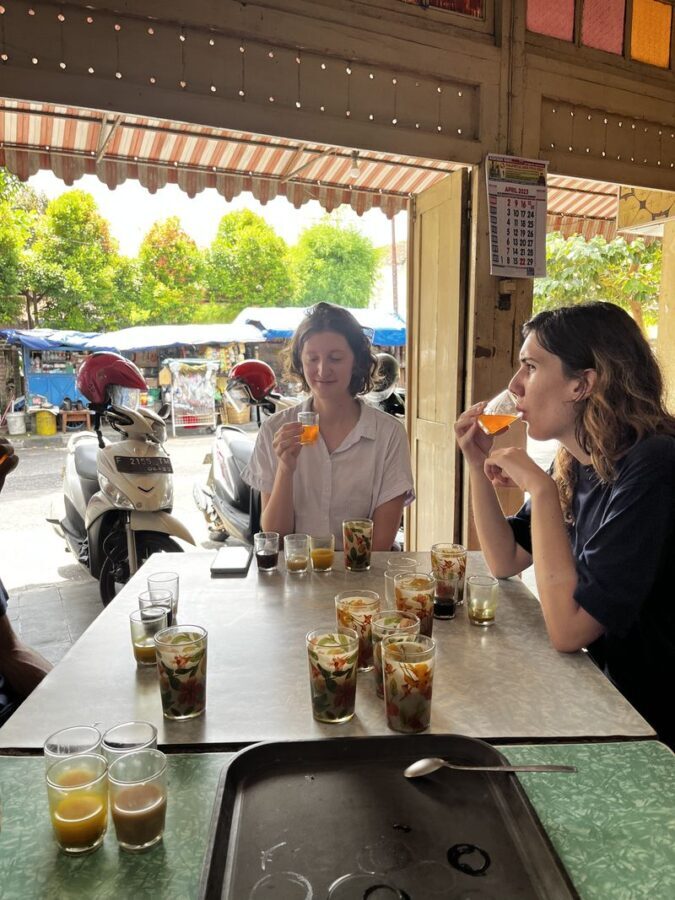
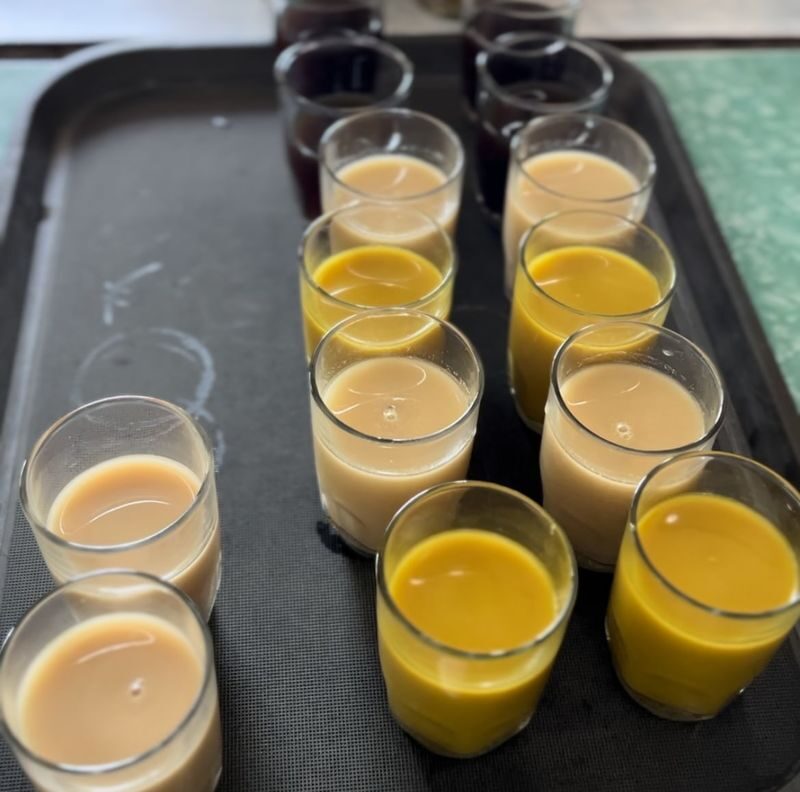
The five drinks offer a more revealing introduction than a single sample. Beras kencur, kunyit asem, temulawak, parem, and brotowali each have their own distinctive taste. Sampling them together gives you a chance to compare flavors and notice how different ingredients shape a drink. If you’re used to sweet bottled beverages, some tastes may be unfamiliar, which is part of the point.
You can also read our reviews of more tours and experiences in Yogyakarta


From tasting to making
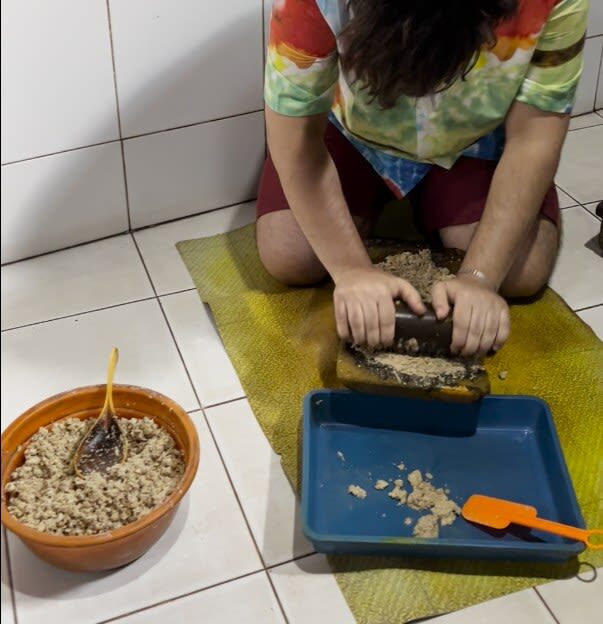
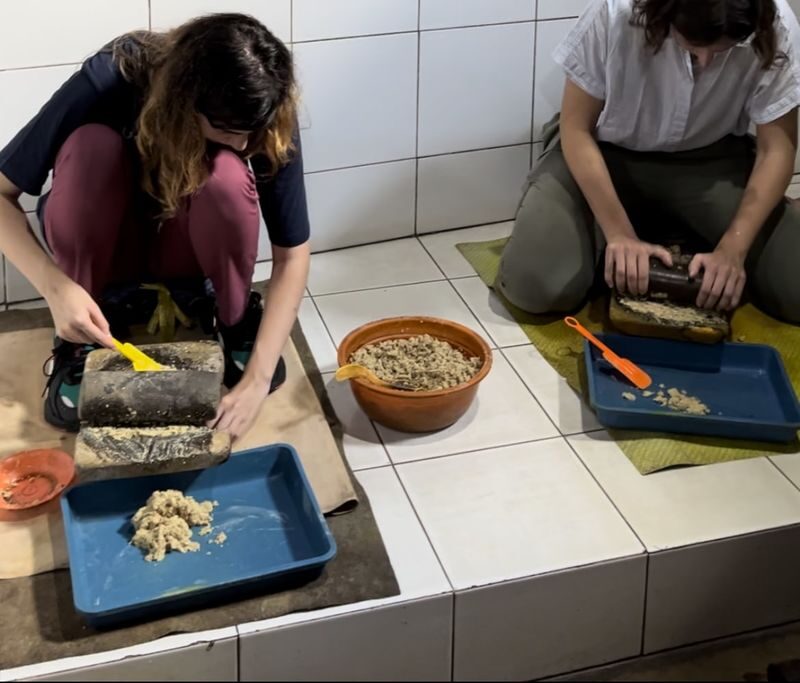
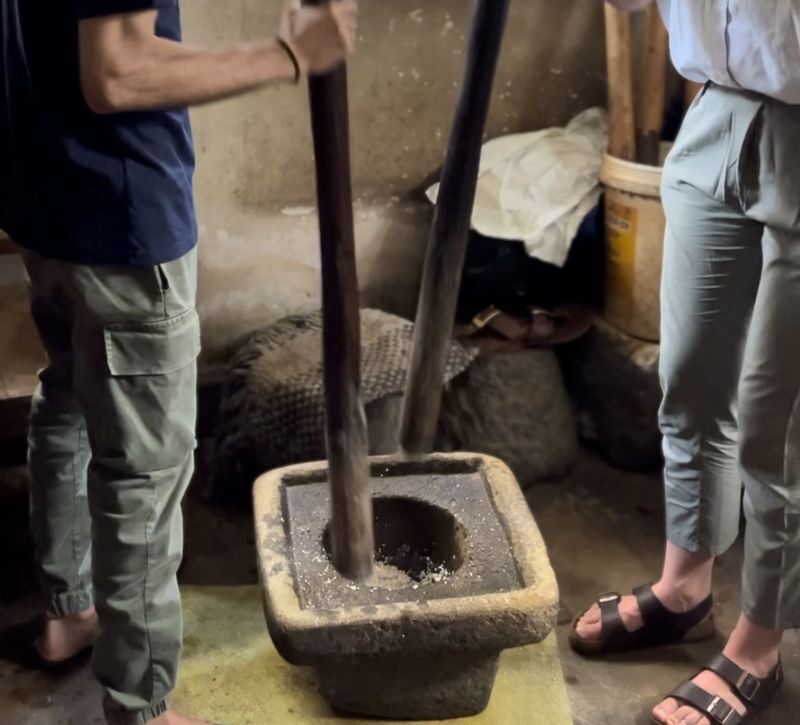
The class is described as a multi-step jamu-making experience. You should expect a demonstration and a chance to help with the preparation, but the exact tasks and recipes are not specified. That makes it sensible to arrive ready to take part, ask questions, and follow the instructor’s lead, rather than expecting a full cooking lesson with detailed written recipes.
The most useful part may be learning how ingredients are handled and combined. A drink is easier to appreciate when you know what went into it and how the maker approaches the process. The instructors named in accounts of the class include Pak Rudi and Buk Pun, with Resti and Rama helping translate. Guides and instructors can change, so don’t assume you’ll meet these specific people on your chosen date.
The workshop includes all necessary materials, facilities, and safety equipment. Refreshments are included, too. You don’t need to bring ingredients or tools, and the prepared jamu you take home is a practical reminder of what you learned. The amount you take home is not specified, so it’s best not to plan on bringing back a large supply.
Five samples make the tasting worthwhile
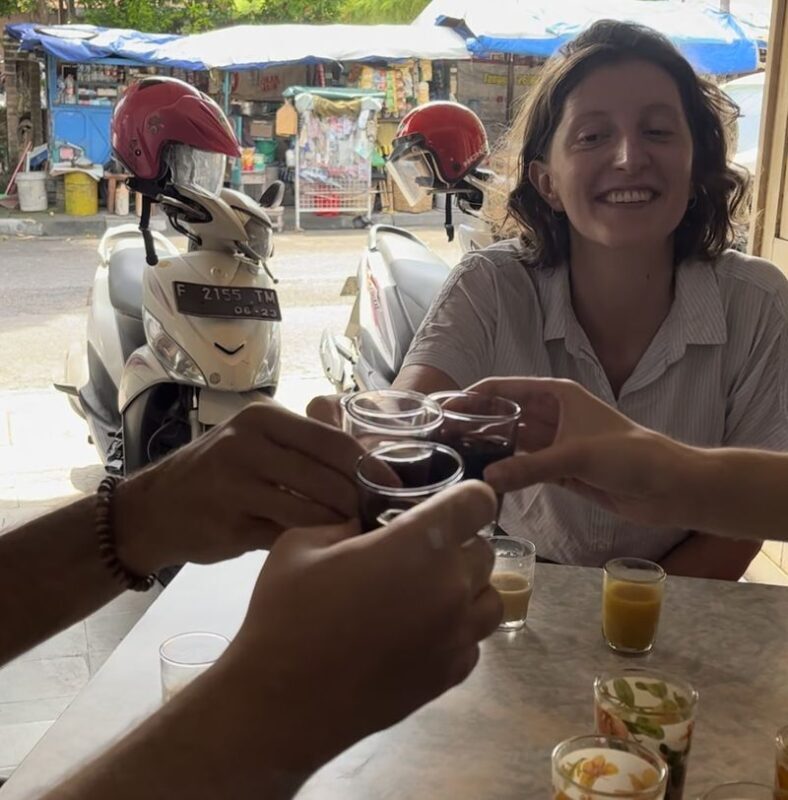
The five-drink tasting is a central part of the experience, not a minor extra. It gives you a direct comparison of different jamu styles and makes the discussion of herbs and spices easier to follow. You don’t need to know anything about the drinks beforehand. Pay attention to what you like, what surprises you, and which ingredients the instructor highlights.
Beras kencur, kunyit asem, temulawak, parem, and brotowali are all included in the tasting. The supplied details don’t describe the exact recipes, sweetness, strength, or serving size, so I wouldn’t promise a particular flavor or assume that every drink will suit your palate. The value is in trying several traditional varieties side by side and learning what makes them different.
The topic also invites questions. You can ask about ingredients and their traditional uses, but keep expectations grounded: the class is a short workshop, not an in-depth herbal medicine course. One account describes the instructor giving advice about a skin condition. That kind of personal conversation may happen, but it is not a stated service, and health questions deserve a qualified practitioner.
A possible market visit needs confirmation
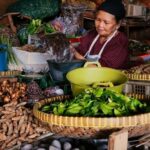
One account of the experience describes going to a market before making jamu. That could add a useful ingredient-sourcing angle, showing you where some of the materials come from. But the advertised itinerary lists the jamu-making workshop, not a market visit, and another account describes a market trip being cancelled without clear notice.
So, plan around the workshop itself. If a market stop matters to you, ask the operator before paying whether it is included on your date and how much time it takes. Don’t build your day around it unless you have direct confirmation. This is the clearest uncertainty in an otherwise appealing activity.
There is a second practical question to settle: the location details. The meeting point is called Joglo Elang, while the address provided names Jamu Ginggang at Jl. Masjid No. 32 in Yogyakarta. Since these are different names, confirm the exact venue and map pin with the operator before setting out. That small check can save a needless search on workshop day.
Is two and a half hours good value?
The experience is listed at a starting price of US$34.29, while a package option is also shown from US$31.19. Because those prices differ, check the final amount for your selected date and package before booking. At either starting price, the value depends on what you want: you’re paying for an English-speaking guide, instruction, all materials and facilities, refreshments, a five-drink tasting, and jamu to take home.
That’s a fair amount for a focused cultural activity, especially if you enjoy learning through food. It is less compelling if you want a full meal, a long market tour, or a detailed medical explanation. Meals and other beverages beyond the included refreshments are not part of the package, and transport to and from your hotel is not included.
The stated session lasts two hours and 30 minutes. One account describes the activity ending early and covering only some preparation steps, so it’s wise to ask what the session includes on your date if a full-length, hands-on process is important to you. The advertised duration is a useful planning guide, but don’t assume every step will take the same amount of time.





Small group, flexible start, and practical details
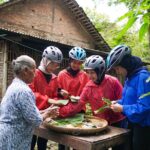
The group limit is one to six participants. That’s small enough to make questions and hands-on participation more practical than in a large class, though the activity is shared unless you add the private option. If you want to keep the session just for your party, select the private activity add-on when booking and check its additional cost.
You can request a start time between 9:00 and 14:00. Arrive 15 minutes before your preferred time, and state that time during checkout. The voucher is valid only on the date you book, and you can present it on your phone. Changes are generally allowed up to 24 hours before the activity, subject to booking exceptions; cancellations made at least 24 hours before the activity date qualify for a full refund.
Participants must be at least five years old. The activity is marked as wheelchair- and stroller-accessible, a helpful point if you’re arranging a family outing or need step-free access. Still, confirm any specific access needs with the operator, particularly if you need details about the route, workspace, or facilities.
Wear light, comfortable clothing, preferably quick-drying, and walking shoes. Sunscreen, a hat, cash, a water bottle, and a camera are suggested. Hotel pickup and drop-off are not included, so arrange your own transport to the confirmed meeting point.
Who will enjoy this workshop most?
I’d choose this for anyone who likes cooking classes, local food traditions, or learning how everyday ingredients are used in a different culture. It also suits curious families with children aged five and older, provided the child is comfortable following a guided activity. The tasting and preparation give you more to do than simply listening to a talk.
It’s a weaker fit if you need a guaranteed market visit, a full meal, or an expert health consultation. It may also frustrate you if you expect to make every component of a complex recipe from scratch. The experience is best approached as an introduction: taste, learn the basic process, ask questions, and leave with a small amount of your own jamu.
Should you book the Yogyakarta jamu workshop?
Book it if you want a compact, hands-on introduction to Javanese herbal drinks and value tasting several styles as much as making one yourself. The five-drink tasting, small group, English-language guidance, and take-home jamu give the class a clear purpose and make the starting price reasonable for a food-centered cultural activity.
Before booking, confirm the exact venue, the final package price, and whether a market visit is planned for your date. If you’re happy to focus on jamu rather than a guaranteed market outing, this can be a thoughtful, practical addition to a Yogyakarta stay.
Jamu Making Workshop
“Enjoyed learning about jamu a lot. Such a special place and kind people. Went to the market, and helped in every step of making the Jamu. Even got…”
FAQ
How long does the jamu-making workshop last?
The stated duration is two hours and 30 minutes.
What time can I start?
The activity can start between 9:00 and 14:00. Give your preferred start time during checkout and arrive 15 minutes early.
Where is the meeting point?
The booking details name Joglo Elang, but also give an address for Jamu Ginggang at Jl. Masjid No. 32 in Yogyakarta. Confirm the exact meeting point and map location before you go.
Which jamu drinks are included in the tasting?
You’ll taste beras kencur, parem, kunyit asem, temulawak, and brotowali.
Can I take home the jamu I make?
Yes. Jamu prepared during the workshop is included to take home.
Is the workshop private?
The activity is shared by default. A private activity is available as an optional add-on.
What is the minimum age?
Participants must be at least five years old.
Are hotel transfers or meals included?
No. Hotel pickup and drop-off, meals, and other personal expenses are not included. Refreshments are included.
Can I cancel for a refund?
A full refund is available if you cancel at least 24 hours before the activity date, using the destination’s local time.