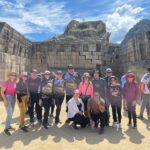
Cusco’s Inca past comes into focus when you see its huge stonework up close, then hear how each site fits into the story of the city. This half-day outing visits Sacsayhuamán, Qenqo, Puca Pucara, and Tambomachay, with a guide to help you read what might otherwise look like a collection of old stones.
I like two things in particular: the route brings together four distinct sites in one outing, and the guide’s explanations give the remains meaning. One guide named Luis earned a special mention for his clear, detailed accounts of the places visited. That sort of context matters here: as one visitor put it, without an explanation, the ruins can look like ordinary rocks.
There is one point to check before booking: Qoricancha is mentioned in the tour highlights, but it is not a stop in the stated route. The meeting point is Koricancha, and the tour ends in Cusco’s historic center. If seeing the inside of Qoricancha is your main goal, confirm that it is included rather than assuming the meeting point means an interior visit.
- What makes this Cusco tour useful
- Four sites, one afternoon of Inca history
- Sacsayhuamán: stone walls and a city view
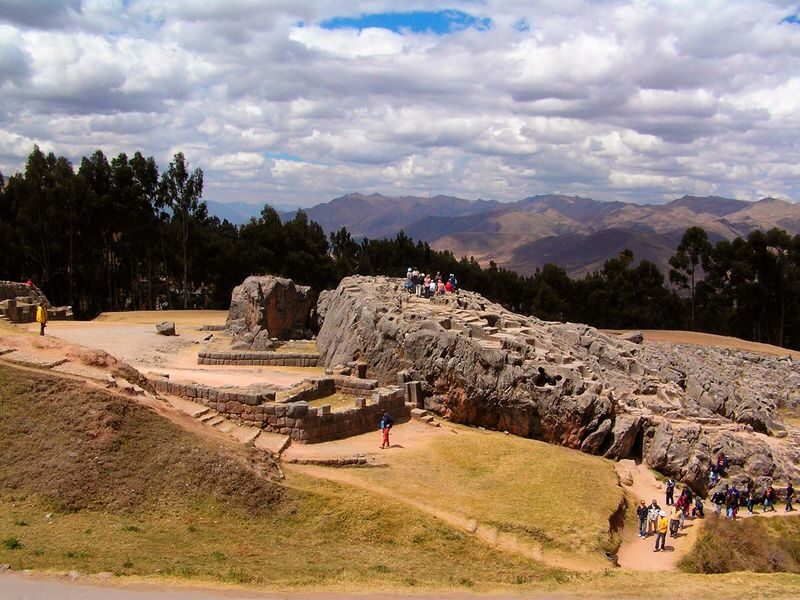
- Qenqo: carvings, passages, and ceremony
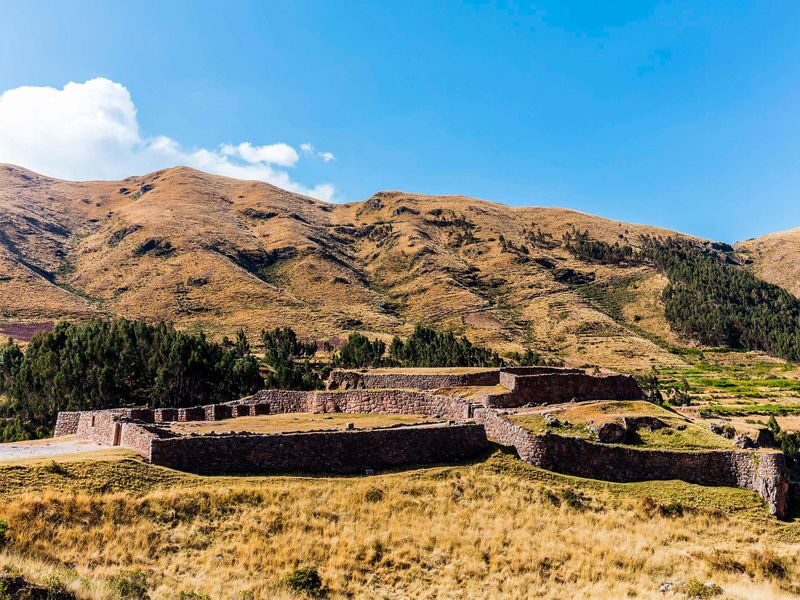
- Puca Pucara: a military site with practical details
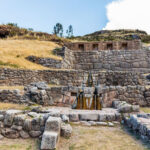
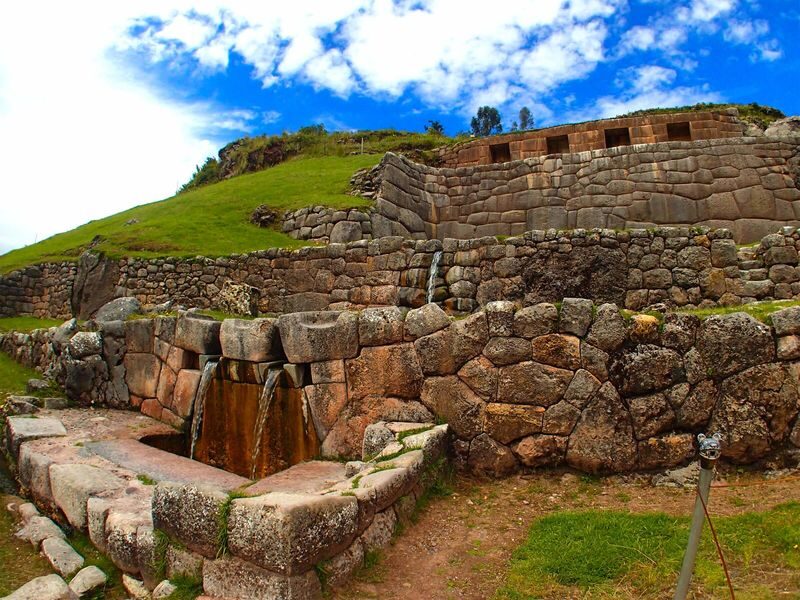
- Tambomachay: carved channels and water
- The Qoricancha question
- Guides make the ruins easier to read
- Choosing the morning or afternoon departure
- Is the tour worth your time?
- FAQ
- How long does the tour last?
- Where does the tour meet?
- Which archaeological sites are included in the stated route?
- Does the tour include the inside of Qoricancha?
- Is there a morning departure?
- Is this tour suitable for all ages?
- The Best Of Cusco!
- More Historical Tours in Cusco
- More Tours in Cusco
- More Tour Reviews in Cusco
- Not for you? Here's more nearby things to do in Cusco we have reviewed
What makes this Cusco tour useful
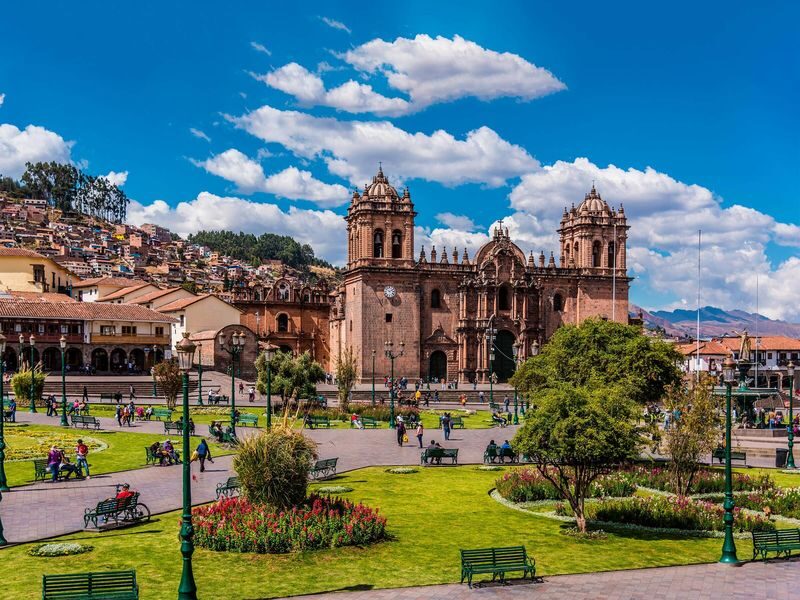
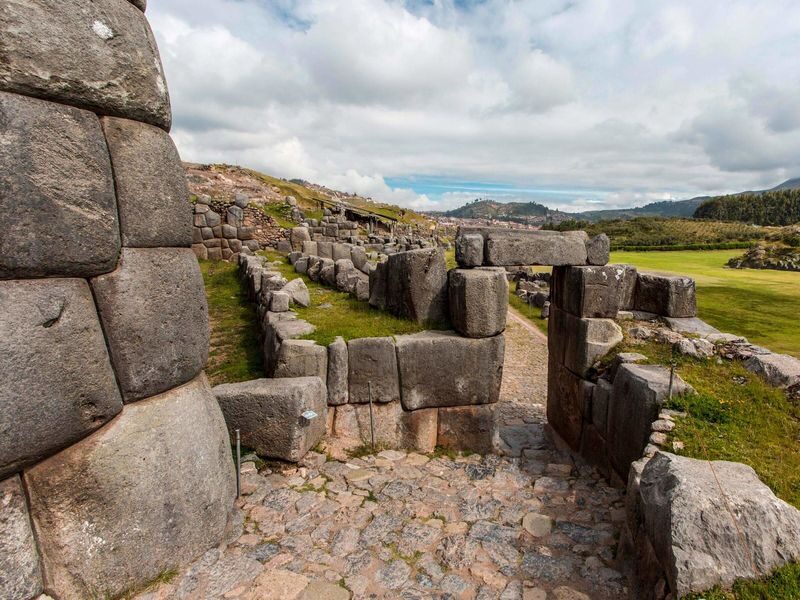
- Sacsayhuamán opens with scale and views. Its colossal stone walls are the headline sight, and the elevated outlook gives you a broad view across Cusco.
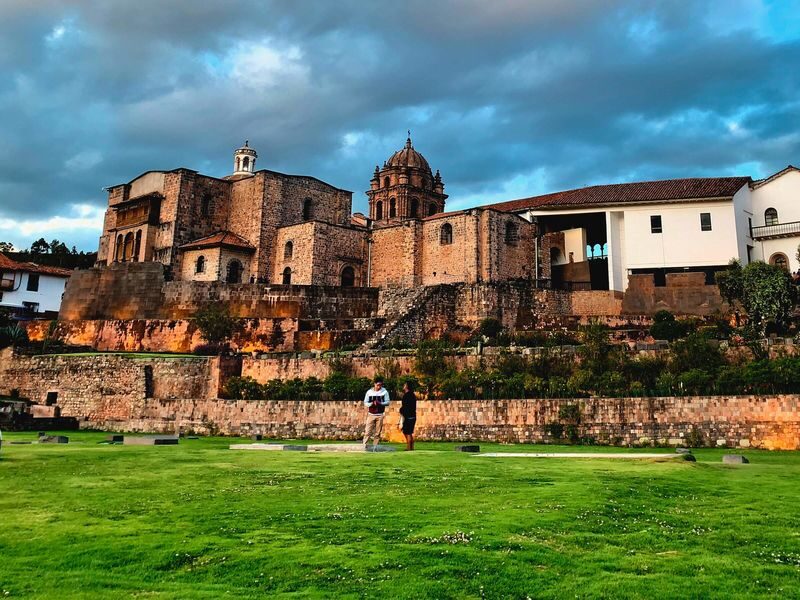
- Qenqo adds a ceremonial and astronomical angle. Carvings and underground passages make this a different kind of visit from the fortress.
- Puca Pucara and Tambomachay round out the route. One is described as a military complex, the other as a site with carved-stone water channels and a possible link to water worship.
- The guide supplies the essential context. The strongest praise for the tour centers on clear explanations of Inca history and culture.
- You have two departure windows. The morning tour runs about 9:00 a.m. to 2:00 p.m.; the later one starts about 1:00 p.m. and ends around 6:30 p.m.
- Qoricancha needs a closer look before you book. It is named in the highlights, but not among the stated site visits.
👉 See our pick of the 25 Best Shopping Tours In Cusco
Four sites, one afternoon of Inca history
The route makes a good introduction to the archaeological sites around Cusco. Instead of spending your limited time on a single ruin, you move through four places with different purposes and features. That variety helps you see the Inca world as more than impressive masonry: the stops touch on military use, ceremony, astronomy, and water.
The tour is described as a half-day city tour, but plan for roughly five hours in the morning or five and a half in the afternoon. That is long enough to give each site some attention, but it will take a sizeable part of your day. If you are trying to fit in other activities, keep the end time in mind.
The tour begins at Koricancha Centro Cusco and ends in Cusco’s historic center. The description does not specify how you travel between sites, the group size, or what is included in the price. Those details matter when you compare options, so check them before paying. Without a stated price or list of inclusions, it is not possible to judge the exact cost. The clearest value here is the combination of four stops and a guide who can explain what you are seeing.
You can also read our reviews of more historical tours in Cusco


Sacsayhuamán: stone walls and a city view
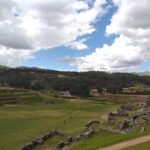
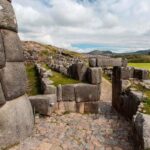
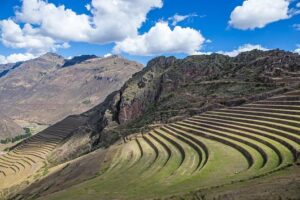
Sacsayhuamán is the tour’s opening stop and its most visually forceful one. The site is known for its immense stone walls, and the elevated position gives you a view over much of Cusco. That pairing makes it a strong first stop: you can take in the scale of the structure and look back toward the city whose story the tour is setting out to explain.
The masonry is easy to admire, but harder to interpret on your own. A guide can help connect the stones to the site’s place in Inca history and explain why the construction matters. Several visitors have singled out this kind of explanation as the best part of the outing. One noted that without it the ruins could seem like ordinary rocks; another praised a guide’s detailed accounts at every stop.
I would give your guide time to explain before rushing off for photos. The views are a highlight, but the historical context is what turns a quick look into a more useful visit. The tour description does not specify how long you spend at each site, so expect the guide to balance explanations with time to look around.
Qenqo: carvings, passages, and ceremony
At Qenqo, the focus shifts from a fortress to an archaeological complex described as mainly ceremonial and astronomical in use. Carvings and underground passages give the site a more intimate feel than Sacsayhuamán’s broad walls and views.
This is the stop where a guide’s interpretation can be especially valuable. The remains may not explain themselves at a glance, and the site’s purpose is presented as an interpretation rather than a simple certainty. Listen for how the guide distinguishes what is visible from what is understood about the place. That helps you appreciate the site without treating every theory as settled fact.
The underground passages and carved features are also a reminder to pay attention as you move through the grounds. The tour description does not give details about the walking conditions or the amount of time spent inside the complex, so you should not expect a particular pace or access arrangement. What you can count on from the stated route is a guided visit to a place linked with Inca ceremonial and astronomical practice.
Puca Pucara: a military site with practical details
Puca Pucara is described as a fortress for military use. Its remains include multiple rooms, plazas, baths, aqueducts, walls, and towers. That list offers a useful change of perspective after Sacsayhuamán and Qenqo: here, the site is presented through its defensive role and built features.
Rather than trying to take in every structure at once, notice how the different parts fit together as a complex. The guide can help explain the function assigned to the site and how its features support that interpretation. The supplied information does not give a detailed account of the military history, so treat the stop as an introduction rather than a full lesson on Inca defense.
This is also one reason the four-stop format works well. Each site brings a new question to the day. What did this place do? How was it used? What does its layout suggest? A good explanation helps you carry those questions from one ruin to the next, instead of seeing four unrelated photo stops.
Tambomachay: carved channels and water
Tambomachay closes the archaeological portion of the route. The site is known for water channels made from carved stone, and it may have been dedicated to the worship of water. That possibility is worth holding in mind as you look at the channels: the site’s function is presented as a likely interpretation, not a certainty.
The waterworks give you something specific to look for. At earlier sites, the scale of the stonework may dominate your attention; here, the channels are the central feature. Ask your guide how the water was directed through the site and what is known about its purpose. The tour information does not provide further engineering details, so the guide’s explanation will shape how much you learn.
Because Tambomachay is the final listed ruin, it also gives the route a natural close before you return to Cusco’s historic center. The tour ends there, but the description does not say whether that means a drop-off or a walk through the center. Confirm the ending arrangements if you have a tight schedule afterward.
You can also read our reviews of more tours and experiences in Cusco


The Qoricancha question
Qoricancha appears in the tour highlights, which can make it sound like an interior visit is part of the experience. But the stated itinerary lists Sacsayhuamán, Qenqo, Puca Pucara, and Tambomachay, then says the tour concludes in Cusco’s historic center. It does not explicitly include a visit inside Qoricancha.
The meeting point is Koricancha Centro Cusco, but a starting location is not the same as a confirmed guided visit. If you are choosing this tour specifically to discover what is inside Qoricancha, ask the operator to clarify before booking. Otherwise, think of the outing as a four-ruin tour that begins near Koricancha and finishes back in the city center.
That distinction is important because the route itself is already full. The four listed archaeological stops give you a substantial half-day, and adding an interior visit would change what you should expect from the schedule. A little checking now can prevent a mismatch later.
Guides make the ruins easier to read
The most consistently praised feature is the guiding. The tour’s feedback gives special weight to clear explanations of Inca history and culture, and one visitor described the information as detailed and easy to follow. Another said a guide made the experience much more enjoyable. Luis was named by one person as an excellent guide who knew the history of the sites visited.
Guide assignments can vary, so do not assume Luis will lead your departure. The useful point is broader: this outing depends on explanation. The remains are the setting, but the guide provides the thread that links them. If you enjoy asking questions, this is the kind of tour where that can make the difference between a pleasant view and a memorable lesson.
The praise is encouraging, but four reviews are a small sample. No tour can promise the same guide or the same style every time. Still, the available feedback points in a clear direction: visitors valued the explanations, especially when the guide made the ruins understandable rather than simply naming them.
Choosing the morning or afternoon departure
The morning option starts at about 9:00 a.m. and finishes around 2:00 p.m. The later departure begins at about 1:00 p.m. and runs until roughly 6:30 p.m. Both occupy around half a day, though the afternoon is listed as about half an hour longer.
Choose the morning if you want the rest of the afternoon free after the tour. Pick the later start if a morning departure does not suit your plans. The information does not state why the two schedules differ in length, or whether the order of stops changes, so do not read too much into the half-hour difference.
This tour is presented as suitable for all ages. Still, the route involves several archaeological sites, and the supplied details do not describe walking distances, surfaces, or accessibility. If those factors affect your plans, ask for specifics rather than relying on the broad age guidance alone.
Is the tour worth your time?
I would consider this tour if you want a guided introduction to Cusco’s nearby Inca sites without giving the whole day to an excursion. Four stops provide variety, the two time slots give you some choice, and the strongest feedback centers on the part that matters most: guides explaining the history in plain terms.
It is best suited to you if you are curious about Inca culture, have limited time, or would rather learn the context than study ruins alone. It can also work well early in a Cusco stay, when you want an overview of the city’s place in the Inca Empire before exploring at your own pace.
I would pause if your main reason for booking is an inside visit to Qoricancha, since that is not explicit in the route. I would also compare the final price with the included services, as transport and entrance arrangements are not specified here. Book it for the four-site route and the guiding, not on the assumption that every highlight named in the description is a confirmed stop.
Cusco Sacsayhuamán Half-Day Cultural Tour
“Highly recommended cultural tour in Cusco. It's good value for money, and the tour guide was excellent-very knowledgeable and gave detailed explana…”
FAQ
How long does the tour last?
The morning tour runs from about 9:00 a.m. to 2:00 p.m. The later tour starts at about 1:00 p.m. and ends around 6:30 p.m.
Where does the tour meet?
The meeting point is Koricancha Centro Cusco.
Which archaeological sites are included in the stated route?
The route lists Sacsayhuamán, Qenqo, Puca Pucara, and Tambomachay, followed by a return to Cusco’s historic center.
Does the tour include the inside of Qoricancha?
An interior visit is not listed in the stated route. Qoricancha is named in the highlights and is the meeting-point area, so confirm with the operator if an inside visit is important to you.
Is there a morning departure?
Yes. The morning shift begins at about 9:00 a.m. and finishes around 2:00 p.m.
Is this tour suitable for all ages?
The tour is described as suitable for all ages. Specific details about walking distances, surfaces, or accessibility are not provided.