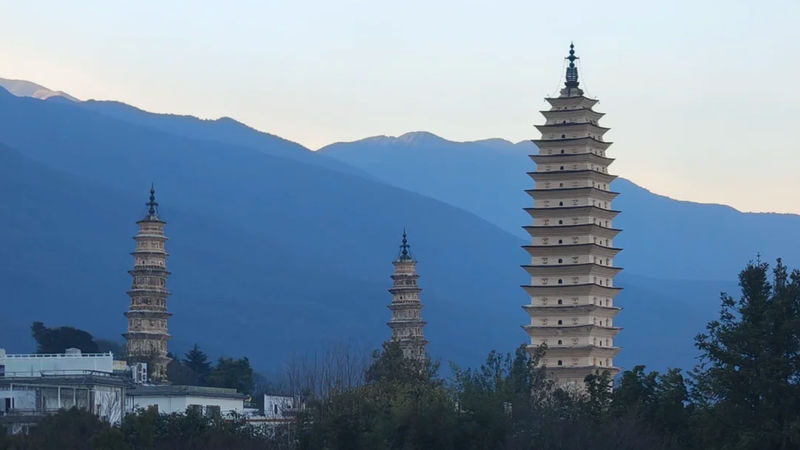
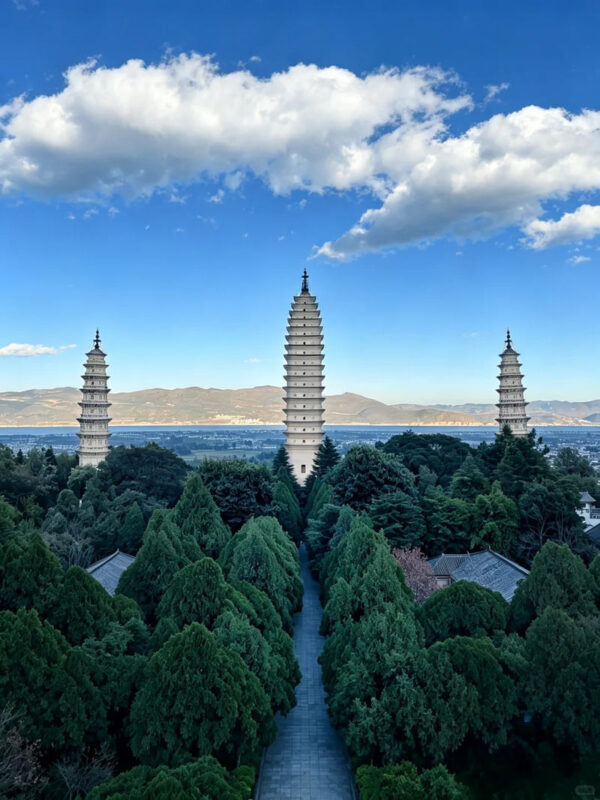
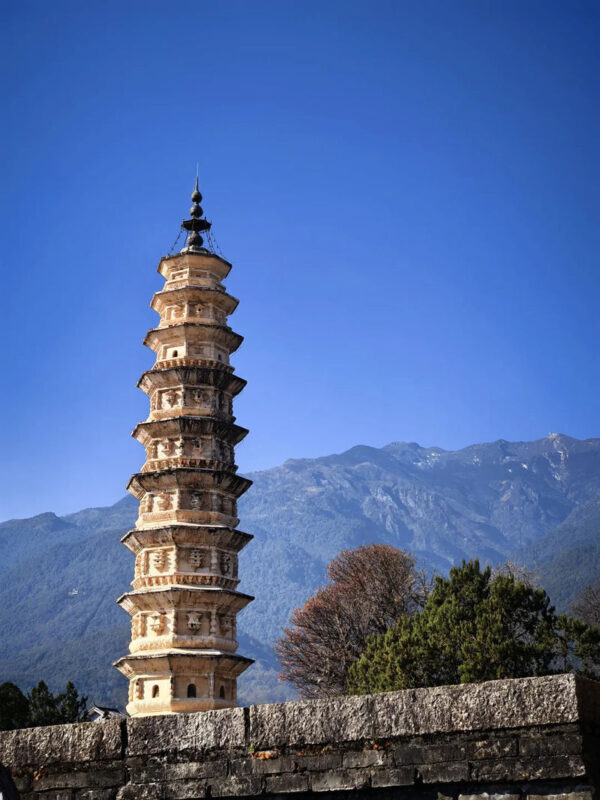
The Three Pagodas rise between Cangshan Mountain and Erhai Lake, a striking setting for one of Dali’s most important historic sites. The complex was once the royal temple of the Nanzhao and Dali kingdoms, and its past is more than a grand backdrop: nine Dali kings became monks here.
I like two things in particular: you can see the Three Pagodas and the rebuilt Chongsheng Temple in one visit, and the site gives you a useful link between Dali’s royal past and the place that inspired the fictional Tianlong Temple in Demi-Gods and Semi-Devils. The main drawback is practical, not historical: there are many stairs, so allow for a climb.
- Key points to know
- Start with the Three Pagodas
- Continue to the rebuilt Chongsheng Temple
- Understand the site’s royal past
- Plan around the stairs and opening hours
- Is the .35 ticket good value?
- Who will enjoy this visit most?
- Should you book the Three Pagodas ticket?
- FAQ
- Where is Chongsheng Temple Three Pagodas?
- What does the one-day ticket include?
- How much does the ticket cost?
- What are the opening hours?
- Is the ticket valid on any date?
- What do I need to show to enter?
- Can I change my booking?
- Can I cancel for a refund?
- Do children enter free?
- Do seniors enter free?
- The Best Of Dali!
- More Tours in Dali
- More Tour Reviews in Dali
- Not for you? Here's more nearby things to do in Dali we have reviewed
Key points to know
 1 / 8
 2 / 8
 3 / 8
 4 / 8
 5 / 8
 6 / 8
 7 / 8
 8 / 8
- Two distinct areas: The front section centers on the Three Pagodas and ancient site; the rear section is the Chongsheng Temple complex.
- A royal connection: The temple served the Nanzhao and Dali kingdoms, and nine Dali kings became monks here.
- A setting between mountain and lake: The site sits 1.5 kilometers north of Dali Ancient City, backed by Cangshan Mountain and facing Erhai Lake.
- The temple is a reconstruction: Today’s Chongsheng Temple was rebuilt in 2005, after the pagodas had stood without a temple for nearly a century.
- Expect stairs: A climb is part of the experience, so this may not suit anyone hoping for a flat, easy stroll.
- A simple ticket format: The one-day ticket covers admission to the attraction. You need your mobile voucher and valid ID to redeem it.

👉 See our pick of the 2 Best Shopping Tours In Dali
Start with the Three Pagodas
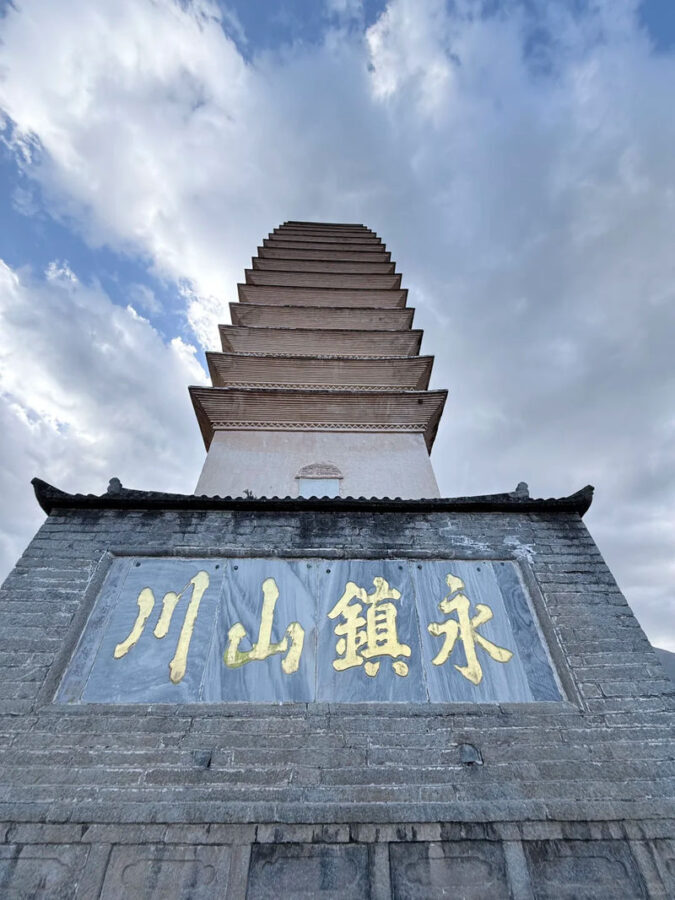
The site is divided into two main parts, and the front section is the natural place to begin. Here, the Three Pagodas are the central draw, set within the ancient site area. Their location makes the visit feel closely tied to Dali’s wider geography: Cangshan rises behind the complex, while Erhai Lake lies out in front.
That setting is a big part of the appeal. You are not looking at an isolated monument divorced from its surroundings. The pagodas sit in a place shaped by mountain and lake, and that helps explain why the site became such an important religious and royal center. Take a moment to look around before pressing on to the temple buildings.
There is no detailed route or guided commentary included with the ticket information, so you should not expect a hosted tour or a set sequence of stops. The basic plan is straightforward: explore the pagoda area, then continue toward the temple complex. If you like to understand what you are seeing, it may help to read about the Nanzhao and Dali kingdoms beforehand.
The site is also linked to the fictional Tianlong Temple in Jin Yong’s Demi-Gods and Semi-Devils. That connection can add a bit of fun if you know the story, but the real place has its own weight. Nine Dali kings became monks and practiced here, a detail that gives the temple a place in the region’s history beyond its literary echo.
You can also read our reviews of more tours and experiences in Dali.


Continue to the rebuilt Chongsheng Temple
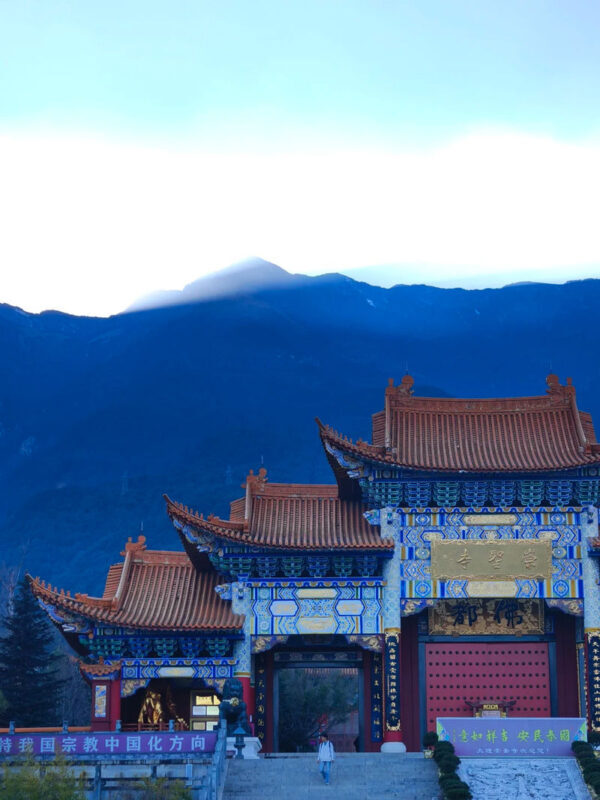
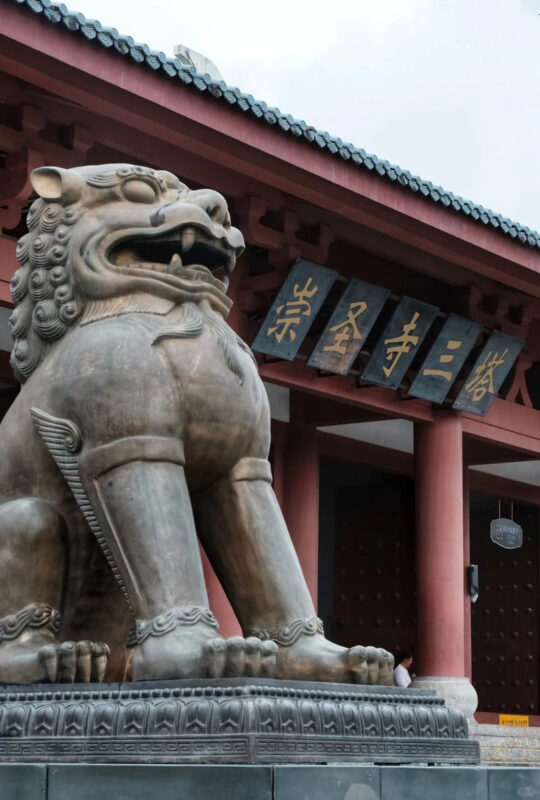
Behind the pagoda area is the much larger Chongsheng Temple complex. The current temple was rebuilt in 2005, ending a period of nearly a century when the Three Pagodas stood without a temple. That change matters when you plan your visit: the site is not only an ancient monument area, but also a substantial temple complex in its present form.
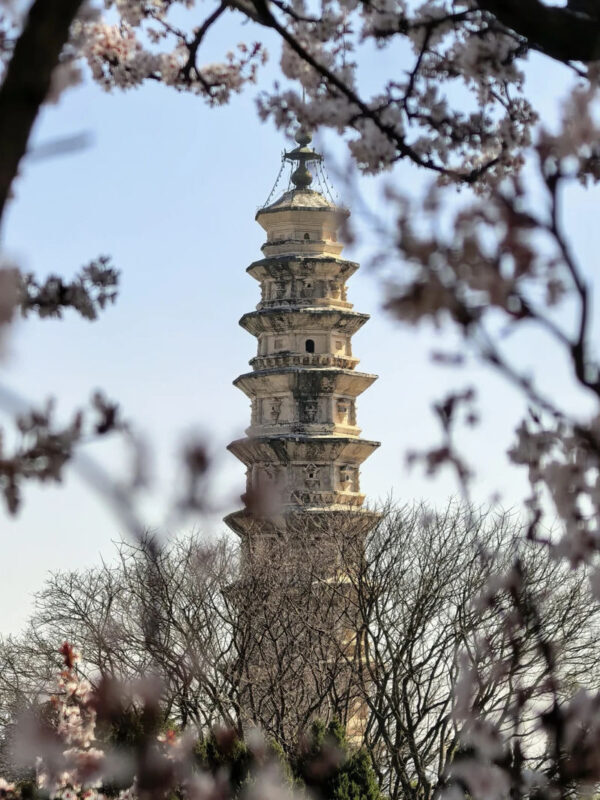
The pagodas and temple buildings tell different parts of the story. The Three Pagodas are the historic core, while the rebuilt temple gives you a sense of the religious setting that once accompanied them. Keep that distinction in mind. The temple you see today is a modern reconstruction, not an untouched medieval structure, but it restores a temple presence to the site.
The information available does not set out individual halls, exhibits, or a precise route through the complex, so it is best not to arrive expecting a specific sequence of rooms or displays. Instead, give yourself time to move through both sections without rushing. The one-day ticket allows admission for the selected date, but it does not state how long a visit should take.
Understand the site’s royal past
Chongsheng Temple’s history is the reason this place feels more consequential than a quick photo stop. It served as the royal temple of both the Nanzhao and Dali kingdoms. Nine Dali kings later became monks here, a remarkable link between political power and religious life.
That royal connection gives the complex a different character from a temple visited only for its architecture. Here, religion was close to the center of local rule. Even without a guide or a detailed interpretive program included with the ticket, knowing that history helps you look at the pagodas and temple as part of a larger story about Dali’s former kingdoms.
The site also works well as a counterpoint to Dali Ancient City. It is only 1.5 kilometers north of the old city, yet it offers a different perspective on the region: less about the historic town’s streets and more about royal religious life, the pagodas, and the broader setting between mountain and lake. The address is listed as Dali, Yunnan, but transport directions are not specified, so check your route separately before setting out.
Plan around the stairs and opening hours
The most useful practical warning is simple: expect many stairs. One visitor found the climb noticeable, and that is worth taking seriously when deciding whether the site suits your group. Wear footwear that feels secure on steps, and do not assume the grounds will be an effortless flat walk.
The attraction is open every day from 7:30 a.m. to 6:30 p.m., with last entry at 6:20 p.m. That final-entry time leaves little room for arriving just before closing, especially if you want to see both the pagodas and the temple. An earlier start gives you more breathing room, though the information provided does not specify crowd patterns or how long the visit takes.
The ticket is valid only on the selected date, and you must present your mobile voucher and valid ID. Changes made before you redeem the voucher are free. Cancellation is free if you cancel at least 24 hours before the activity date, using destination local time. If plans are uncertain, check the current terms with Klook before purchase.
Children aged 0 to 6 enter free, as do children who are 120 centimeters tall or below. Seniors aged 70 and over also enter free. If more than one eligibility rule might apply, confirm which one you will use when planning the group’s tickets.
Is the $11.35 ticket good value?
The one-day admission ticket starts at $11.35. Its value depends on what you want from the day: it covers entry to both the ancient site area and the rebuilt temple complex, rather than just access to the Three Pagodas. For anyone interested in Dali’s royal history, religious heritage, or the site’s mountain-and-lake setting, that can make the price reasonable.
Keep the scope of the ticket in mind. It includes admission to attractions, but not personal expenses, tips, or gratuities. No transport, guide, or other add-on is listed as included. So compare the admission cost with what you actually need, and budget separately for anything beyond entry.
A single review gives the ticket process a strong mark for ease of booking and redemption, while also flagging the stairs. The practical take is that purchasing through Klook can keep the ticket step simple, but the physical demands of the site are a more important consideration than the booking itself.


Who will enjoy this visit most?
I would put Chongsheng Temple on the list for anyone who wants to understand Dali beyond its old city. The royal history is unusually compelling, the two-part layout gives the visit a clear shape, and the setting brings Cangshan Mountain and Erhai Lake into the picture. You do not need to be a scholar of the Nanzhao and Dali kingdoms to appreciate the site, but a little background will make the visit more meaningful.
It is also a good fit if the Tianlong Temple connection interests you. The real complex is the historical inspiration for Jin Yong’s fictional temple, not a themed recreation of it. Go for the history and setting first; treat the literary link as an extra.
Think twice if stairs are a serious problem for you or someone in your party. The available information confirms that there are many steps, but does not provide details about accessible routes or mobility services. If those details matter, contact the attraction or Klook before booking rather than guessing.
Should you book the Three Pagodas ticket?
Book it if you want a focused look at Dali’s royal and religious past, and you are comfortable with a visit that includes stairs. The combination of the Three Pagodas, the rebuilt temple, and the site’s position between mountain and lake gives the admission ticket a clear purpose.
Skip it, or seek more accessibility information first, if you need a flat route or are mainly looking for a guided experience. No guide is specified as part of the ticket. For a straightforward entry to one of Dali’s defining historic sites, though, the one-day ticket is a practical choice.
Chongsheng Temple Three Pagodas
“ease of booking on Klook: super easy to book and redeem the ticket. Really enjoyed my time there except that there are many stairs to climb.”
FAQ
Where is Chongsheng Temple Three Pagodas?
The attraction is in Dali, Yunnan, Mainland China. It is located 1.5 kilometers north of Dali Ancient City.
What does the one-day ticket include?
It includes admission to the attractions. Other personal expenses, tips, and gratuities are not included.
How much does the ticket cost?
The listed starting price is $11.35. The final price may depend on the selected option and booking details.
What are the opening hours?
The site is open daily from 7:30 a.m. to 6:30 p.m. Last entry is at 6:20 p.m.
Is the ticket valid on any date?
No. The voucher is valid only on the selected date, and time if applicable.
What do I need to show to enter?
Present your mobile voucher and valid ID.
Can I change my booking?
Changes made before the voucher is redeemed are free.
Can I cancel for a refund?
Cancellation is free with at least 24 hours’ notice before the activity date, using destination local time.
Do children enter free?
Children aged 0 to 6 enter free. Children who are 120 centimeters tall or below also enter free.
Do seniors enter free?
Yes. Seniors aged 70 and over enter free.