Chinese bamboo painting begins with a few deliberate brushstrokes, but the skill lies in making each one count. At Ka Atelier in Wan Chai, artist Carole Leung teaches the basics in a beginner-friendly class that pairs a short introduction to Chinese art with hands-on practice and a finished painting to take home.
I like two things in particular: the class explains how Chinese painting differs from Western art, so you learn how to look at the work as well as make it; and the step-by-step practice makes an unfamiliar brush and ink feel less daunting. Freshly brewed Chinese tea adds a welcome pause between strokes.
One consideration: this is a one-off introduction focused on bamboo, not a broad survey of Chinese painting or an advanced course. The studio can also be a little tricky to find, so allow time to locate the first-floor space at St. Francis Yard.
- What to Know Before You Book
- First, Learn How Chinese Painting Sees the Page
- Practise Strokes Before the Final Bamboo
- Make a Bamboo Painting, Then Add a Seal
- A Quiet Studio Break in Wan Chai
- What the Class Gives You for the Price
- Who Will Enjoy This Workshop Most
- Booking and Practical Details
- Should You Book the Bamboo Painting Class?
- FAQ
- Is this workshop suitable for beginners?
- What will I paint?
- Can I take my painting home?
- Are paints and tools included?
- Is tea included?
- Where does the class meet?
- The Best Of Hong Kong!
- More Workshops & Classes in Hong Kong
- More Tours in Hong Kong
- More Tour Reviews in Hong Kong
- Not for you? Here's more nearby things to do in Hong Kong we have reviewed
What to Know Before You Book
- The subject is bamboo: The workshop focuses on one traditional ink painting subject, with no other painting topics covered in this class.
- You start with the basics: Carole introduces the history, materials and contrasts between Chinese and Western art before you paint.
- Practice comes before the final sheet: You work through brush exercises and rice paper before creating a full-size piece.
- Your painting goes home with you: The finished work is stamped with a traditional Chinese seal.
- Tea is included: Freshly brewed Chinese tea is served during the class.
- Beginners are the intended audience: If you have substantial painting experience, contact the studio before booking to ask if the session fits your level.

👉 See our pick of the Best Historical Tours In Hong Kong
First, Learn How Chinese Painting Sees the Page
The class is built around more than copying a bamboo motif. Carole begins with an introduction to Chinese painting and its history, along with a comparison of Chinese and Western artistic approaches. That context matters: it gives you a way to understand why the brushwork, paper and use of ink are treated as part of the subject, rather than as mere supplies.
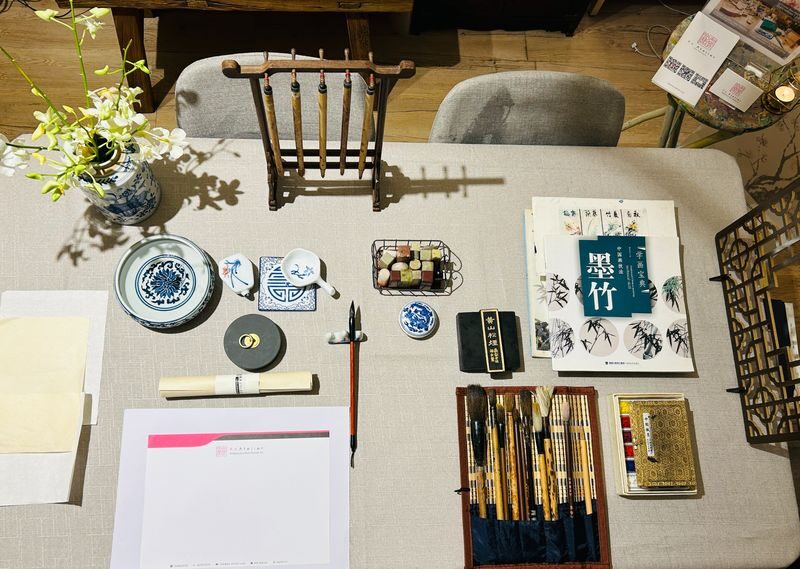
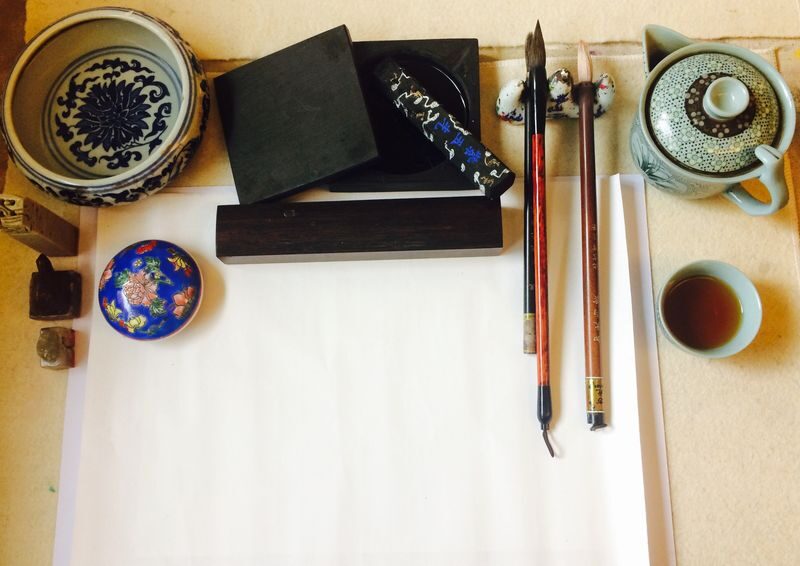
You also get an introduction to the materials. Carole explains the brushes, ink, colours and rice paper, including how the types of paper can affect the way a mark appears. For a first-time painter, this is useful groundwork. A brush loaded with ink does not behave like a pencil, and the paper can absorb a stroke in ways you cannot simply erase.
The cultural introduction is concise enough to leave time for painting, yet substantive enough to make the activity feel rooted in a tradition. You will not leave with a full history of Chinese art, but you should come away with a better grasp of what you are practising and why the style differs from familiar Western techniques.
You can also read our reviews of more tours and experiences in Hong Kong


Practise Strokes Before the Final Bamboo
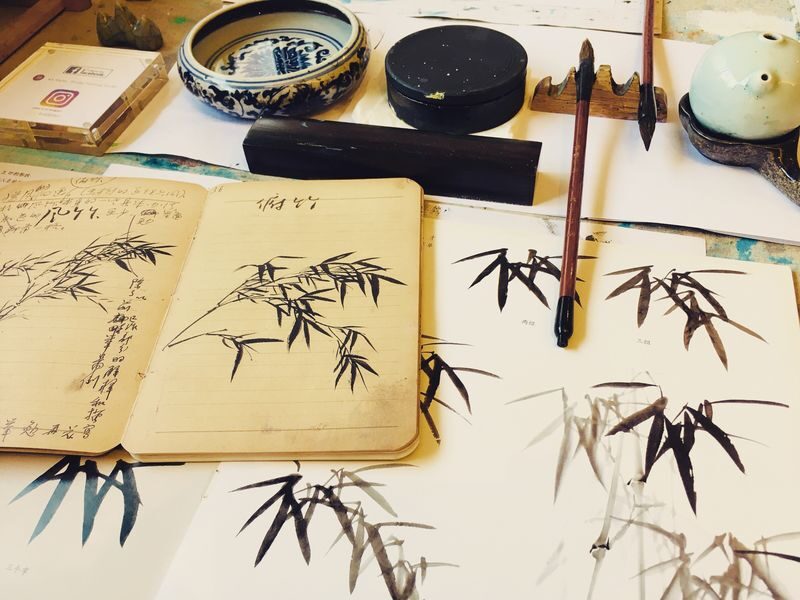
After the introduction, you move from listening to doing. Carole demonstrates how to hold and use the brush, then guides you through the elements needed to paint bamboo. Rather than asking you to tackle the finished work at once, the session includes practice on A4 paper first.
That first stage is a small but important kindness. You can test how much ink to use, how a stroke changes with pressure and movement, and how the brush feels in your hand. Beginners often expect painting to be about drawing a neat outline. Here, the challenge is to make each mark with intention, and a practice sheet gives you room to make mistakes without worrying about spoiling your final piece.
You then get to try three types of rice paper before working on a full sheet. This is one of the most practical parts of the class: you experience how a surface responds rather than simply hearing that papers behave differently. The sequence also helps you build confidence gradually, from a small exercise to a more complete composition.
Carole demonstrates each step and checks in as you work. Her teaching is described as patient and clear, with guidance available throughout the practice. That is especially helpful in a short class, where you have enough time to learn a basic process but not enough to master a centuries-old art form.
Make a Bamboo Painting, Then Add a Seal
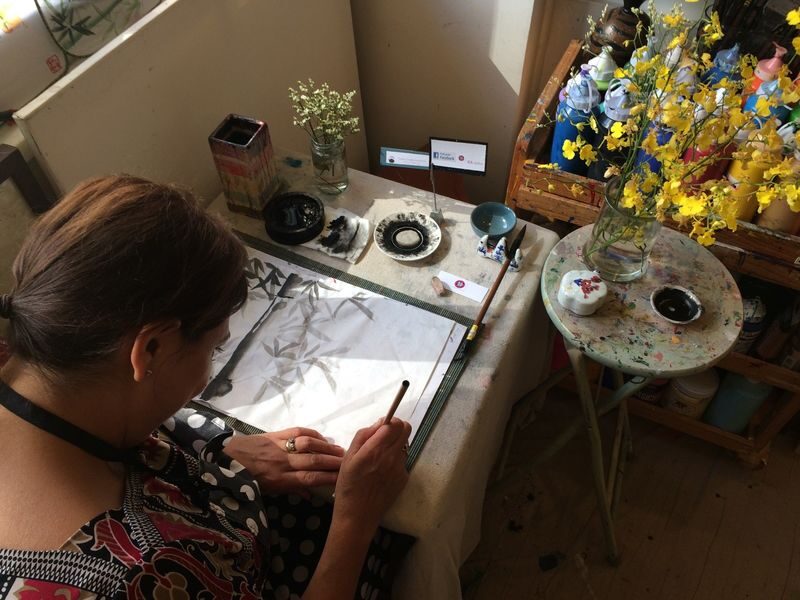
The final exercise is a traditional ink bamboo painting on rice paper. The subject is fixed, so book this class if bamboo appeals to you. You will not be choosing from a menu of flowers, landscapes or other themes. The focus on one subject gives the workshop a clear shape and lets Carole guide the group through a single set of techniques.
Expect to work with a demonstration and step-by-step help, not a blank sheet and a vague instruction to be creative. That structure makes the class accessible if you have little or no art experience. At the same time, the final painting still takes concentration. Bamboo may look simple at first glance, but getting the brush marks to feel deliberate is part of the lesson.
The finished work is stamped with a traditional Chinese seal. It is a satisfying final touch, and it gives your painting a sense of completion before you take it home. Think of the piece as a record of your first attempt, rather than a polished artwork produced by a trained painter. The value is in learning a process and making something yourself.
If you prefer your final piece to be entirely your own, say so before the painting begins. Carole’s hands-on guidance is a strength for learners who want direction, but some people may prefer advice without the instructor adding marks to their work. A simple conversation at the start can help set the right level of assistance.
A Quiet Studio Break in Wan Chai
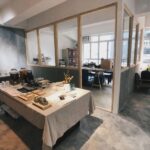
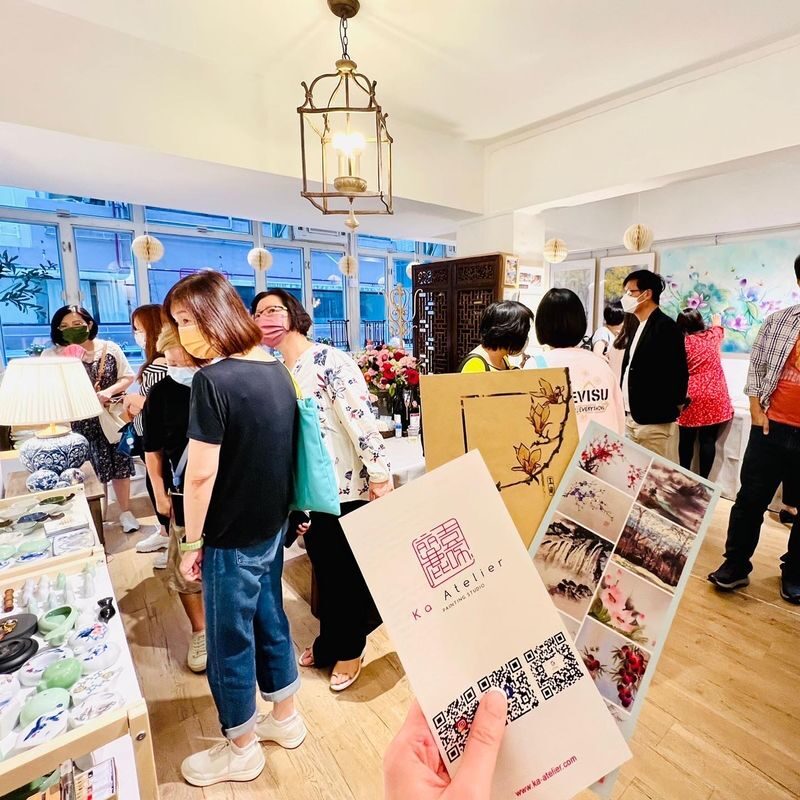
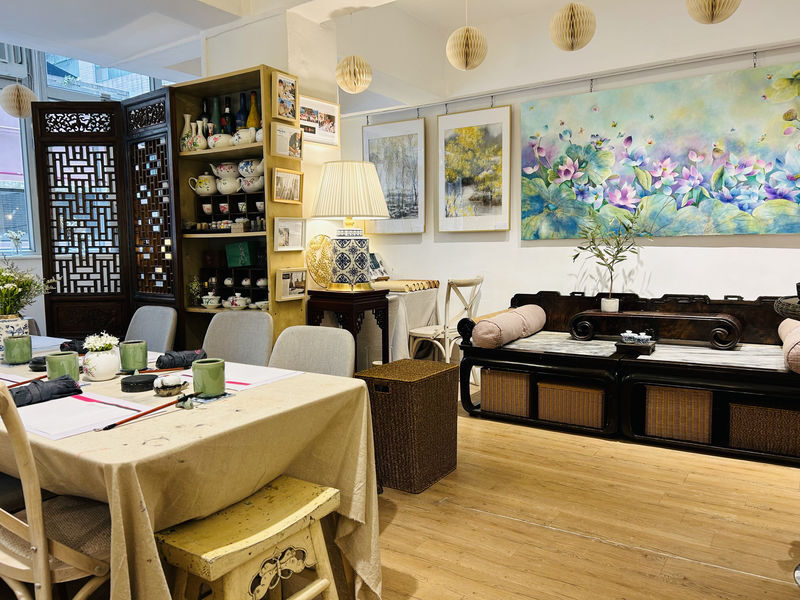
Ka Atelier is at 1/F, No. 6 St. Francis Yard, in Wan Chai’s Star Street Precinct. The studio has been described as cosy and calm, a welcome change of pace from the city outside. Its intimate setting suits a lesson that asks you to slow down and pay attention to the ink, paper and movement of your hand.
The location is central, but the entrance can take a little effort to find. Give yourself a few extra minutes rather than arriving at the last moment, especially if you are unfamiliar with the area. The listed meeting point is the first floor at St. Francis Yard.
The workshop is small-group by design, which allows for personal guidance. No exact group size is specified, so do not assume a private lesson, but you can expect a more attentive setting than a large lecture-style activity. The studio’s compact size has been noted as a drawback by some, yet it also fits the close-up nature of the work.
Freshly brewed Chinese tea is included and available during the session. It is a simple comfort, not the main event, but it suits the measured pace of painting. One practical note: tea may not always be offered proactively, so ask if you would like a cup.
What the Class Gives You for the Price
The listed price is shown as starting from US$70.09 for the Traditional Chinese Painting Class, while the overview gives a starting figure of US$77.09. Prices can depend on the booking details, so check the total at checkout before you confirm.
The fee includes the instructor, paints, tools, materials and complimentary tea. You are also taking home a finished rice-paper painting, which makes the value easier to judge than a class that leaves you with only a short demonstration. The stronger value, though, is the combination of cultural context and direct instruction: you learn about the art form, handle the materials and complete a guided project in one session.
This is not the best choice if your main goal is to develop advanced technique. The workshop is explicitly designed for beginners, and a single class can only introduce the basics. If you already paint or study Chinese art, contact Ka Atelier first to discuss your experience and whether the introductory format will suit you.
If you are new to the subject, the price buys a well-defined activity rather than an open-ended art lesson. You know what you will paint, what materials are supplied and what you will bring home. That clarity makes it a useful choice for a half-day cultural activity, a creative break during a city visit or a shared outing with someone who enjoys learning by doing.


Who Will Enjoy This Workshop Most
I would recommend the class to curious beginners, solo visitors who want a calm activity, and anyone looking for a hands-on way to learn about Chinese culture. It also suits families with older children: young participants have enjoyed the patient guidance, though the activity asks for concentration and careful brushwork.
You do not need to arrive with drawing skill. The workshop is designed for people with no background in Chinese painting, and the demonstration and practice stages make the first steps manageable. You should, however, come ready to follow a specific subject and accept that a first bamboo painting may be imperfect.
This may not satisfy you if you want free-form painting, a choice of subjects or a technical course for experienced artists. The instructor’s guidance is central to the format, so it is a better fit for learners who welcome demonstration and correction than for people who want to work entirely on their own.
Ka Atelier also offers other workshops, including a Chinese teapot painting class. If you like the idea of making something by hand but would rather paint an object than rice paper, that may be worth comparing.
Booking and Practical Details
The meeting point is Ka Atelier, 1/F, No. 6 St. Francis Yard, in the Star Street Precinct, Wan Chai. Present your mobile voucher at the selected date and time. Confirmation is expected within 24 hours; if it does not arrive, contact customer support.
You can receive a full refund if you cancel at least seven days before the activity date, using local time at the destination. If the operator cancels because of an unforeseen event or extreme weather, you can reschedule or request a full refund. If your preferred time is unavailable, alternative times may be arranged, or you can cancel for a full refund.
Should You Book the Bamboo Painting Class?
Book it if you want a thoughtful, practical introduction to Chinese ink painting, with an instructor who guides you from the first brush exercise to a finished piece. The art history, patient demonstrations, tea and quiet studio make this a more memorable cultural activity than simply watching a craft being made.
Skip it if you want an advanced class, a choice of subjects or a completely self-directed session. For most beginners, though, this is a satisfying way to spend roughly two hours: you learn how the materials work, gain a fresh way to look at Chinese art and leave Wan Chai with a painting you made yourself.
Chinese Ink Painting Workshop by Ka Atelier | Wan Chai
“The instructor was very knowledgeable about the history and intracacies of Chinese ink painting! I learned a lot not only through the art of ink pa…”
FAQ
Is this workshop suitable for beginners?
Yes. It is designed for people with no background in Chinese painting. If you are an experienced artist, contact the studio before booking to check whether the class suits you.
What will I paint?
The workshop focuses on a traditional ink bamboo painting on rice paper. Other subjects are not covered in this class.
Can I take my painting home?
Yes. You take your finished painting home after the workshop.
Are paints and tools included?
Yes. Paints, tools, materials and the instructor fee are included.
Is tea included?
Yes. Complimentary freshly brewed Chinese tea is included during the class.
Where does the class meet?
It meets at Ka Atelier, 1/F, No. 6 St. Francis Yard, in the Star Street Precinct, Wan Chai. The location can be a little difficult to find, so allow extra time.