Fontainebleau is a palace for people who like their royal history with room to breathe. Its 1,500 rooms, historic chapels and extensive gardens make this a substantial outing, but the visit is self-guided: you set the pace and choose how long to linger over each room.
I like two things in particular: the chance to see unmistakable imperial objects, including Napoleon’s throne, and the more relaxed feel compared with a packed palace visit. I also like that admission reaches beyond the main rooms to the Napoleon I museum, temporary exhibitions and gardens.
The trade-off is the trip from Paris. You need a train and a local bus, and once inside, the palace is large enough to reward a little planning. Bring a phone for any QR-code audio content you find useful, and leave large bags behind.
- At a glance: what your ticket covers
- Why Fontainebleau rewards a day beyond Paris
- Getting there from Paris without guesswork
- The Great Apartments: ceremony in room after room
- Napoleon I museum and the palace’s changing story
- Chapels, art and the pleasures of slowing down
- Gardens and parklands: leave time for the outdoors
- How long to stay, and how to pace the visit
- Is admission from .95 good value?
- Practical details to know before you go
- Should you book Château de Fontainebleau?
- FAQ
- How much does Château de Fontainebleau admission cost?
- What is included with the admission ticket?
- Is a tour guide or audio guide included?
- Which days is the château open?
- What time is the last admission?
- How do I get to the château from Paris by public transport?
- Can I enter with a mobile voucher?
- Is the ticket valid on any date?
- Who is eligible for free admission?
- Can I bring luggage or a large backpack?
- The Best Of Fontainebleau!
- More Tours in Fontainebleau
- More Tour Reviews in Fontainebleau
- Not for you? Here's more nearby things to do in Fontainebleau we have reviewed
At a glance: what your ticket covers
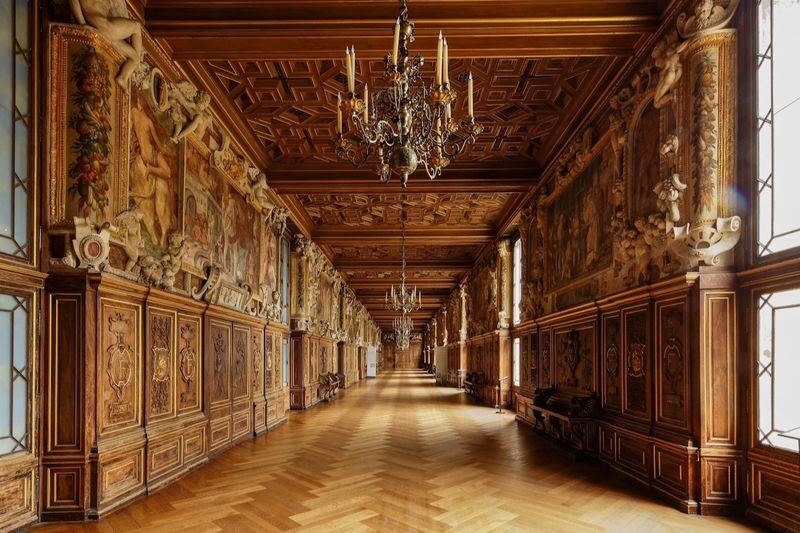
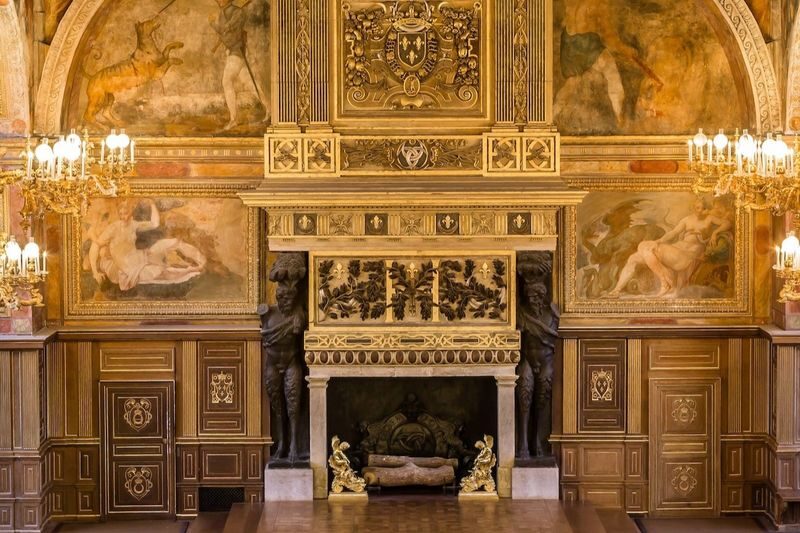
- Imperial rooms: See the Great Apartments circuit, with elaborate interiors associated with the court of Napoleon III.
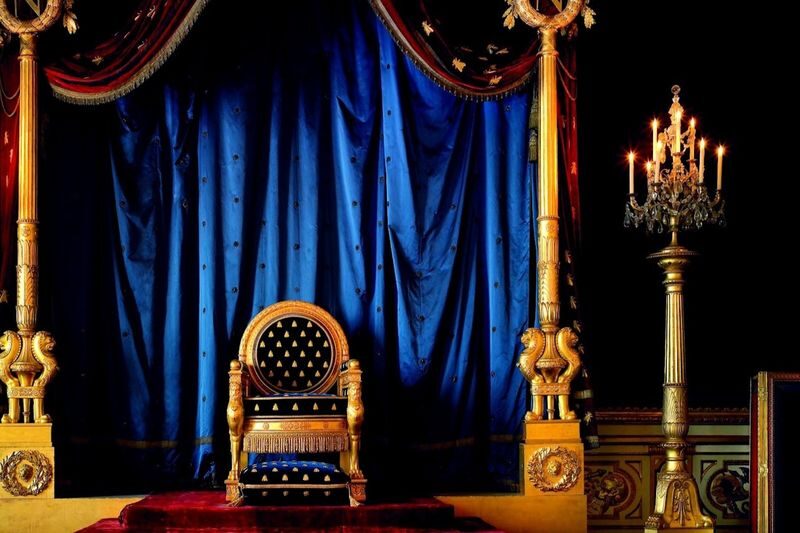
- Napoleon’s legacy: Admission includes the Napoleon I museum, and the palace holds his throne.
- Royal keepsakes: Look for Marie Antoinette’s bed and Empress Josephine’s coronation portrait by François Gérard.
- More than palace rooms: Your ticket includes temporary exhibitions and access to the gardens and parklands.
- A sizeable visit: Allow about two to three hours for the palace, with extra time if you want to explore the grounds.
- A straightforward entry: Use the voucher barcode at the venue. Security checks are mandatory, and large bags cannot be stored there.

👉 See our pick of the 3 Best Tours In Fontainebleau
Why Fontainebleau rewards a day beyond Paris
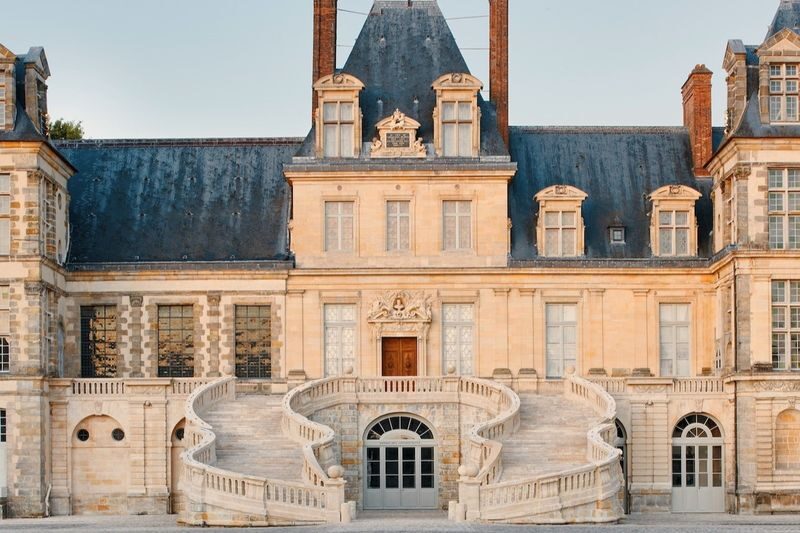
Château de Fontainebleau served as a sovereign residence over eight centuries, and that long span gives the visit a different character from a palace built around one ruler or one period. Its rooms reflect successive royal and imperial eras, from courtly ceremony to Napoleon’s reign. The result is not one tidy story, but a succession of tastes, ambitions and political changes under one roof.
Napoleon called Fontainebleau the true home of kings. The phrase makes sense as you move through a residence with more than 1,500 rooms, three chapels and four art museums. The palace is not simply a set of decorated apartments. It is a working historical complex, with ceremonial rooms, religious spaces and collections that help explain how power was displayed and remembered.
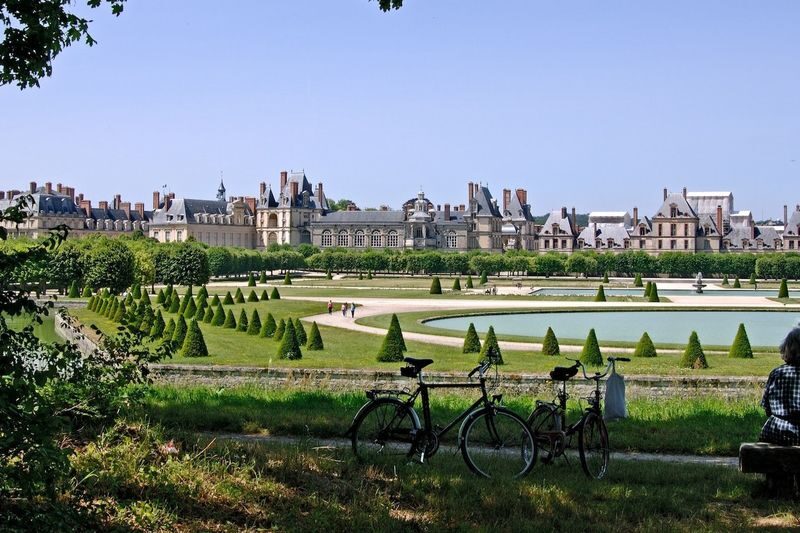
The setting adds another reason to make the trip. The château sits within 130 hectares of parks and gardens, giving you a chance to pair indoor history with time outside. If you have spent several days among Paris streets and museums, that change of pace can be welcome. The grounds also mean you should not treat the admission as a quick stop on the way to somewhere else.
You can also read our reviews of more tours and experiences in Fontainebleau.


Getting there from Paris without guesswork
Fontainebleau is in Seine-et-Marne, outside Paris. The stated public transport route is to take train line R toward Montargis-Sens and get off at Fontainebleau-Avon. From there, take bus line 1 to Les Lilas and get off at the Château.
The train and bus connection is manageable, but it adds planning that a central Paris museum visit does not require. Check the route before you leave, especially if you are unfamiliar with the station or local bus system. One visitor tip is to ask for help at the train station or bus stop if the transfer feels unclear. Another visitor described walking from the station through the forest to the château, but the supplied directions specify the bus, so use that route if you want the clearest plan.
The trip is worth factoring into your day. Leave enough time for the journey in both directions, the palace itself and, if the weather suits, a walk through the gardens. The experience is best treated as a half-day outing rather than a quick add-on between Paris attractions.
The Great Apartments: ceremony in room after room
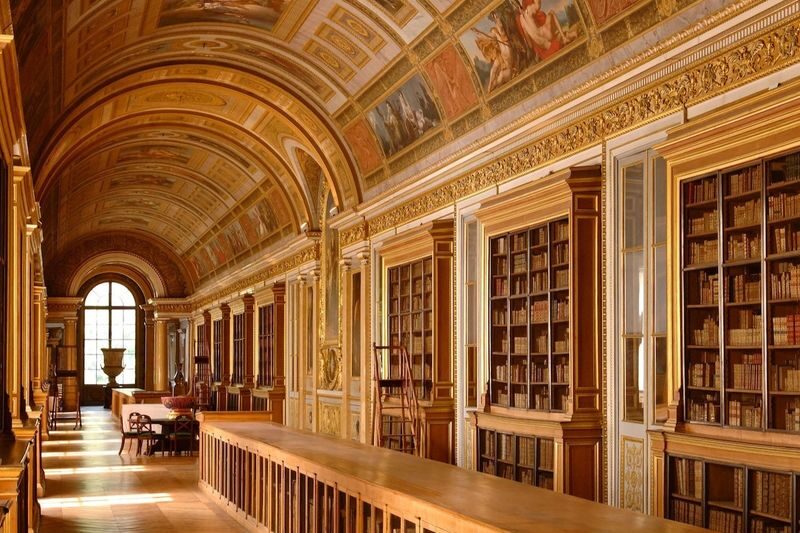
The Great Apartments circuit is the main event for anyone drawn to royal interiors. Expect opulent rooms arranged for court life, with decorative detail meant to impress as much as to serve a practical purpose. Look up, look closely at the furnishings, and notice how the rooms guide you from one formal space to another.
The apartments were crafted for the Court of Napoleon III, while the château’s broader story reaches much further back. That overlap matters: Fontainebleau lets you see how a historic residence could be adapted for later rulers rather than frozen as a relic of one era. The rooms are lavish, but the sequence also gives you a feel for the rituals and status that shaped palace life.
Among the objects to seek out are Marie Antoinette’s bed and Napoleon’s throne. They make history tangible in a way that a date on a wall rarely does. The throne is a strong focal point for understanding the emperor’s public image, while the bed brings the palace’s royal past down to the scale of a private room.
You may also see Empress Josephine’s coronation portrait by François Gérard. It adds a human face to the political world represented by the rooms. If you like to understand who lived in a palace, rather than simply admire its gilding, these named objects help give the visit structure.
Napoleon I museum and the palace’s changing story
Admission includes the Napoleon I museum, which makes this ticket especially appealing if the Napoleonic period interests you. The palace has a direct connection to Napoleon: he restored it after the Revolution and considered it a fitting royal residence. Seeing his museum alongside the apartments helps connect the personal objects and ceremonial rooms to the larger story of his rule.
The museum is not the only place where the palace’s history appears. Galleries once used by courtiers for socializing, three chapels and four art museums are part of the wider complex. The exact rooms and displays you encounter can depend on what is open, so keep some flexibility in your plan rather than trying to force every part into a rigid schedule.
Temporary exhibitions are included as well. Their subjects can change, so you should not build your decision around a particular show unless you have checked what is on during your selected date. The admission provides a useful broad entry to the site, but it does not include the Chinese museum.
Chapels, art and the pleasures of slowing down
The historic chapels offer a different mood from the apartments. They remind you that a royal residence was also a place of worship, ceremony and daily routine. If you are interested in architecture, religious art or the way court life worked, make room for these spaces instead of rushing straight from one grand room to the next.
The art museums and galleries broaden the visit beyond interiors and furniture. Fontainebleau can reward a slow pace: decorative carving, paintings and furnishings are easy to skim past if you move quickly. Give yourself time to look, but do not feel obliged to inspect every room equally. Choose a few spaces that catch your eye and let them set the rhythm.
There is no included tour guide, so you will be making your own route and interpreting what you see. English texts provide some context, and visitors have also used a free audio guide accessed by scanning a QR code with a phone. That is distinct from the ticket: an audio guide is not included, and availability or access details may vary. Bring a charged phone if you plan to use QR-based material, and do not assume a rental guide will be available on the day.
A little advance reading about Napoleon, Josephine and the palace’s royal occupants can make the rooms more meaningful. You do not need to become a history student. Knowing who the key figures were is enough to turn a sequence of ornate spaces into a story with people and stakes.


Gardens and parklands: leave time for the outdoors
The gardens and parklands are included with admission, and they make the visit more than an indoor palace circuit. The grounds cover 130 hectares, so this is not a small courtyard to cross on your way out. You can use them to stretch your legs, pause after the rooms or enjoy the setting at a gentler pace.
The gardens are one of the strongest reasons to allow extra time. A palace visit can become visually dense: gilding, portraits, furniture and elaborate ceilings compete for attention. Stepping outside gives your eyes a rest and helps you appreciate the château as part of a larger royal estate.
The wider park and forest also make Fontainebleau appealing if you want history and scenery in the same outing. The palace ticket gives access to the grounds, but it does not promise any particular outdoor activity or transport service. One visitor described taking a park shuttle, and another noted boating on a lake outside, but those are not included in the admission details. Check local arrangements if either matters to your plans.
Weather can shape how much you enjoy the grounds. On a cold or windy day, you may prefer to spend longer indoors and keep the garden walk brief. In mild weather, save energy and time for a proper wander rather than leaving as soon as you finish the palace rooms.
How long to stay, and how to pace the visit
Plan on roughly two to three hours for the palace, then add time for the gardens and your journey. That estimate is useful because Fontainebleau is large, but your ideal visit depends on how closely you read displays and how much time you give the outdoor grounds.
I would start with the Great Apartments circuit while your attention is fresh, then spend time with the Napoleon I museum and any temporary exhibition that interests you. Work the chapels and other accessible spaces into the route as you go. Finish outside if the weather is pleasant, or shorten the grounds visit if you have a train to catch.
The palace can be less crowded than Versailles, which changes the feel of the visit. You may have more breathing room to study a room or talk quietly with someone beside you. That is not a guarantee of empty halls, but Fontainebleau is a sensible choice if you want a major royal residence without making crowd size the main feature of your day.
Is admission from $20.95 good value?
At a starting price of $20.95, this ticket covers the Great Apartments circuit, the Napoleon I museum, temporary exhibitions and access to the gardens and parklands. That is good value if you plan to spend several hours exploring both the palace and its grounds. The experience has enough variety to justify more than a short visit, especially if you are interested in royal interiors or Napoleon.
The price is less compelling if you only want a quick look at one room or have little time to reach Fontainebleau. Transport is separate, and the ticket does not include a guide or audio guide. You will get more from the admission if you are comfortable exploring independently, reading the available explanations and setting your own pace.
Some visitors valued the e-voucher because they could enter by scanning its barcode without exchanging it for a paper ticket. The convenience is useful, particularly if you are making a last-minute plan, but remember the ticket is valid only for the date you select. Free admission applies to children aged 0 to 17, EU residents under 26, and disabled people with a carer when valid ID is presented. Admission is also free on the first Sunday of each month, except in July and August.
Practical details to know before you go
The château is open Wednesday through Monday, from 9:30 a.m. to 6 p.m. It is closed on Tuesdays, and last admission is 45 minutes before closing. Arriving late in the day can leave too little time for a full visit, so aim to arrive with room in your schedule.
Security checks are mandatory for everyone. There is no storage for luggage or large bags, so leave suitcases and bulky backpacks at your accommodation or in your vehicle. Small bags may be easier to manage, but follow the staff’s directions at entry.
The activity is wheelchair-accessible. The voucher is valid only on the selected date and, if applicable, time, so check your booking details before travelling. Free cancellation is available with at least 24 hours’ notice, based on local time.
Should you book Château de Fontainebleau?
Book this admission if you want an expansive royal residence, have an interest in Napoleon, and are happy to make the journey from Paris. The throne, Marie Antoinette’s bed, Josephine’s portrait and the gardens give the visit memorable anchors, while the scale of the château leaves plenty to explore beyond those highlights.
Choose another plan if you need a guided experience, want an audio guide guaranteed with your ticket, or have only a short gap in your Paris schedule. For a self-guided day with palace rooms, museums and open grounds, Fontainebleau is a strong use of your time and a worthwhile alternative to a more crowded royal itinerary.
Chateau de Fontainebleau Admission in Paris
“You can enter directly using the barcode in the email, which is very convenient. If you have a backpack, you need to store it in a locker, but sing…”
FAQ
How much does Château de Fontainebleau admission cost?
Prices start from $20.95. The ticket includes the Great Apartments circuit, the Napoleon I museum, temporary exhibitions, and access to the gardens and parklands.
What is included with the admission ticket?
Admission covers the Great Apartments circuit, the Napoleon I museum, temporary exhibitions, and the parklands and gardens.
Is a tour guide or audio guide included?
No. The ticket does not include a tour guide or audio guide. English text is available in the palace, and visitors have accessed a free audio guide by scanning a QR code with a phone, but it is not part of the ticket.
Which days is the château open?
It is open Wednesday through Monday, from 9:30 a.m. to 6 p.m. It is closed on Tuesdays.
What time is the last admission?
Last admission is 45 minutes before closing.
How do I get to the château from Paris by public transport?
Take train line R toward Montargis-Sens to Fontainebleau-Avon, then take bus line 1 to Les Lilas and get off at the Château.
Can I enter with a mobile voucher?
Yes. You can enter directly with your voucher by presenting its barcode.
Is the ticket valid on any date?
No. The voucher is valid only on the date you select and, if applicable, the time specified.
Who is eligible for free admission?
Admission is free for children aged 0 to 17, EU residents under 26, and disabled people with a carer who have valid ID. Entry is also free on the first Sunday of each month, except July and August.
Can I bring luggage or a large backpack?
There is no storage for luggage or large bags at the venue. Leave them at your accommodation or in your vehicle.