The journey begins on a Japanese-made train, not in a tour bus, and ends with Ayutthaya’s temple ruins spread out across a day of tuk-tuk rides. That combination gives you a taste of local rail travel as well as a practical way to cover a historic city whose sights are not all in one spot.
I like two things about this setup: the train and tuk-tuk make getting around part of the day, and guides such as Toto and Chopin have been praised for clear explanations and thoughtful care in the heat. The café stop, with elephants to see and interact with, adds a memorable change of pace.
The main catch is the extra spending. Temple fees and meals may be separate from the starting price, and optional activities cost more. Carry cash and check what your booking includes before you set off.
- Key points to know before you go
- The train ride makes the trip feel different
- At Ayutthaya station, the tuk-tuk takes over
- Temple ruins reward a slower look
- The elephant café adds a different kind of stop
- Guides help turn a busy day into a good one
- Budget for fees and food beyond the tour price
- Heat, pace, and what to bring
- Who should book this Ayutthaya day trip?
- FAQ
- How much does the tour cost?
- Is this a full-day tour?
- Where does the train depart from in Bangkok?
- How long is the train ride to Ayutthaya?
- What transport is used in Ayutthaya?
- Who might guide the tour?
- Are English- and Japanese-speaking guides available?
- Does the café visit include elephant interaction?
- What extra costs should I plan for?
- Can I cancel for a refund?
- The Best Of Ayutthaya!
- More Tours in Ayutthaya
- More Tour Reviews in Ayutthaya
- Not for you? Here's more nearby things to do in Ayutthaya we have reviewed
Key points to know before you go

- The train is part of the outing: The group travels from Bangkok’s Krung Thep Aphiwat Central Terminal to Ayutthaya on a Japanese-made train. The ride takes about an hour.
- A tuk-tuk handles the temple circuit: A driver meets the group at Ayutthaya station, saving you the hassle of arranging transport between ruins.
- Guides make a real difference: Guides named Toto, Chopin, Dylan, and Lee have led trips. English and Japanese language support has been reported, but your assigned guide may vary.
- Plan for extra costs: One participant reported 260 baht in temple fees and about 400 baht for a meal. Optional elephant riding and a floating market were also described as extra-cost activities.
- Expect a full day in the sun: One account describes visiting sights from around 10 a.m. to 5 p.m. Bring water, sun protection, and comfortable clothes.
- The starting price is $32.89: That is a low entry point for a guided rail-and-tuk-tuk day, but it does not necessarily cover all expenses.

👉 See our pick of the 4 Best City Tours In Ayutthaya
The train ride makes the trip feel different
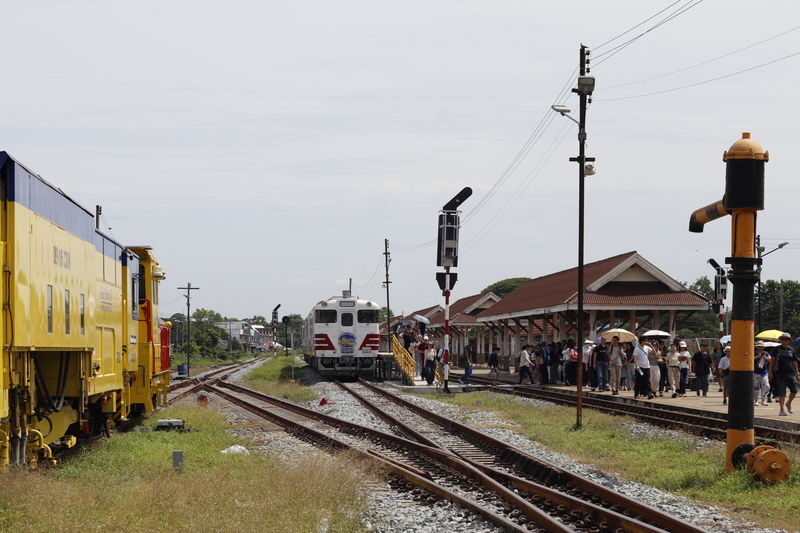
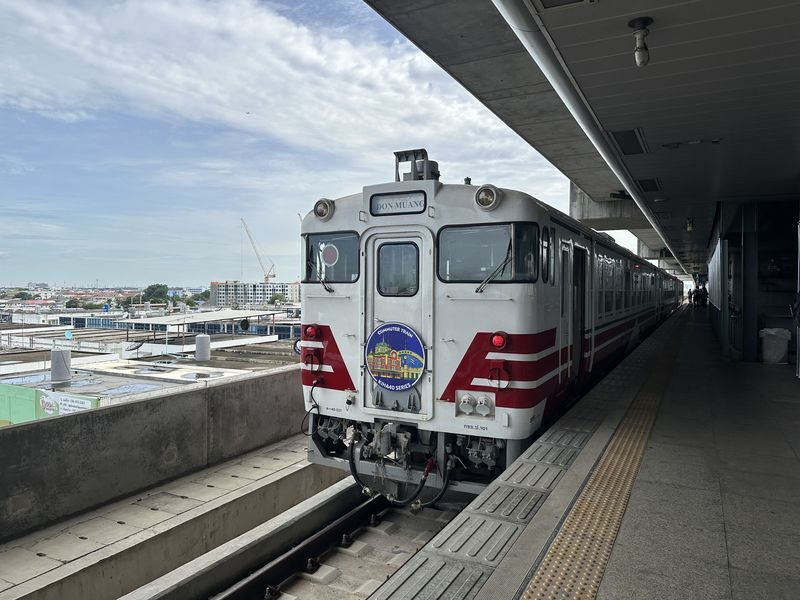
Many day trips from Bangkok rely on a bus or private car. This one begins at Krung Thep Aphiwat Central Terminal and takes you north by train to Ayutthaya, a ride that takes about an hour. The train has been described as a Japanese-made Kiha model, and you can watch the scenery shift along the way.
That first leg is more than a transfer. It gives the day a local rhythm, with time to settle in and look out the window before reaching the old capital. One guide reportedly chose comfortable seats for the group and explained some of the railway’s history. Details like that can help make the journey feel like part of the visit rather than an hour to get through.
You may be able to buy food at the station before departure. A visitor described picking up gapao rice there and eating it on the train, but do not count on a meal being included. If you want to bring food, check your meeting instructions and allow time at the station.
The train is also a practical reason to choose this tour over a car-only trip. You get a different view of the journey, then switch to a small local vehicle for sightseeing. The trade-off is that rail departures have a fixed schedule. Be sure to reach the meeting point on time and follow the operator’s current instructions, since the precise departure details are not provided here.
You can also read our reviews of more tours and experiences in Ayutthaya


At Ayutthaya station, the tuk-tuk takes over
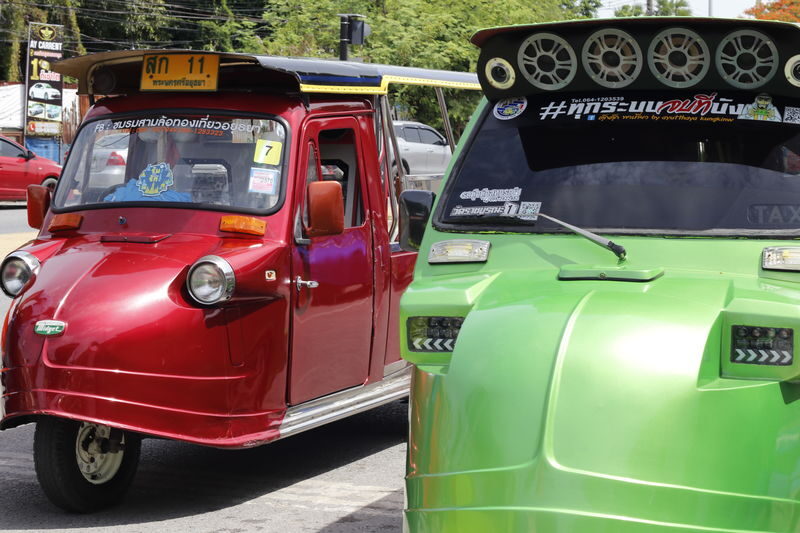
Once you arrive, a tuk-tuk and driver meet the group outside the station. The vehicle carries you between the historical sights, while your guide explains what you are seeing and helps keep the day moving. That is useful in Ayutthaya, where the remains of the old capital are spread across several locations rather than gathered in one compact temple complex.
The tuk-tuk ride is a small adventure in itself. You sit in the open air, feel the breeze, and get a passing view of the city between stops. That can be a welcome change from a long stretch in an enclosed vehicle, though it also means you are exposed to the sun and heat. Take water with you, and use the breaks at the sights to rest.
A dedicated driver waiting for the group means you do not have to negotiate separate rides at every stop. One account describes the driver patiently waiting while the group visited sights from about 10 a.m. to 5 p.m. That kind of arrangement makes it easier to focus on the ruins instead of watching the clock or arranging your next ride.
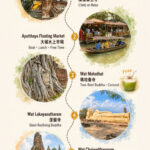
The exact number of stops is not specified, so do not expect a fixed list of named temples from this description alone. The day is described as covering several major historical sites, with time to explore rather than a quick photo stop at each. The guide can also help explain details you might miss if you were moving around on your own.
Temple ruins reward a slower look
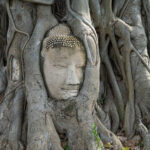
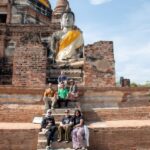
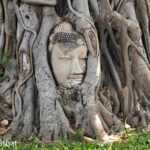
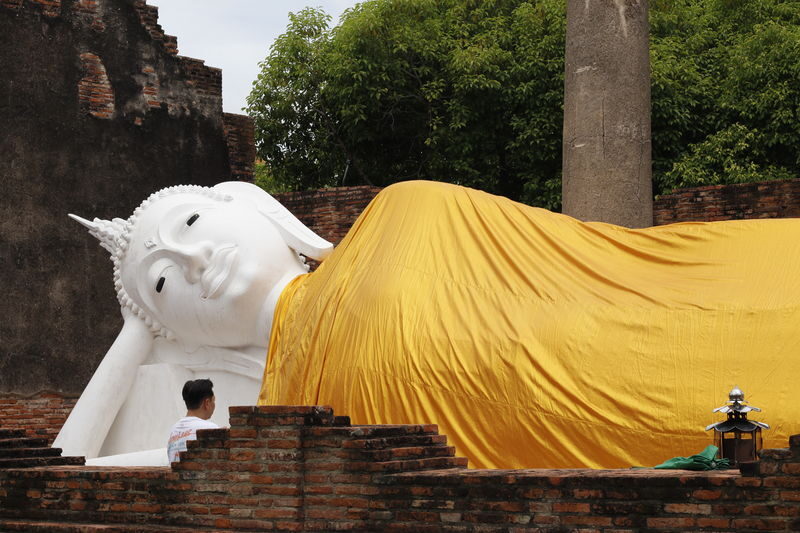
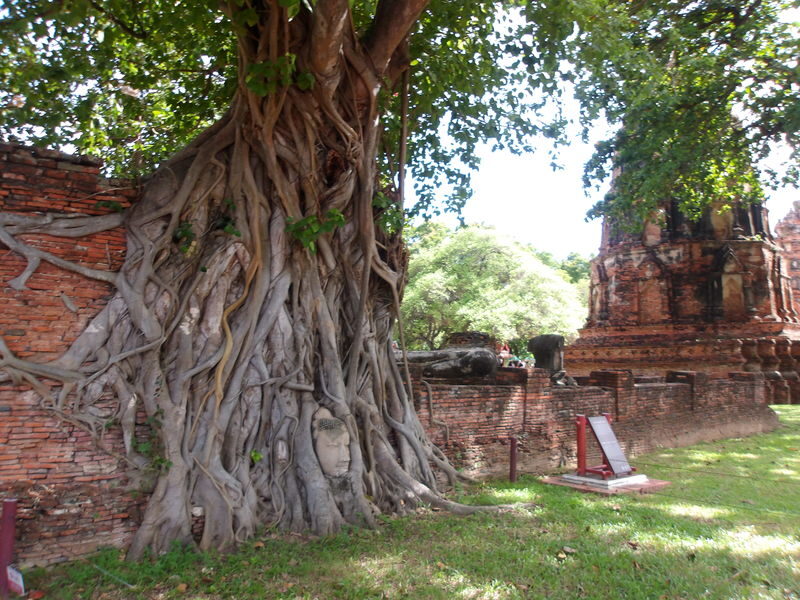
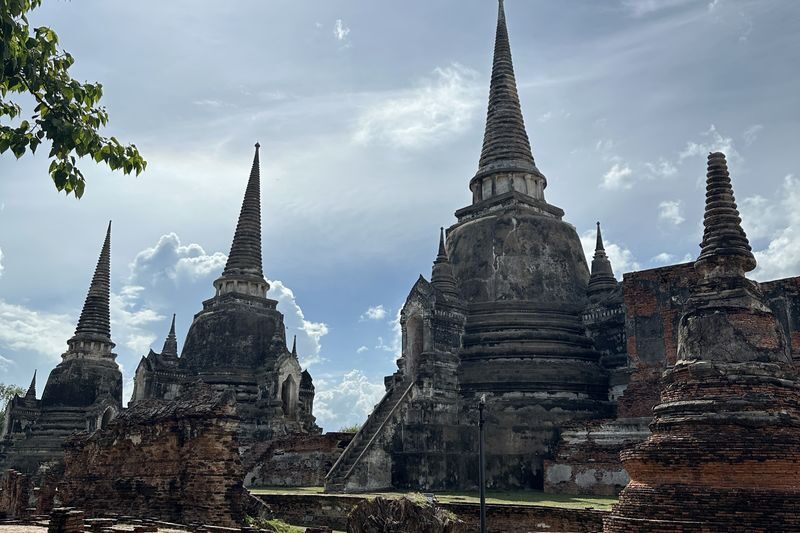
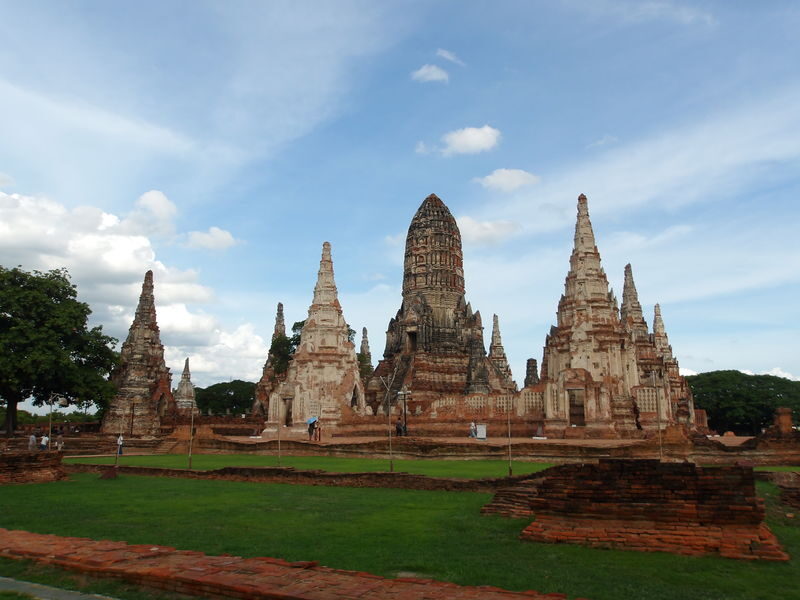
Ayutthaya was Thailand’s former capital, and its surviving temples and ruins give the day its substance. You will see historic structures and religious sites that make more sense with someone to explain their place in the city’s past. The stops are described as including UNESCO heritage sites, though the specific temples visited can vary or are not named in the available details.
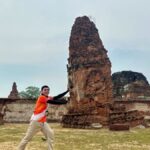
I would treat each stop as more than a backdrop for photos. Look closely at the brickwork, towers, and remains, and give yourself a moment to take in how broad the old city is. A guide can connect these physical details to the city’s history and point out features that are easy to overlook when you are rushing from one site to another.
The pace appears to balance several sights with enough time to walk around, rather than trying to squeeze in every ruin in the region. That is a sensible approach for a hot day. One guide, Toto, was repeatedly credited with checking on the group’s energy and comfort, while other guides were praised for explaining the sites in an engaging and accessible way. You may have a different guide, but the experience clearly depends in part on the person leading the day.
Keep your expectations grounded: this is a guided day trip, not an archaeological seminar. If you want to spend hours at one temple or explore every corner at your own pace, a private arrangement may suit you better. If you want an organized overview with transport between several key sites, the group format is more convenient.
The elephant café adds a different kind of stop
The café is not just a place to sit down. It has been described as having actual elephants, with opportunities to see and interact with them. One person singled out the café’s atmosphere and food, and another described feeding and interacting with an elephant as a highlight. This can be a striking contrast after a morning among old temples.
It is worth separating what is known from what is not. The tour’s name includes a café, and accounts describe elephant interaction there, but the exact activities included in the base price are not specified. Elephant riding was described as an optional activity costing 300 baht in one account. Confirm what is available, what costs extra, and what the café’s animal-care practices are before choosing to take part.
If you prefer not to interact with elephants, you can still enjoy the café stop as a break, but confirm with the operator how the stop works and whether there are alternatives. Food costs may be separate: one participant estimated a meal at about 400 baht. Those figures are useful for planning, but prices can change, so treat them as a guide rather than a guarantee.
A small local food tip: one guide introduced a visitor to roti with cotton candy, a sweet combination associated with Ayutthaya. If you like trying regional treats, ask your guide what is worth sampling. Guides have also helped visitors find reasonably priced souvenirs and desserts, which can be handy when you have limited time and do not know the area.
Guides help turn a busy day into a good one
The guide is one of the strongest parts of this tour’s appeal. Names reported include Toto, Pi Toto, Chopin, Dylan, and Lee. Toto has been especially associated with warm, attentive hosting, while Chopin has been praised for clear commentary and keeping the group on schedule. Dylan and Lee have also been described as helpful guides who explained Ayutthaya’s history.
These names are useful signals, not a promise of who will lead your departure. Guide assignments can change. English-speaking and Japanese-speaking guides have both been reported, so if language is important, confirm the available language before booking rather than relying on a particular name.
Guides have done more than give history talks. They have arranged train tickets and local transport, checked how people were coping with the heat, answered questions, helped with photos, and offered shopping and food suggestions. That support matters most if this is your first time in Ayutthaya or if you would rather not plan every connection yourself.
The tour may also feel intimate, particularly if a departure is small. Some people described traveling alone or in a group of two and getting plenty of attention. A guide has said group size stays below a certain limit, but no exact maximum is provided. If you want a private experience, do not assume that a small group is guaranteed.


Budget for fees and food beyond the tour price
The advertised starting price is $32.89, an attractive rate for a day that combines a train ride, guide, tuk-tuk transport, temple visits, and a café stop. But the headline price should not be your whole budget. One participant reported mandatory temple fees totaling 260 baht and meal costs of about 400 baht. These amounts may change, and you should check the current inclusions when booking.
Optional extras have also been reported. Elephant riding was listed at 300 baht, and a floating market visit at about 200 baht. These activities may not be offered on every departure, and prices are not guaranteed. Carrying some Thai baht is sensible if you want flexibility at stops or plan to buy food and souvenirs.
The value is strongest if you would otherwise have to organize the train, find a tuk-tuk driver, and manage several temple visits yourself. You pay for coordination as well as transport: someone meets you, connects the pieces, and explains the sights. If you are comfortable arranging your own transport and prefer a very flexible schedule, you could compare this with a private car or independent visit before deciding.
Some accounts describe the return to Bangkok by car, while the main journey to Ayutthaya is by train. Since the return details are not consistent, check the current plan and whether return transport is included. The way back matters after a full day, especially if you have an evening commitment.
Heat, pace, and what to bring
Ayutthaya can be intensely hot, and the tour involves walking around outdoor ruins between tuk-tuk rides. Guides have been described as attentive to fatigue and comfort, but a thoughtful guide cannot change the weather. Bring water, sun protection, and clothes that are comfortable for a day outside.
The day is built around several stops, so expect some walking and time on your feet. The tuk-tuk reduces the need to cover all distances on foot, but it does not remove the walking at each site. If heat affects you quickly, take breaks when offered and tell your guide if you need a slower pace.
There is no specific accessibility information available, and the vehicle and temple conditions may not suit every mobility need. If you have mobility concerns, ask the operator about the steps, walking distances, and tuk-tuk access before booking. That is better than relying on general descriptions of a comfortable ride.
Who should book this Ayutthaya day trip?
I would shortlist this tour if you want to see several Ayutthaya ruins without planning your own local transport, and you like the idea of reaching the city by train. It also suits solo visitors who would appreciate a guide and company, as well as anyone keen on adding a tuk-tuk ride and café stop to a history-focused day.
It is less suited to someone who wants a quiet, self-directed visit with long stretches at a single site. You should also think carefully about the café stop if you do not want animal interaction, and budget for possible entry and meal charges beyond the advertised fare. The starting price is appealing, but the real cost depends on what you choose to do and what is included in your departure.
The tour can be booked for the following day, offers instant confirmation, and allows free cancellation if you cancel at least 24 hours before the activity date, using the destination’s local time. Those terms give you some flexibility, but do check the exact meeting and return arrangements before paying.
Book it if the train, tuk-tuk, guide, and broad overview are the combination you want. If you do, confirm language and inclusions, carry extra cash, and leave room in your day for heat and a few unhurried moments among the ruins.
Bangkok Ayutthaya Full-Day Tour with Tuk-Tuk & Cafe
“Thank you so much to our tour guide, Pi Toto, for your patient explanations and care throughout the entire day. From the very beginning on the trai…”
FAQ
How much does the tour cost?
The advertised starting price is $32.89. Temple entry, meals, and optional activities may cost extra.
Is this a full-day tour?
Yes. It is sold as a full-day tour. One account describes visiting sights from around 10 a.m. to 5 p.m., but exact times may vary.
Where does the train depart from in Bangkok?
The reported meeting and departure point is Krung Thep Aphiwat Central Terminal.
How long is the train ride to Ayutthaya?
The train ride has been described as taking about one hour.
What transport is used in Ayutthaya?
A tuk-tuk and driver meet the group at Ayutthaya station and take the group between sights.
Who might guide the tour?
Guides named Toto, Pi Toto, Chopin, Dylan, and Lee have led tours. Your guide may vary.
Are English- and Japanese-speaking guides available?
Both English- and Japanese-speaking guides have been reported. Confirm the language for your departure before booking.
Does the café visit include elephant interaction?
The café has been described as having elephants and opportunities to interact with them. The exact activities included in the tour price are not specified.
What extra costs should I plan for?
One participant reported 260 baht in temple fees and about 400 baht for a meal. Optional elephant riding and a floating market visit were also reported as extra-cost activities. Prices may change.
Can I cancel for a refund?
You can receive a full refund if you cancel at least 24 hours before the activity date, using the destination’s local time.